White Oak LVP
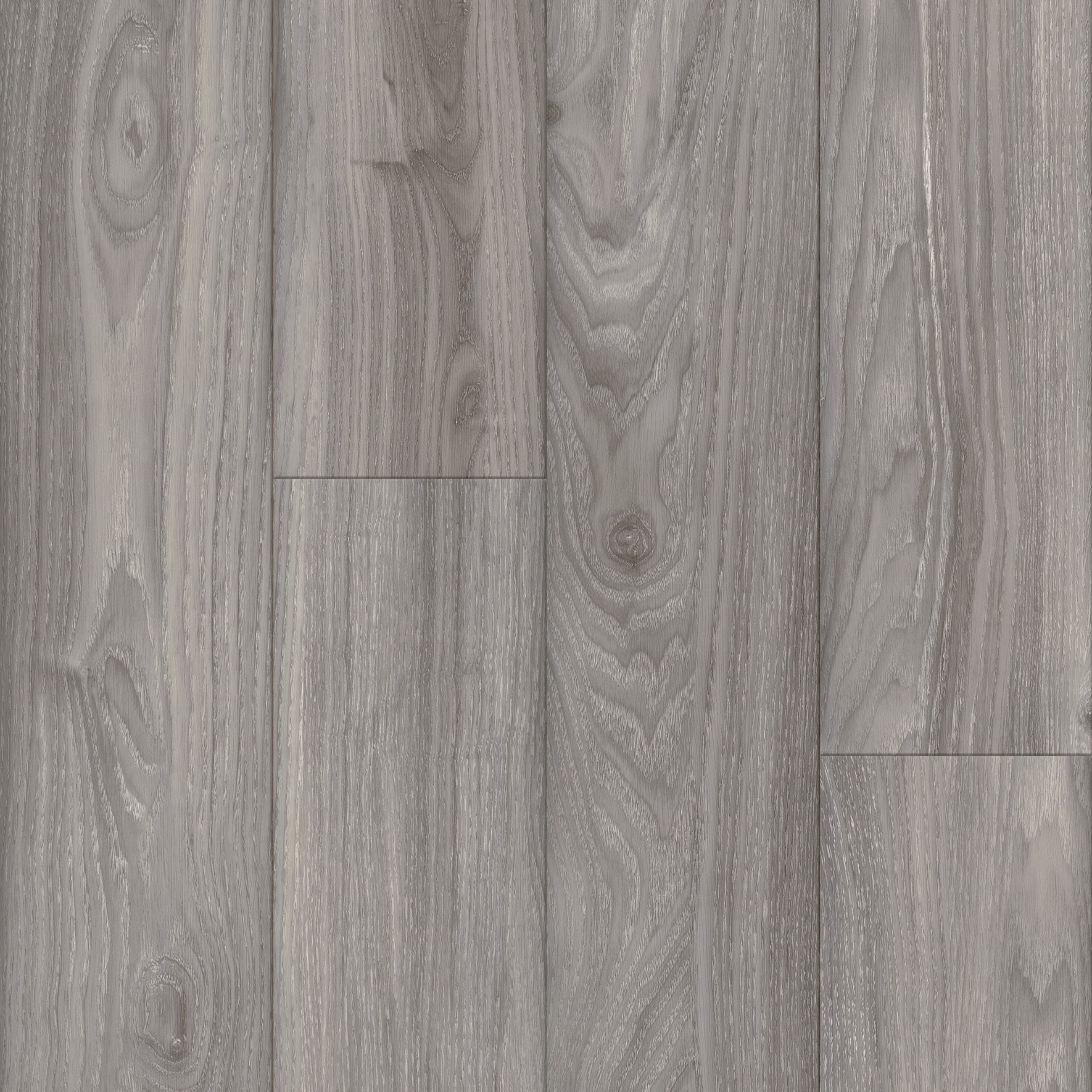
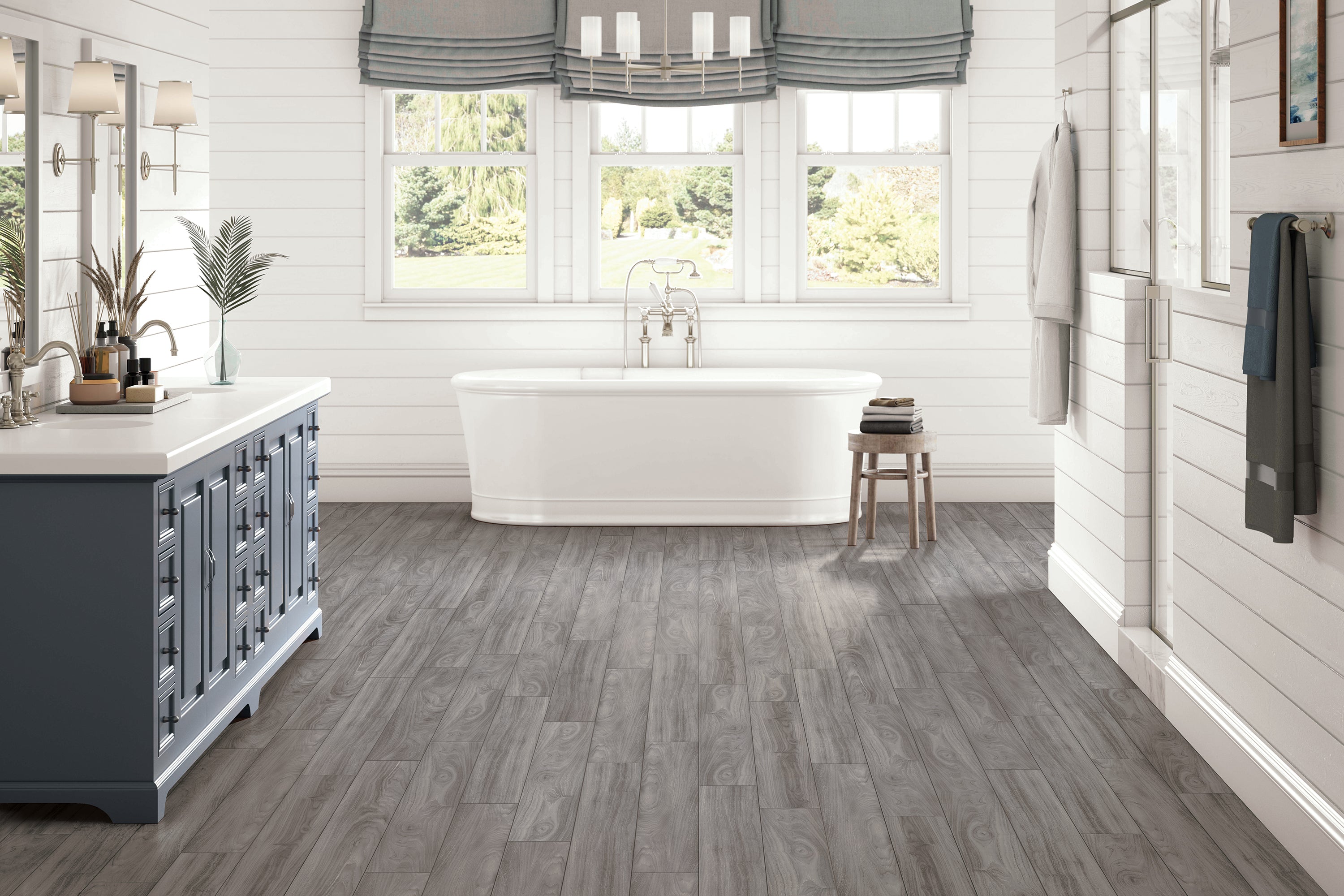
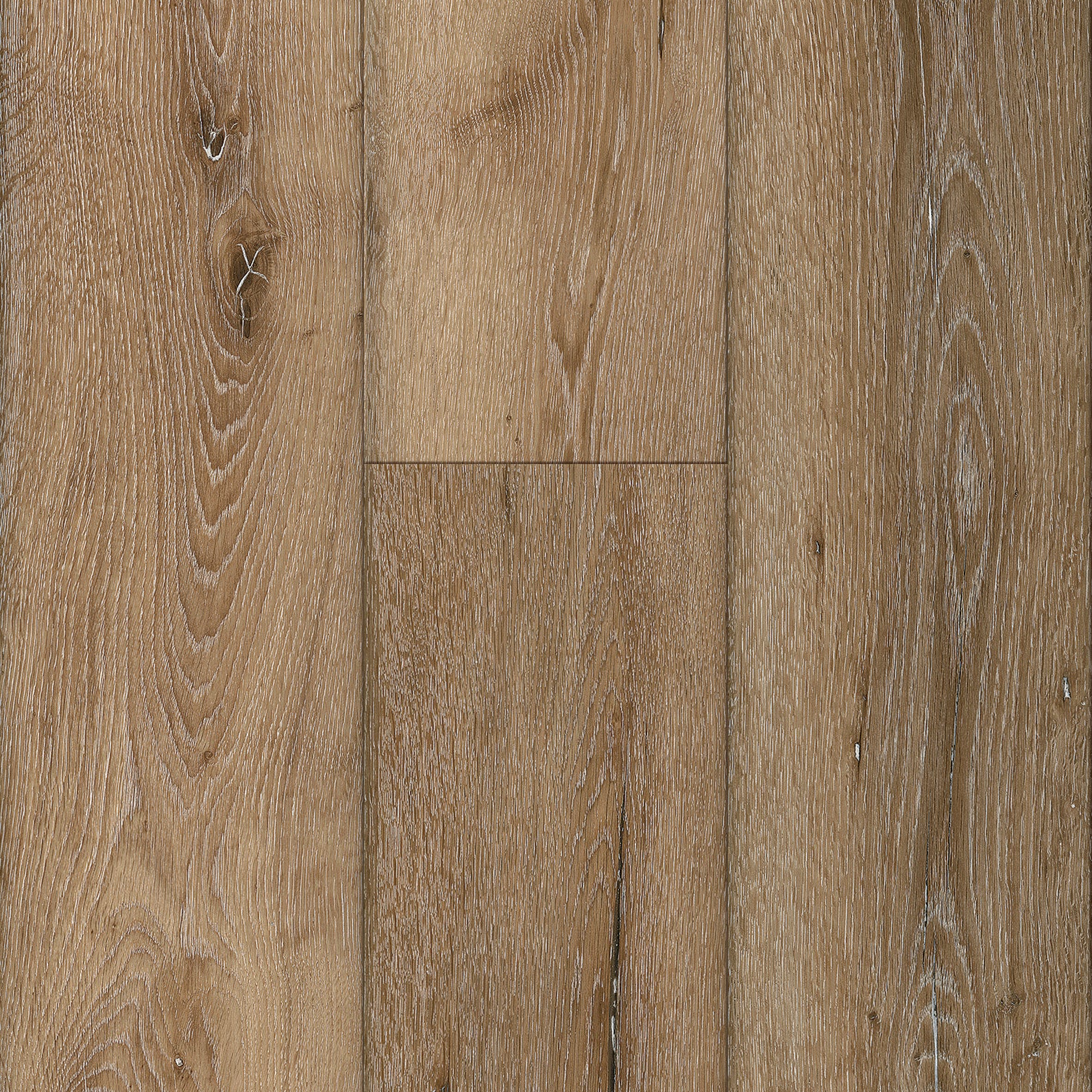
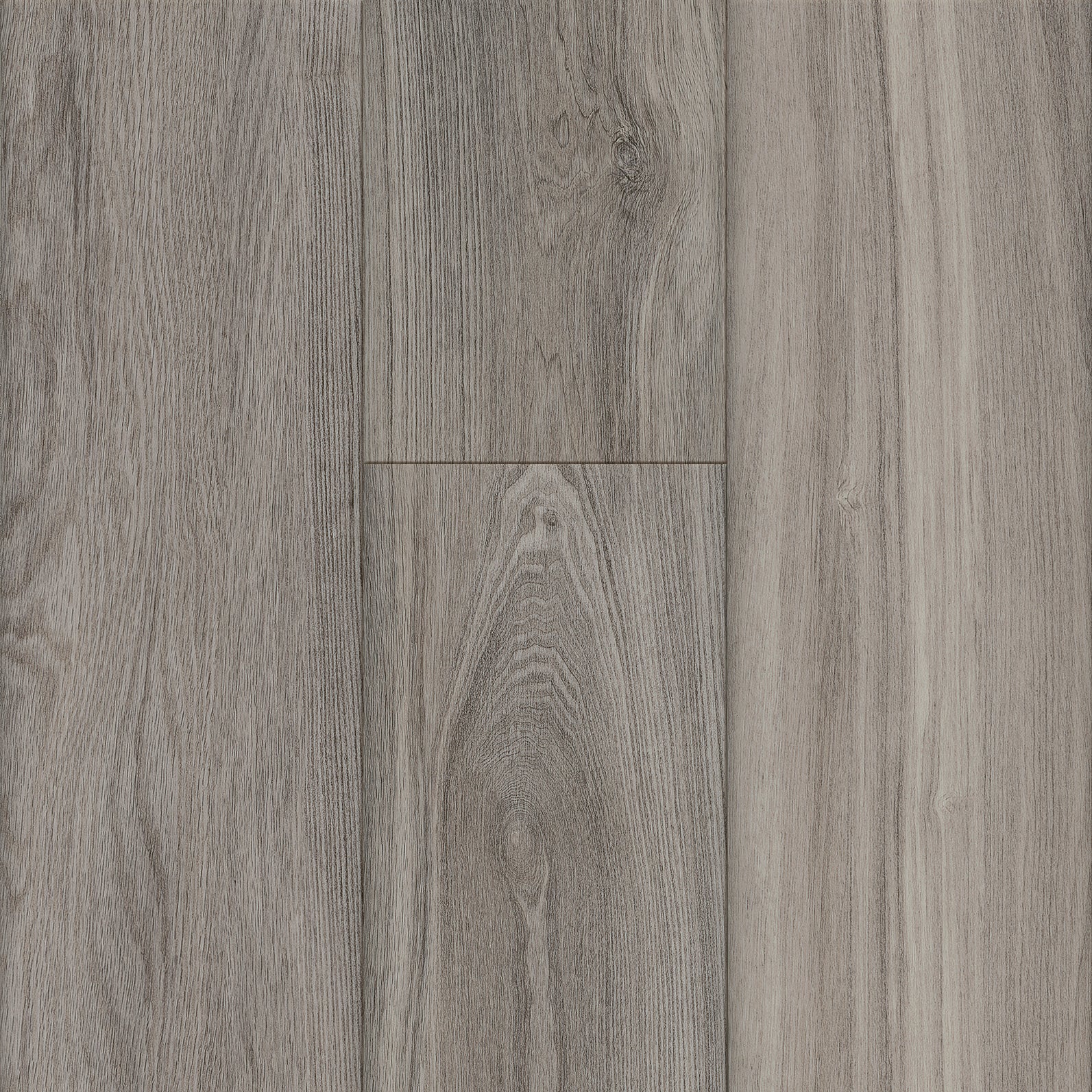
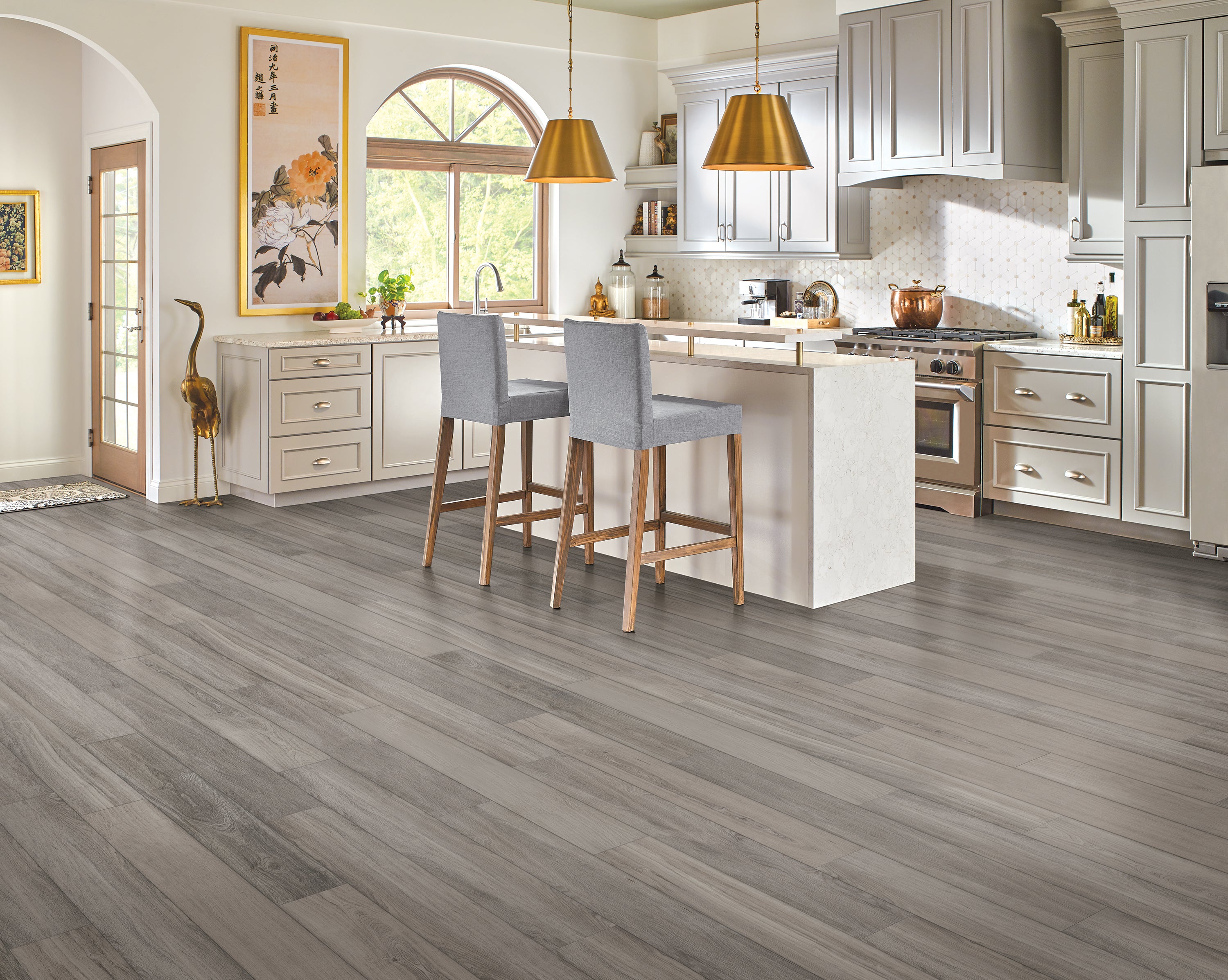
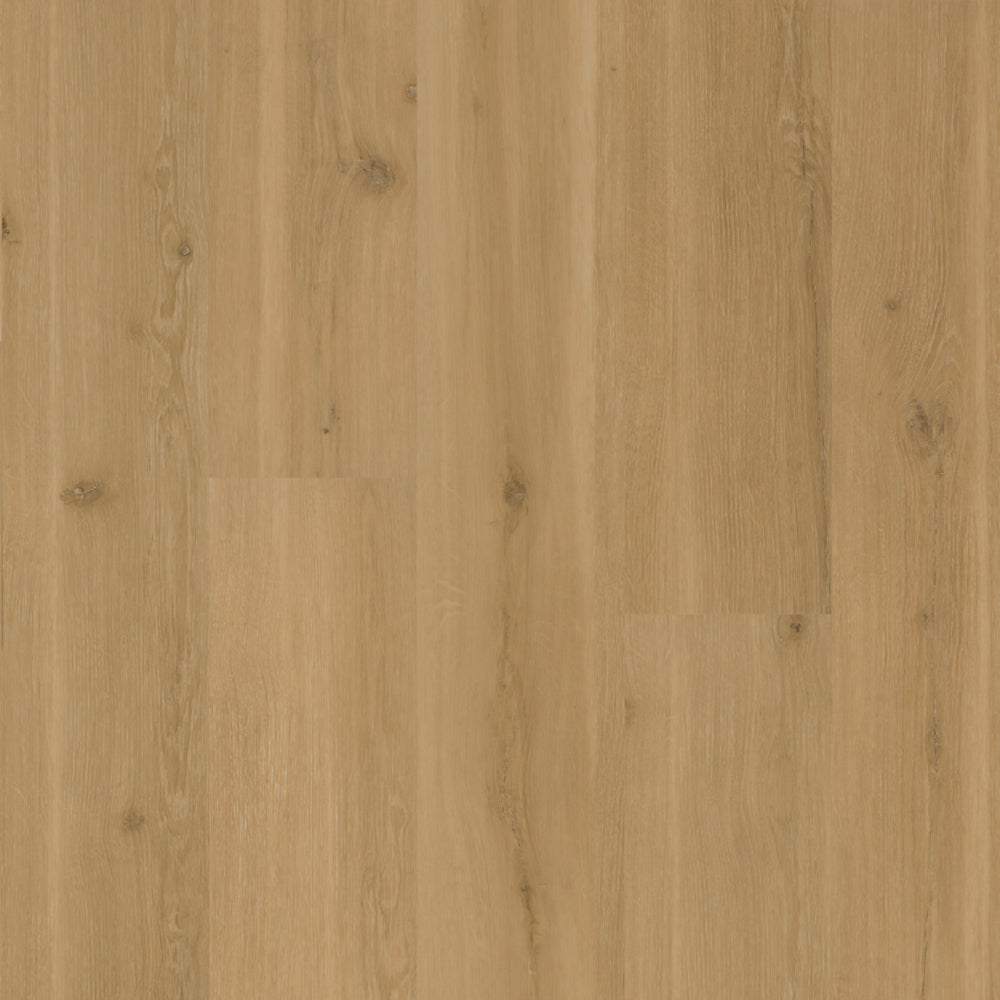
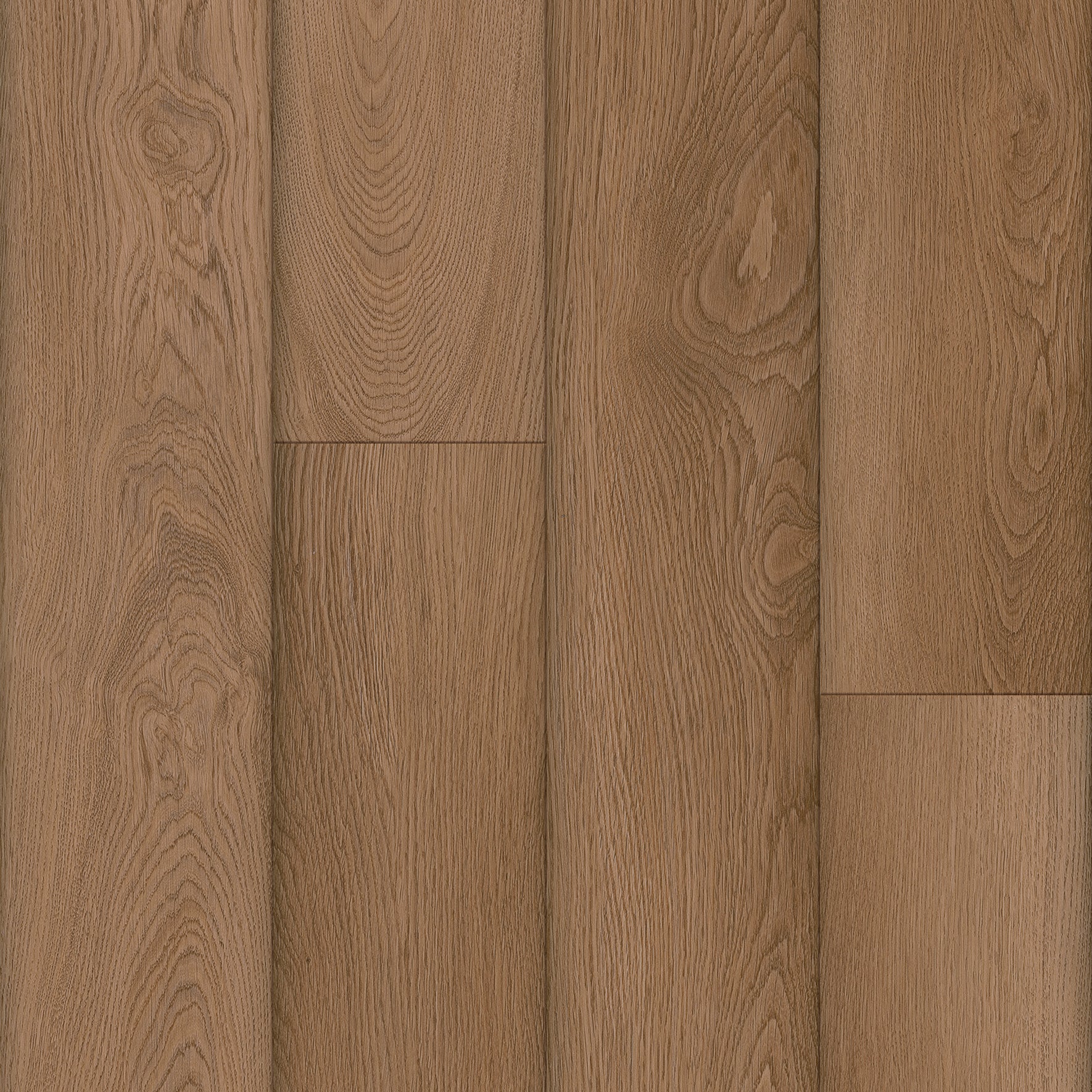
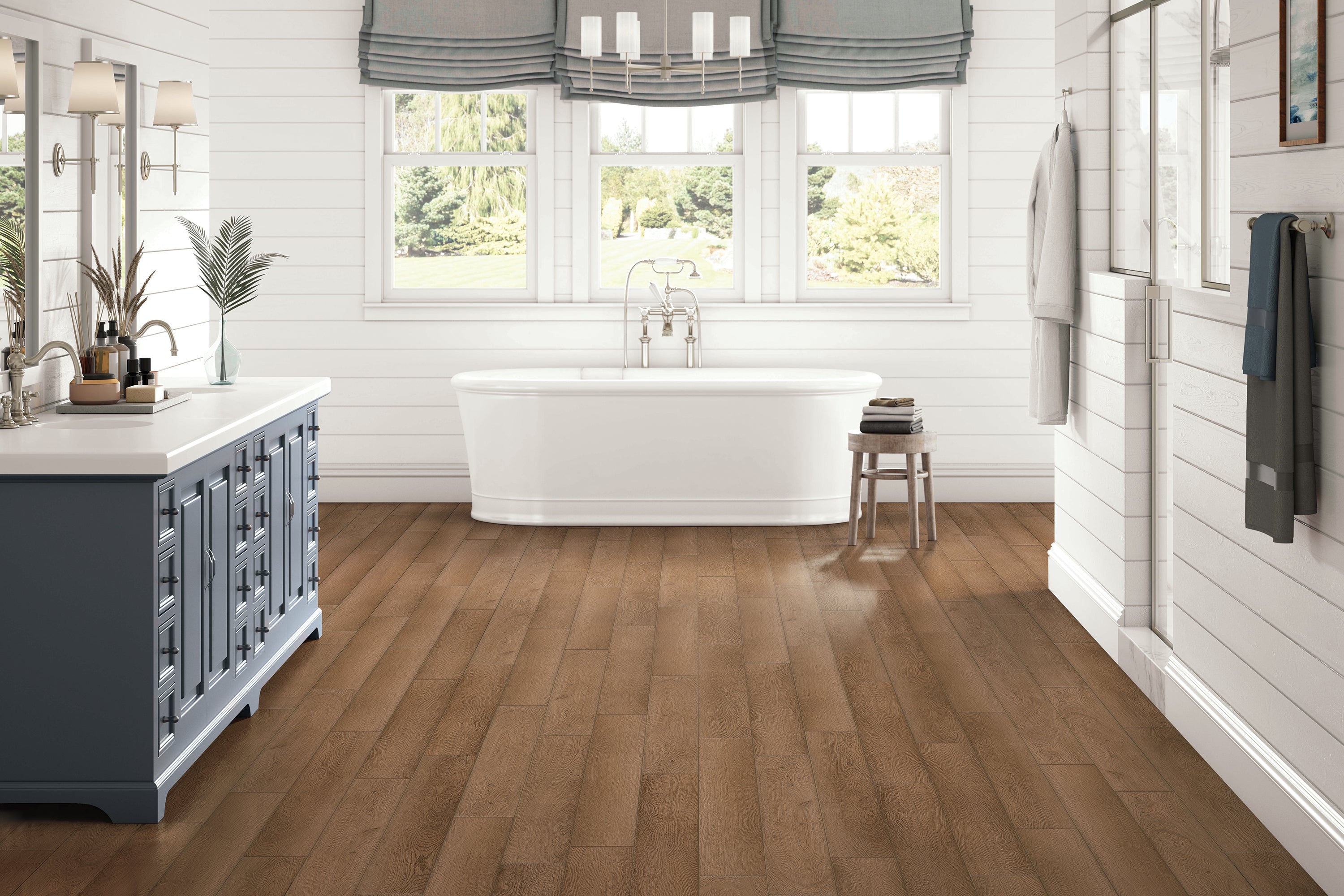
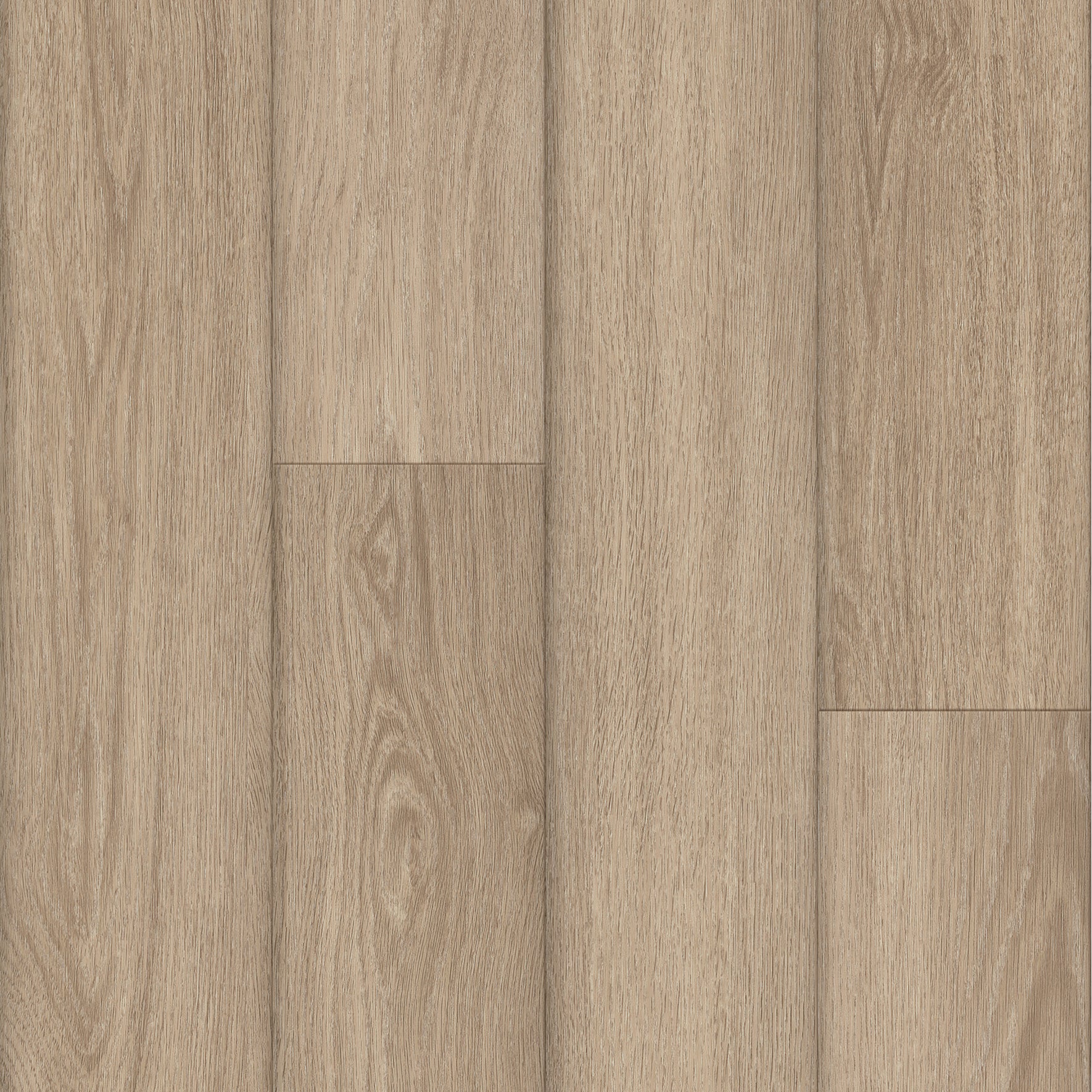
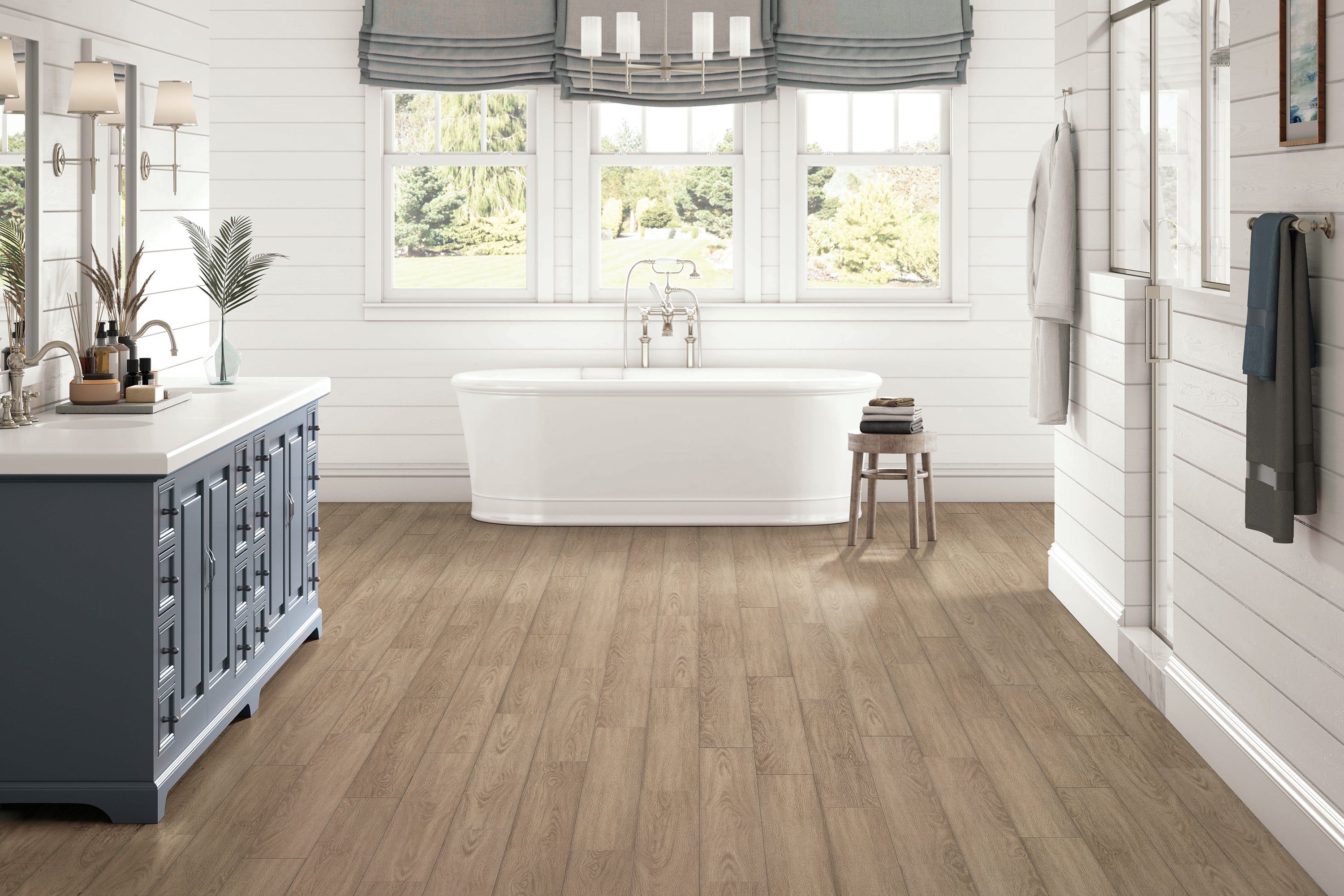
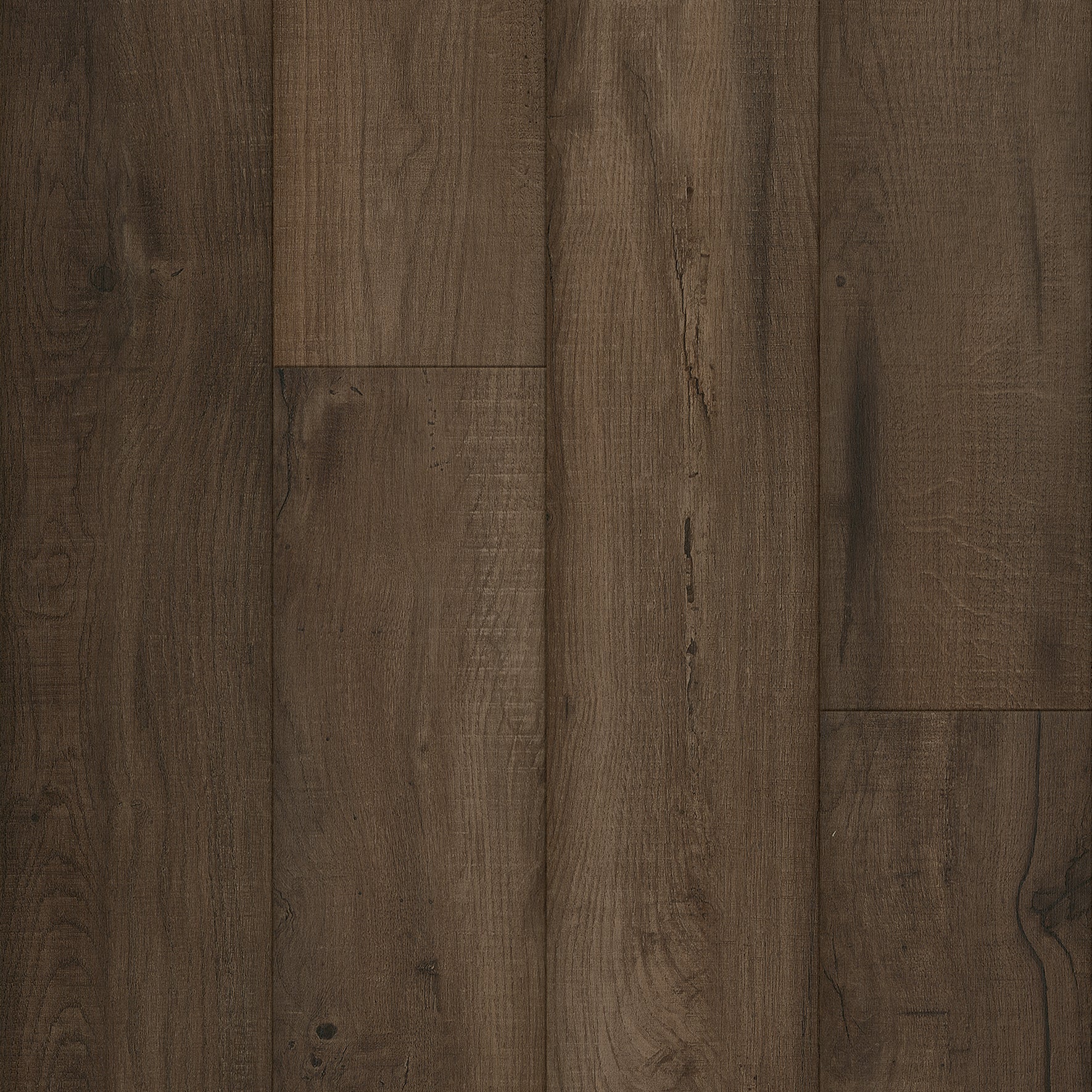
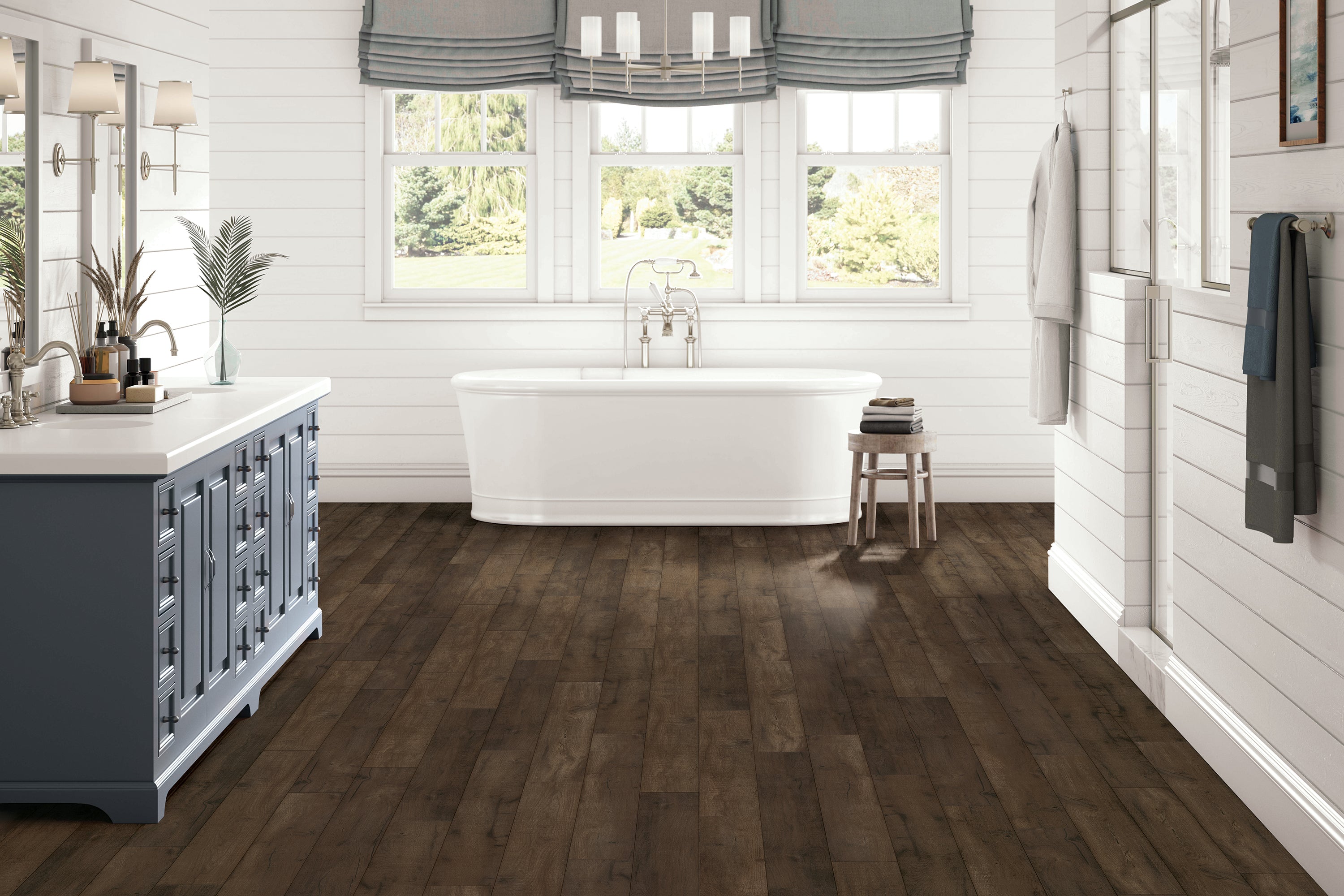
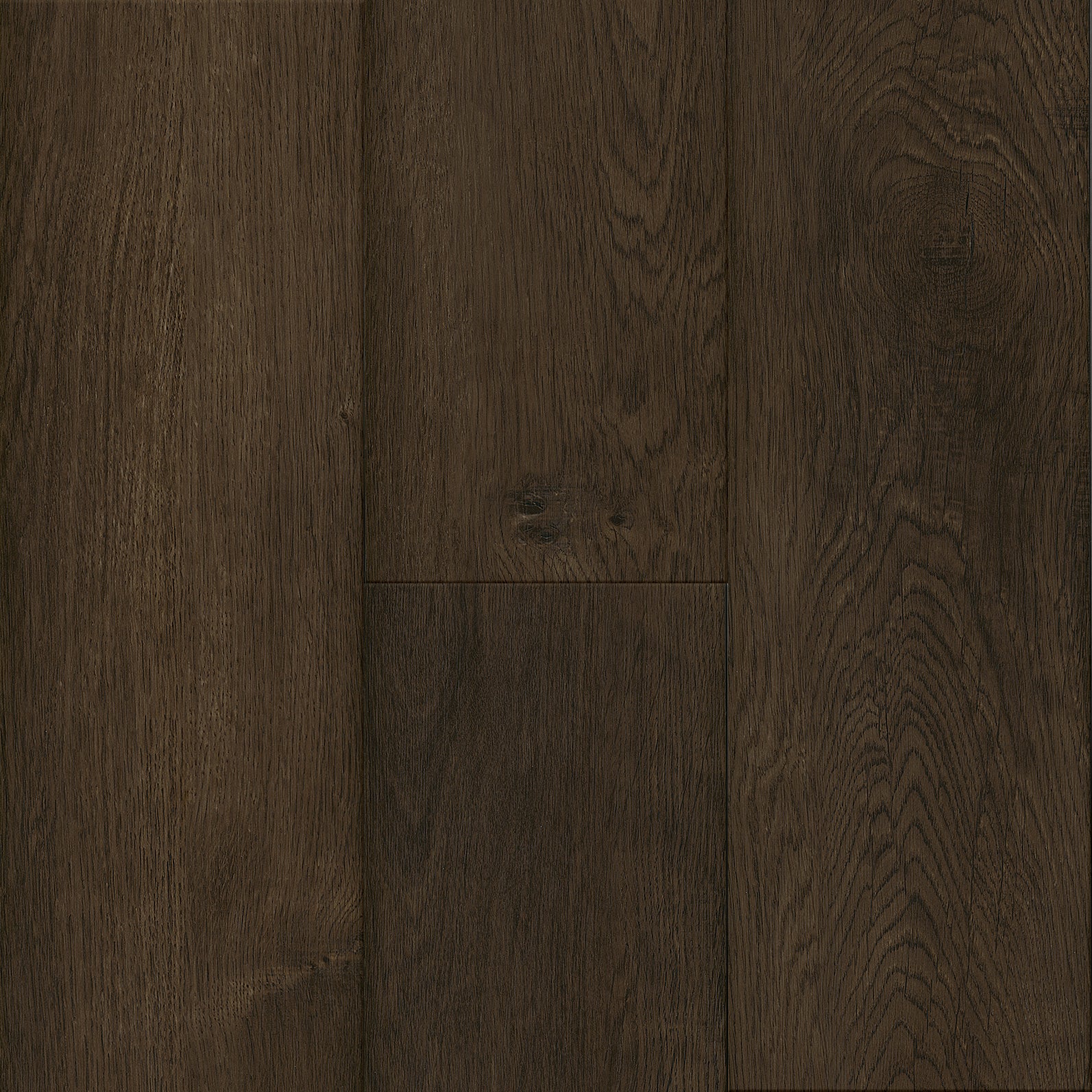
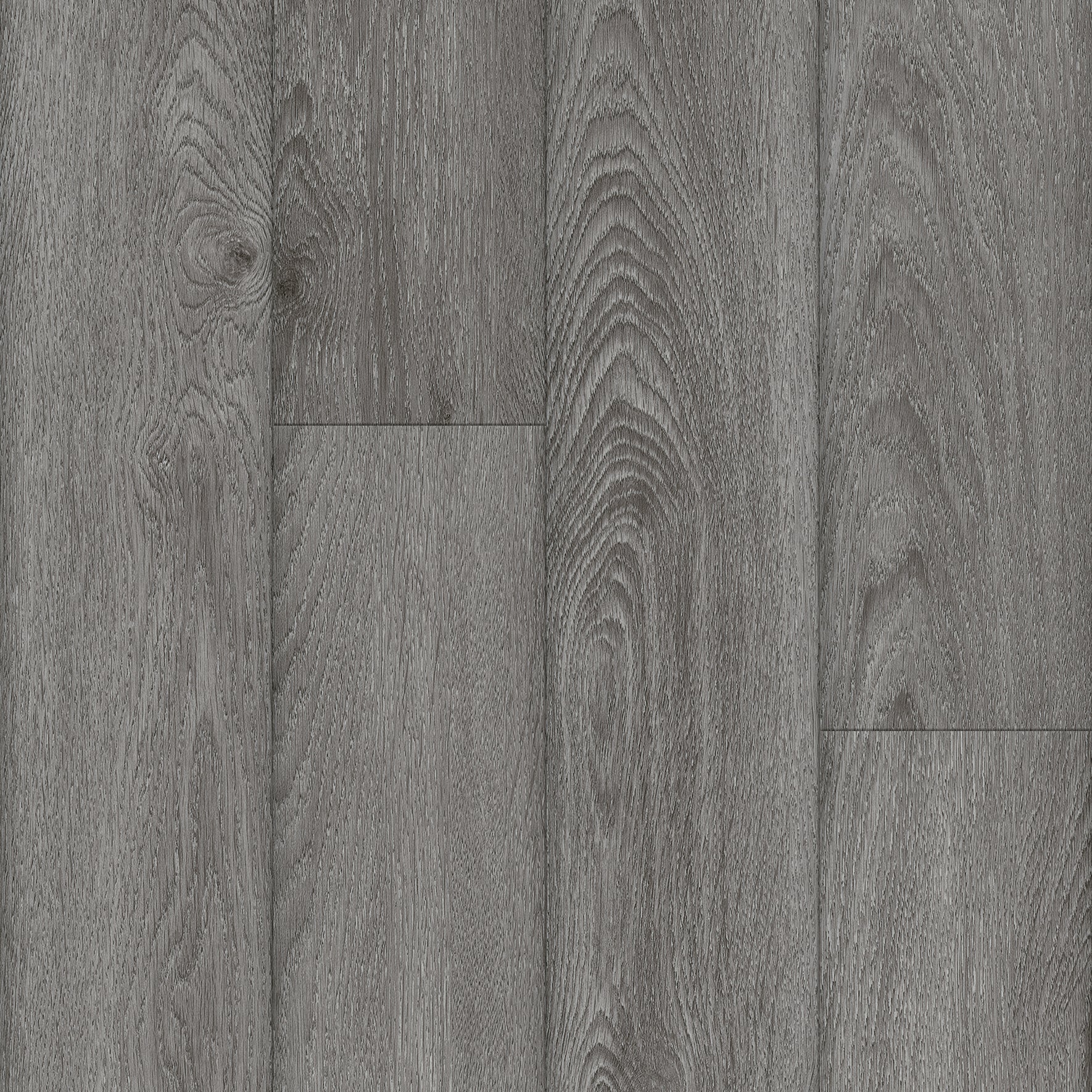
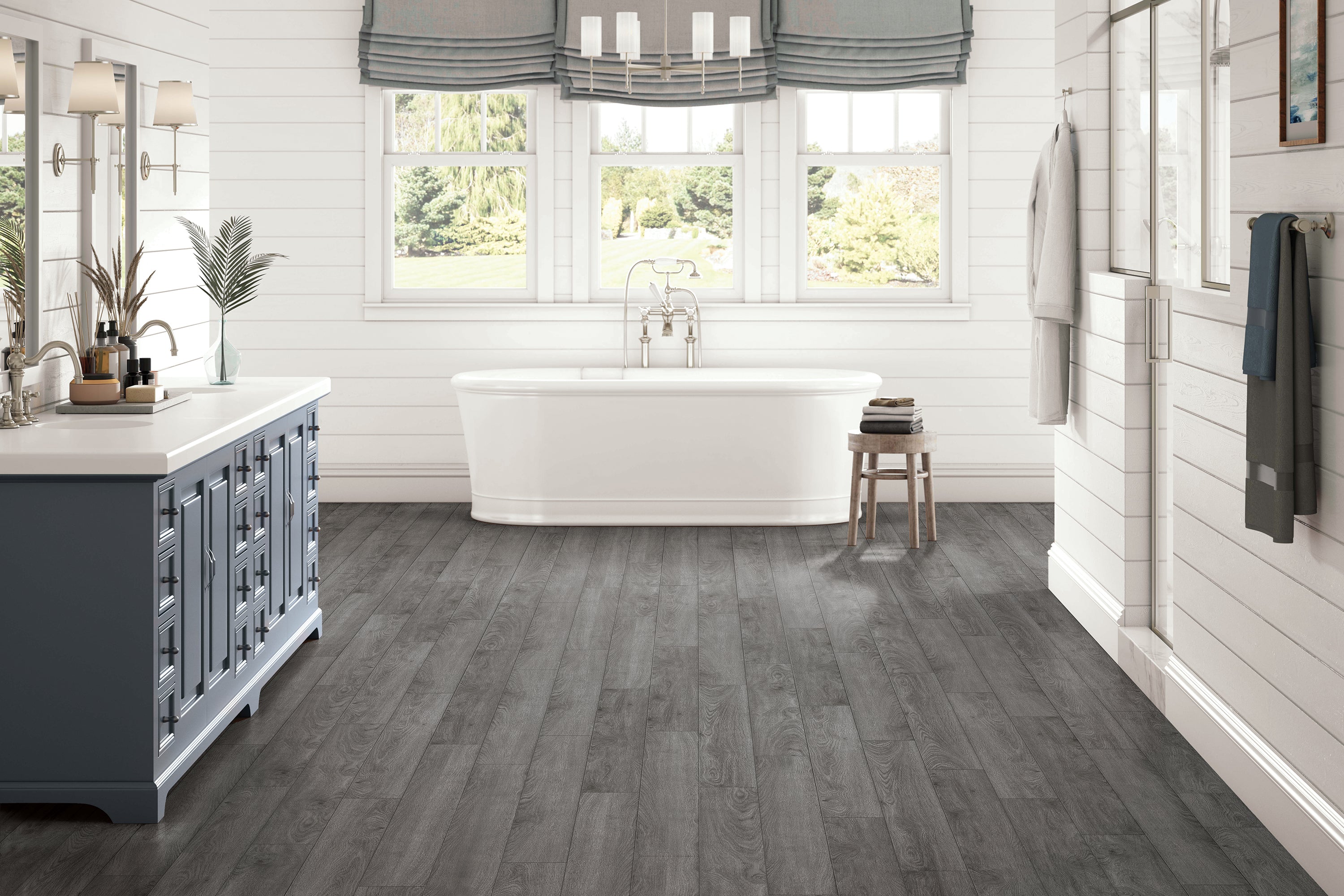
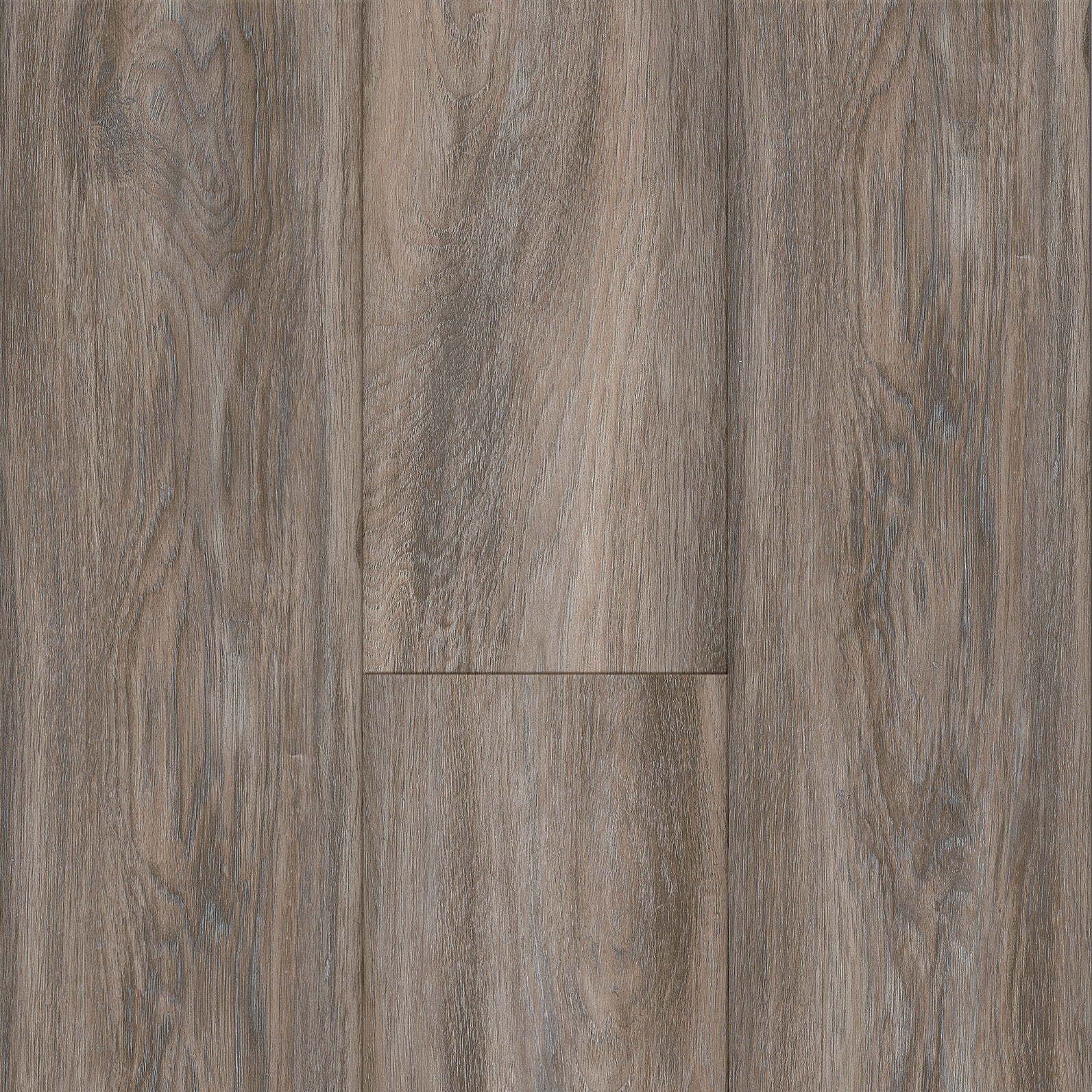
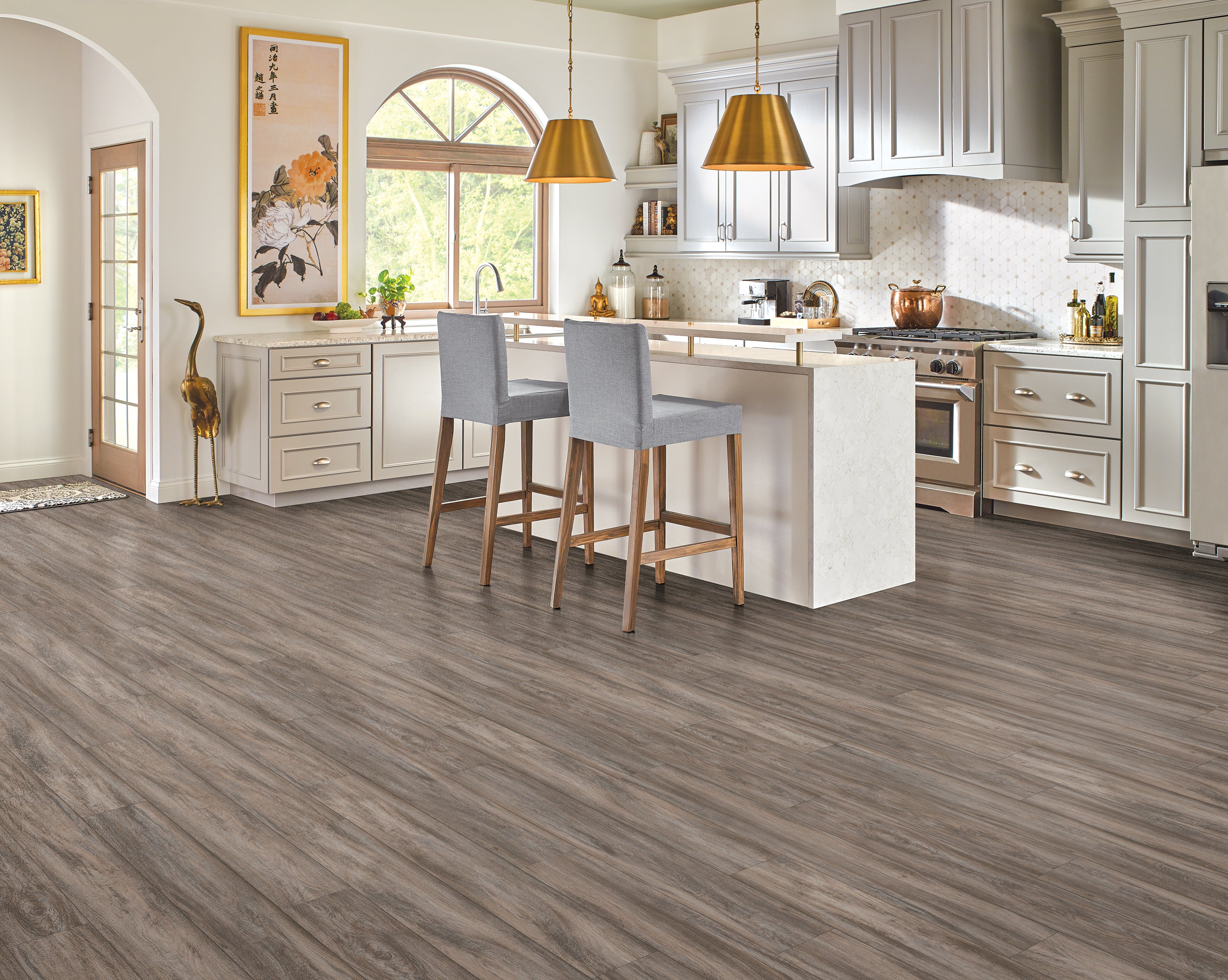
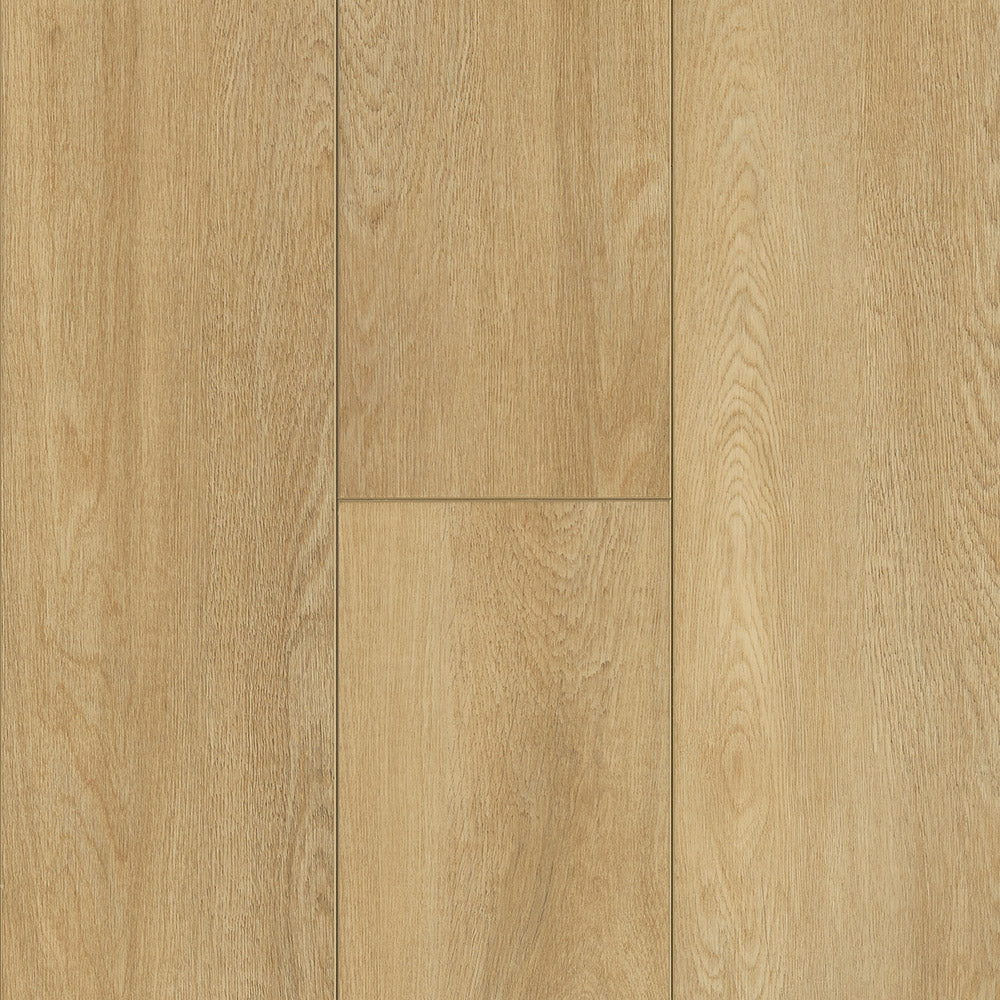
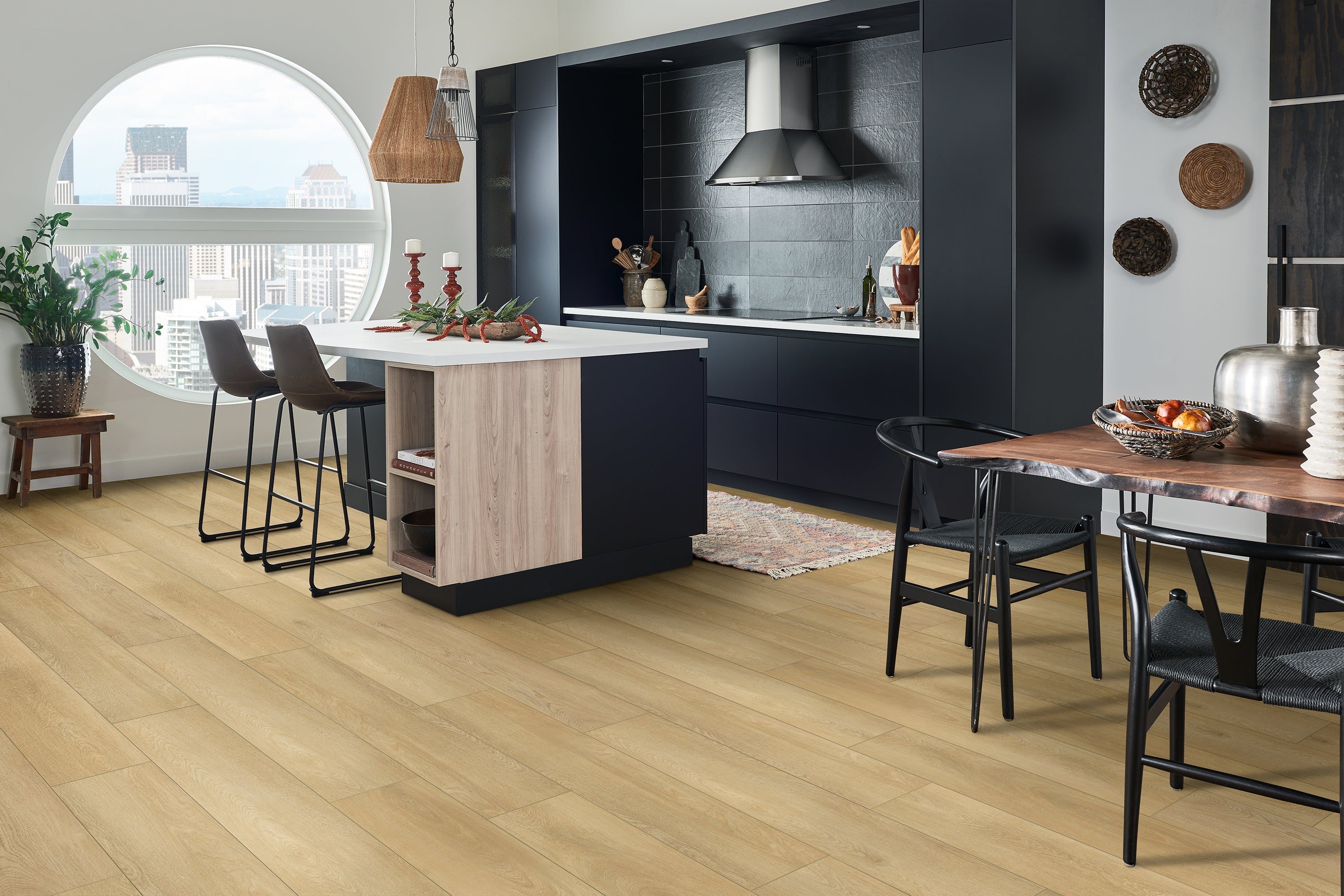
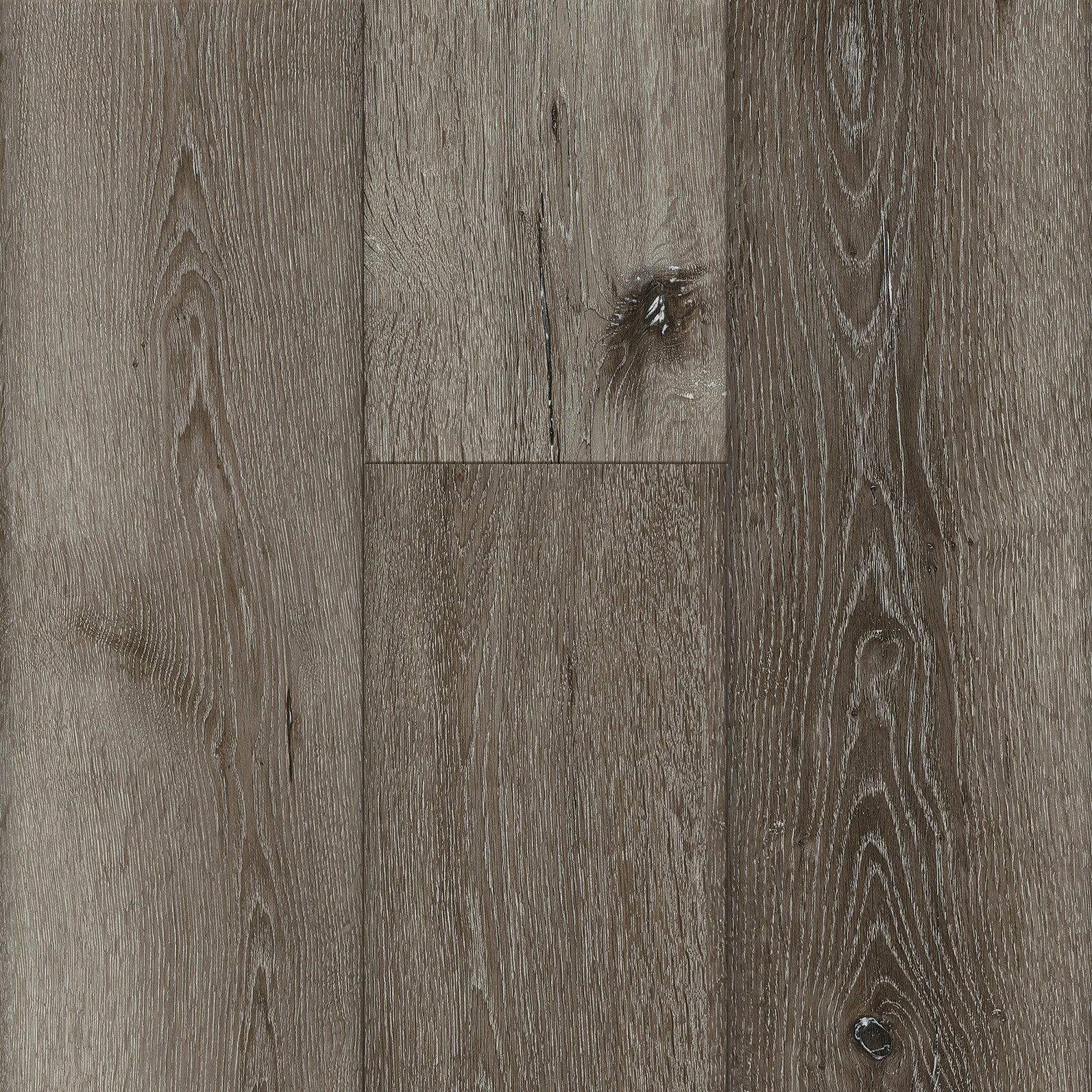
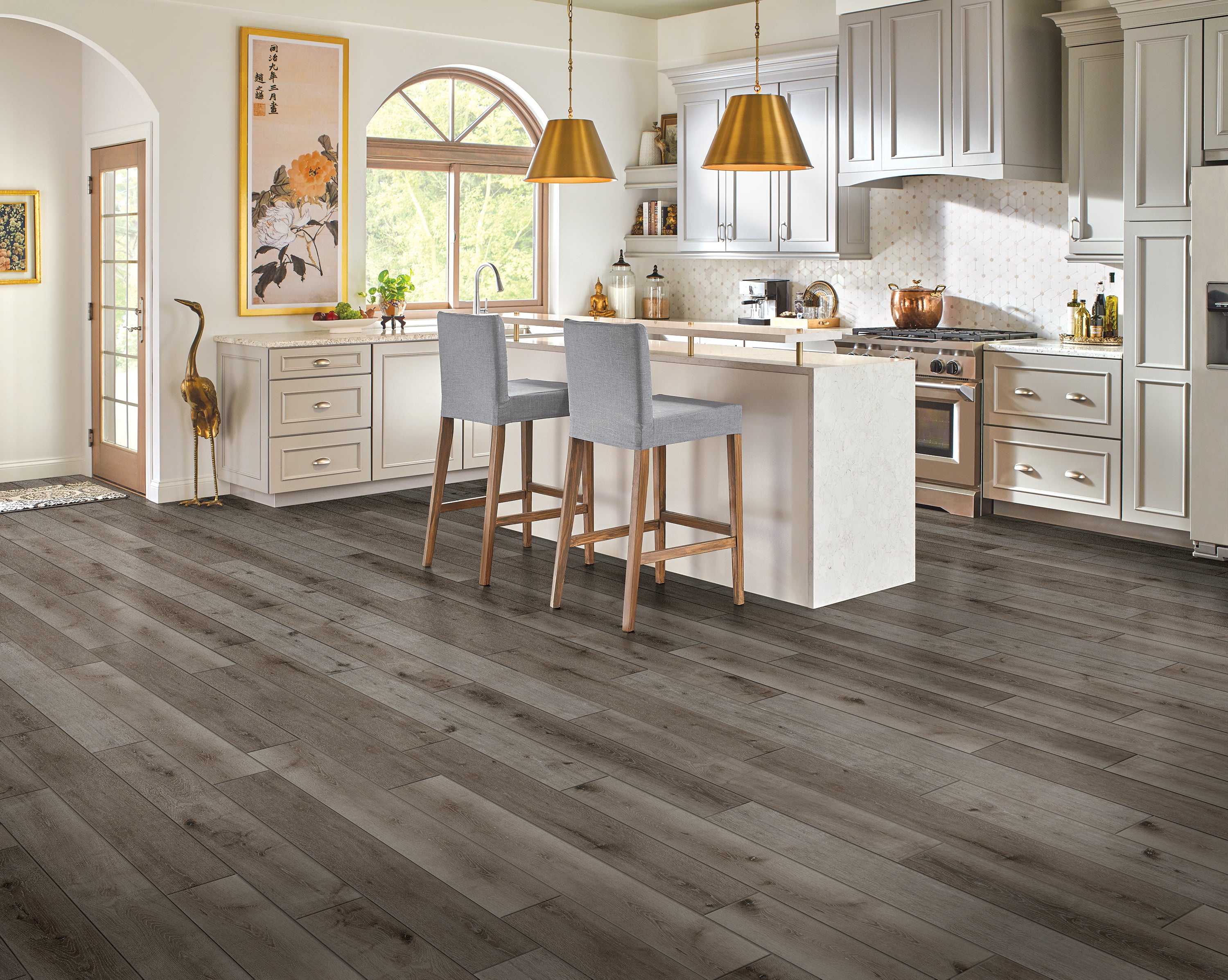
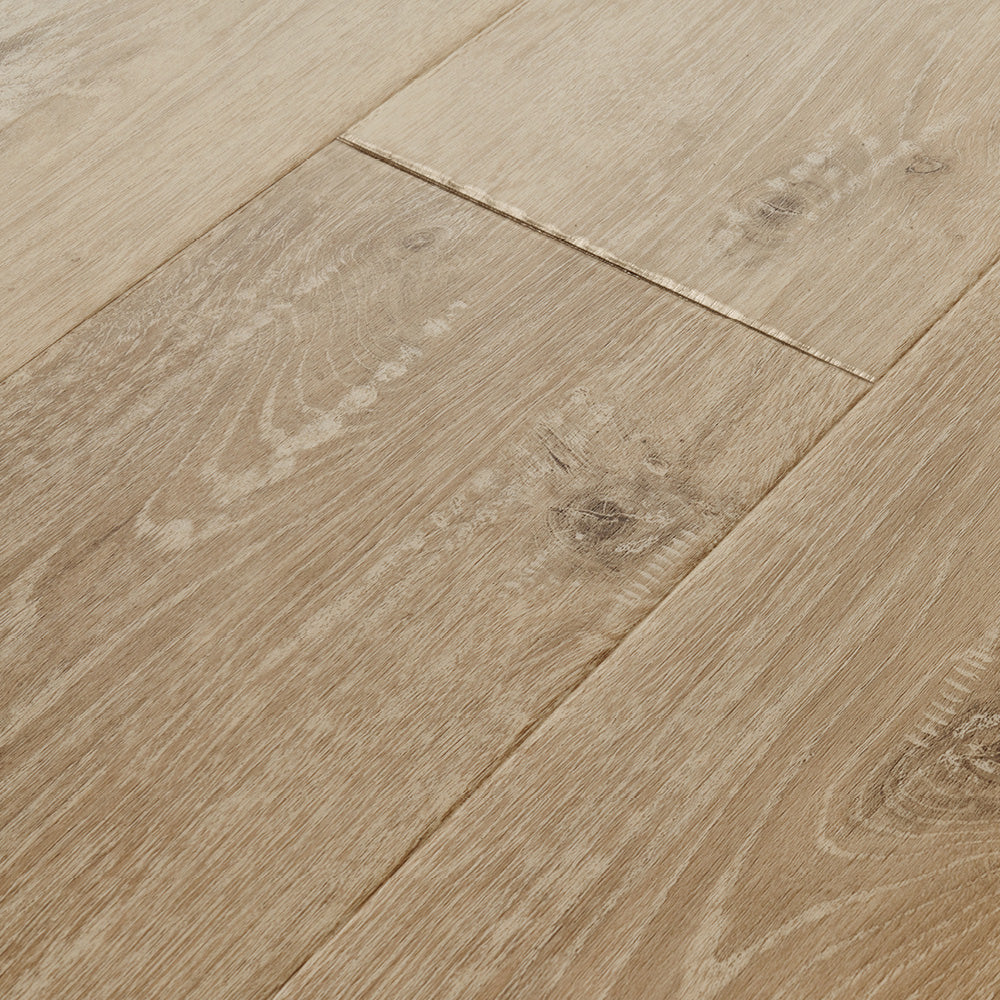
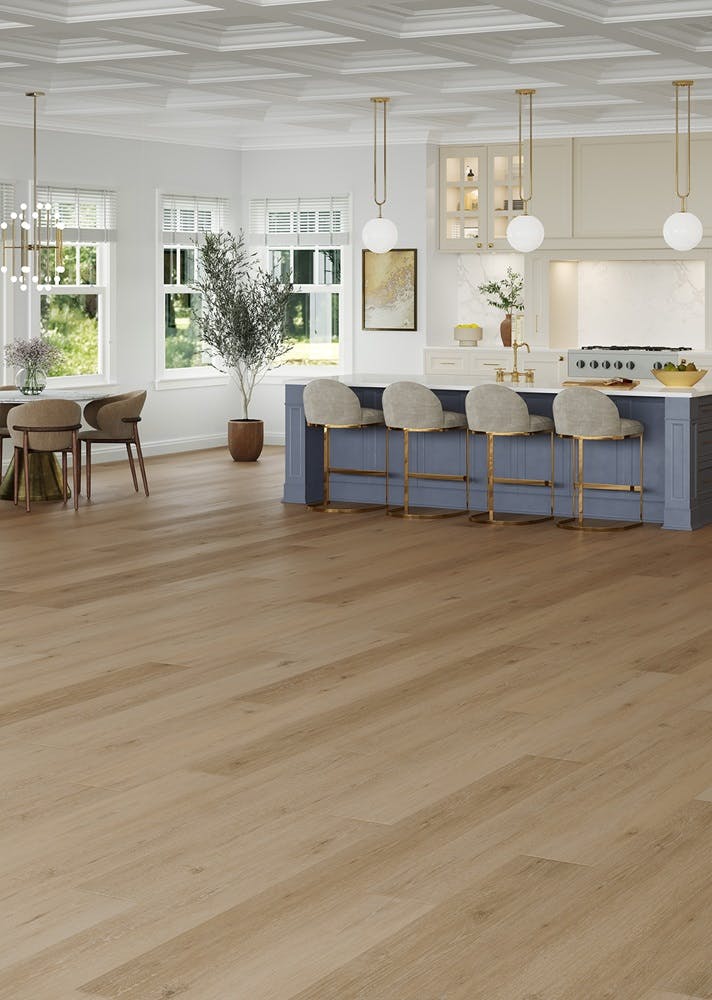
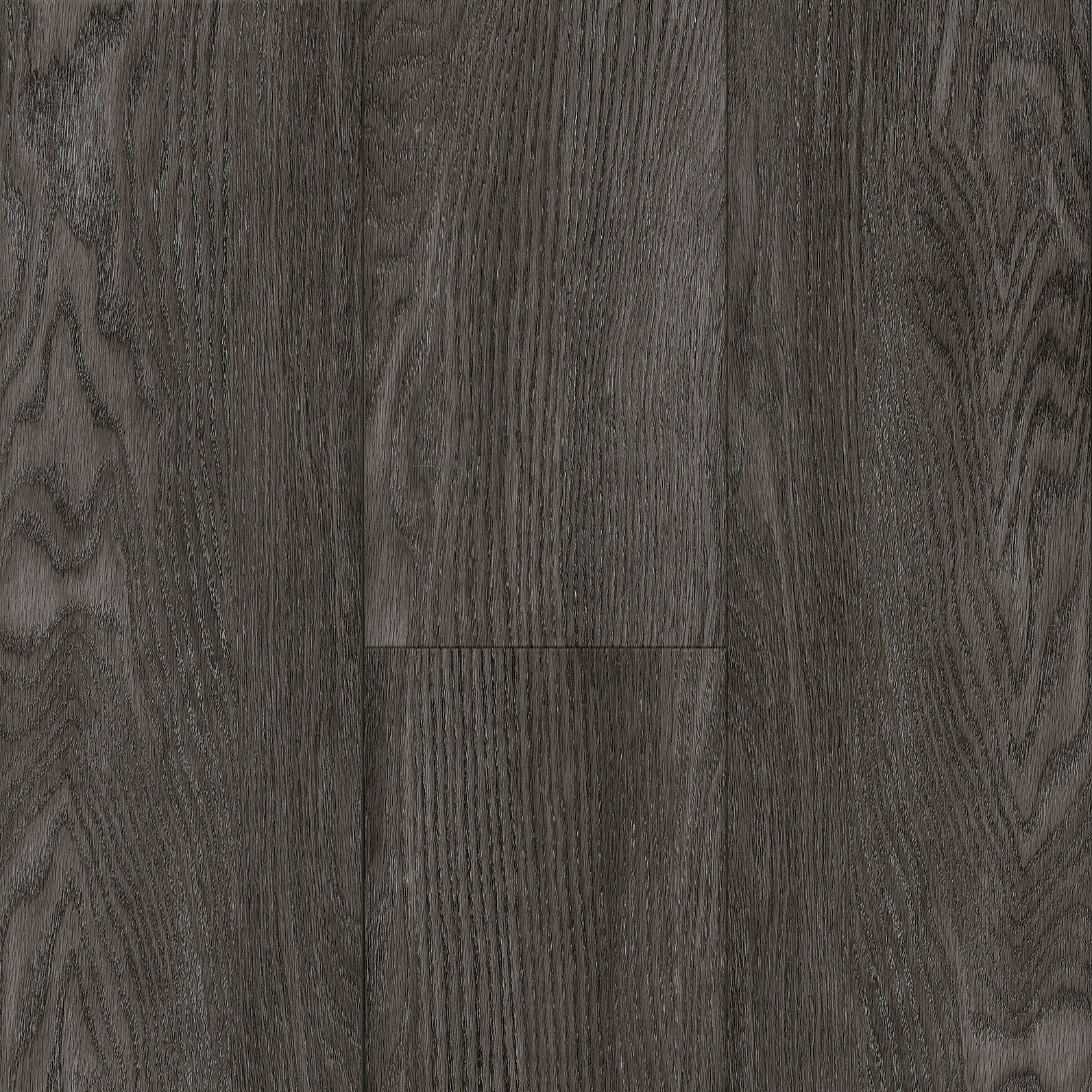
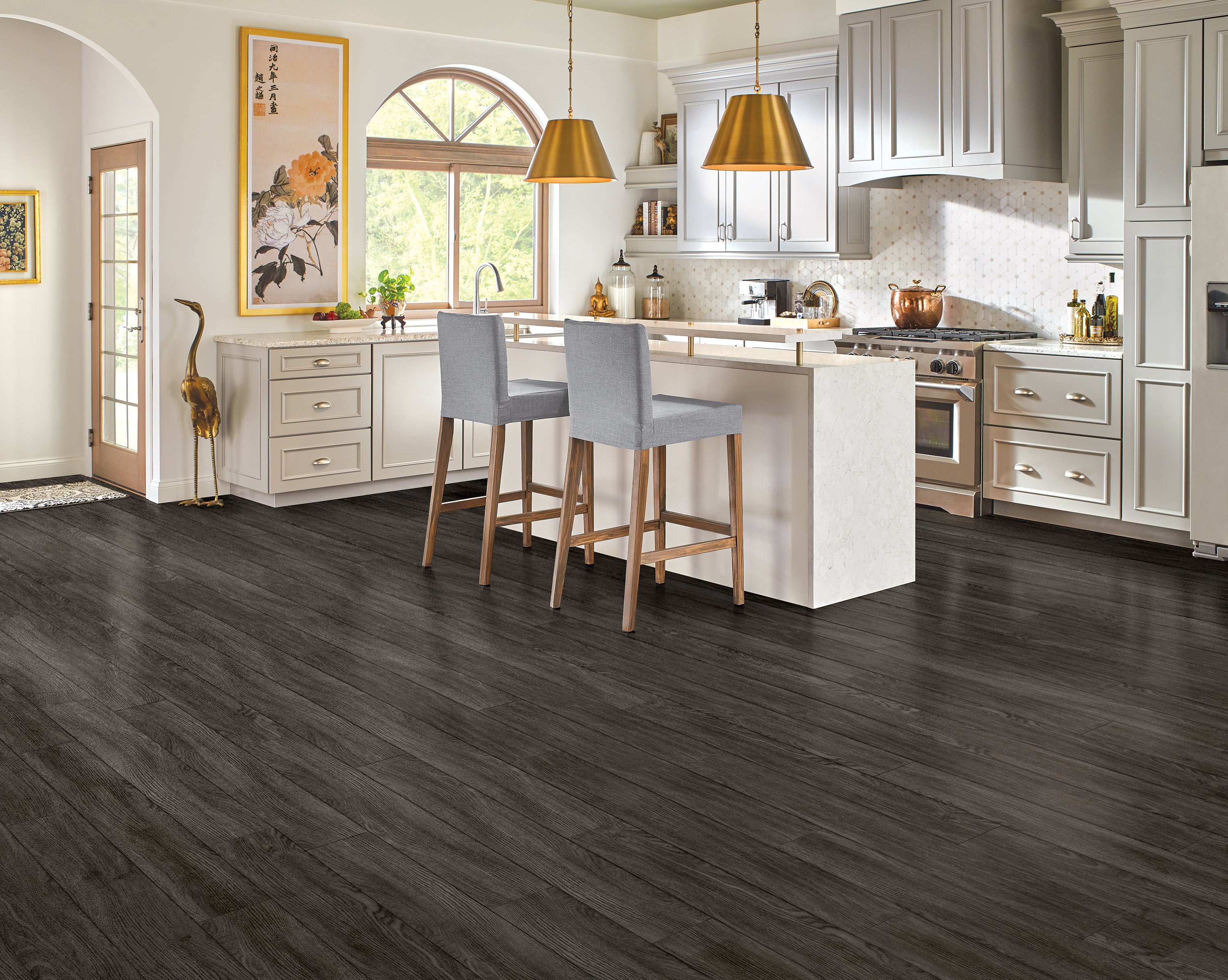
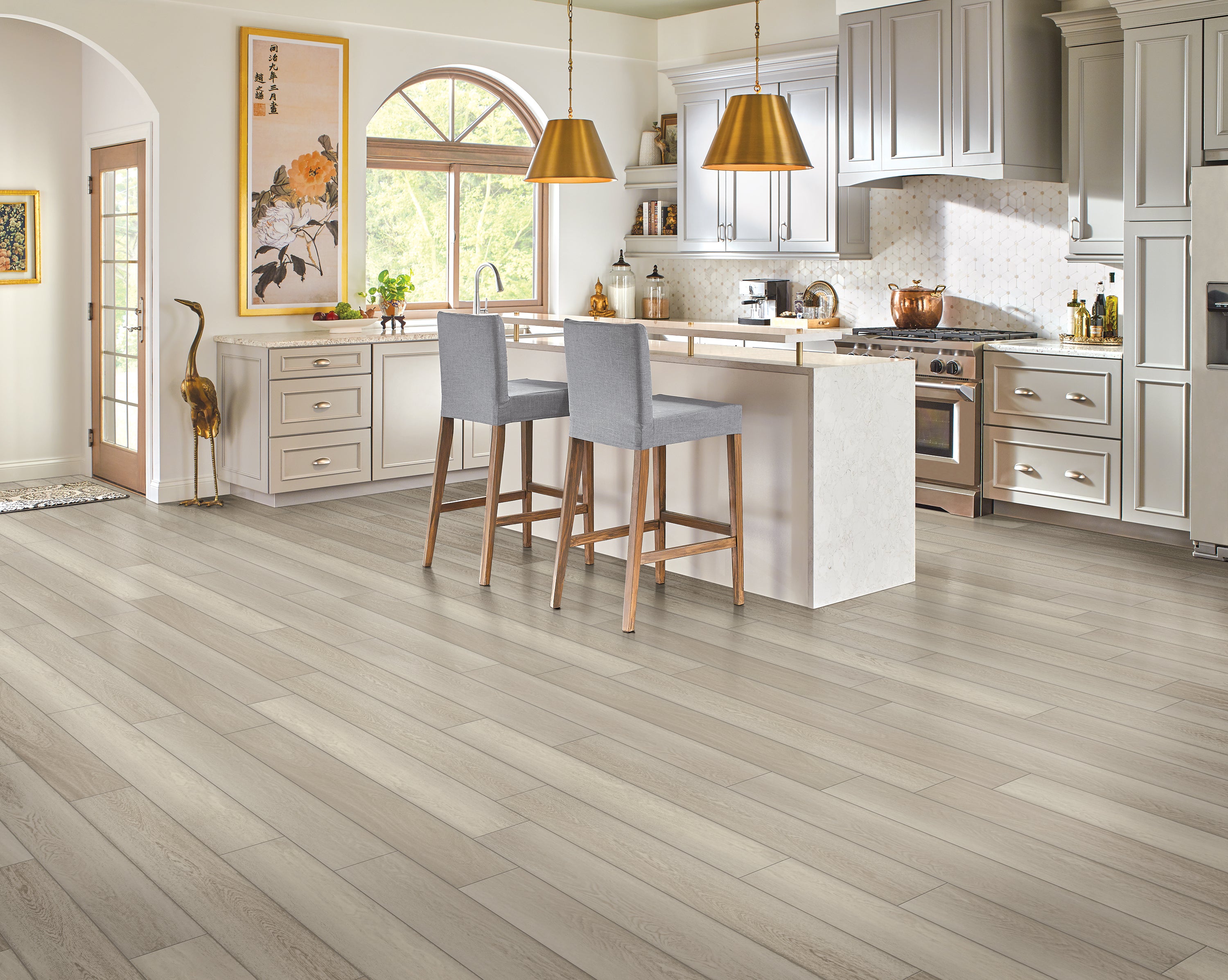
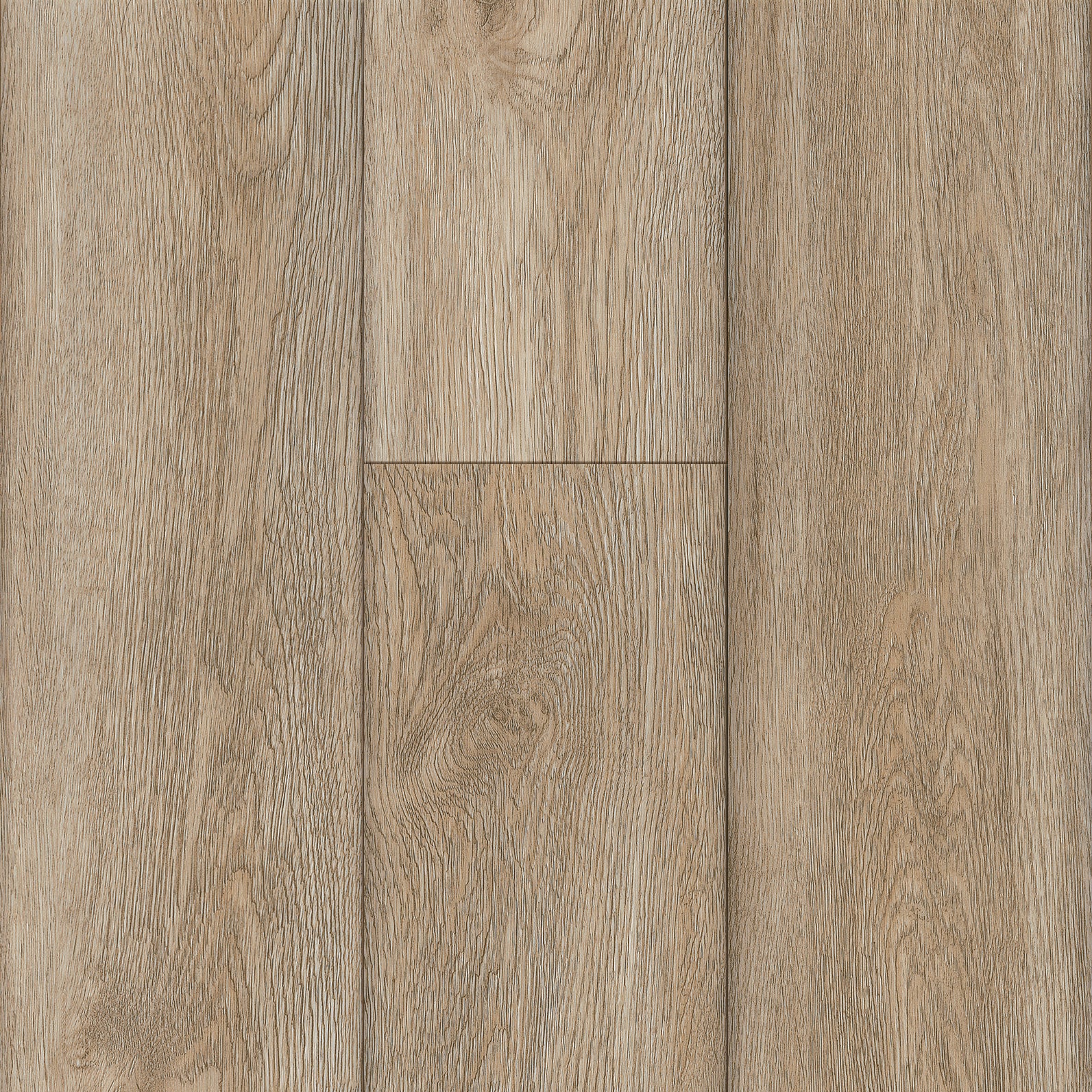
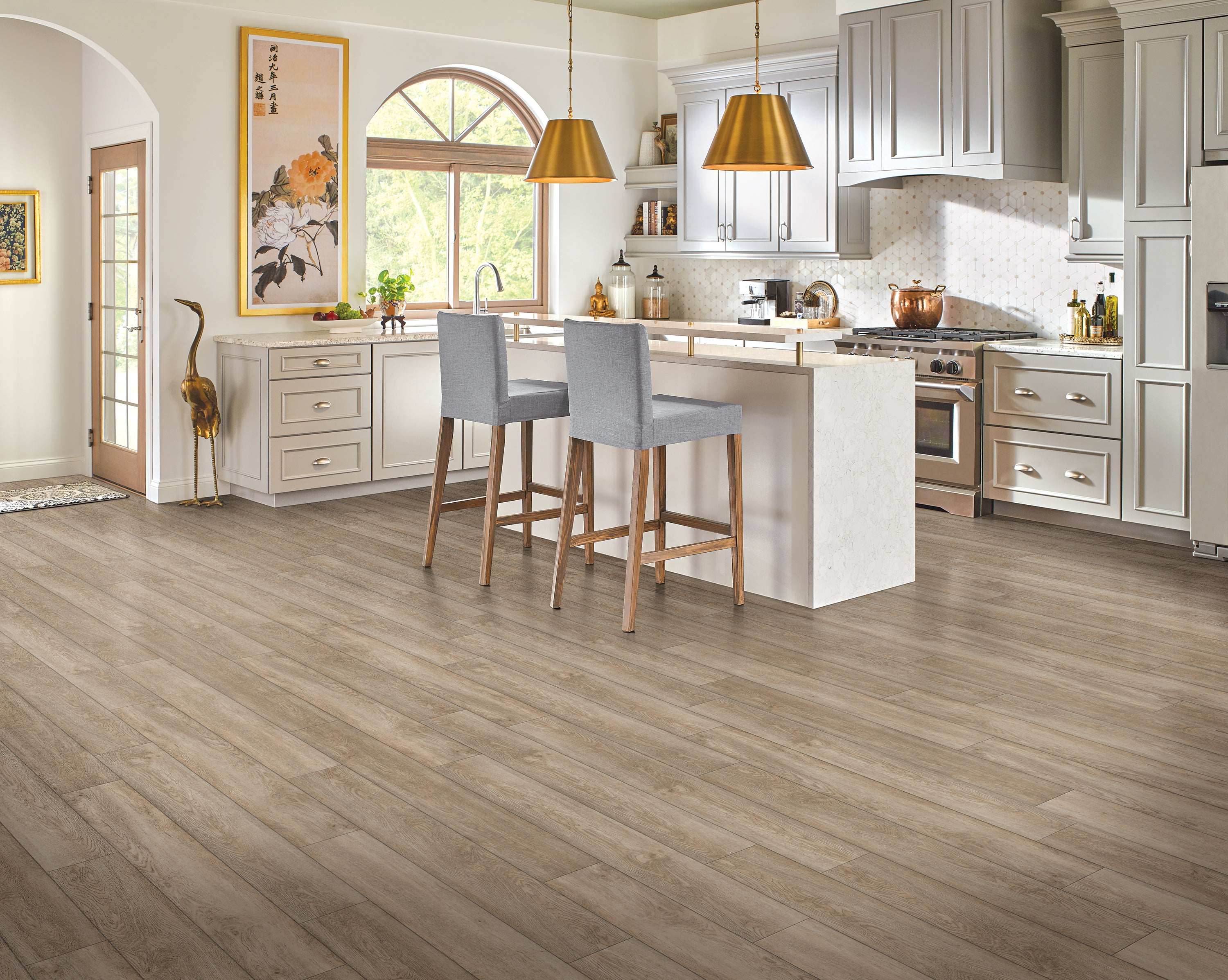
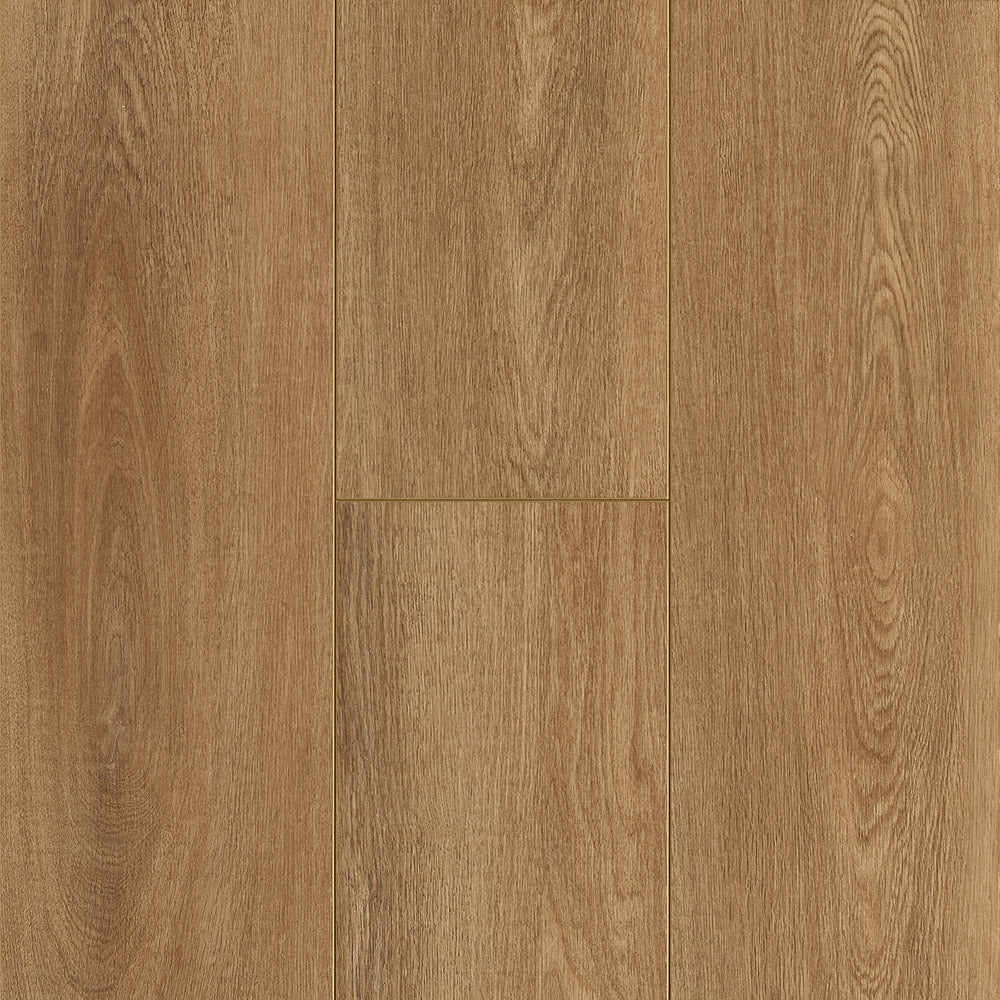
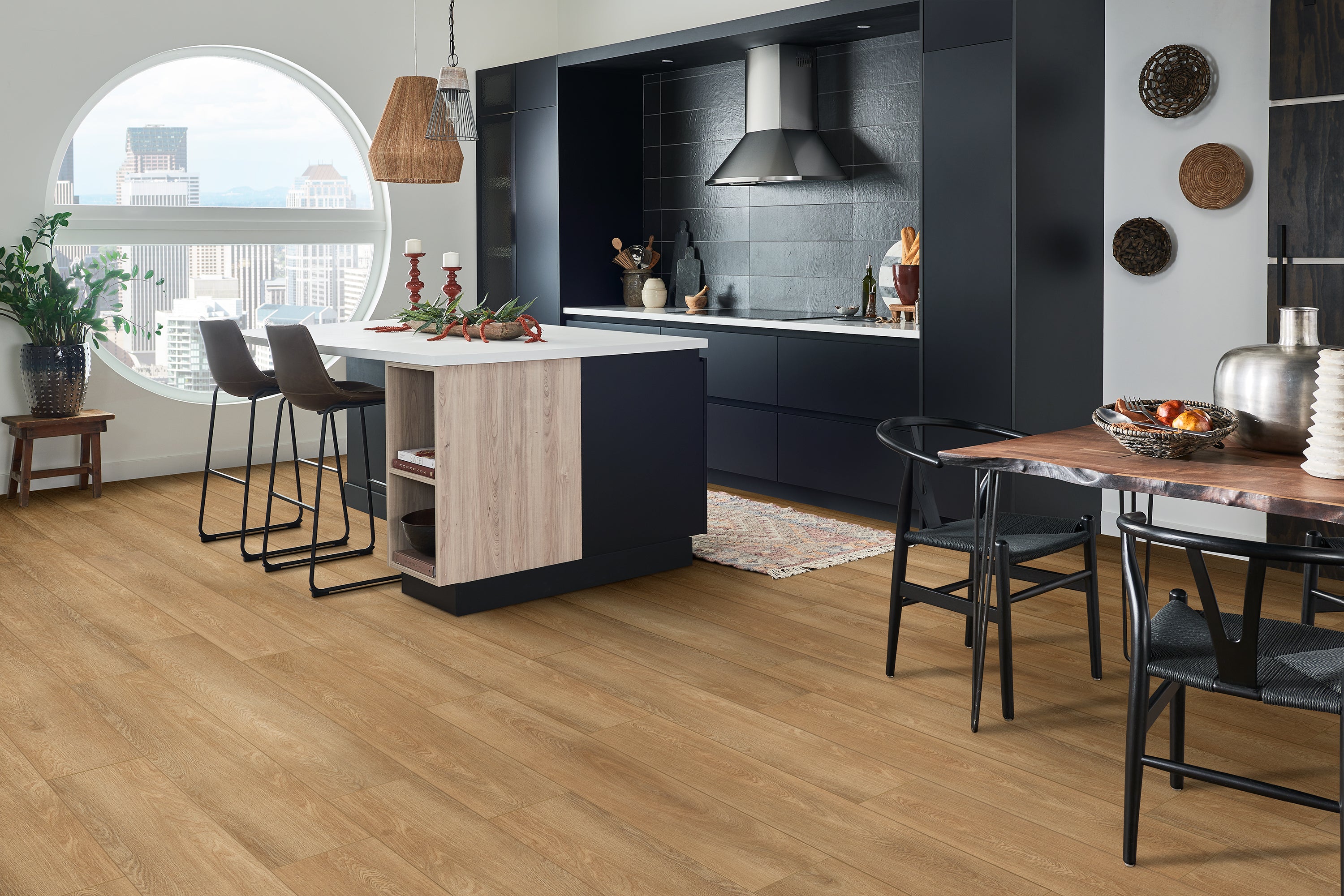
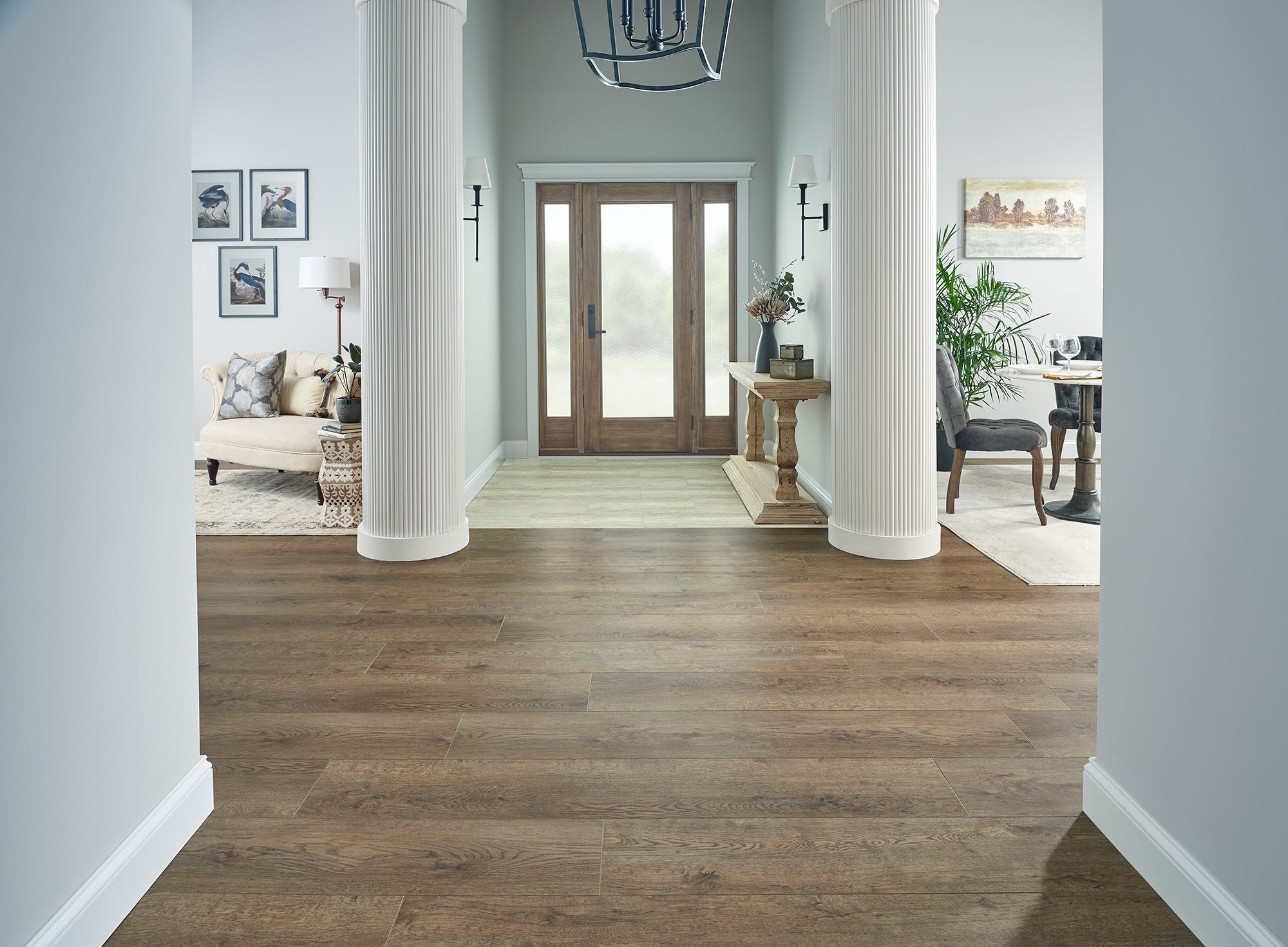
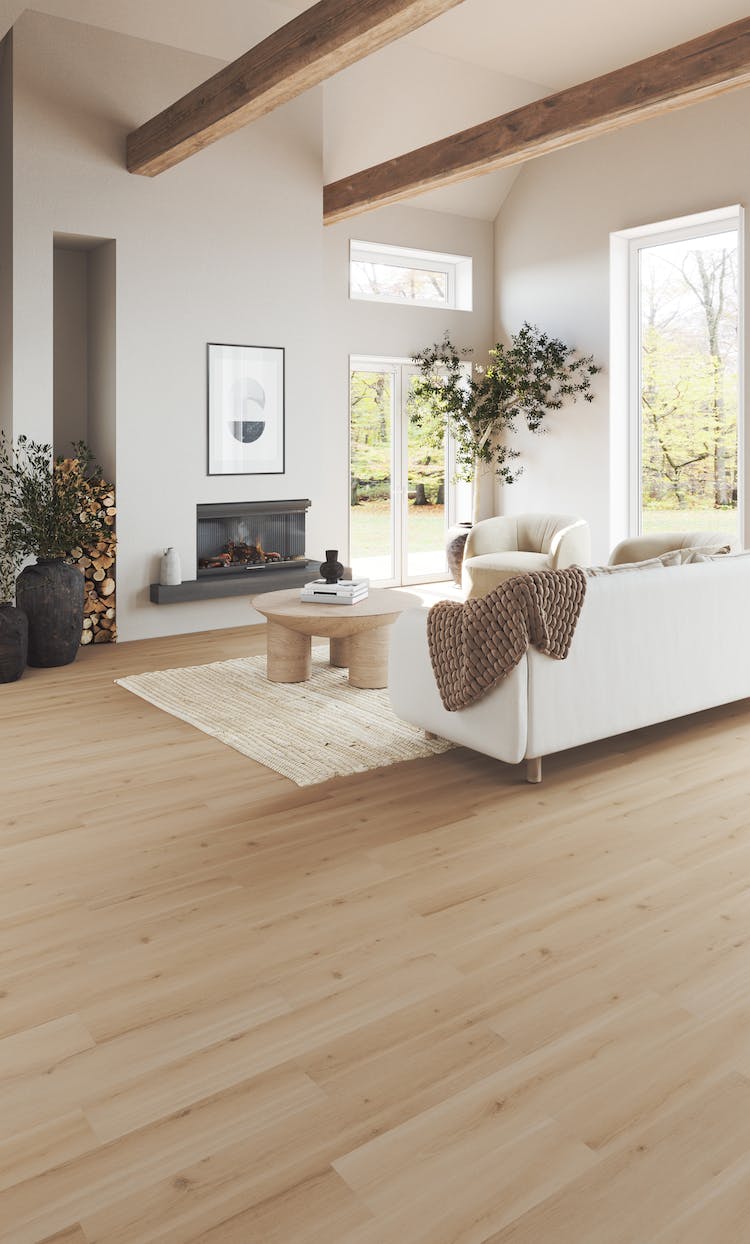
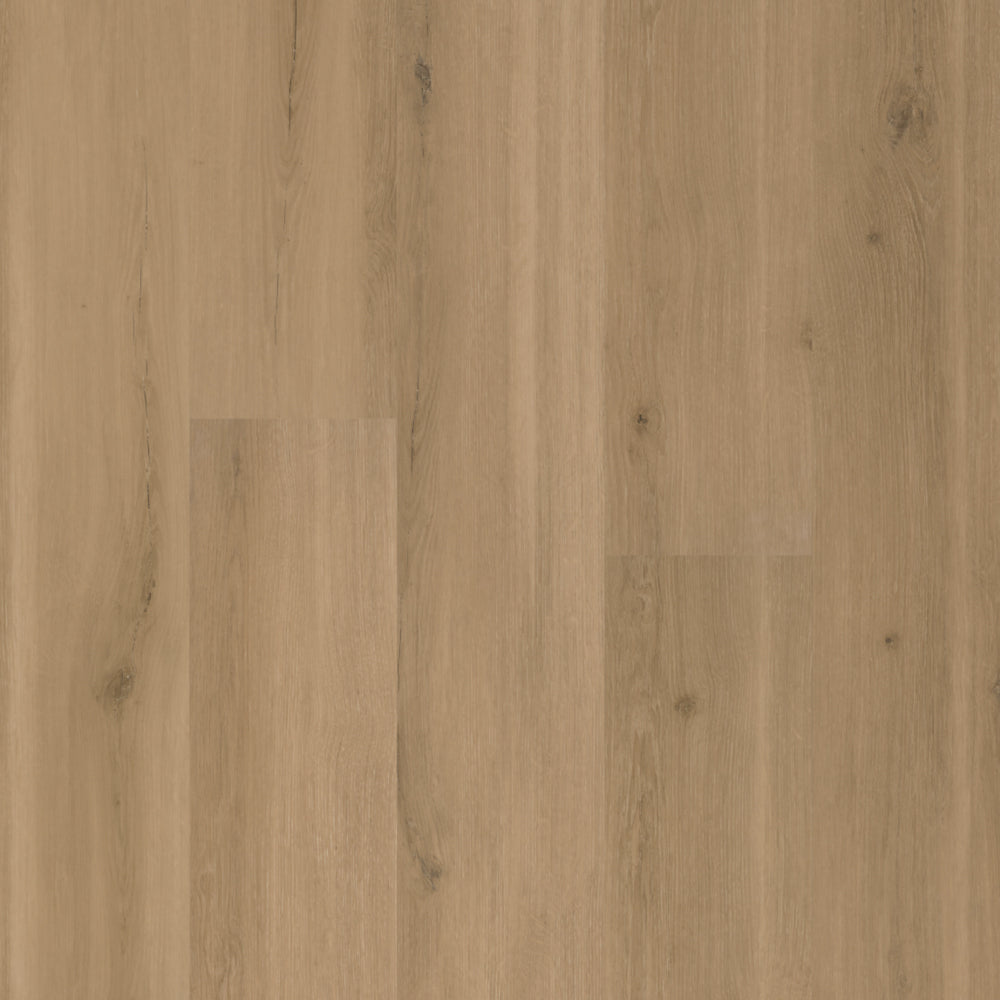
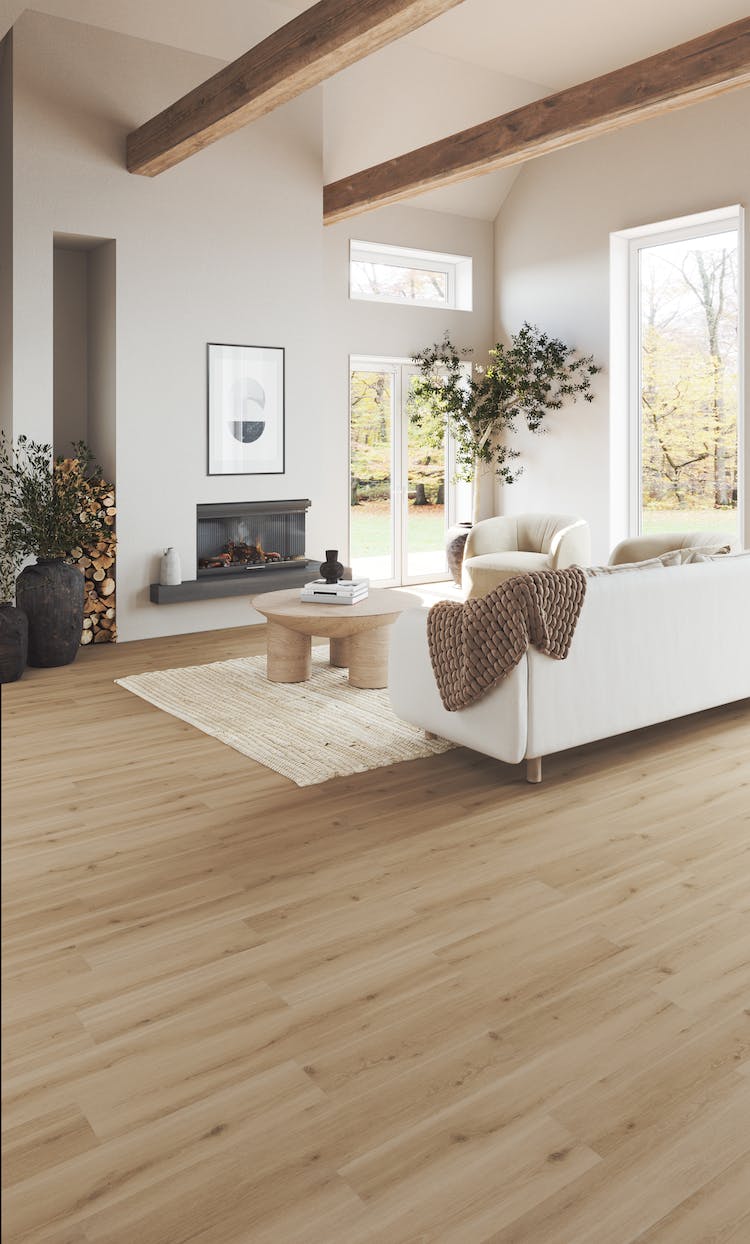
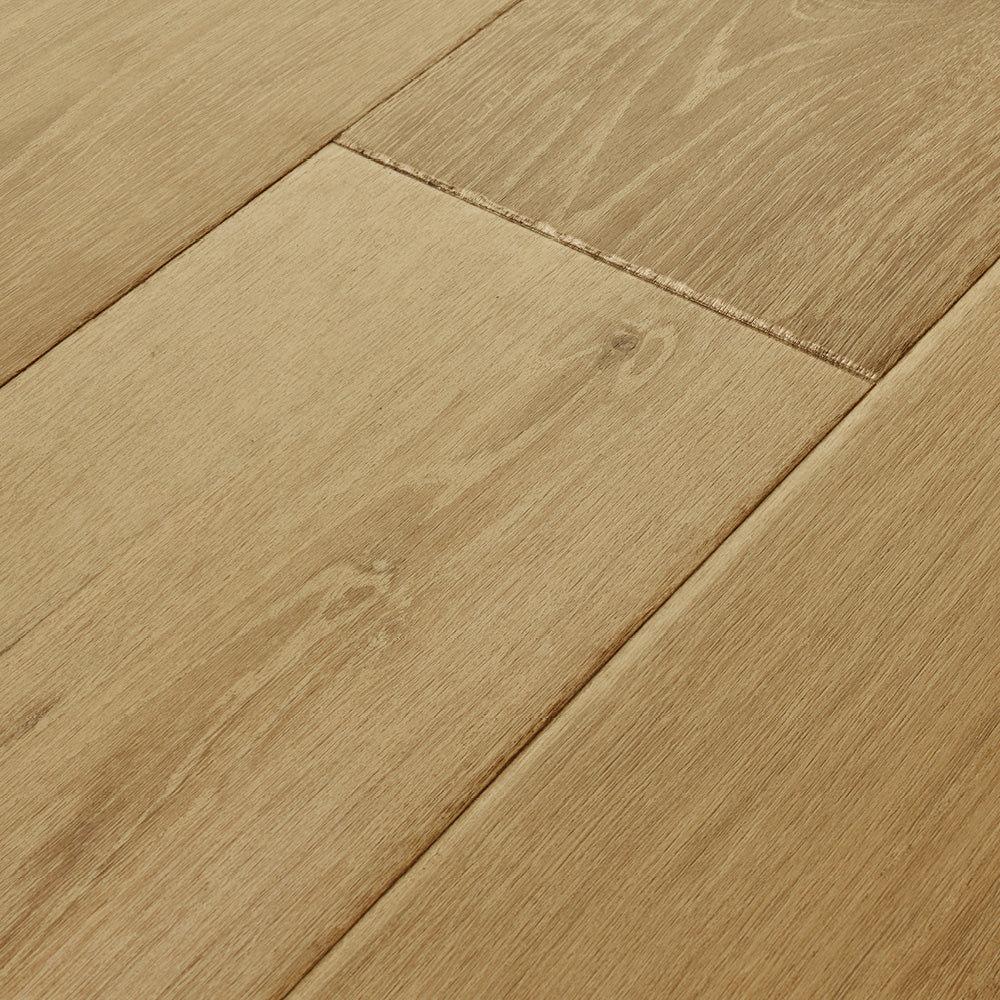
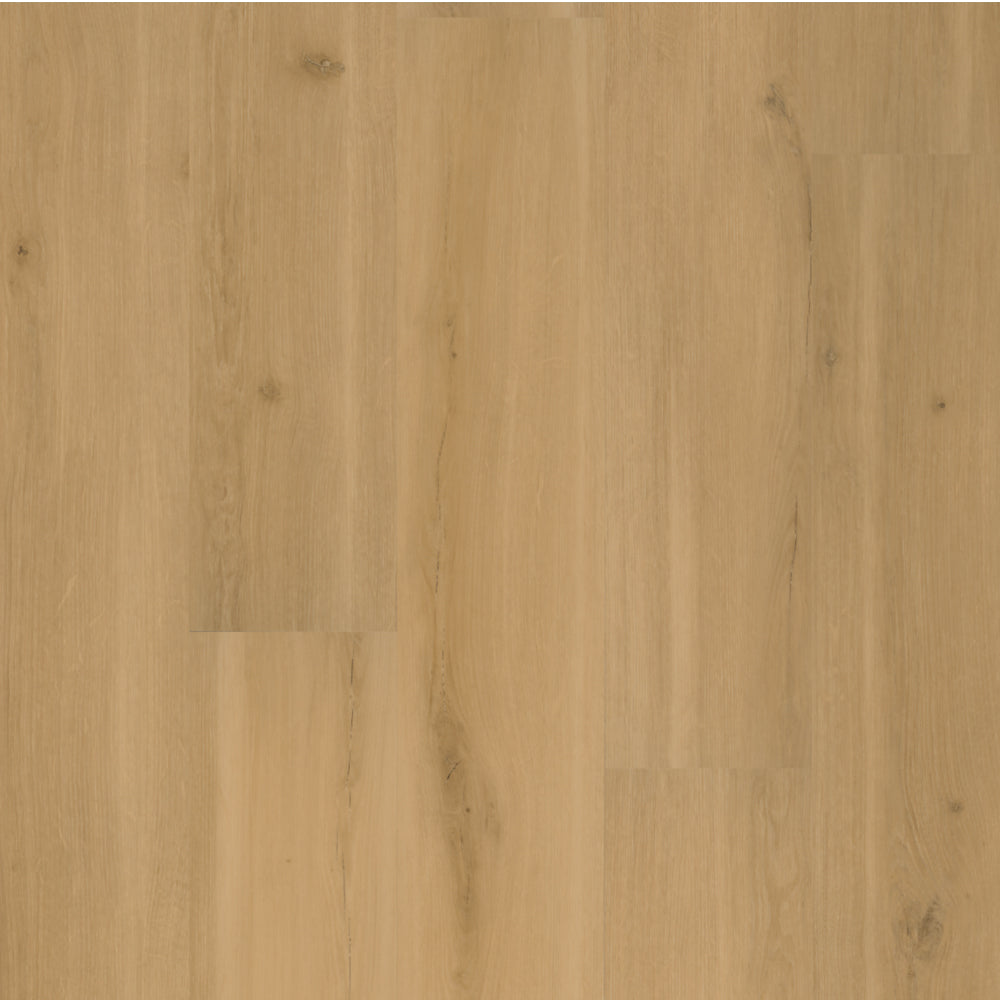
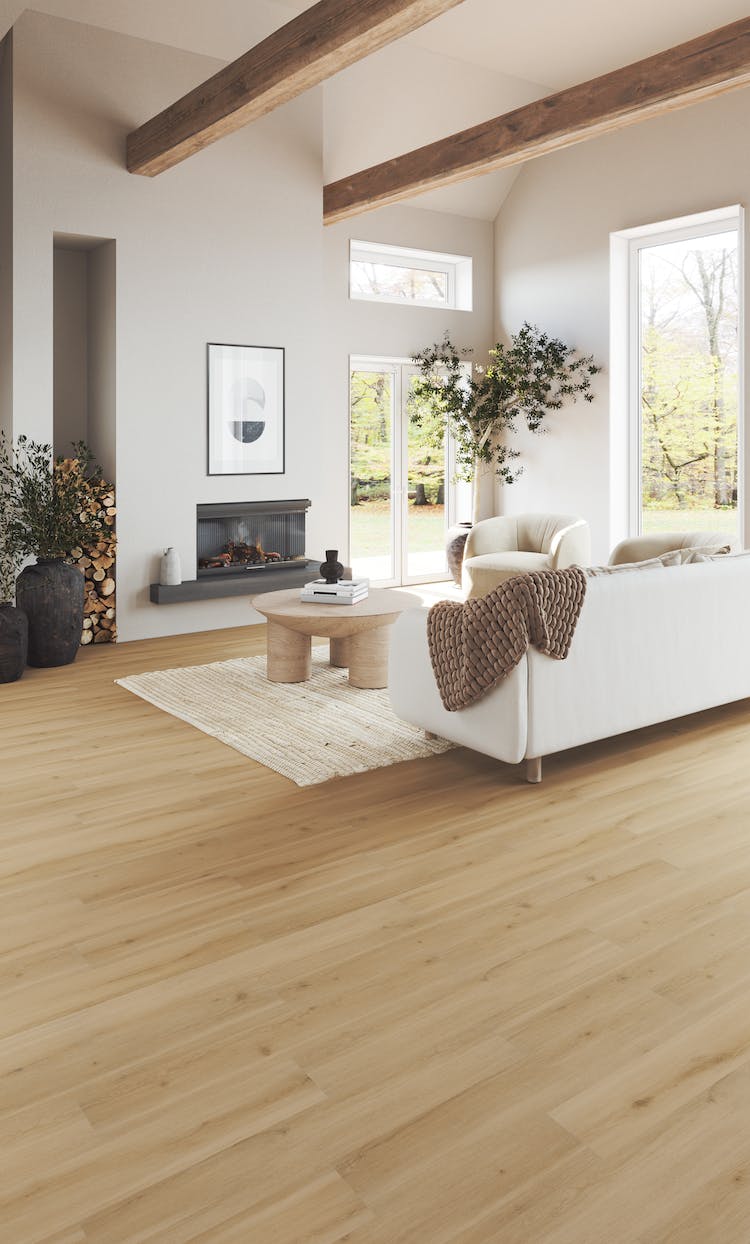
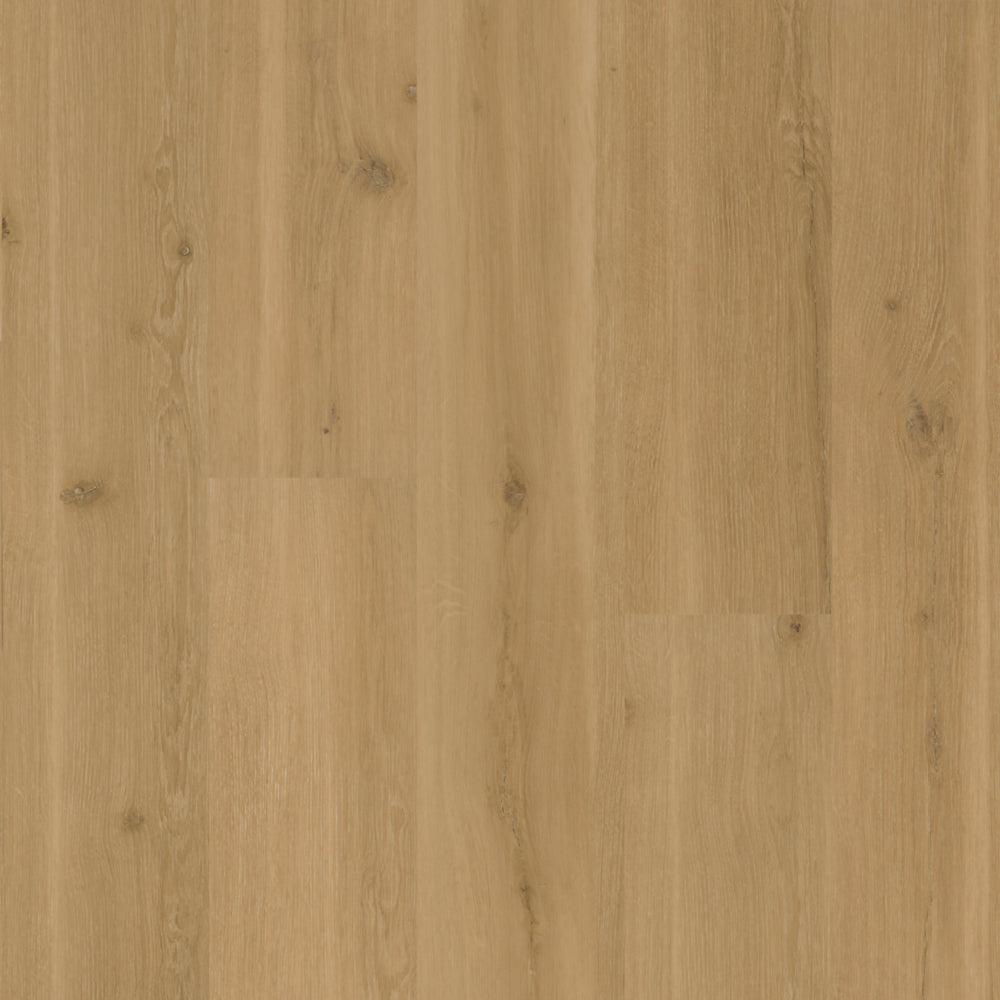
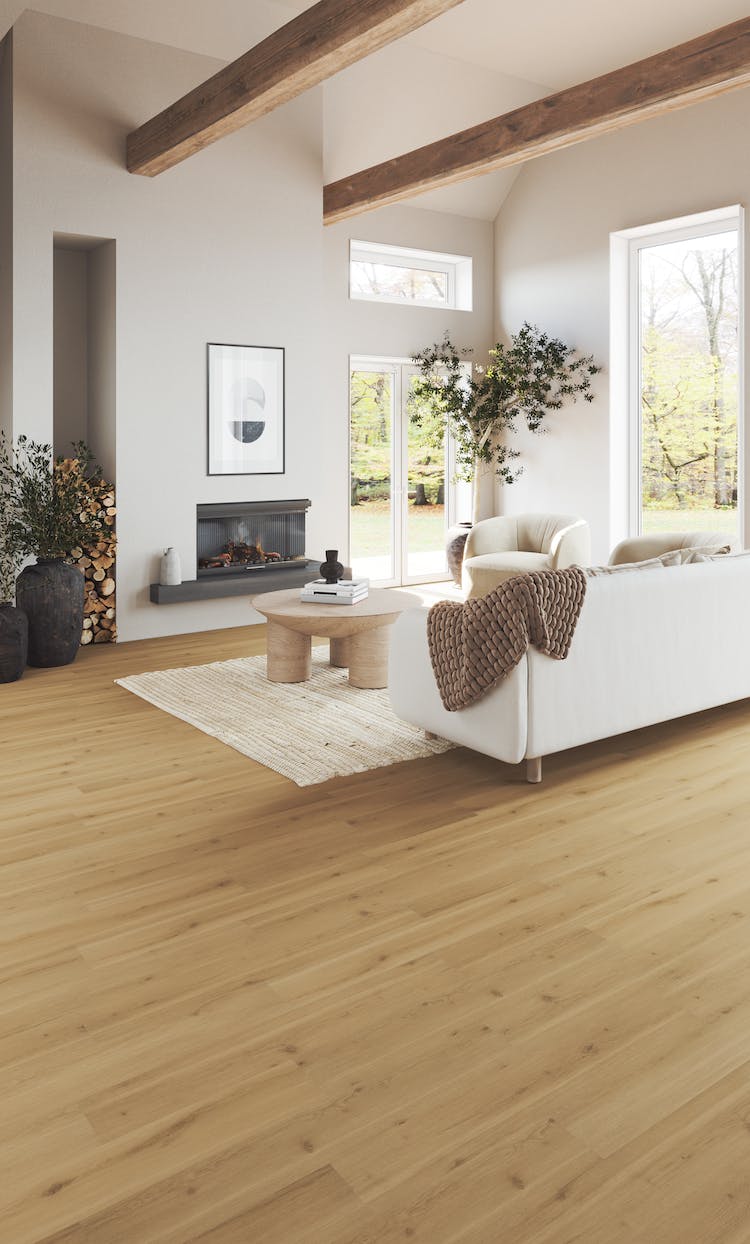
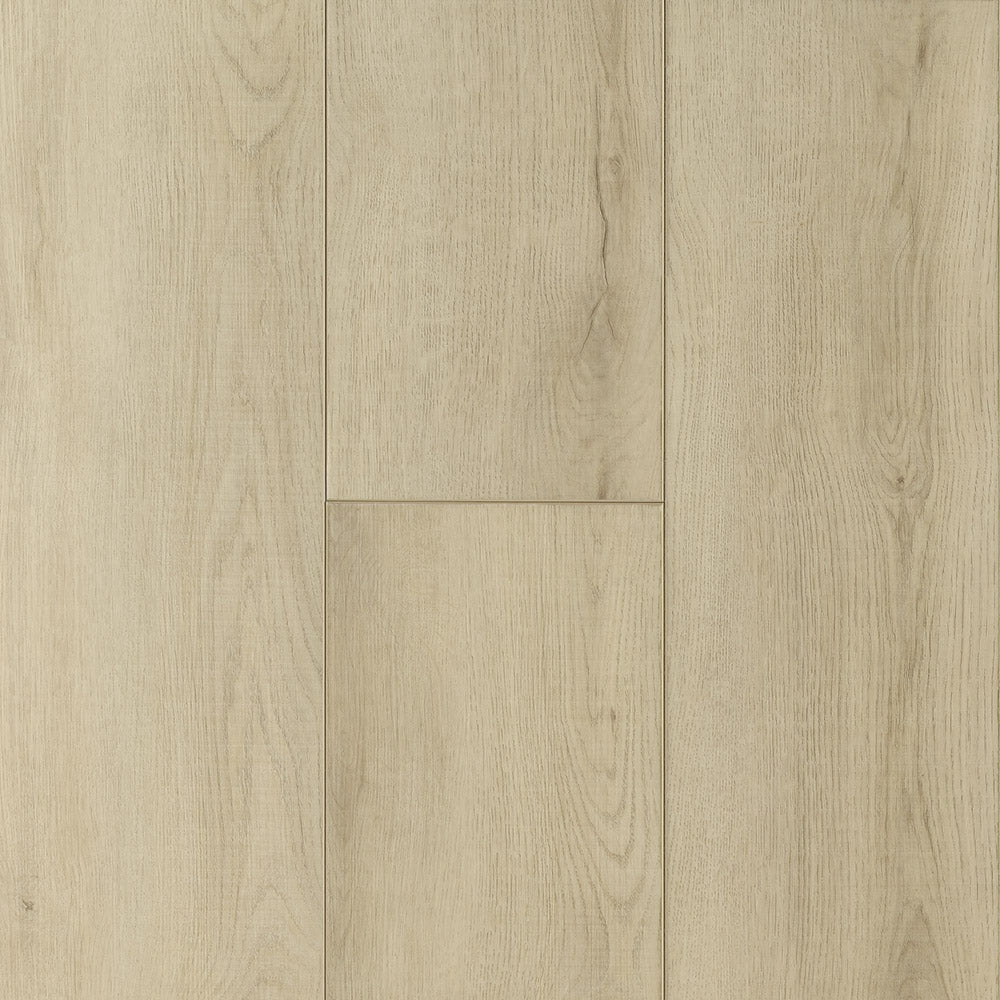
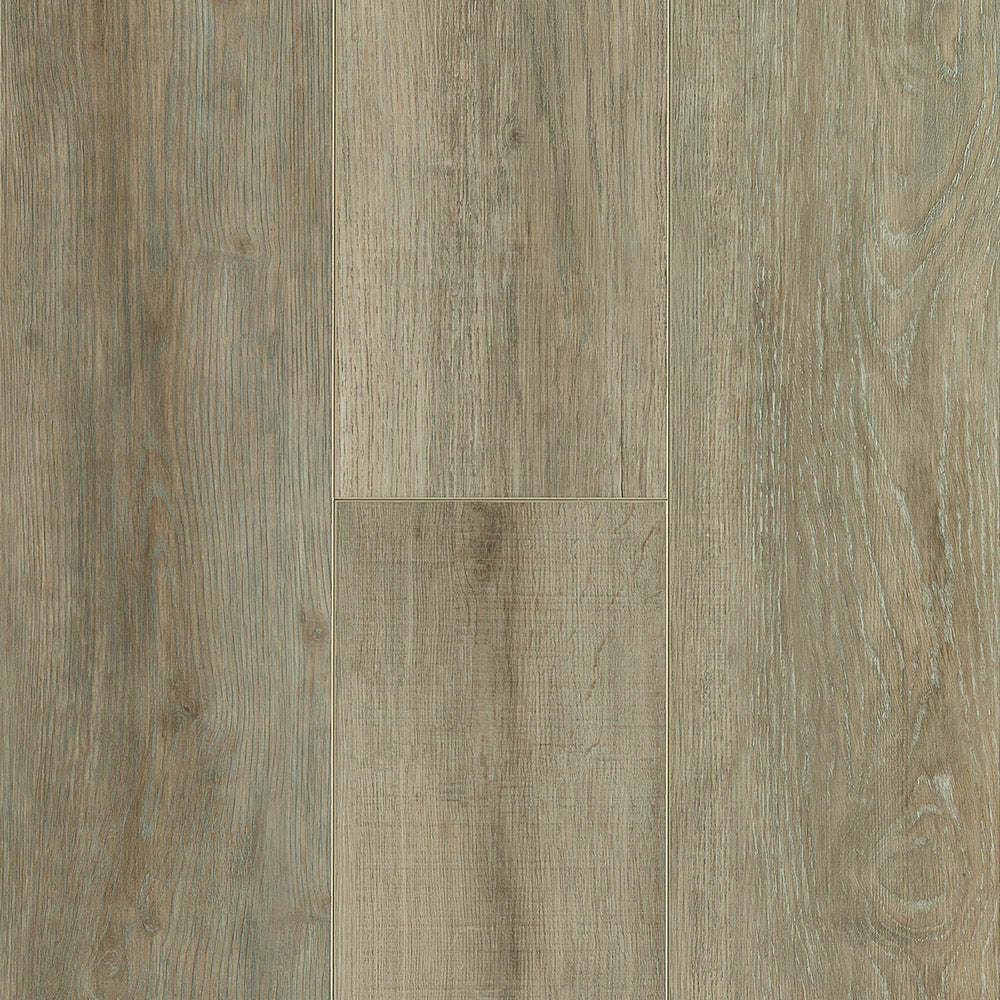
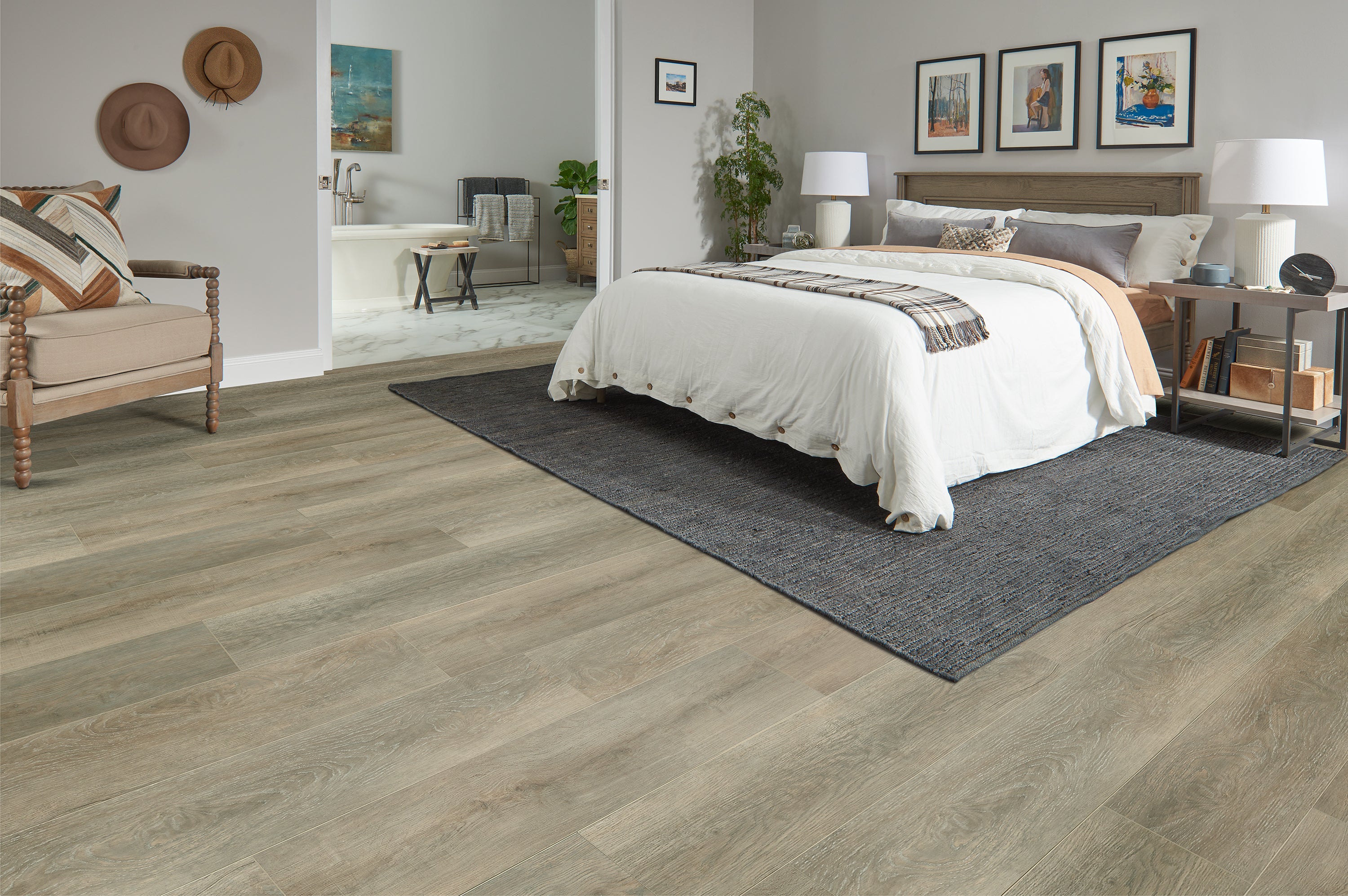
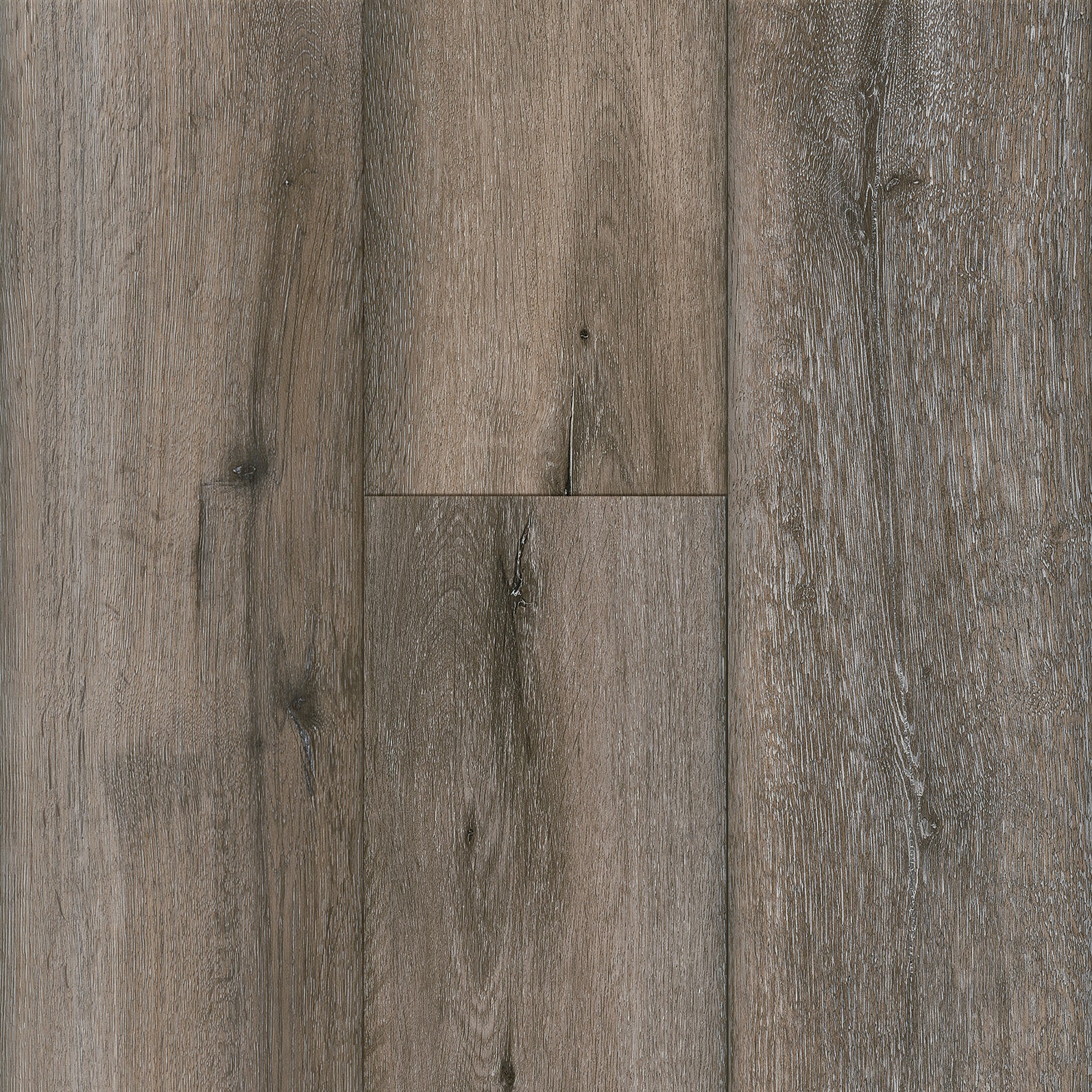
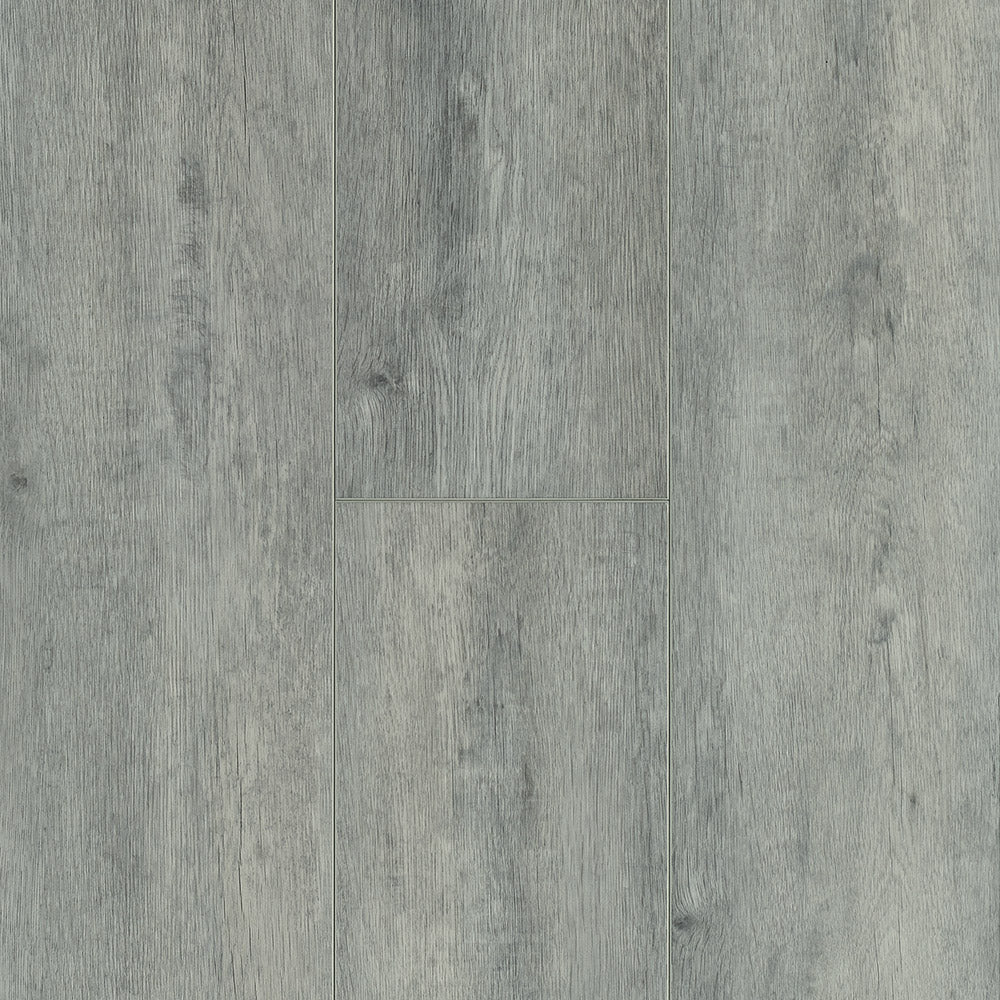
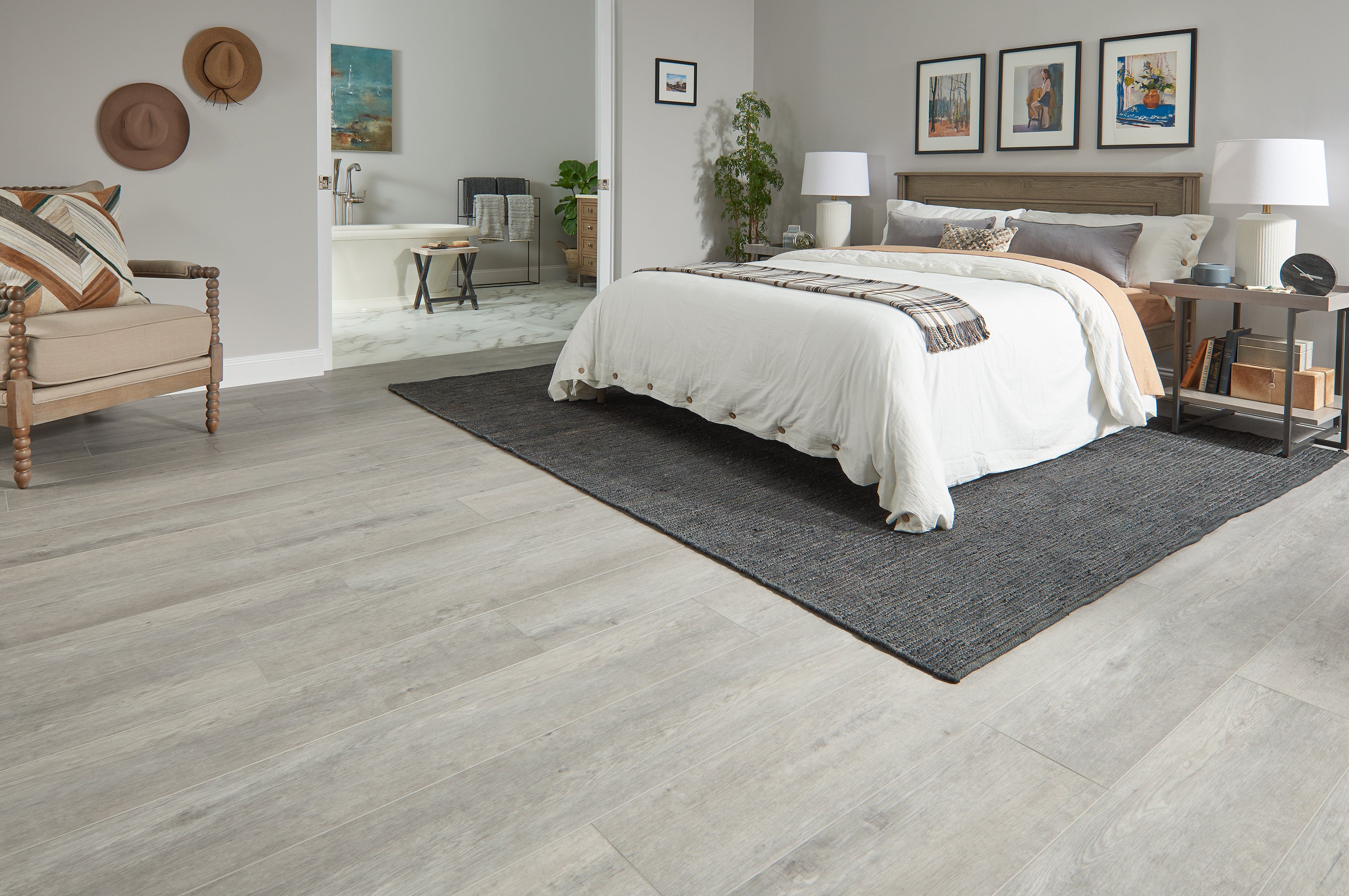
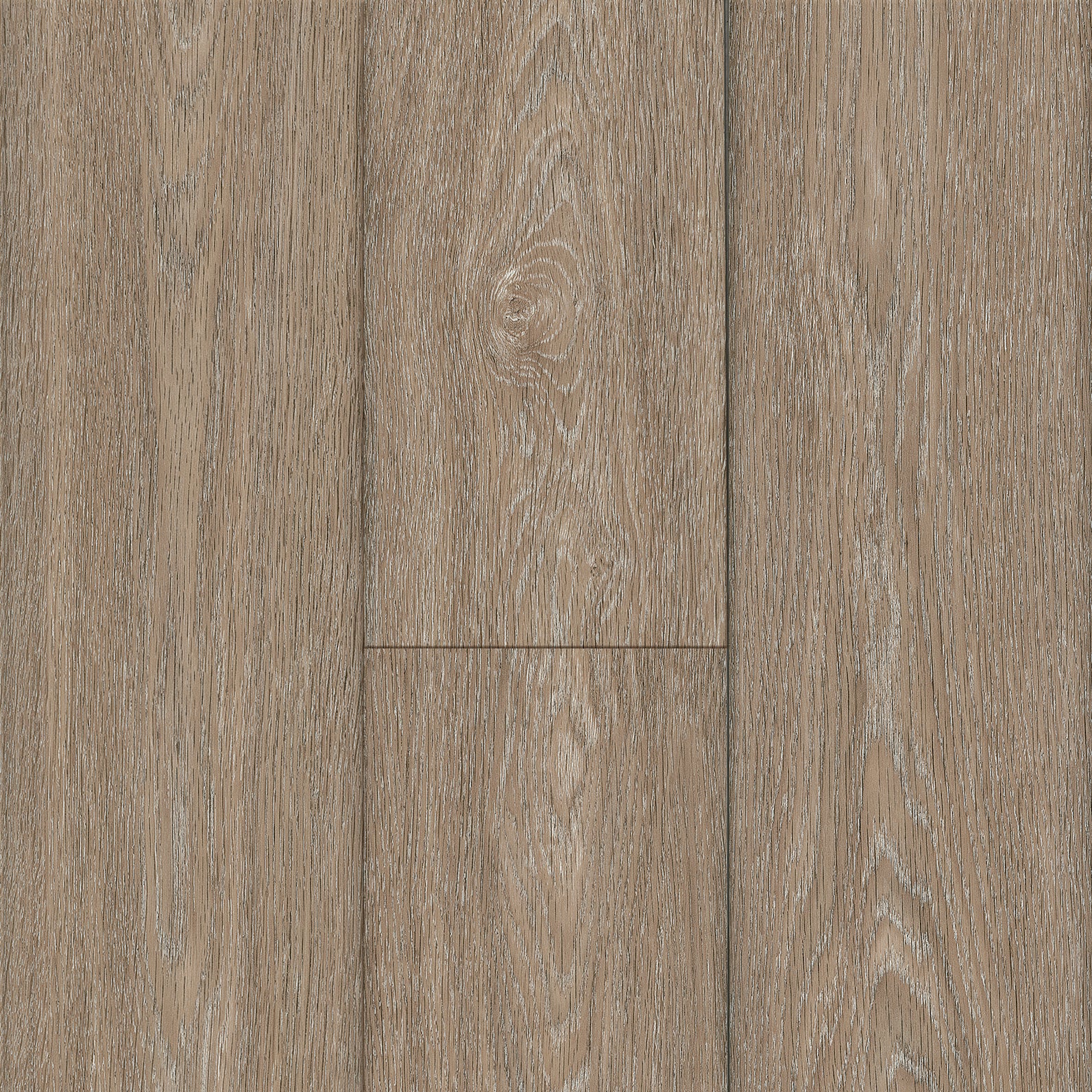
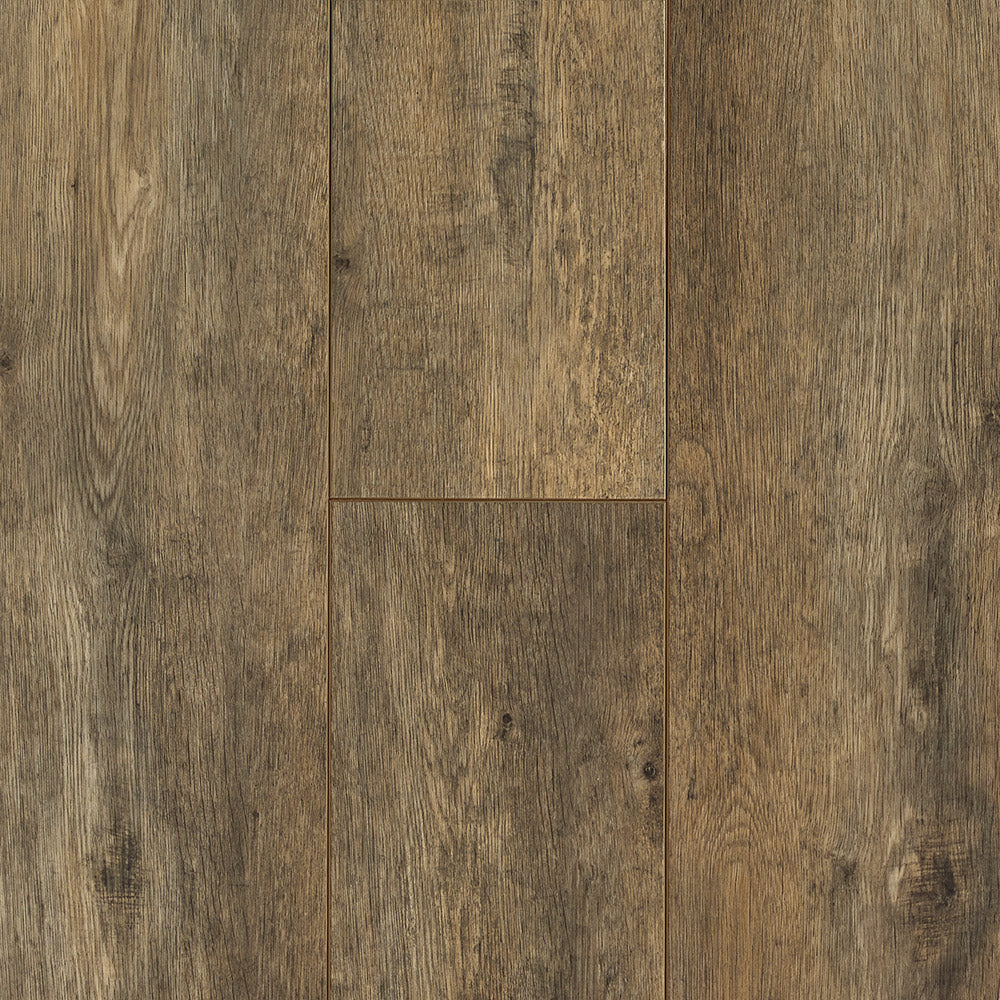
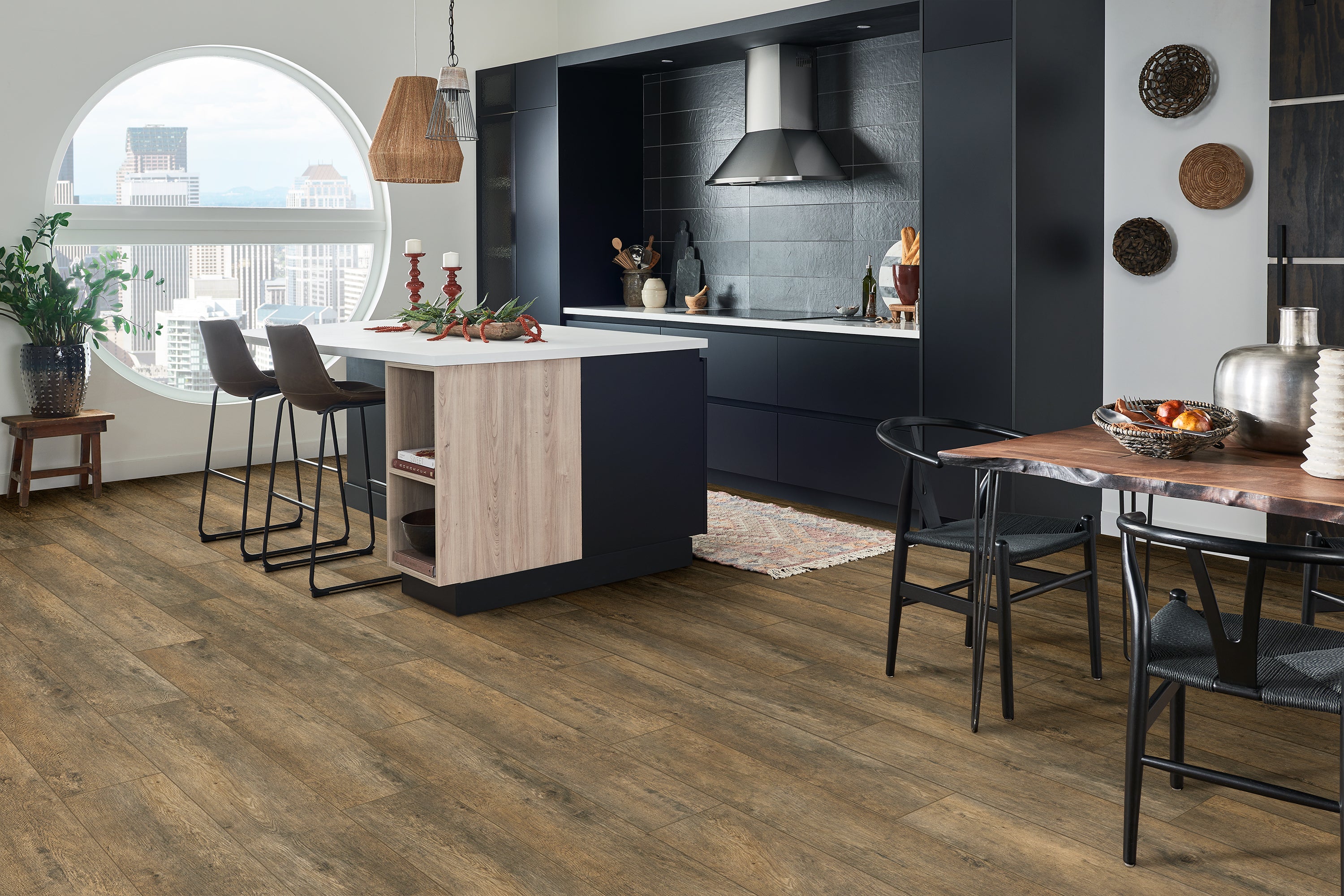
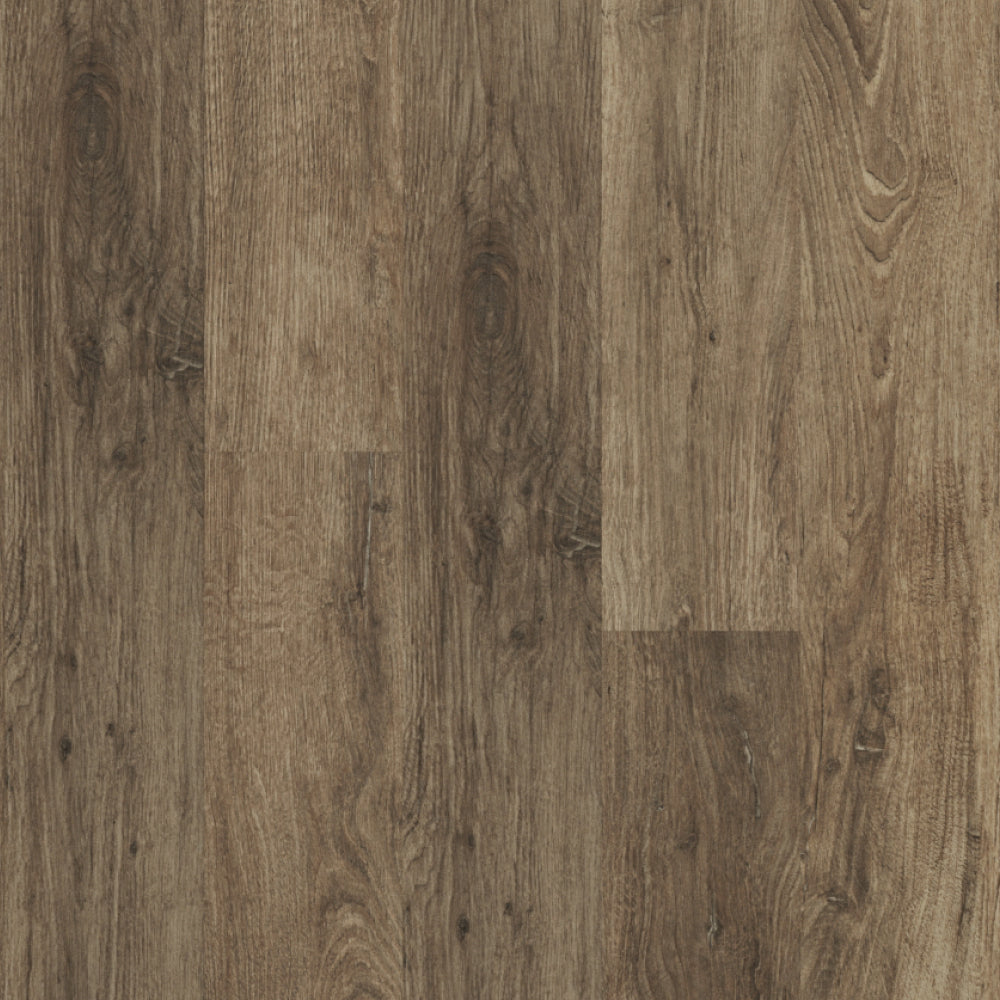
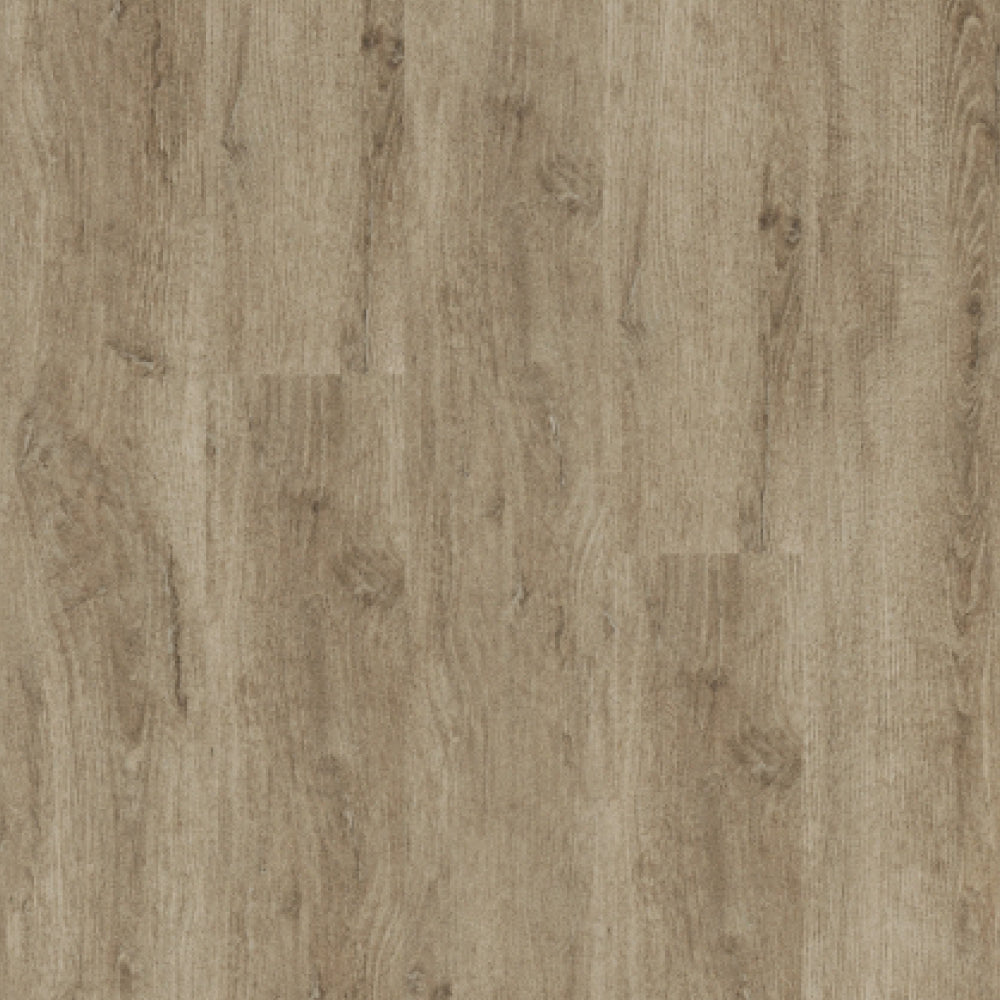
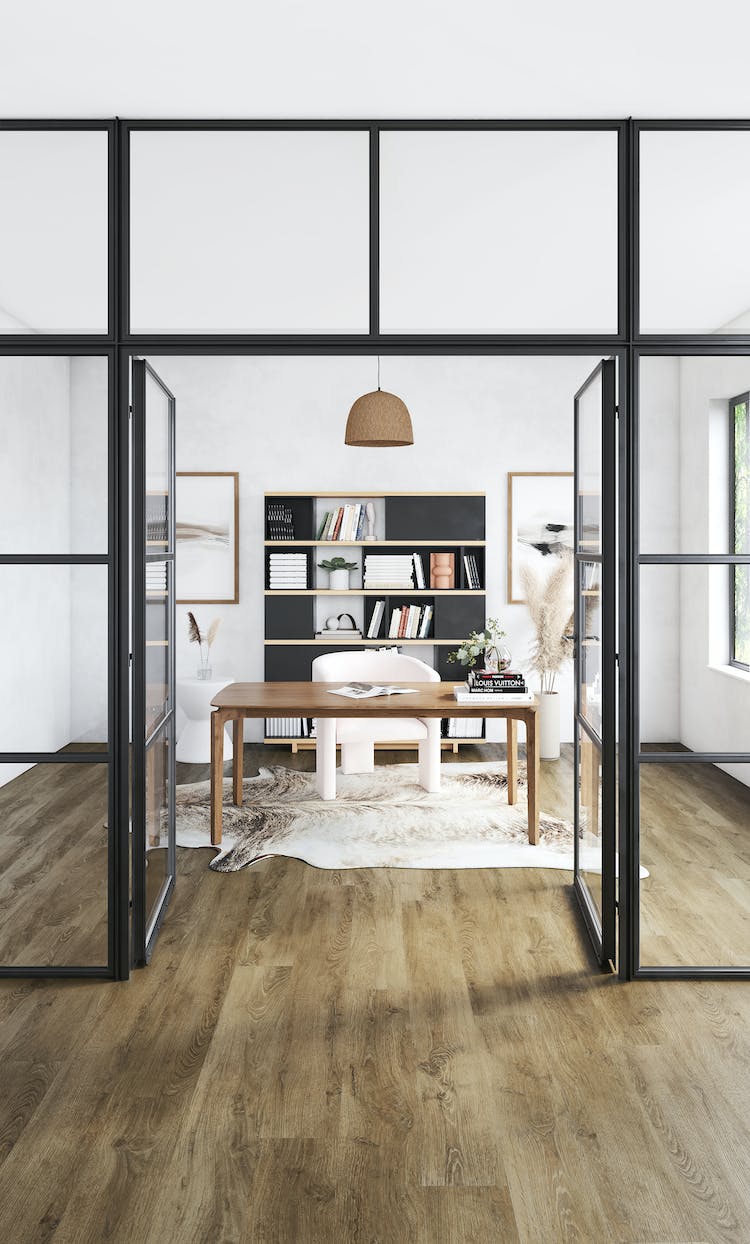
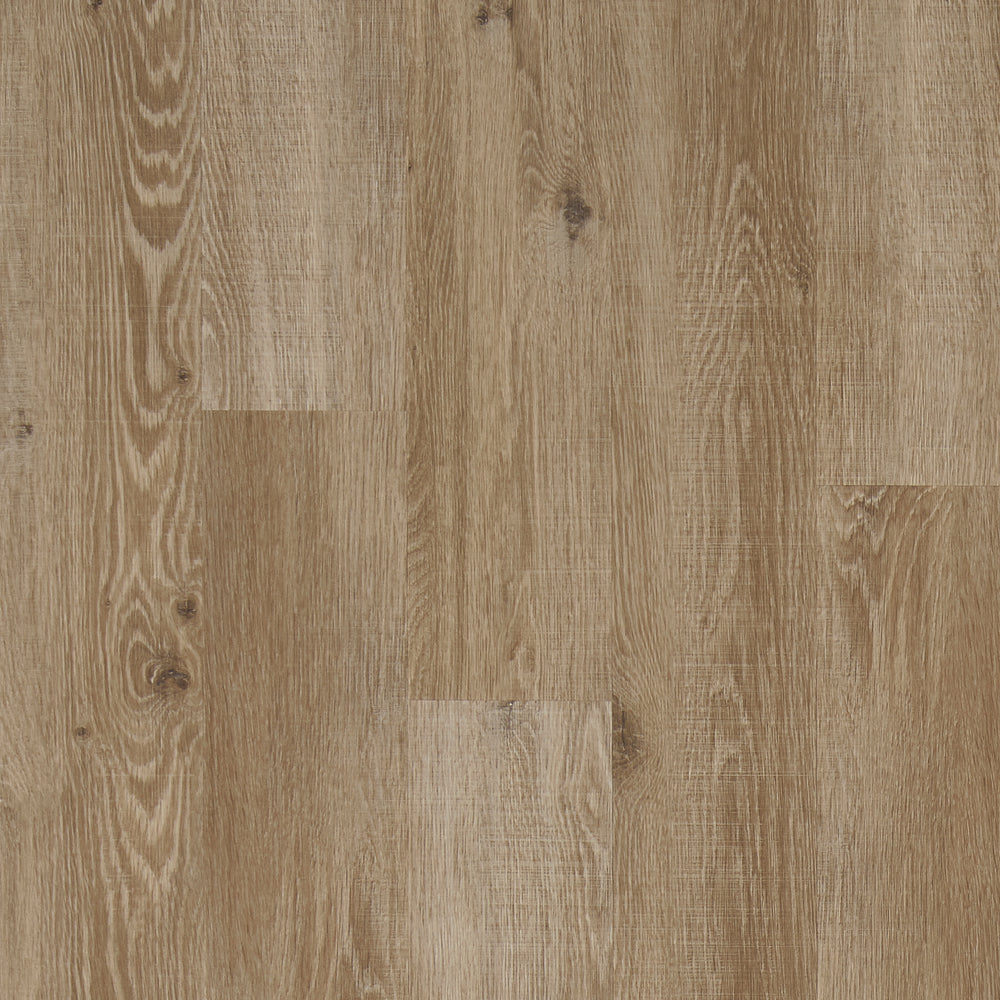
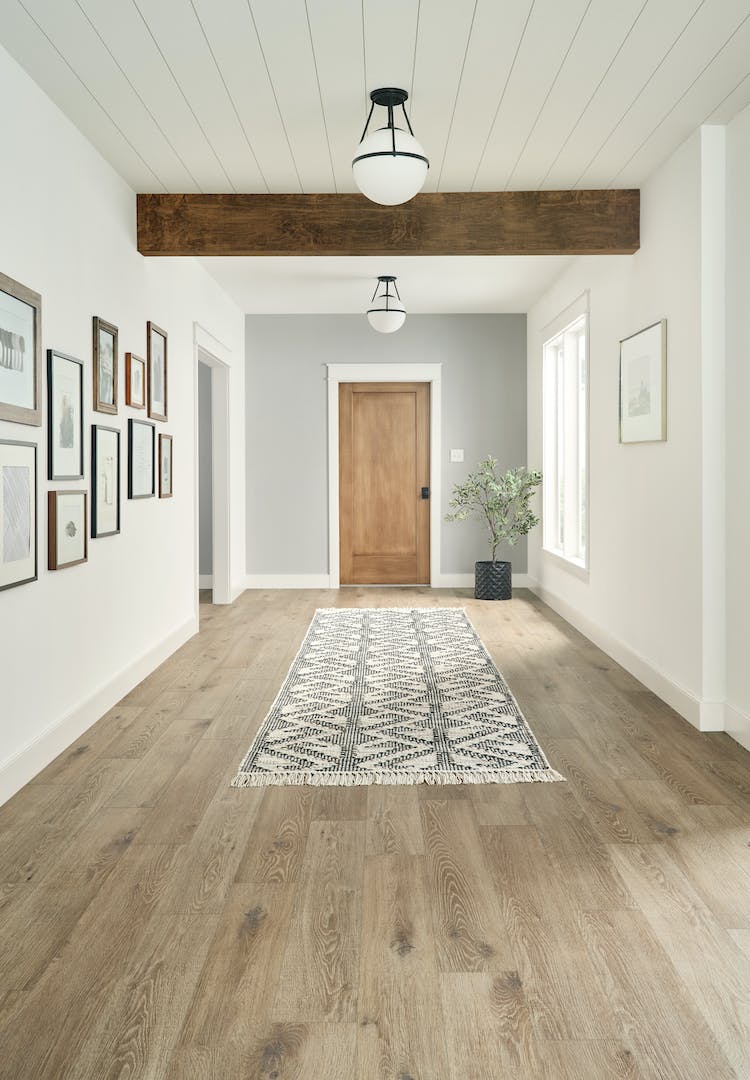
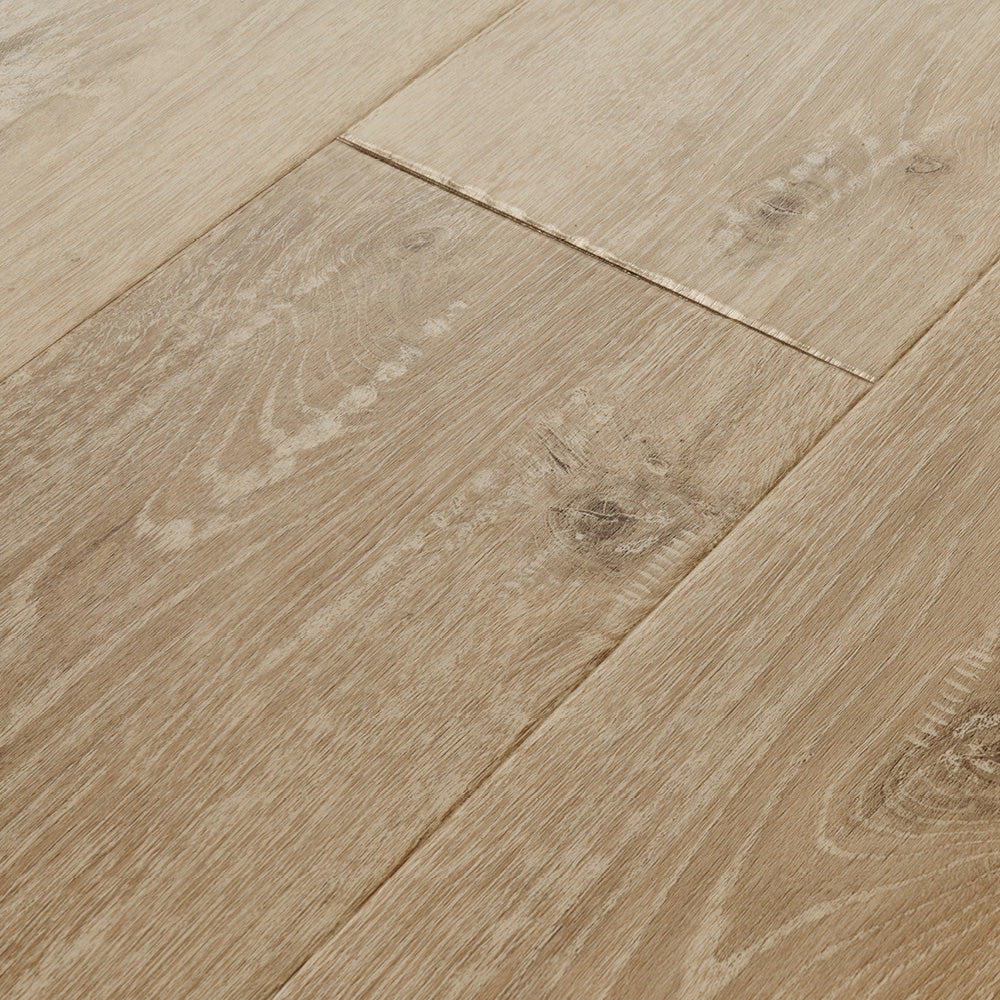
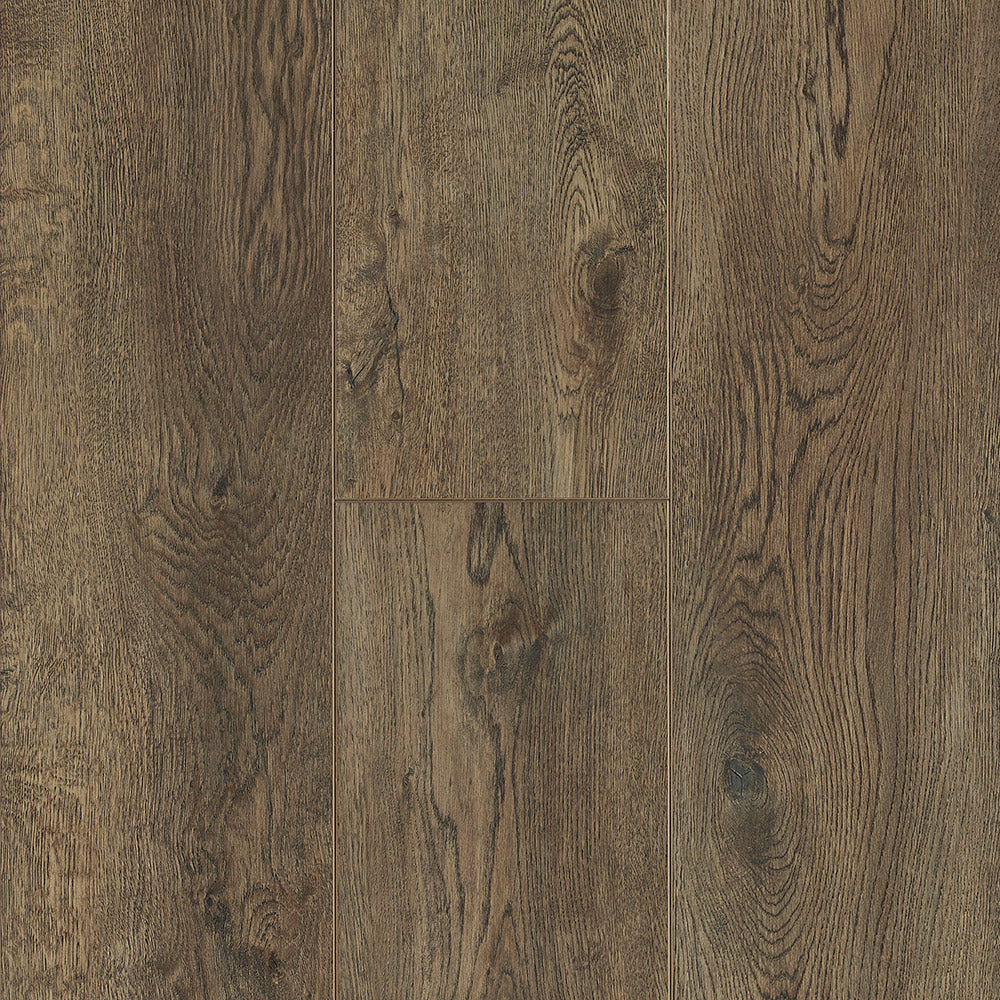
White oak LVP flooring gives your home the bright, natural look of white oak with the practical benefits of luxury vinyl. This collection includes waterproof SPC rigid core, WPC, floating click-lock, and flexible glue-down options, allowing you to choose the exact construction for your room, budget, and installation needs.
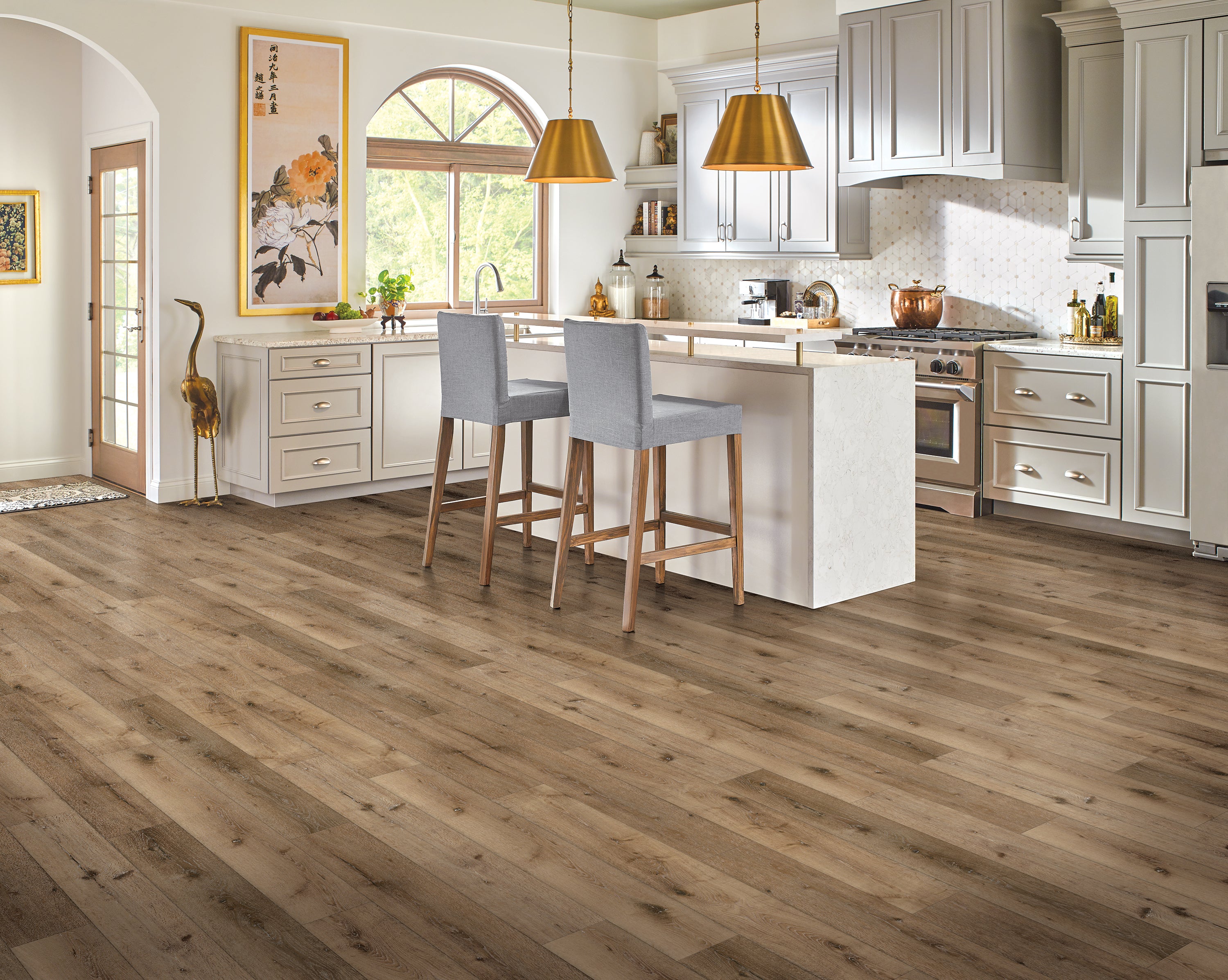
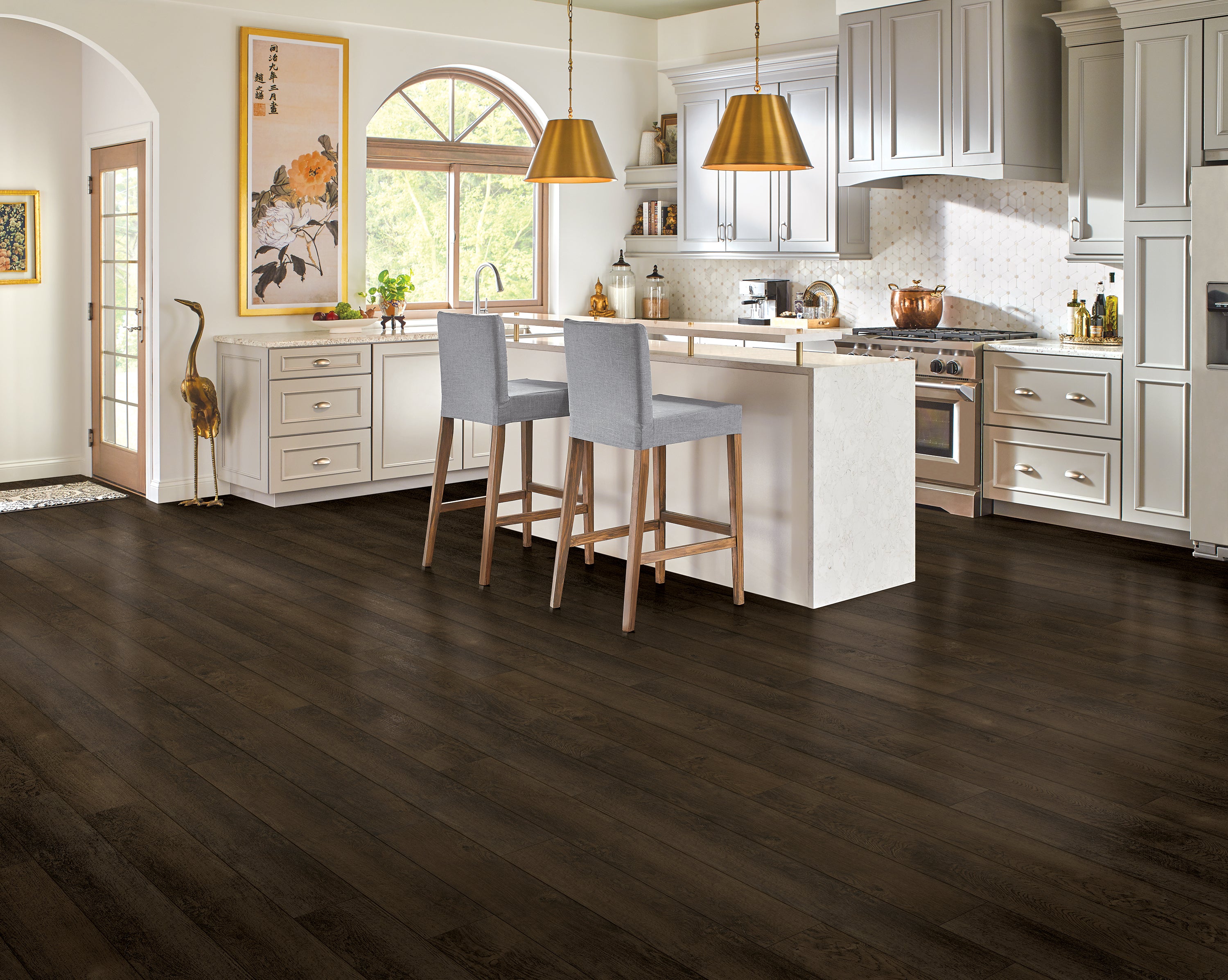
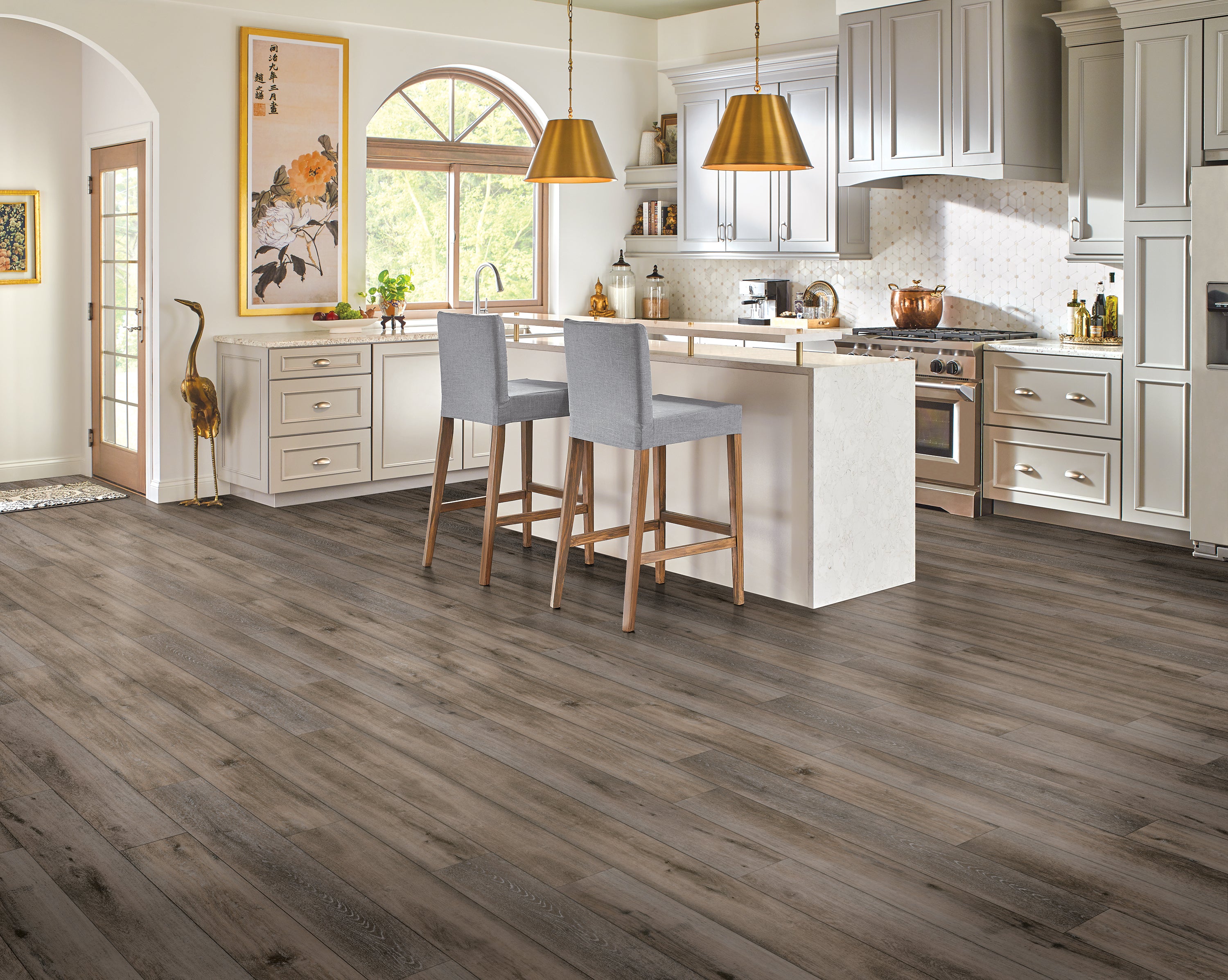
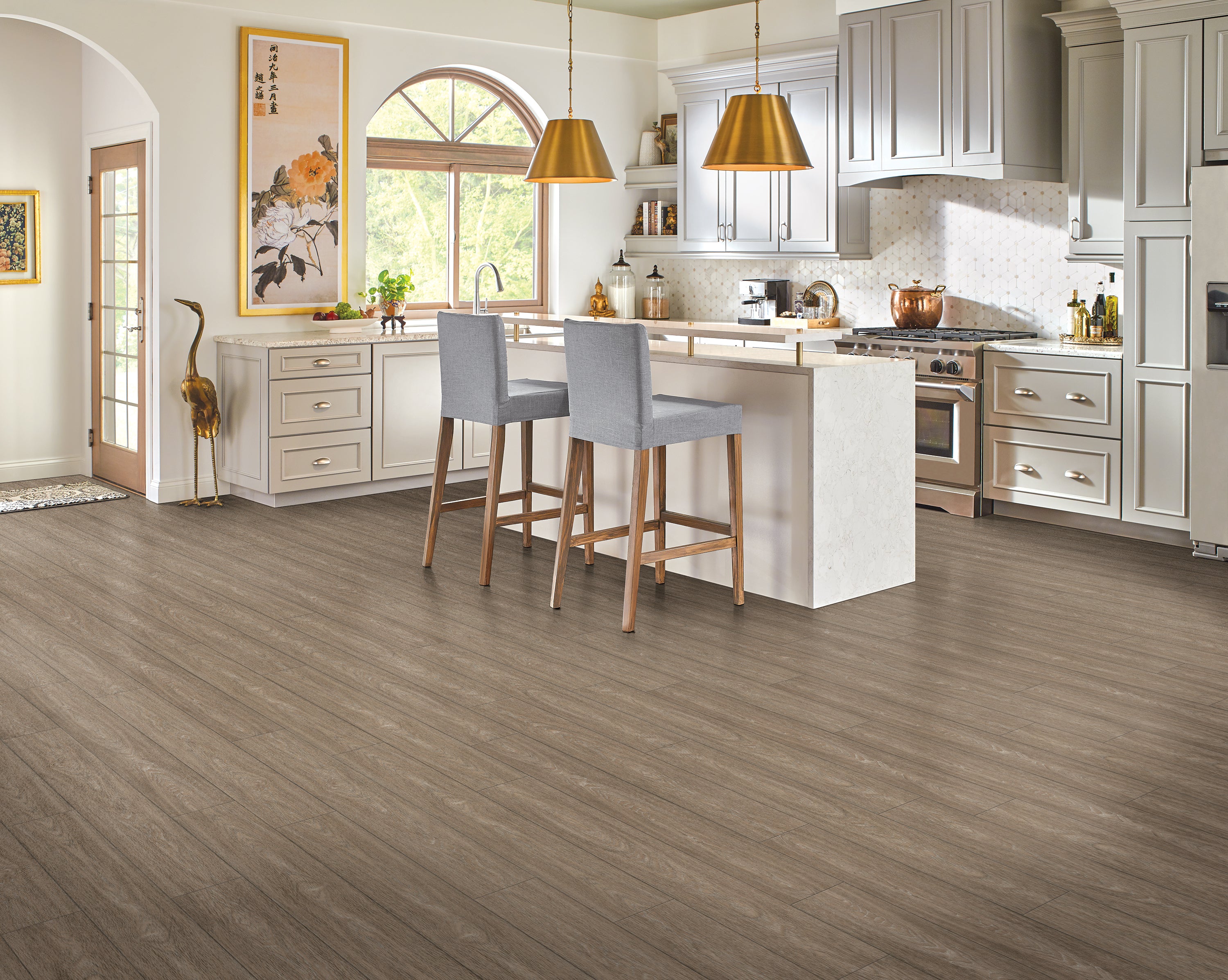
Upgrading your home with a white oak LVP floor can brighten interior spaces without the maintenance concerns of traditional solid hardwood. Whether you are remodeling an open-concept kitchen or replacing builder-grade carpet across the house, FloorCity offers white oak vinyl plank options from trusted manufacturers like Bruce and Mannington. These white oak LVP floors are designed for real household use, from busy kitchens to pet-friendly living spaces, when installed and maintained according to the manufacturer’s guidelines.
What is the best white oak LVP for active homes?
The best white oak LVP for active homes pairs a stable SPC rigid core with a durable wear layer and scratch-resistant surface finish. Collections like Mannington ADURA Rigid are engineered specifically for high-traffic areas and heavy furniture. For spaces that need more underfoot comfort and sound control, Wood Polymer Composite (WPC) planks offer a softer alternative. Meanwhile, professional installers often choose flexible glue-down LVT, such as ADURA Flex, for a bonded installation in large rental properties, open layouts, and commercial spaces.
Why choose wide plank white oak LVP flooring?
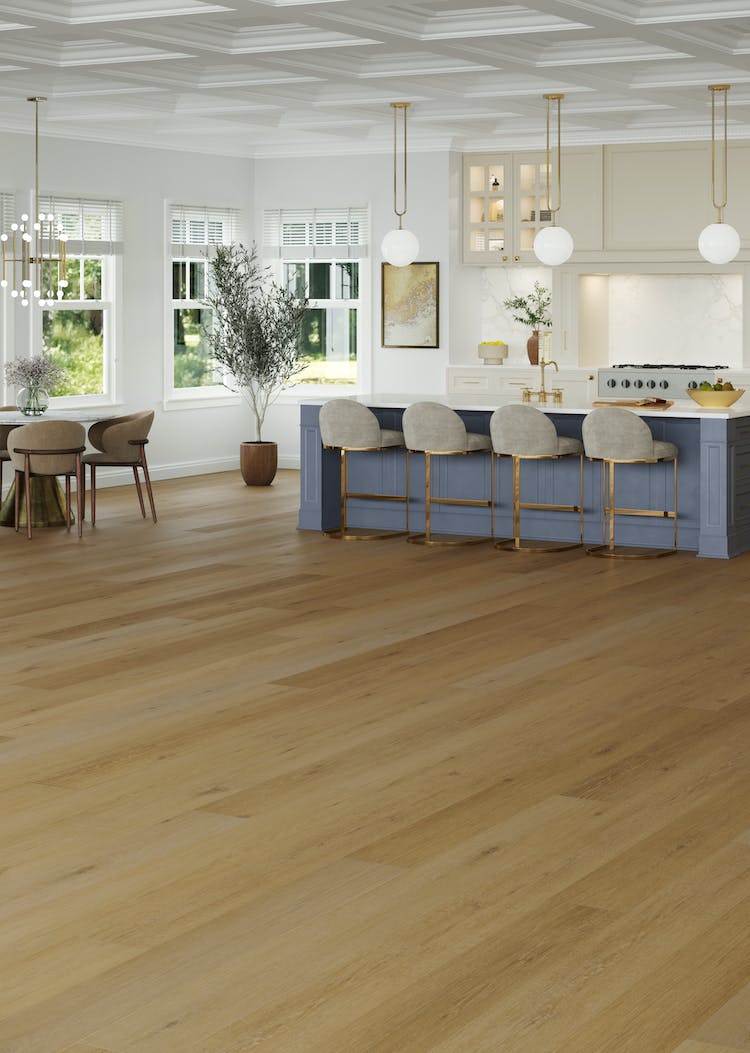
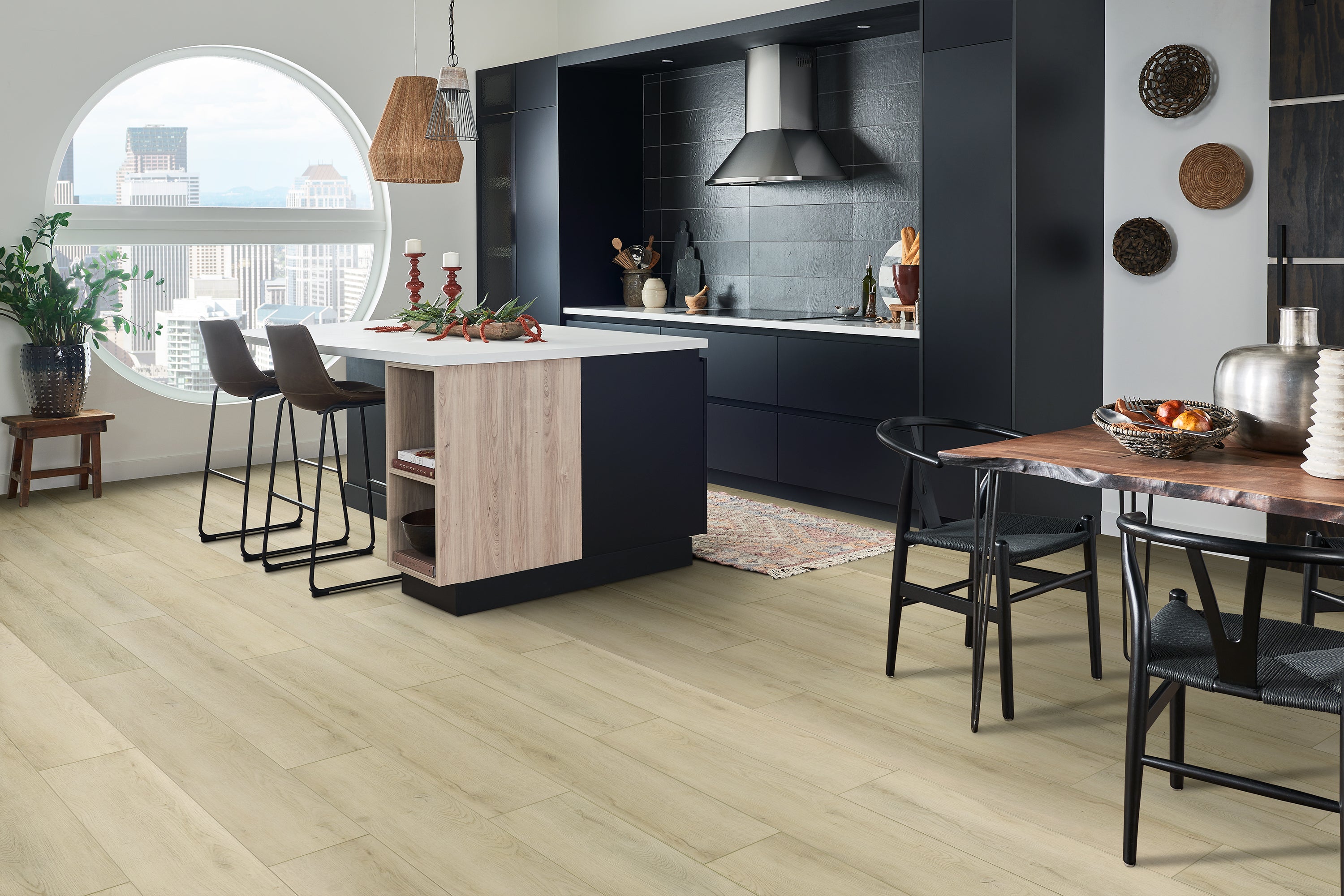
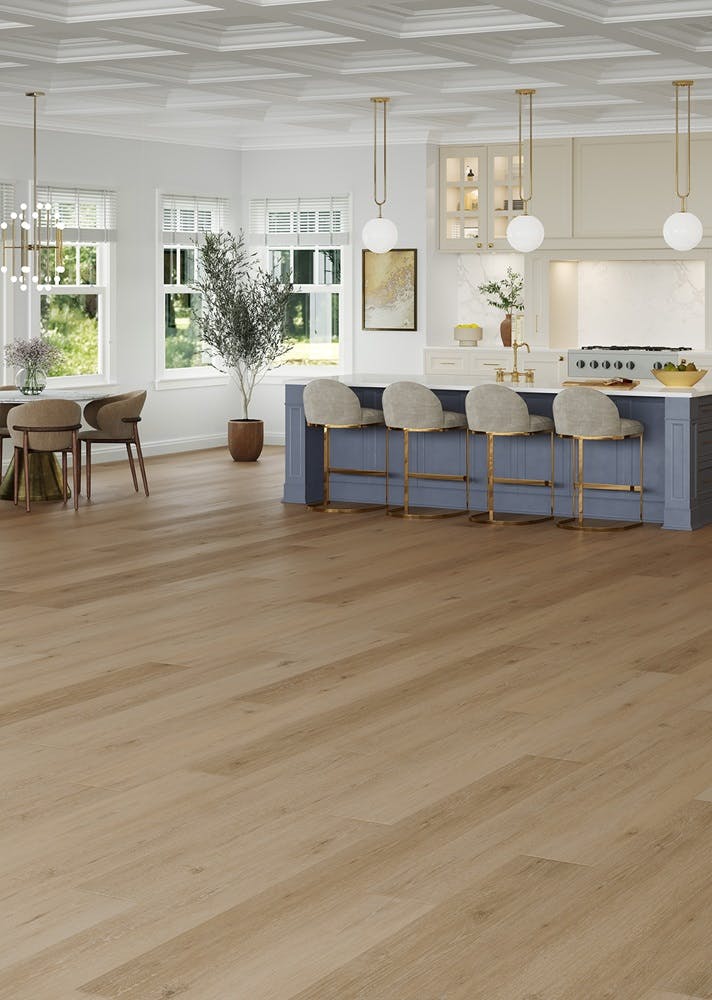
Wide plank white oak LVP flooring reduces the number of visible seams across large rooms, giving kitchens, living rooms, and open layouts a cleaner, more open look. Planks measuring seven inches or wider complement open-concept kitchen and living room remodels. Additionally, a wide plank floating click-lock system can reduce the number of planks needed across large rooms, which may help simplify installation during DIY projects or professional whole-home remodels.
What does the European white oak LVP look mean?
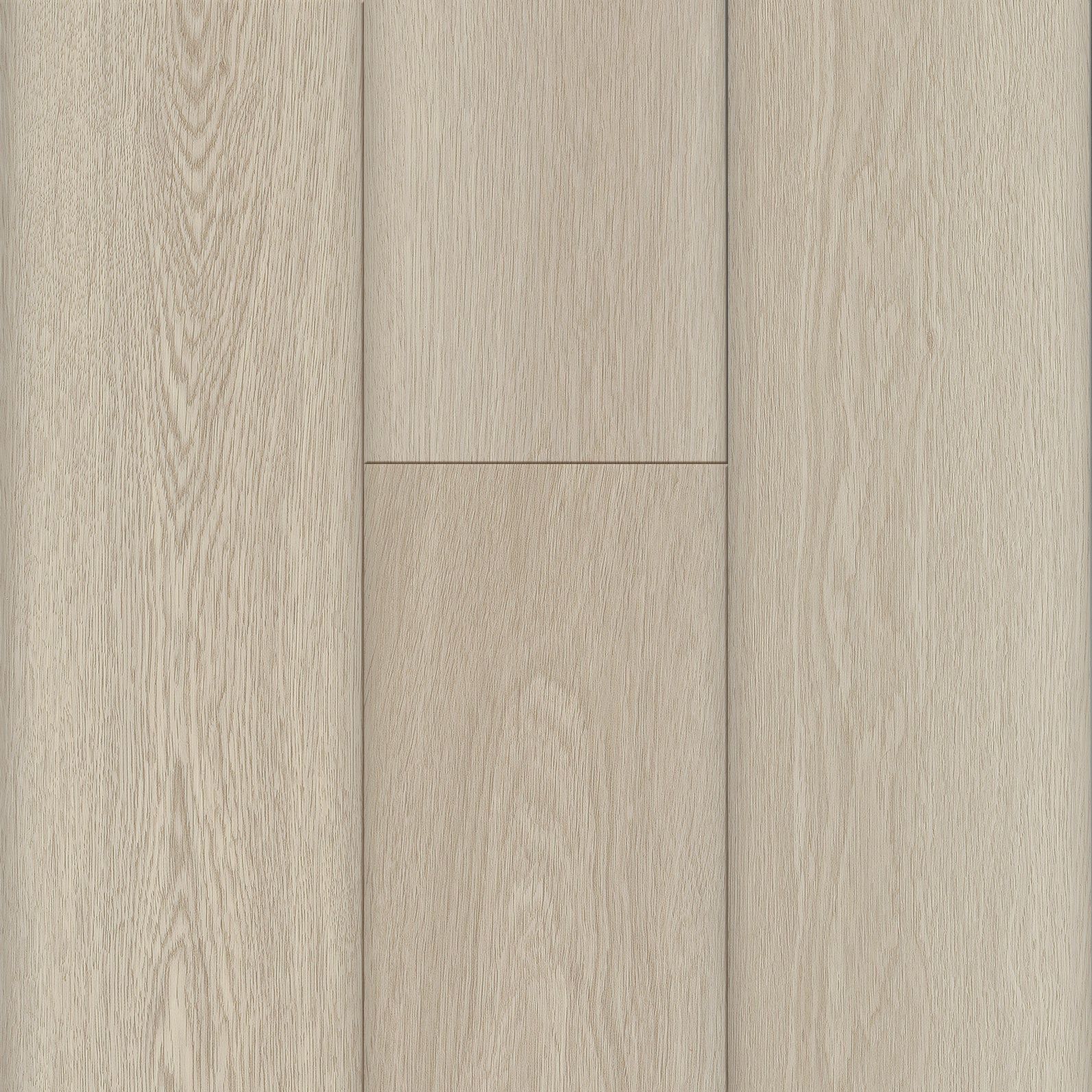
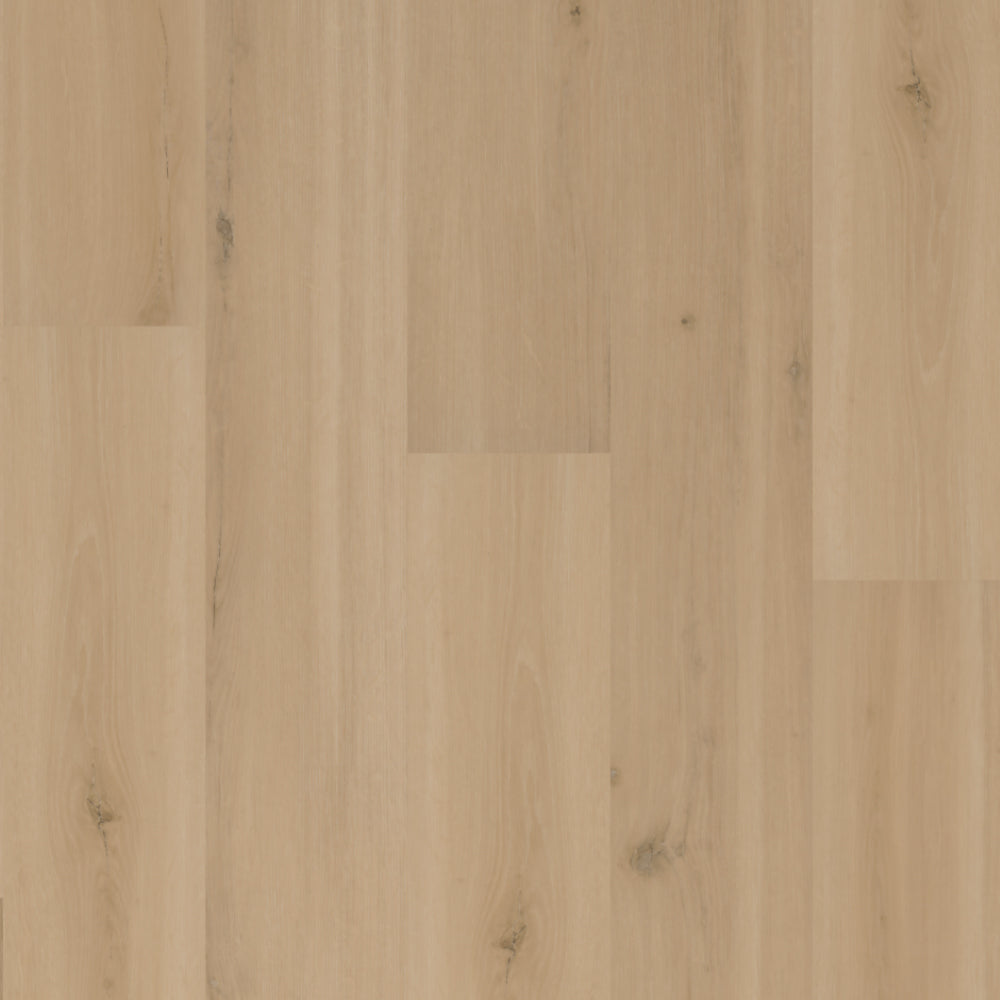
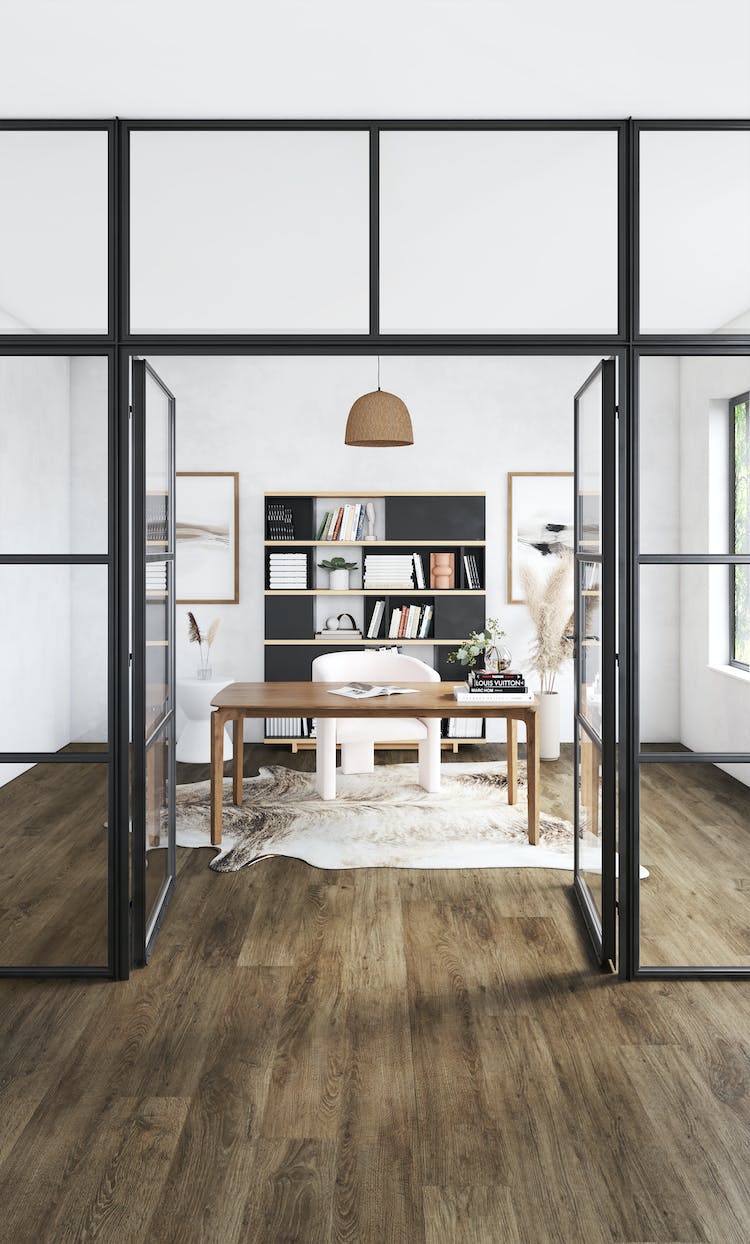
European white oak LVP usually describes a cleaner design style, not the origin of the vinyl plank. The look is known for subtle grain movement, fewer heavy knots, and a softer neutral tone. This cleaner oak style works well with modern neutral interiors and pairs beautifully with white cabinets, black hardware, and minimalist contemporary furniture.
Do white oak LVP floors require a separate underlayment?
Premium floating white oak LVP floors generally include a pre-attached acoustical pad made from cork or EVA foam. Collections such as Mannington ADURA Max feature these built-in backings to help reduce sound and add slight cushioning over concrete subfloors. If you select a flexible glue-down option, the flooring is installed with adhesive over a properly prepared subfloor. Always follow the product’s moisture testing, adhesive, and subfloor requirements before installation.
Frequently Asked Questions
Is
white
oak
LVP
flooring
waterproof?
Yes,
white
oak
LVP
flooring
is
waterproof,
especially
SPC
and
WPC
rigid
core
products.
The
plank
itself
resists
spills,
pet
accidents,
and
routine
household
moisture,
but
the
floor
still
needs
proper
subfloor
preparation,
expansion
spacing,
and
manufacturer-approved
installation
at
walls,
seams,
and
transitions.
Can
you
install
white
oak
flooring
LVP
over
existing
tile?
Installers
can
place
floating
white
oak
flooring
LVP
directly
over
existing
hard
surface
floors
if
the
subfloor
remains
flat
and
structurally
sound.
Deep
tile
grout
lines
require
filling
and
leveling
before
floating
the
new
planks
to
prevent
the
locking
mechanisms
from
breaking
under
pressure.
How
do
you
clean
wide
plank
LVP
white
oak
floors?
Sweep
wide
plank
LVP
white
oak
floors
daily
to
remove
abrasive
dirt
and
mop
weekly
using
a
pH-neutral
vinyl
floor
cleaner.
Steam
mops
and
harsh
chemicals
degrade
the
protective
urethane
finish
over
time.
Applying
felt
pads
under
furniture
legs
prevents
deep
gouges
through
the
wear
layer.
Does
white
oak
LVP
flooring
fade
in
sunlight?
Prolonged
exposure
to
intense
ultraviolet
rays
causes
vinyl
flooring
to
discolor
over
several
years.
Manufacturers
apply
UV-cured
urethane
coatings
to
provide
elevated
fade
resistance
for
rooms
with
large
windows.
Closing
curtains
or
blinds
during
peak
sunlight
hours
extends
the
visual
lifespan
of
the
flooring.
What
is
the
difference
between
SPC
and
WPC
rigid
cores?
SPC
contains
a
limestone
powder
composite,
resulting
in
an
extremely
dense
plank
highly
resistant
to
heavy
impacts
and
temperature
shifts.
WPC
uses
an
expanded
polymer
core
containing
foaming
agents,
producing
a
thicker
profile
that
provides
more
acoustic
insulation
and
comfort
underfoot.
Floor City lists white oak LVP products with different constructions, wear layers, plank sizes, installation methods, and attached pad options. Review each product page before ordering so you can match the floor to your room, subfloor, traffic level, and installation method. For active households, start with SPC rigid core options like Bruce LifeSeal or Mannington ADURA Rigid. For comfort and sound control, compare WPC options like Mannington ADURA Max. For bonded installations, review Mannington ADURA Flex glue-down LVT.