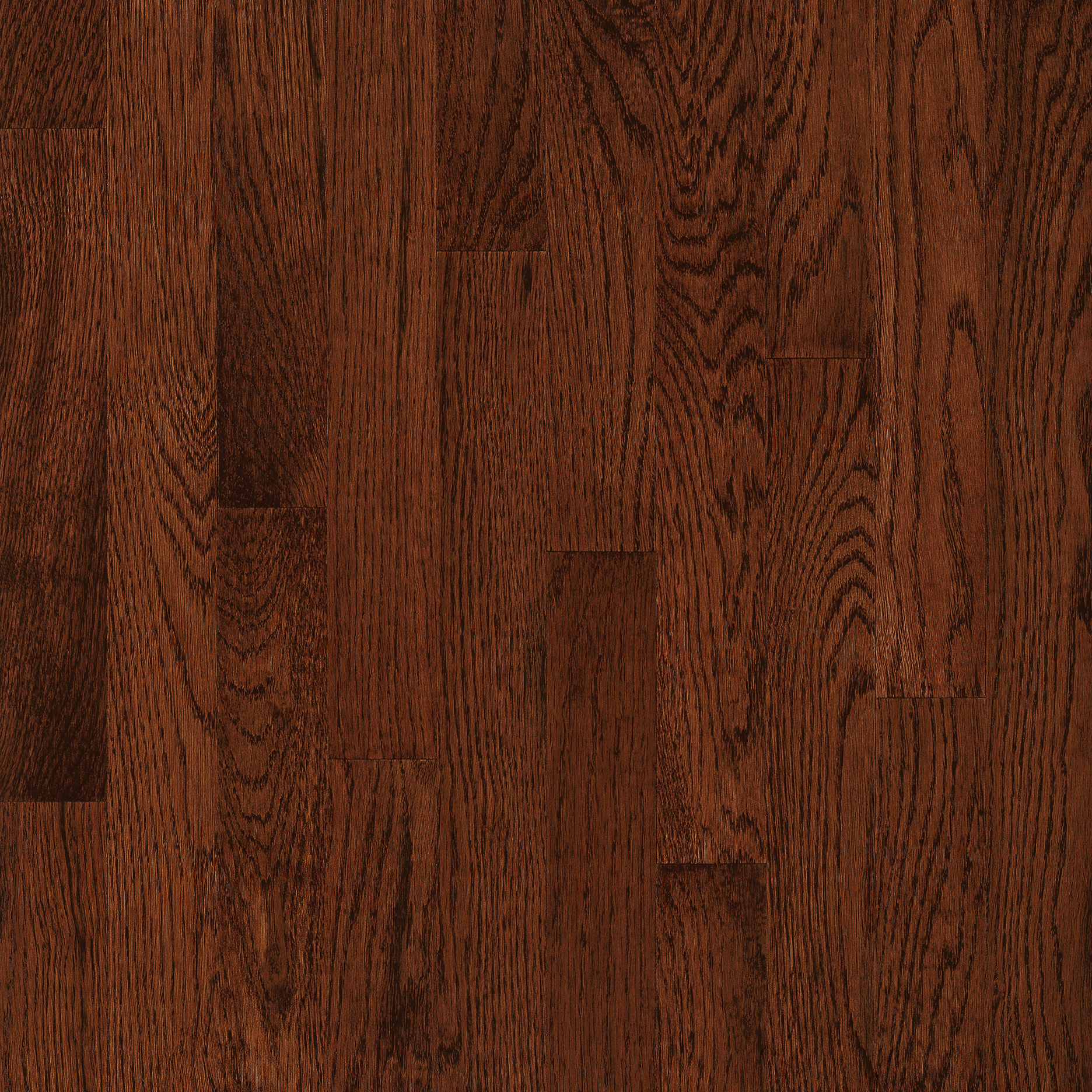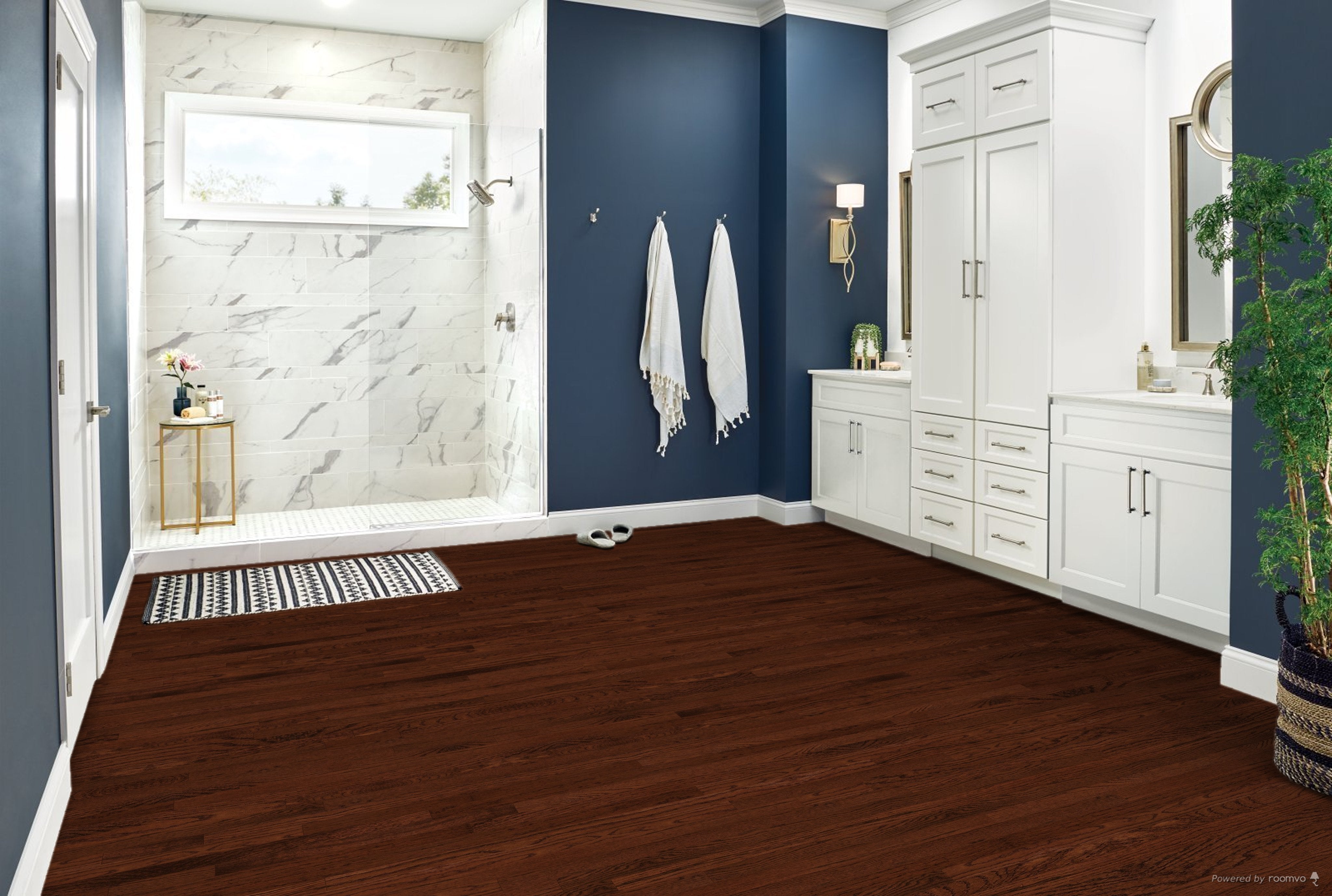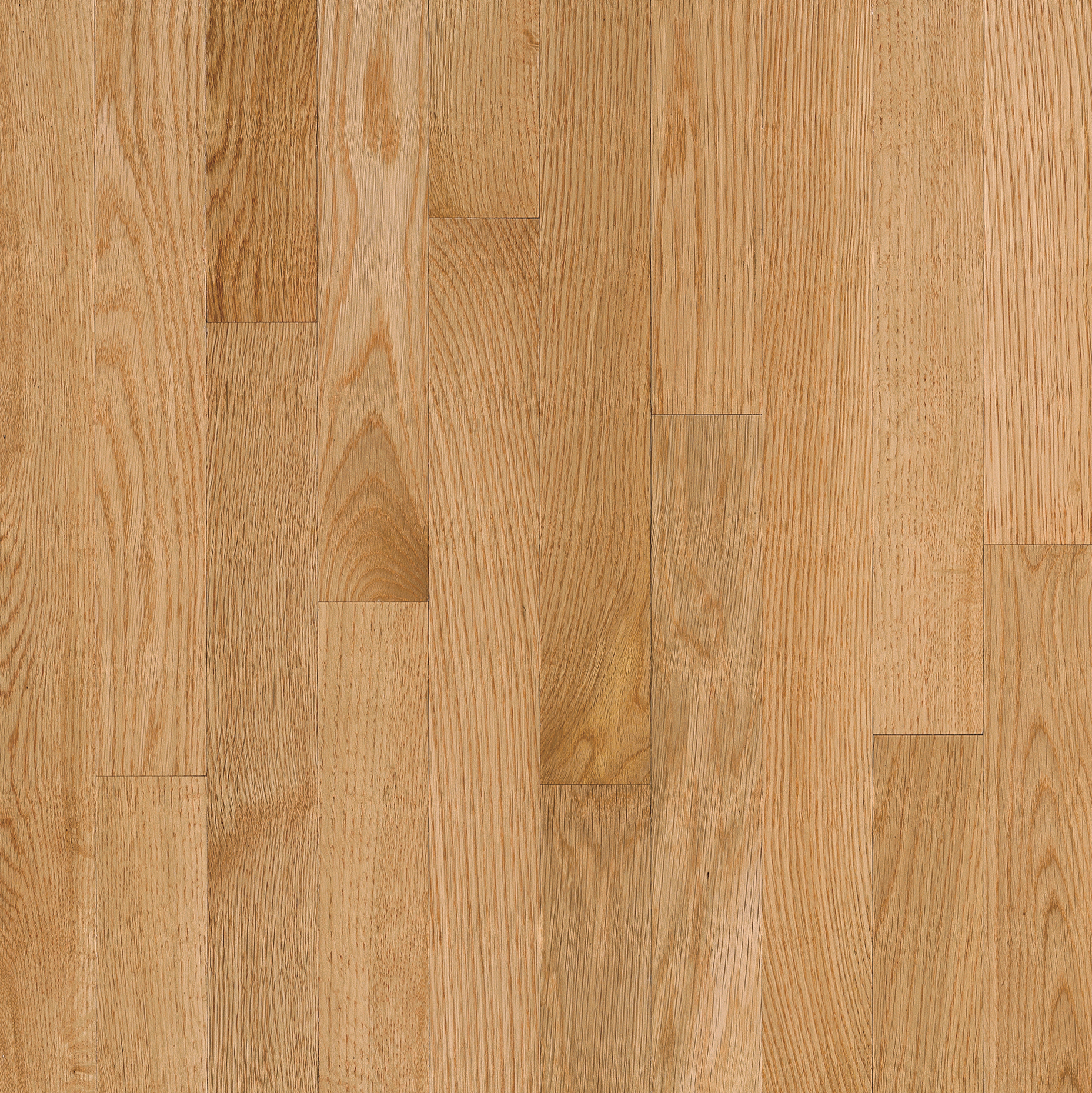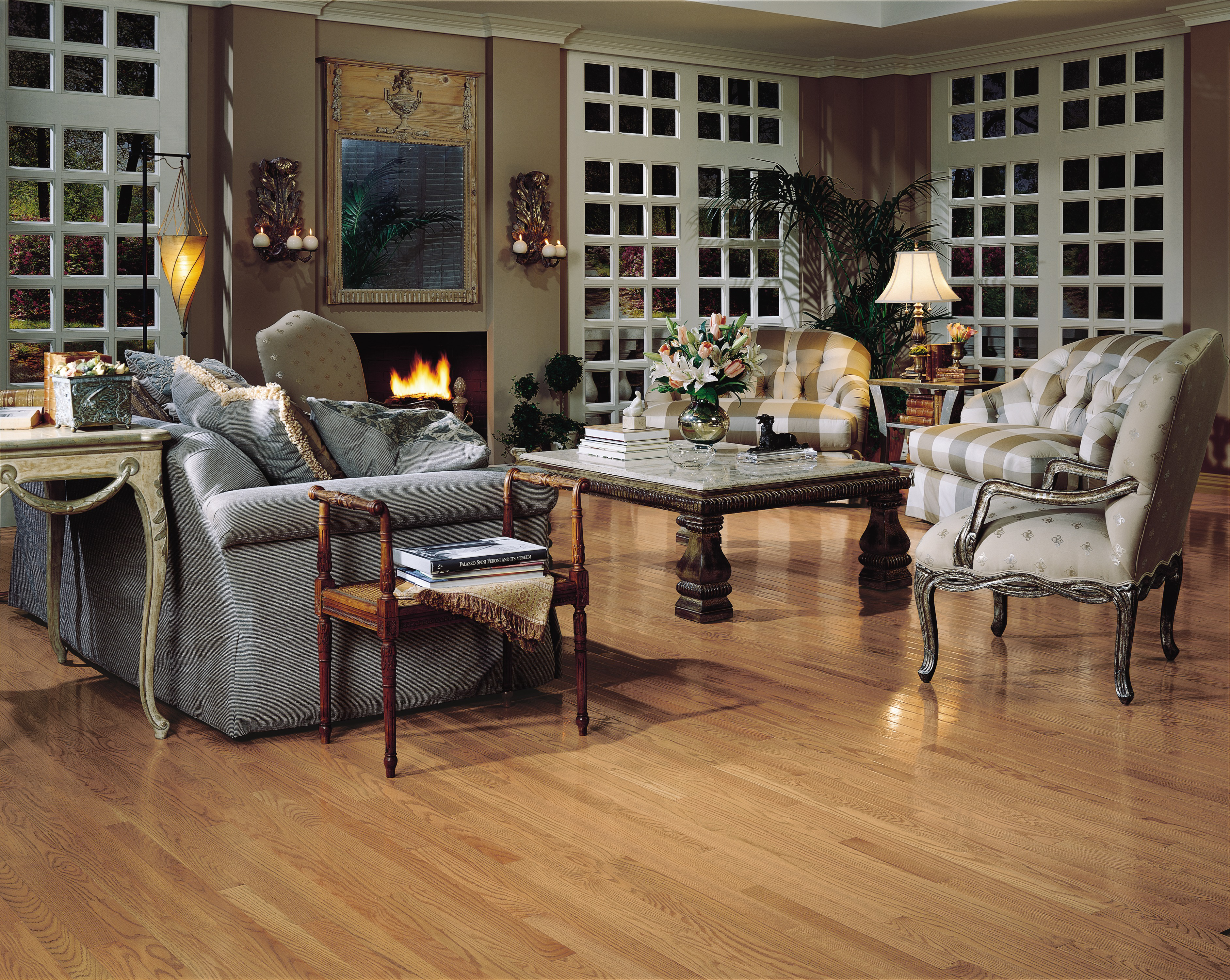

Bruce Hardwood Flooring

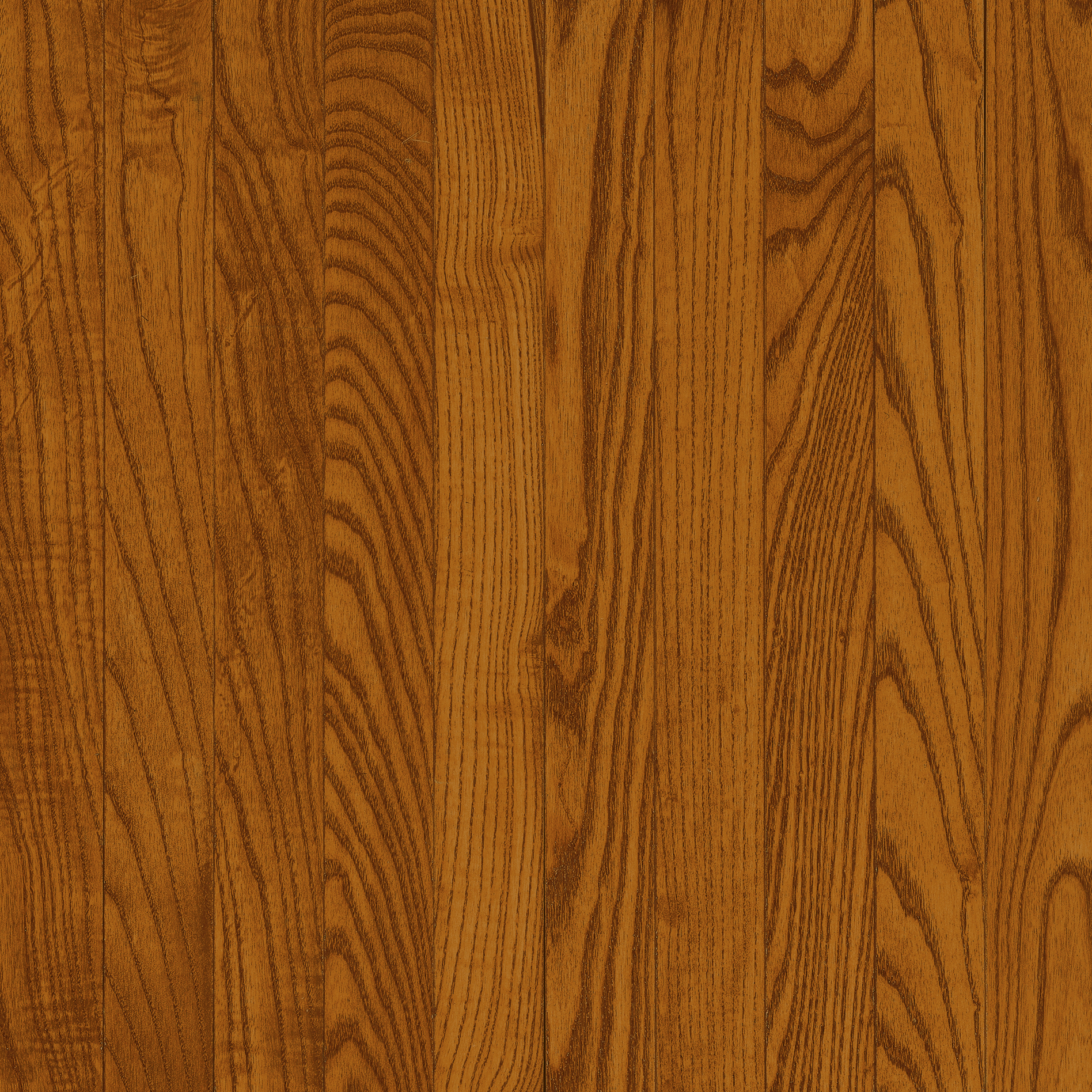
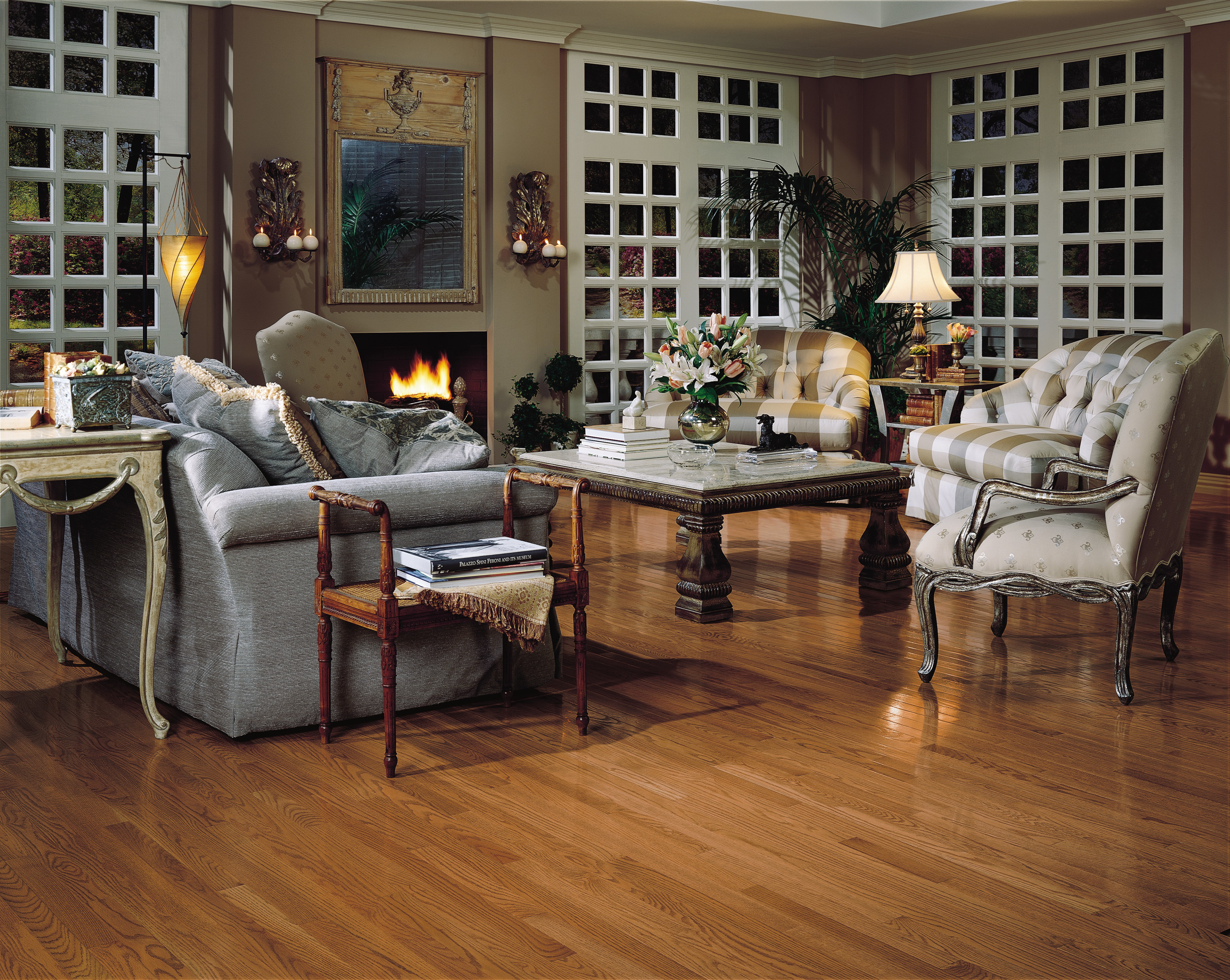
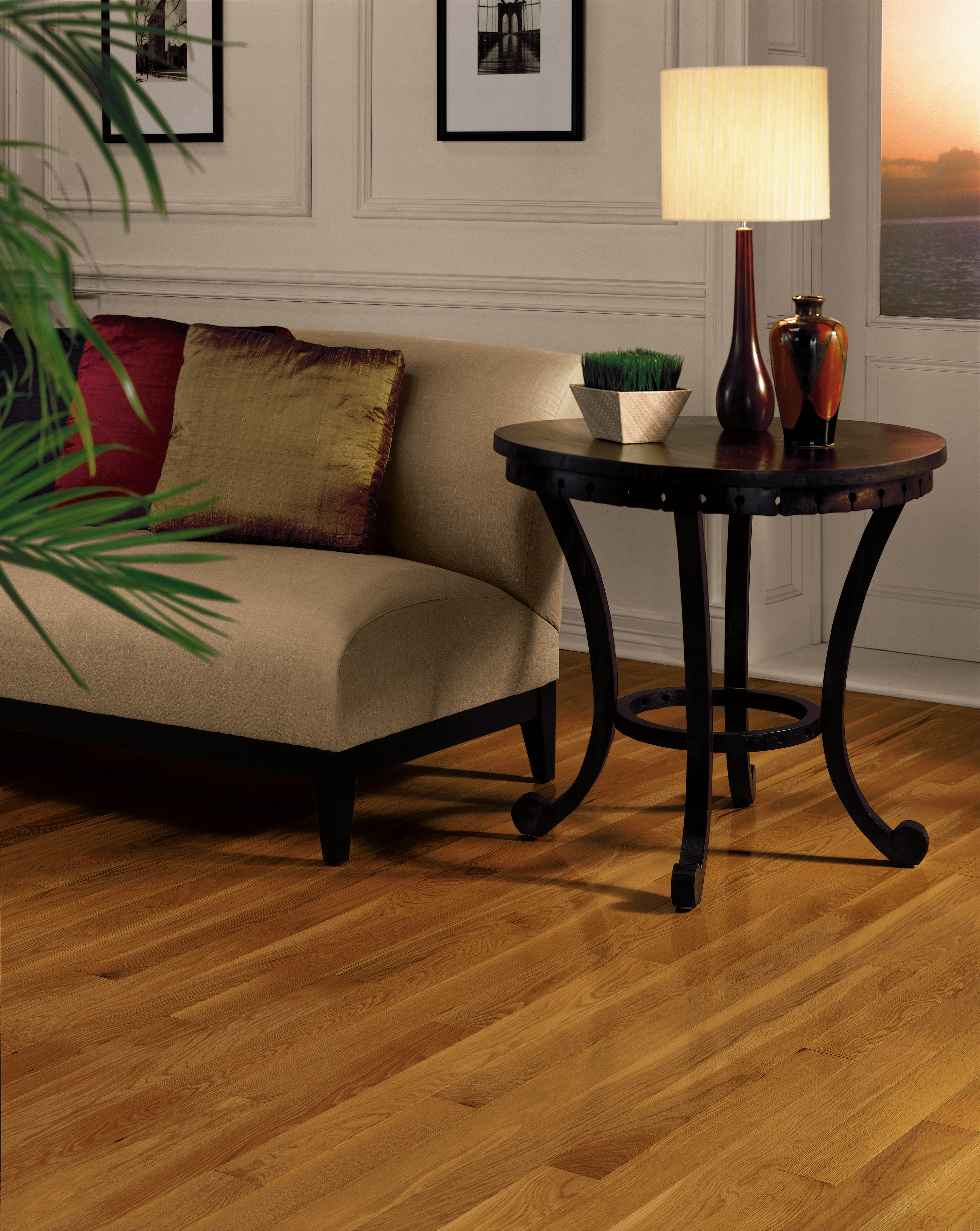
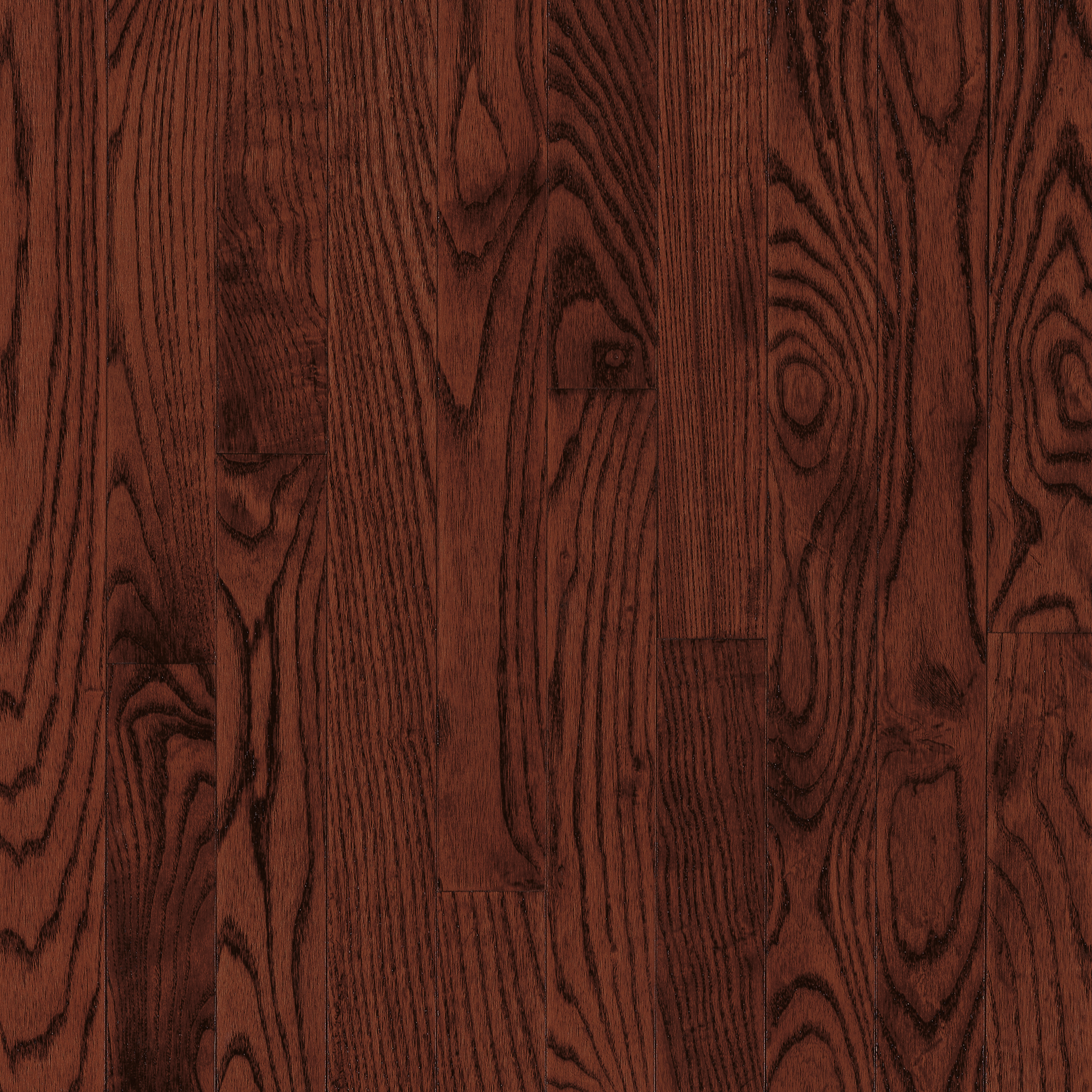
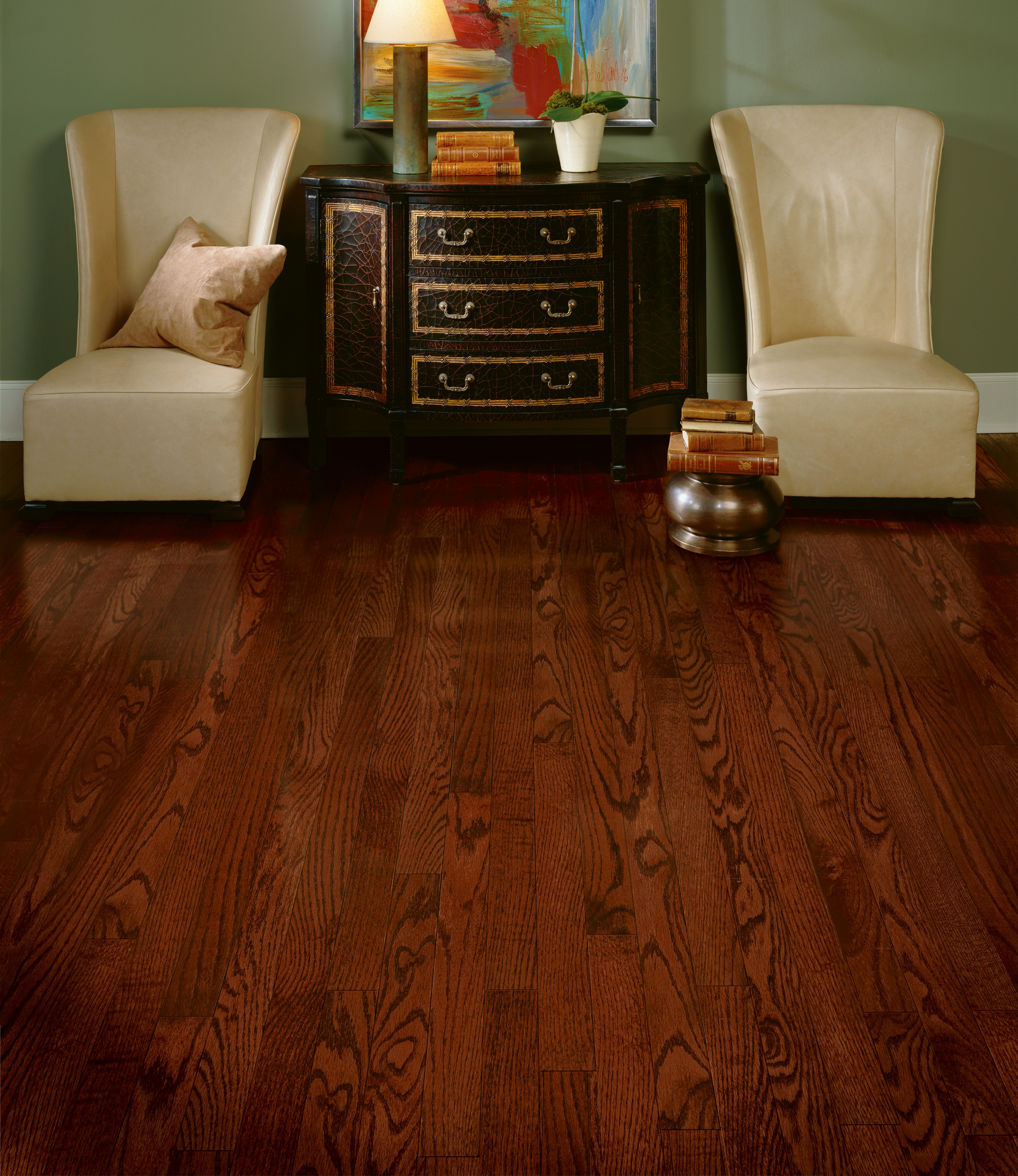
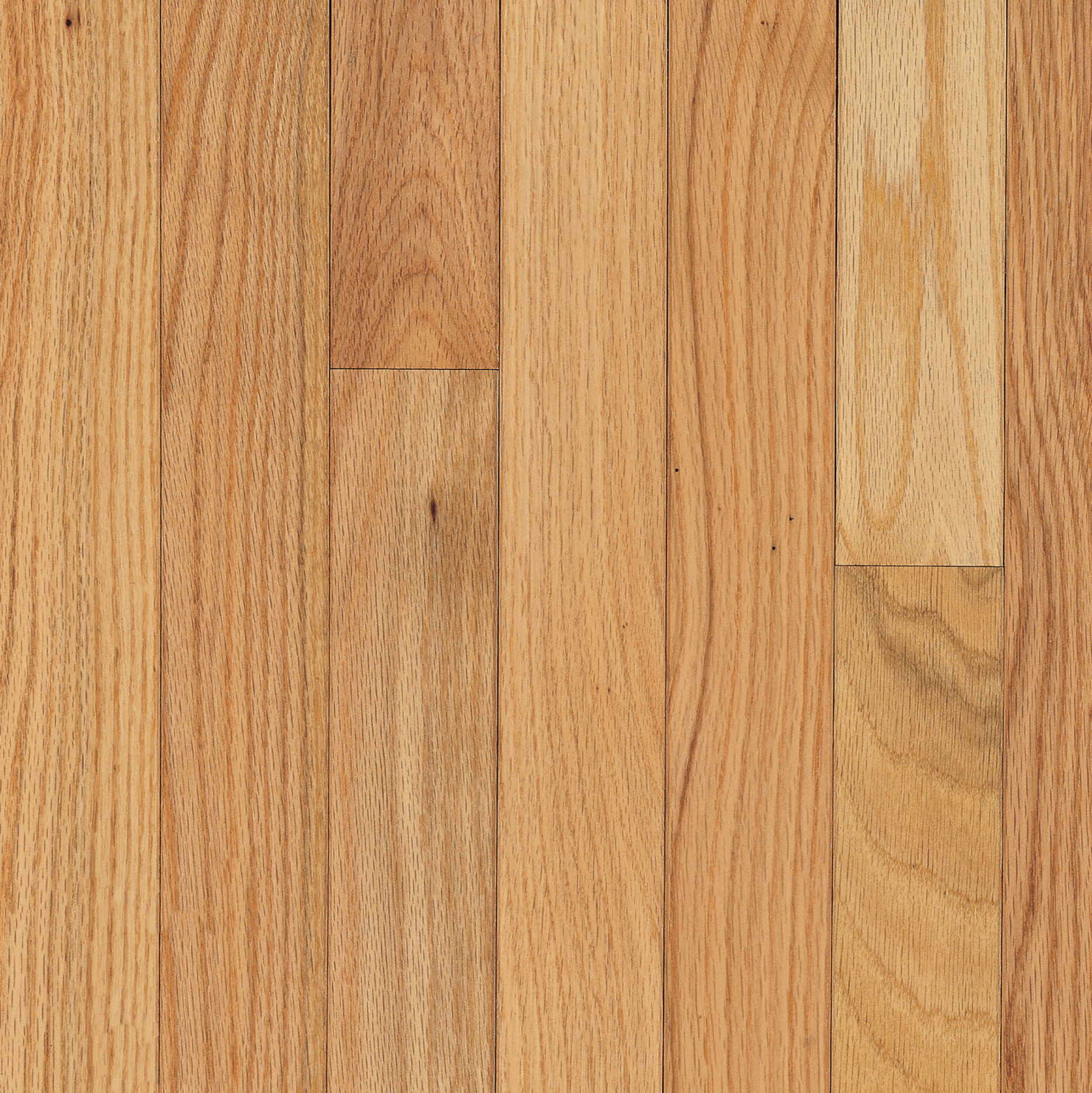
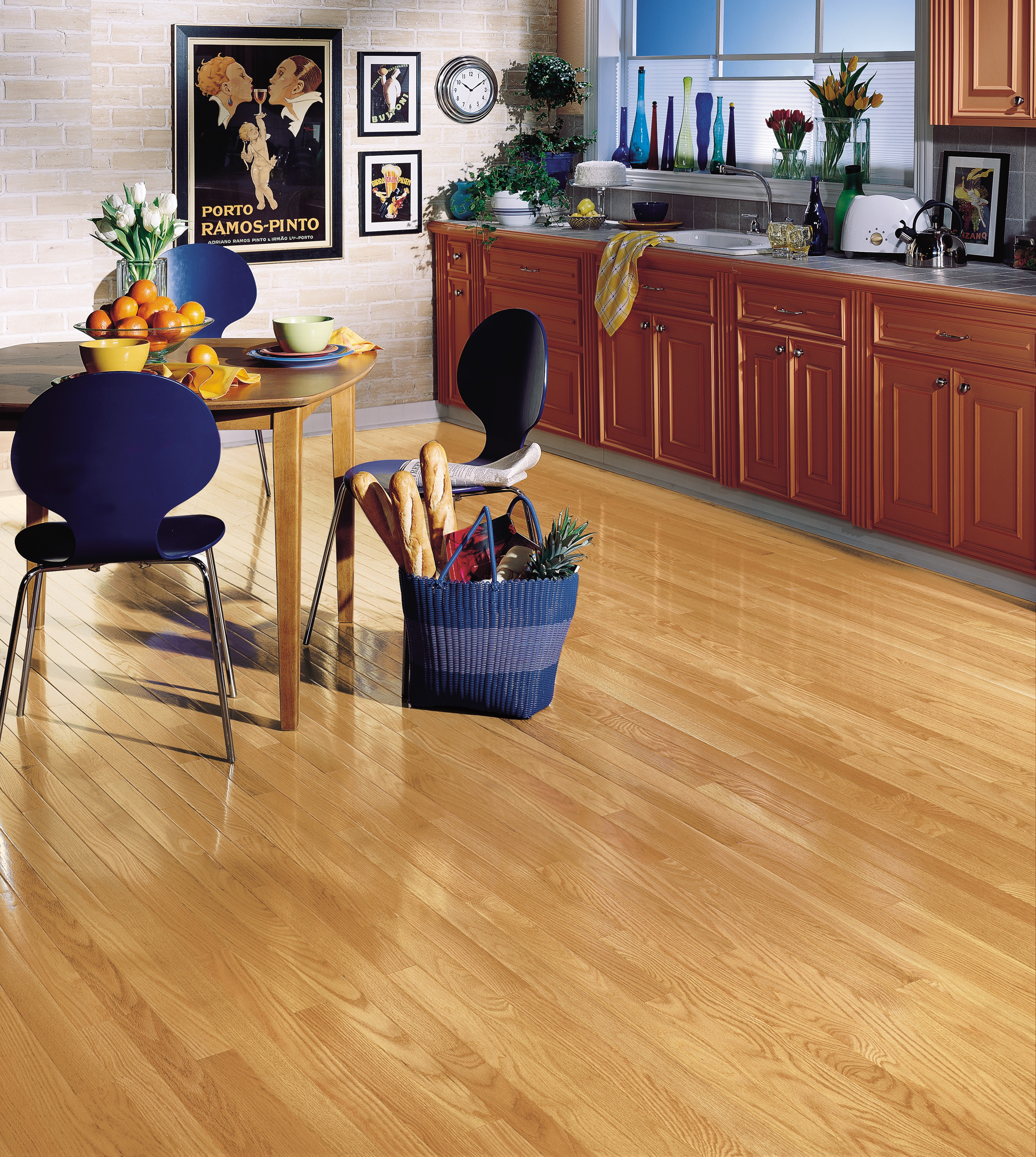
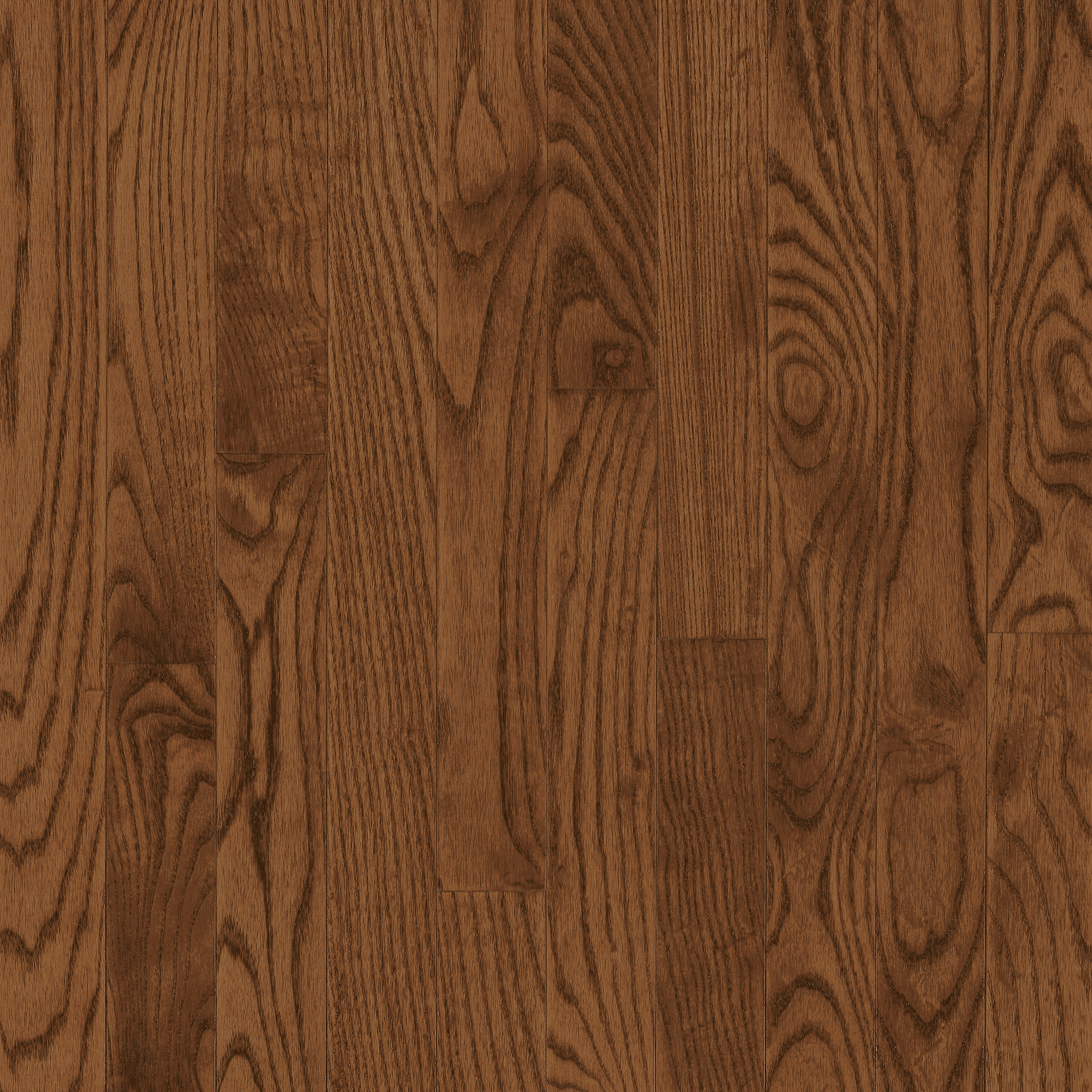
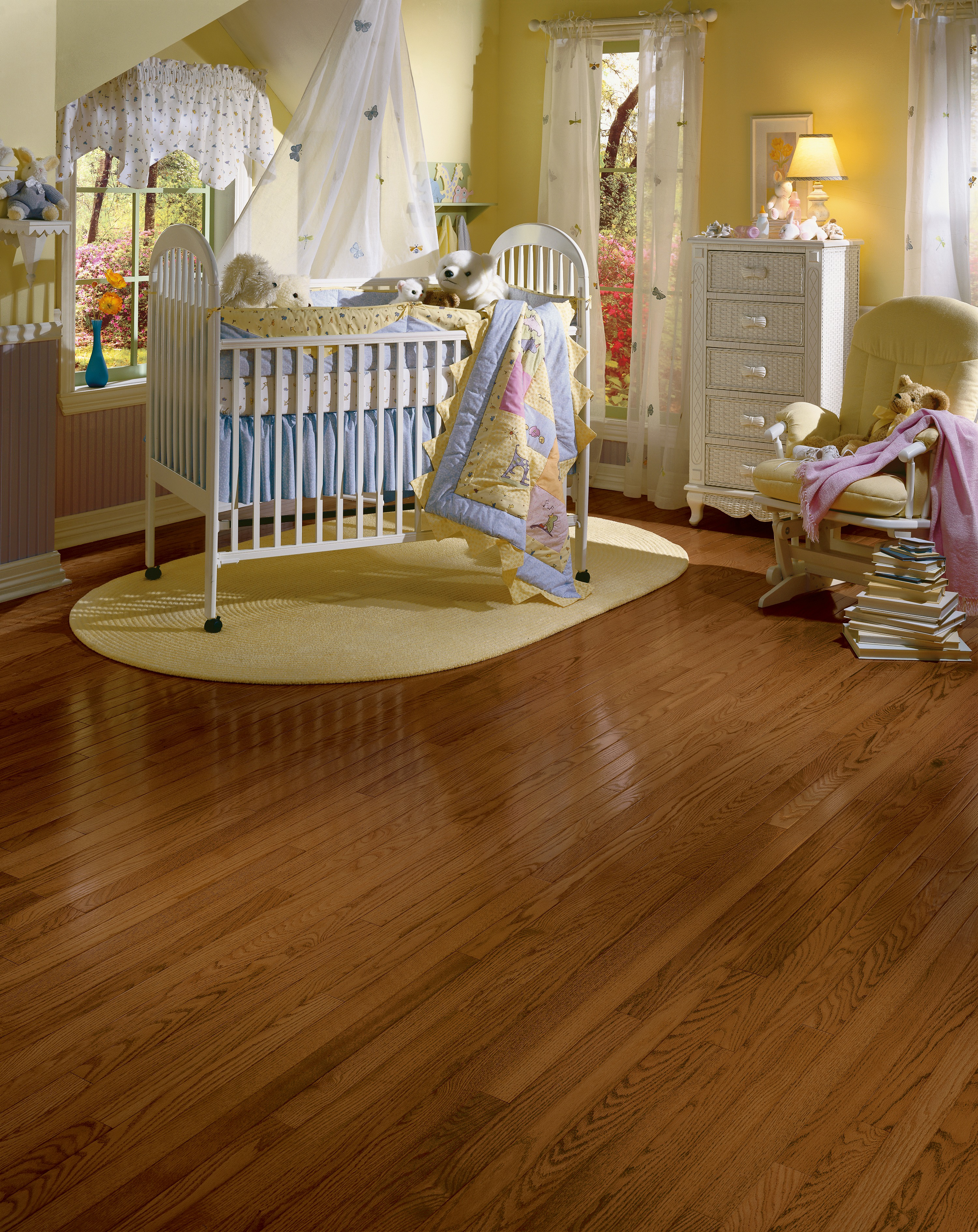
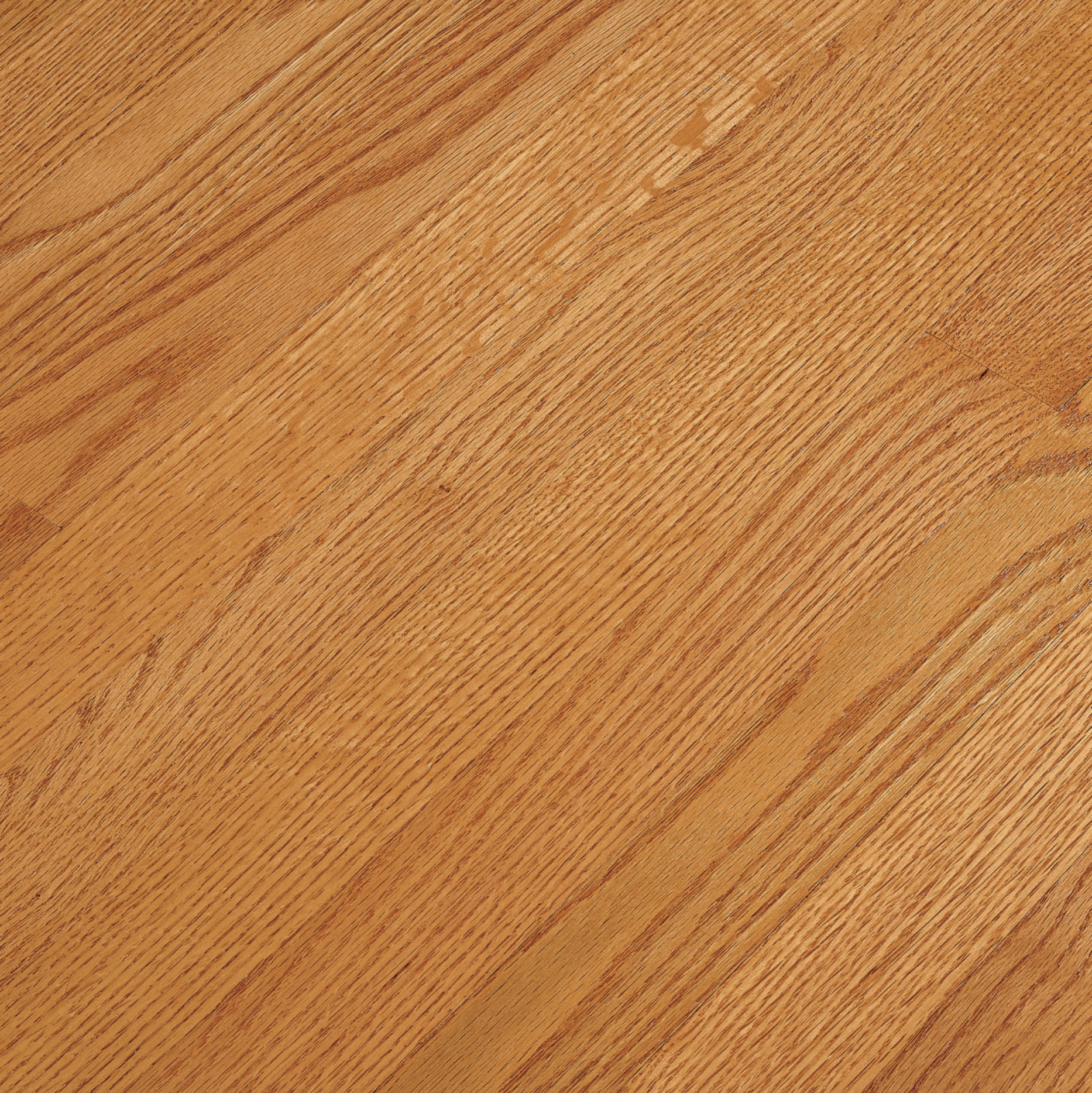
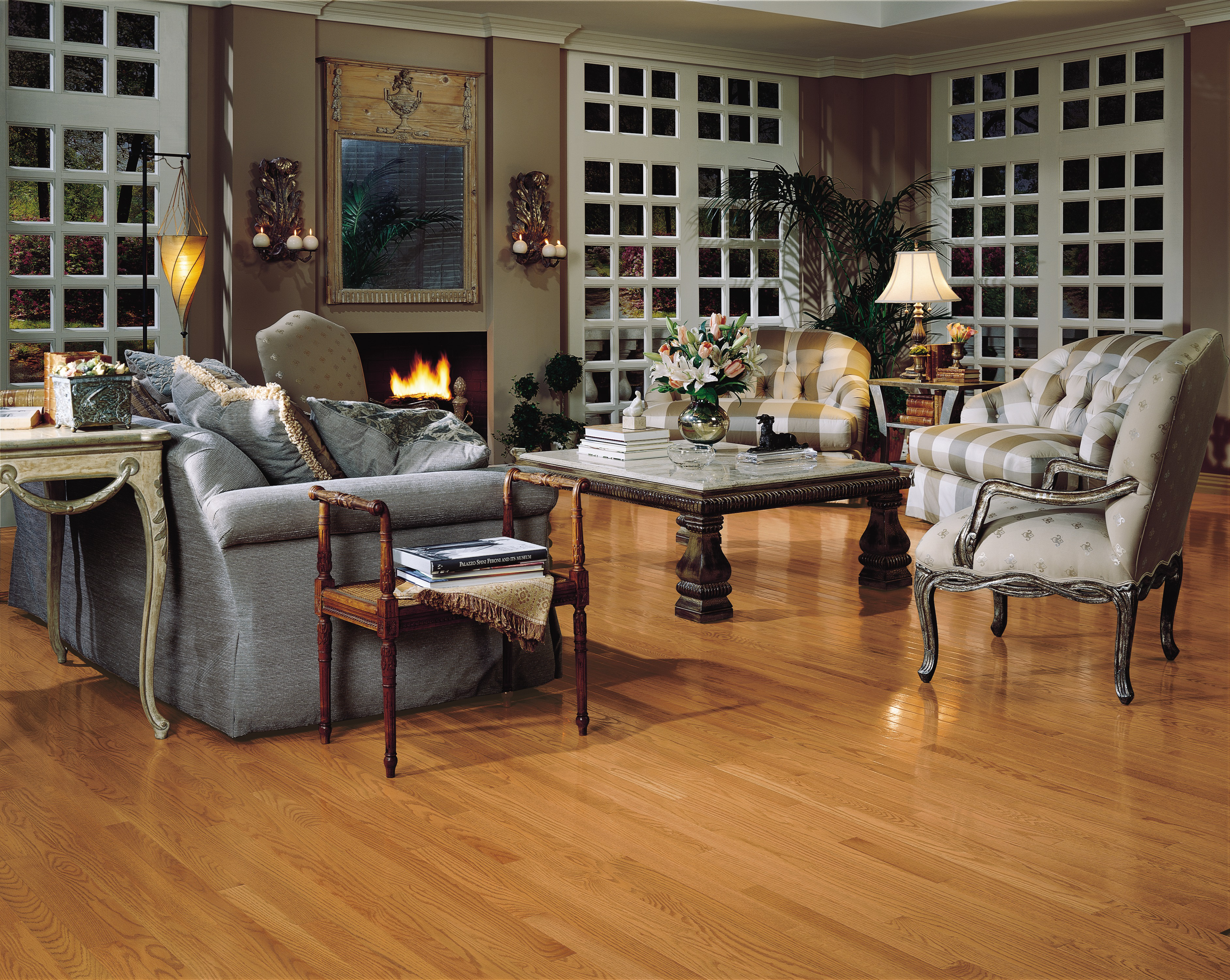
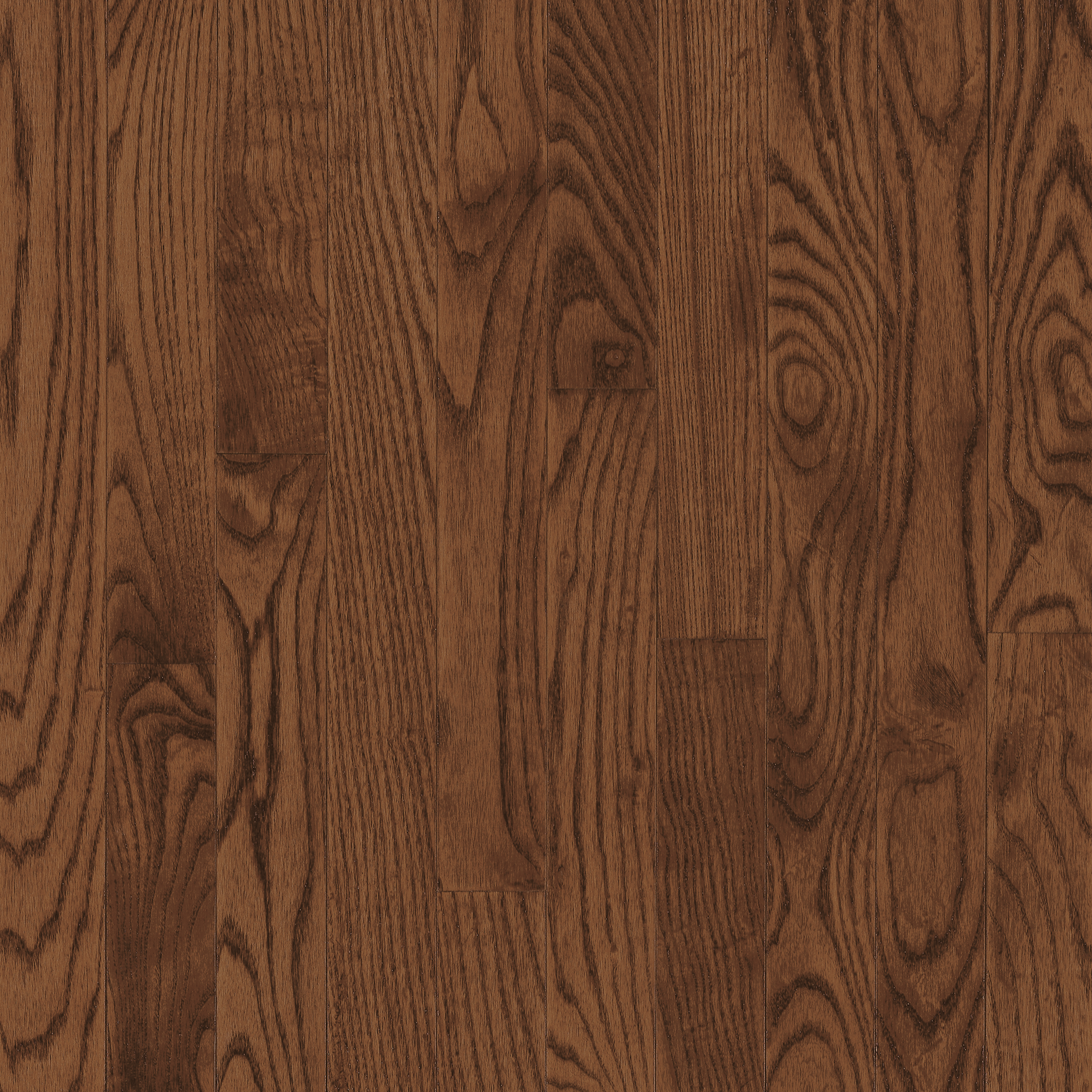
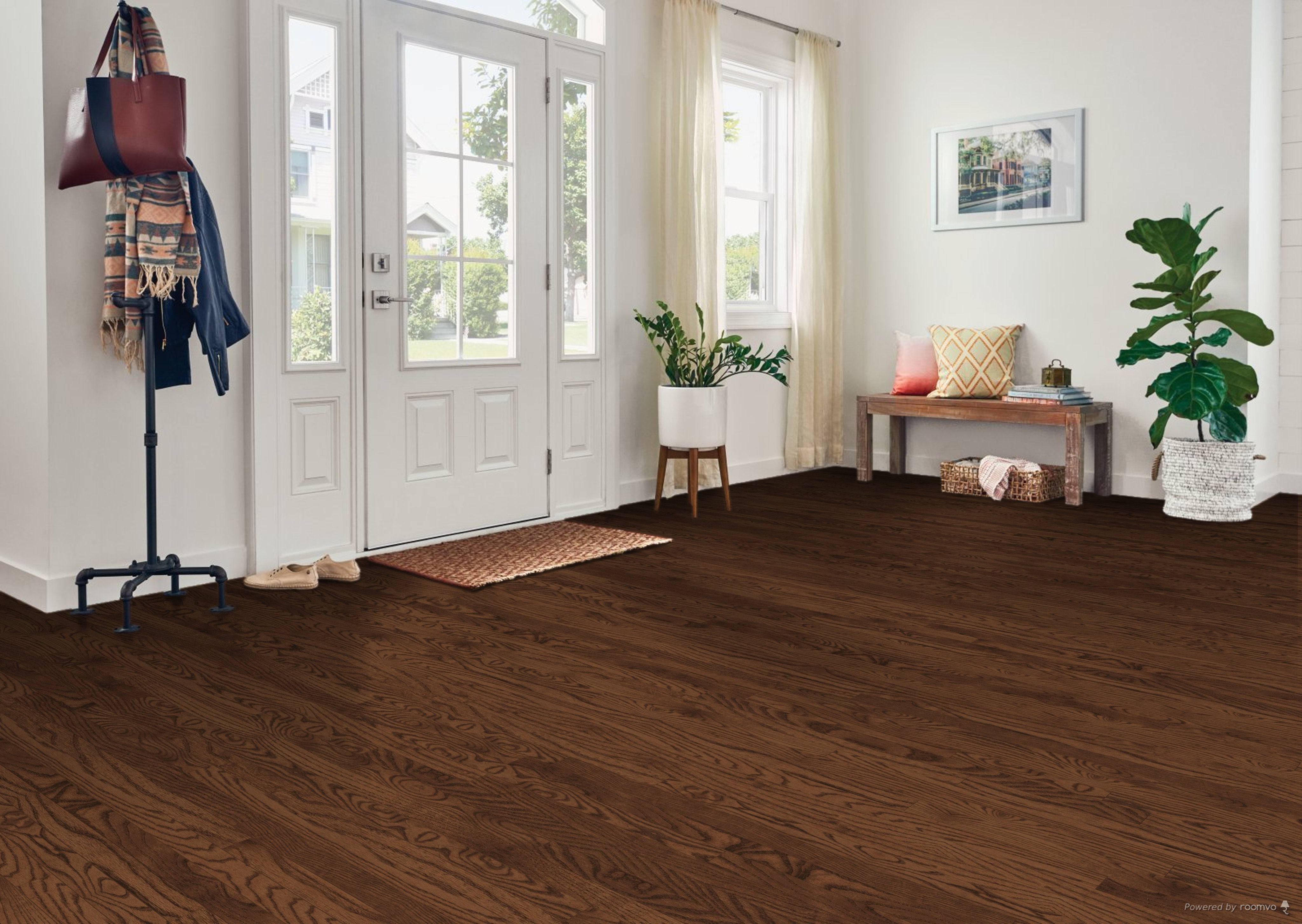
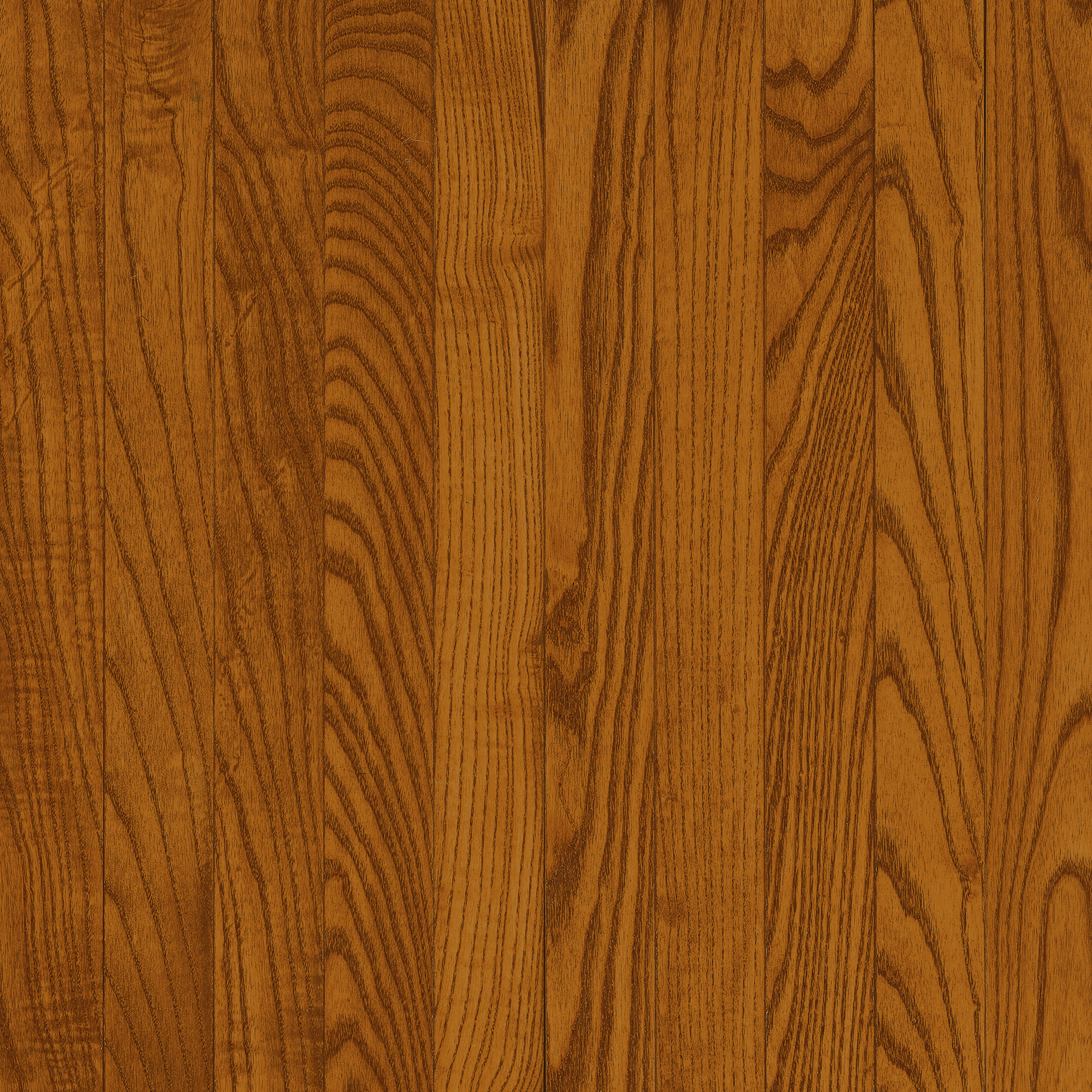
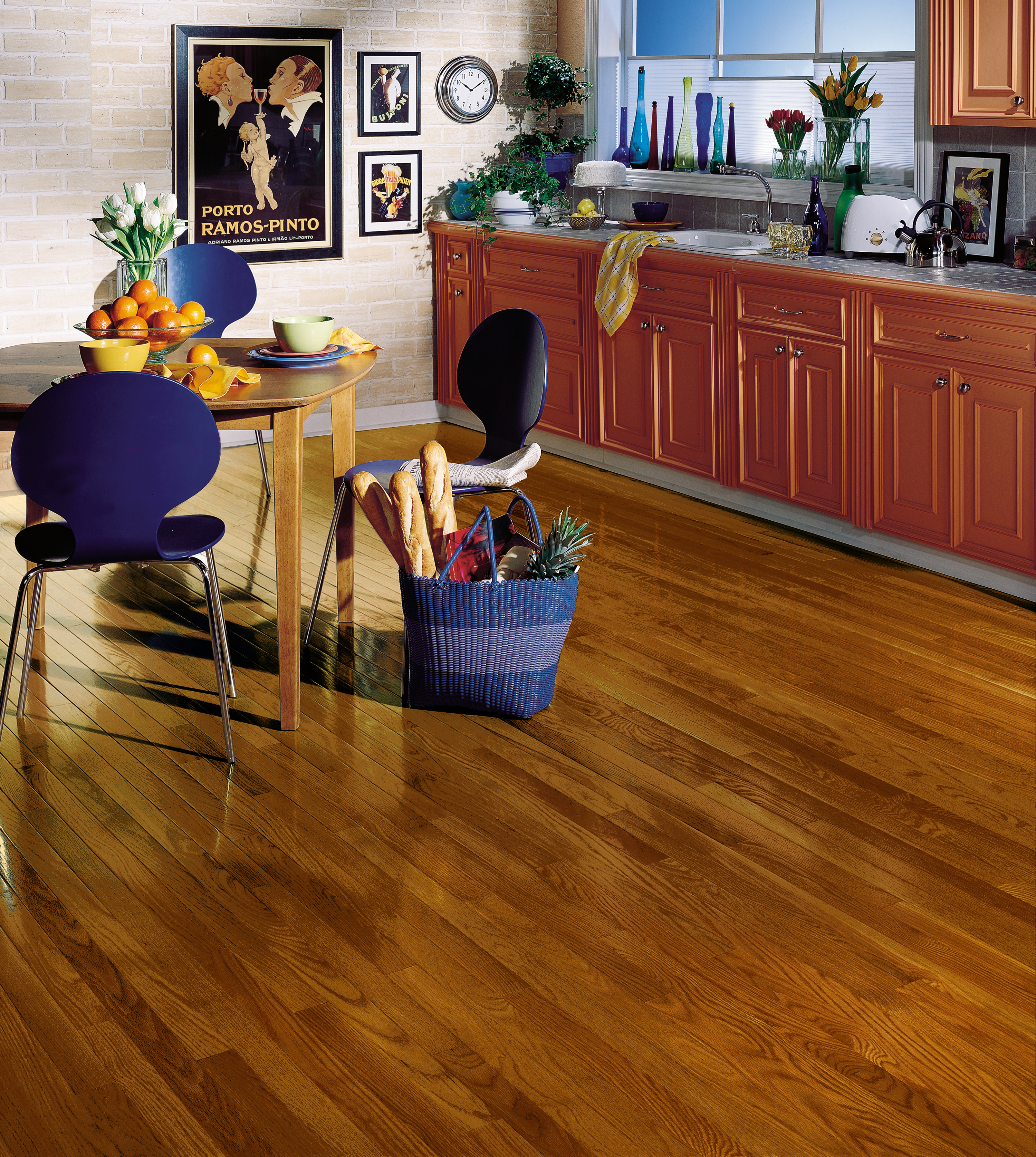
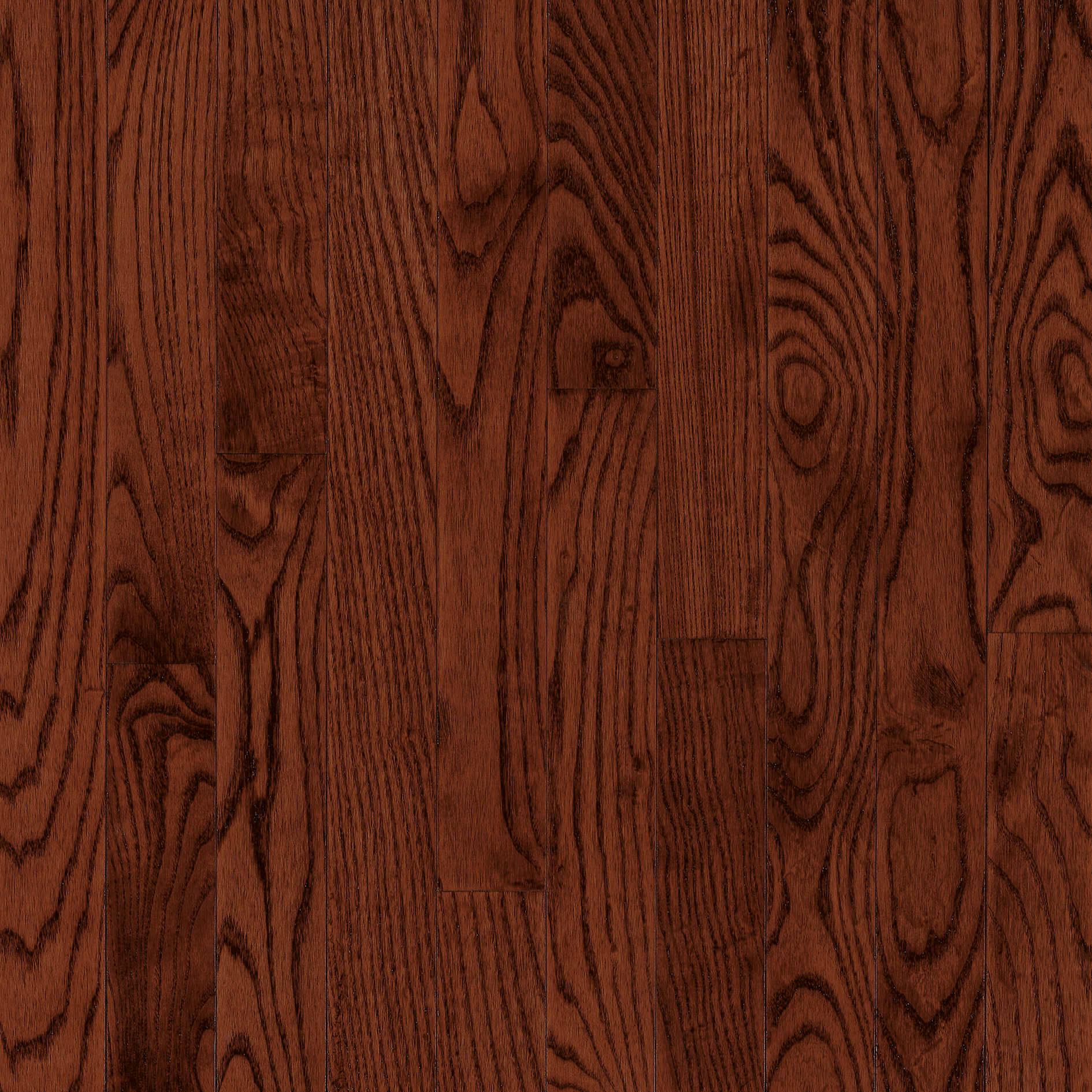
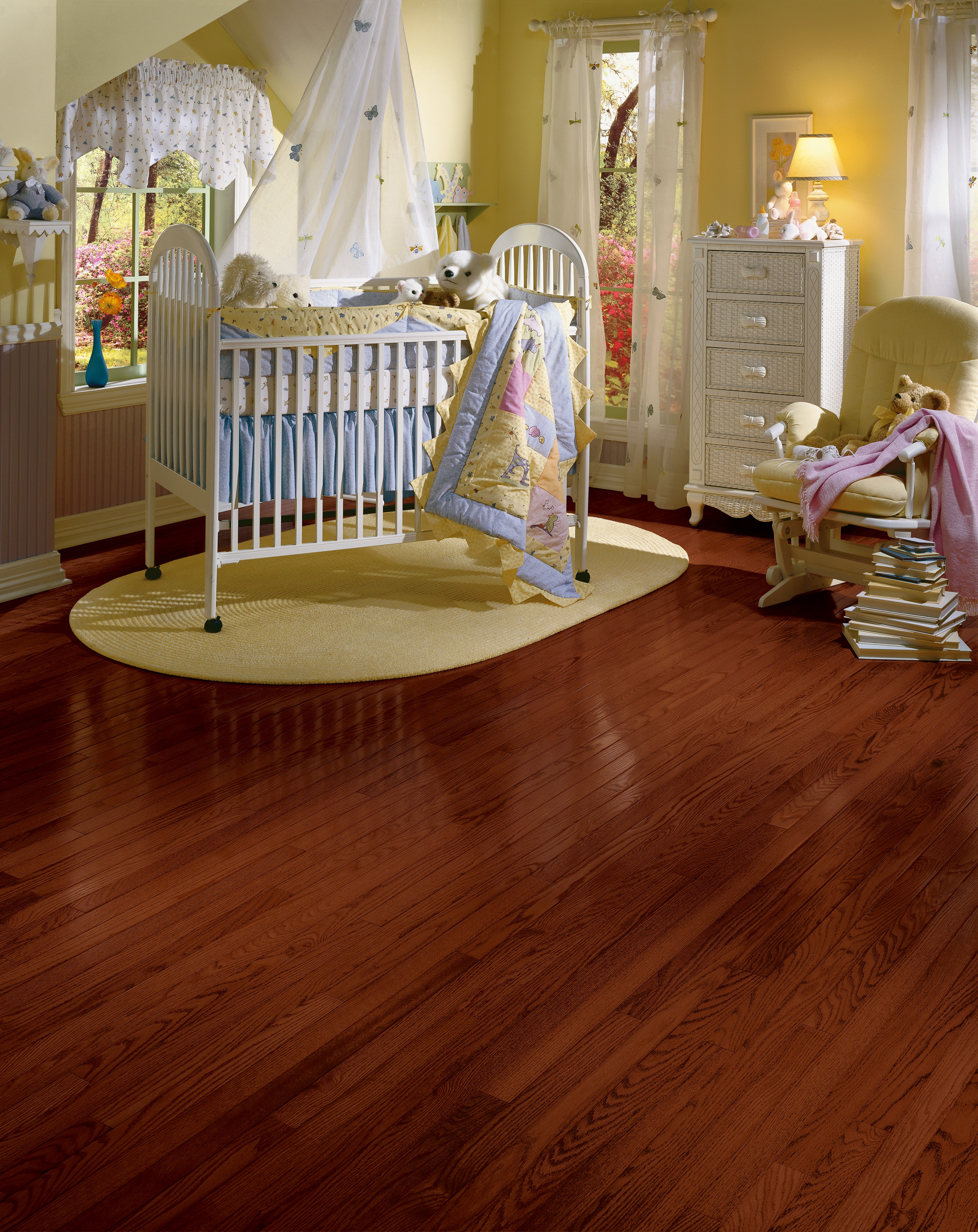
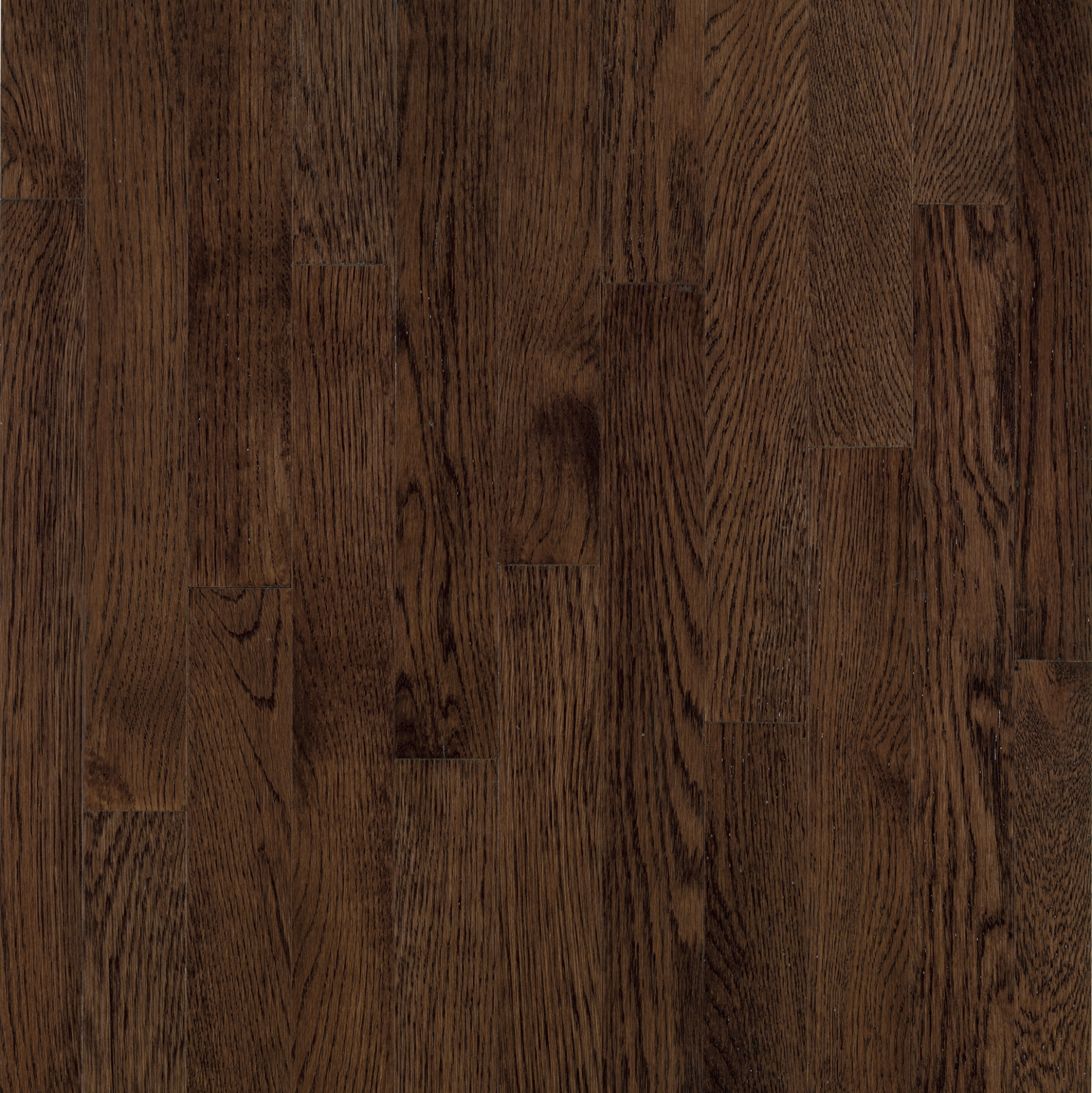
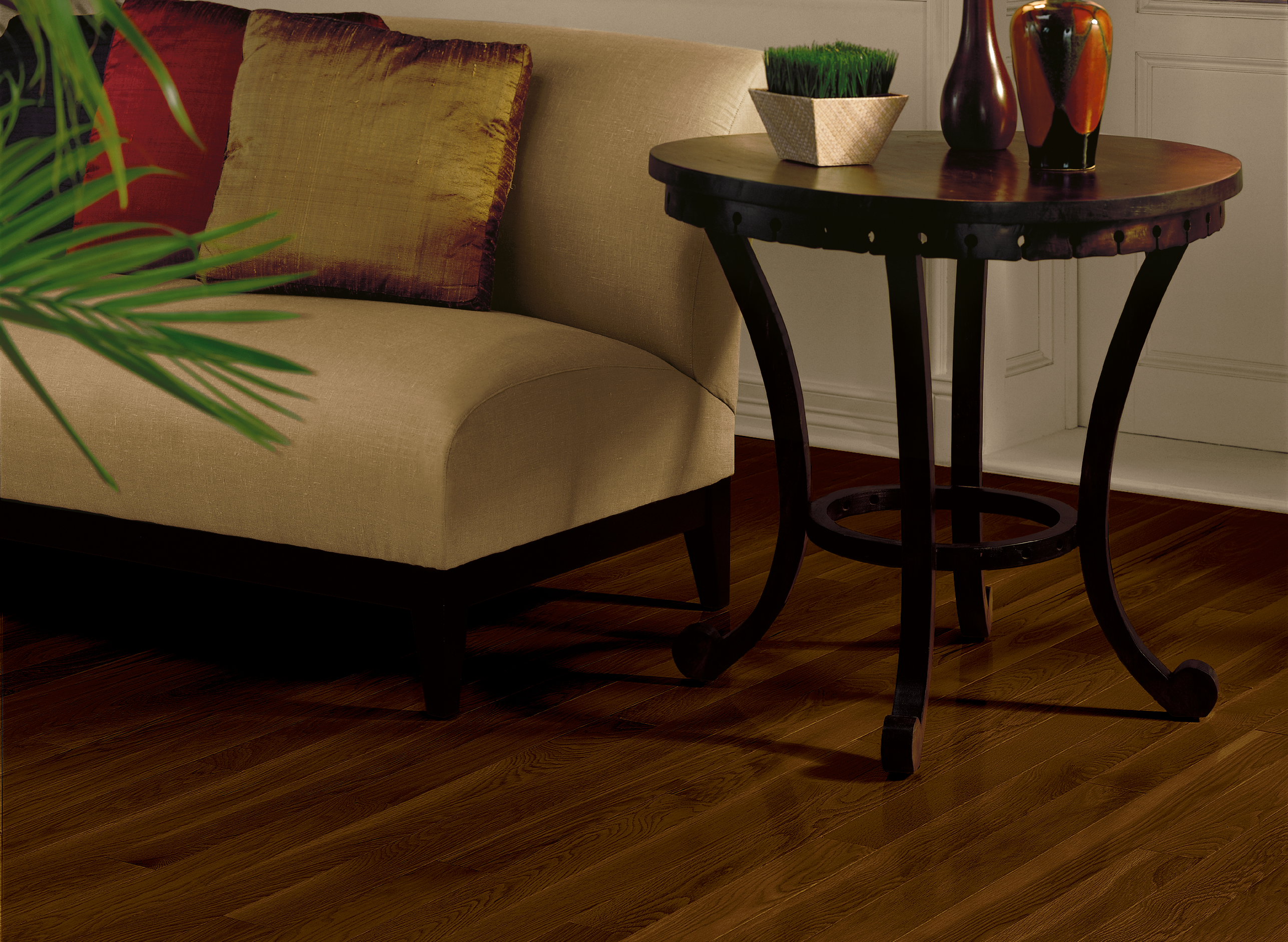
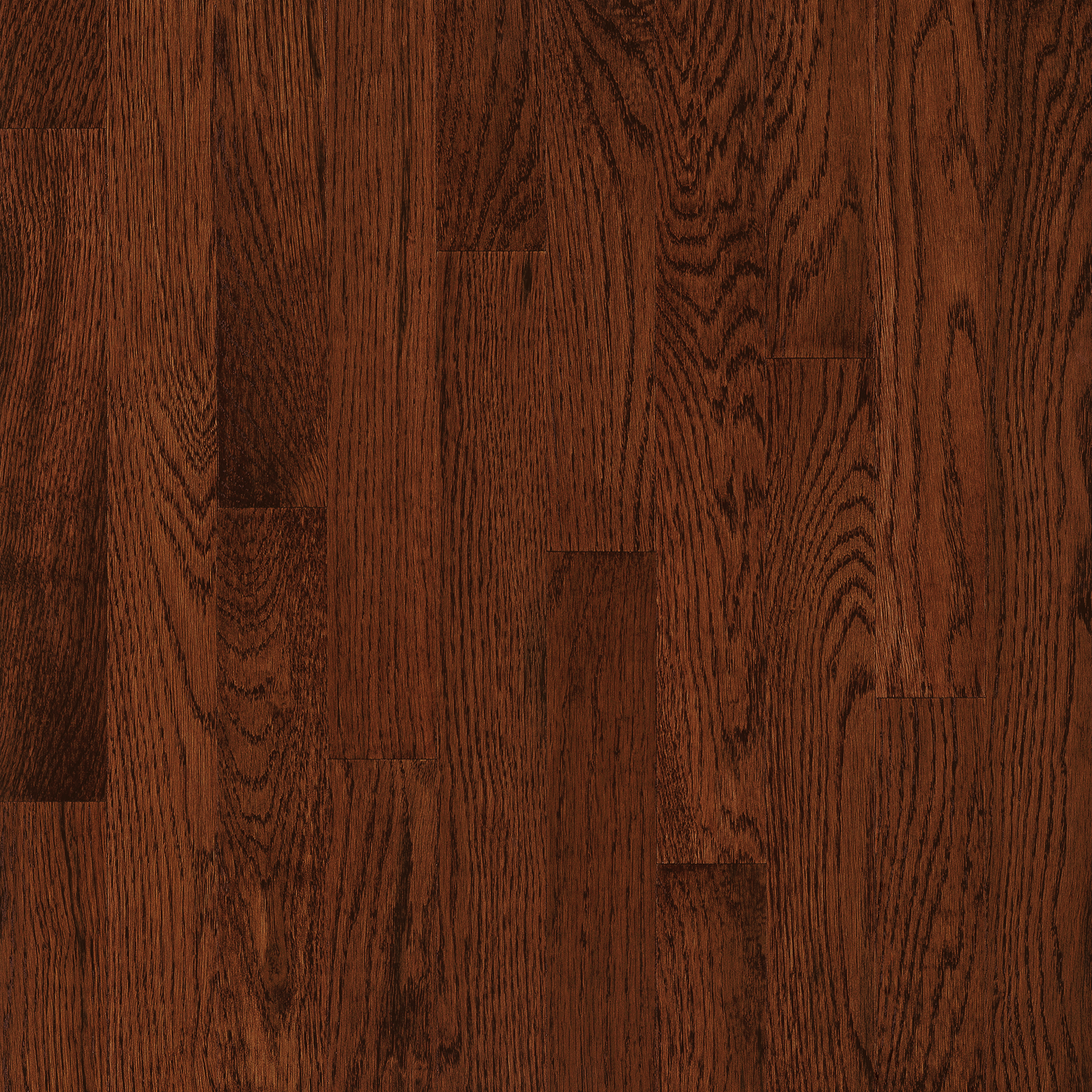
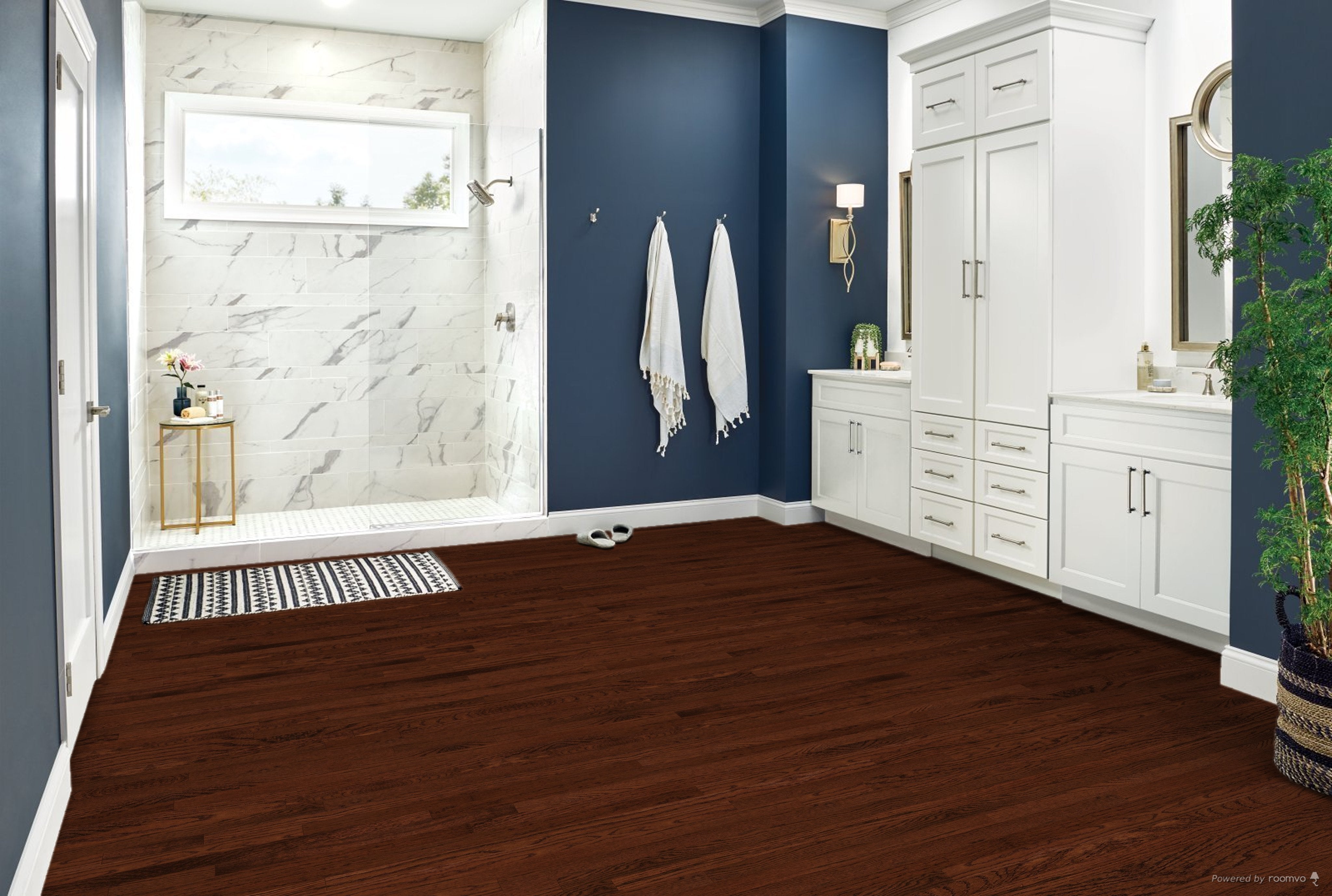
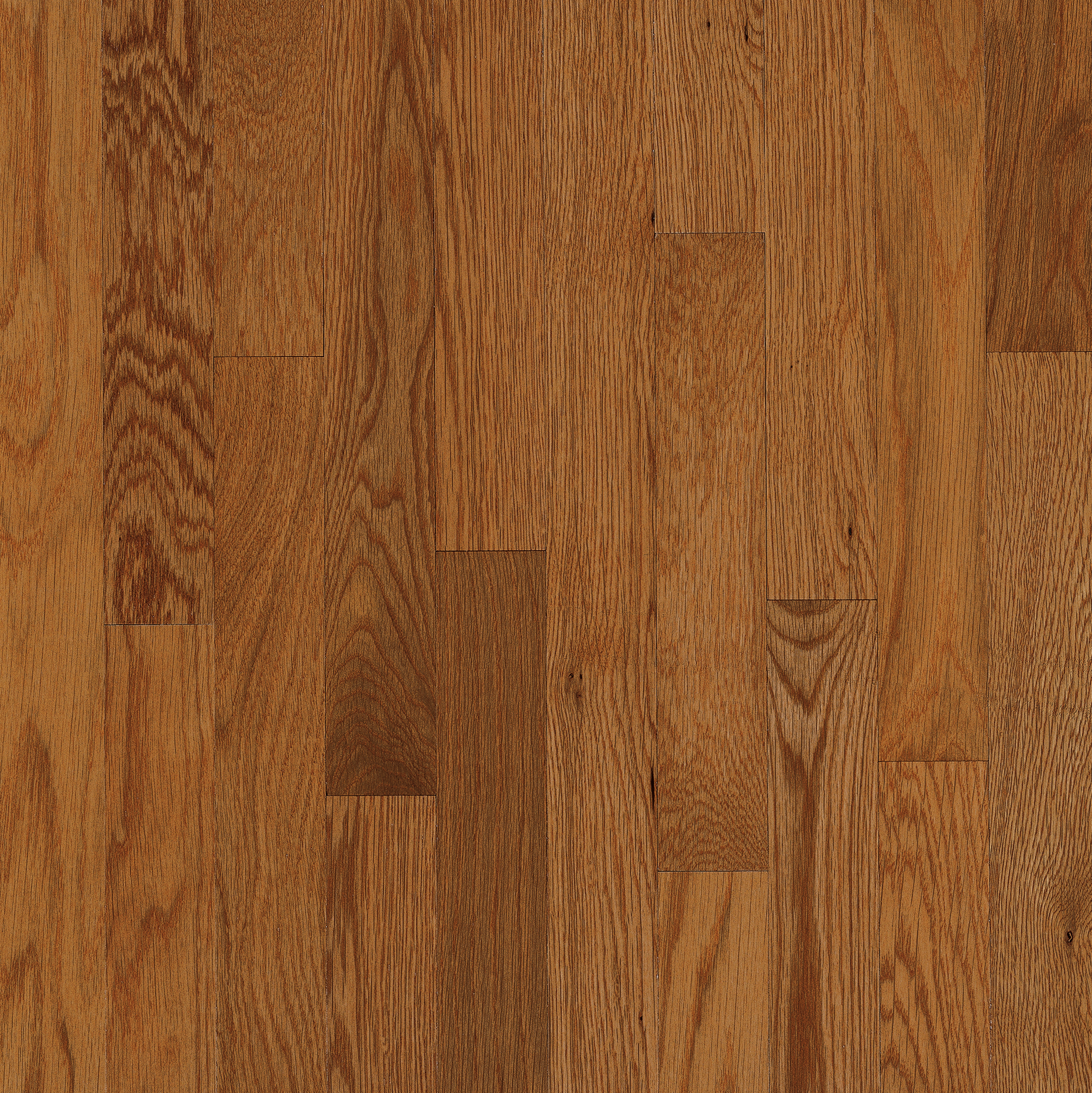
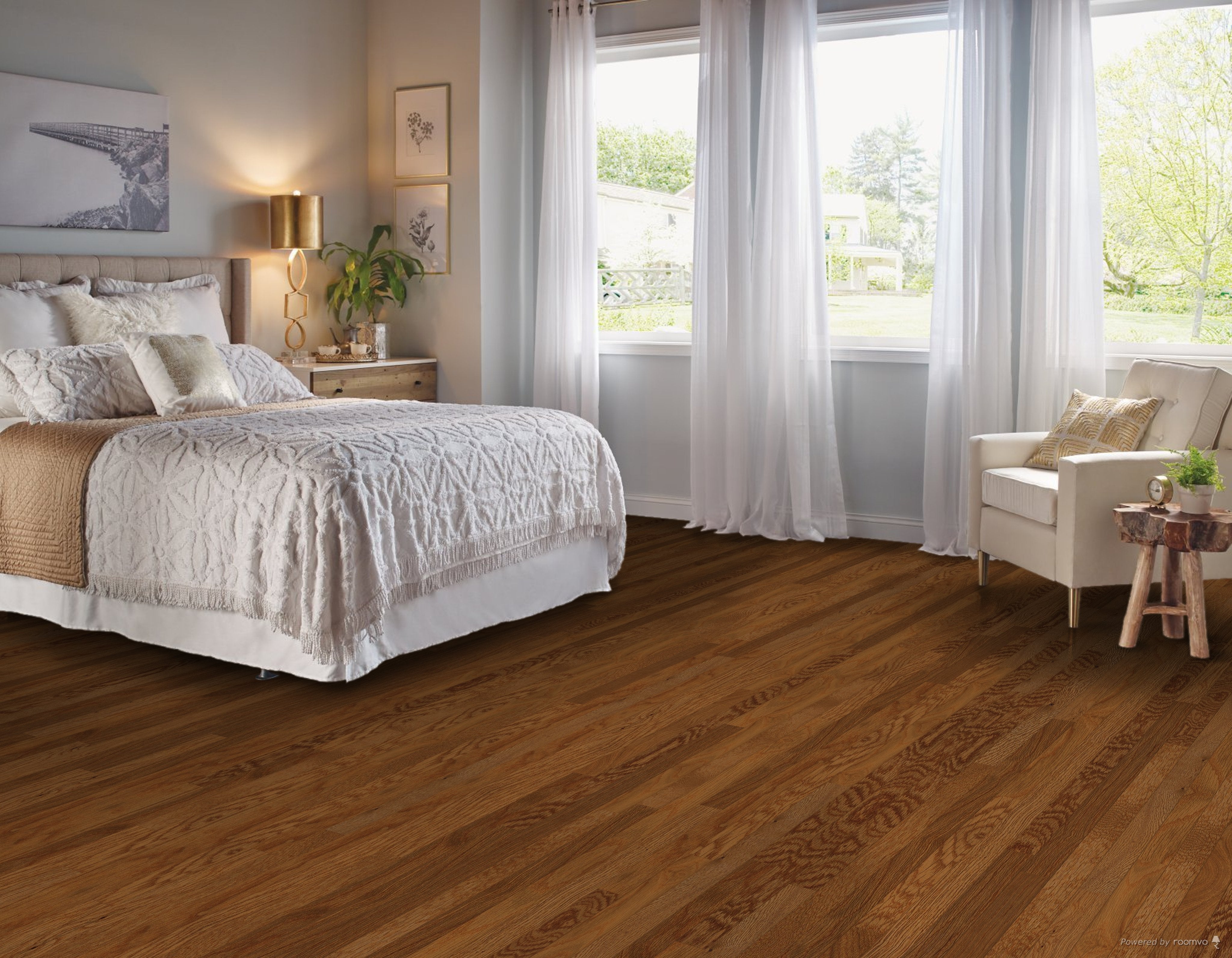
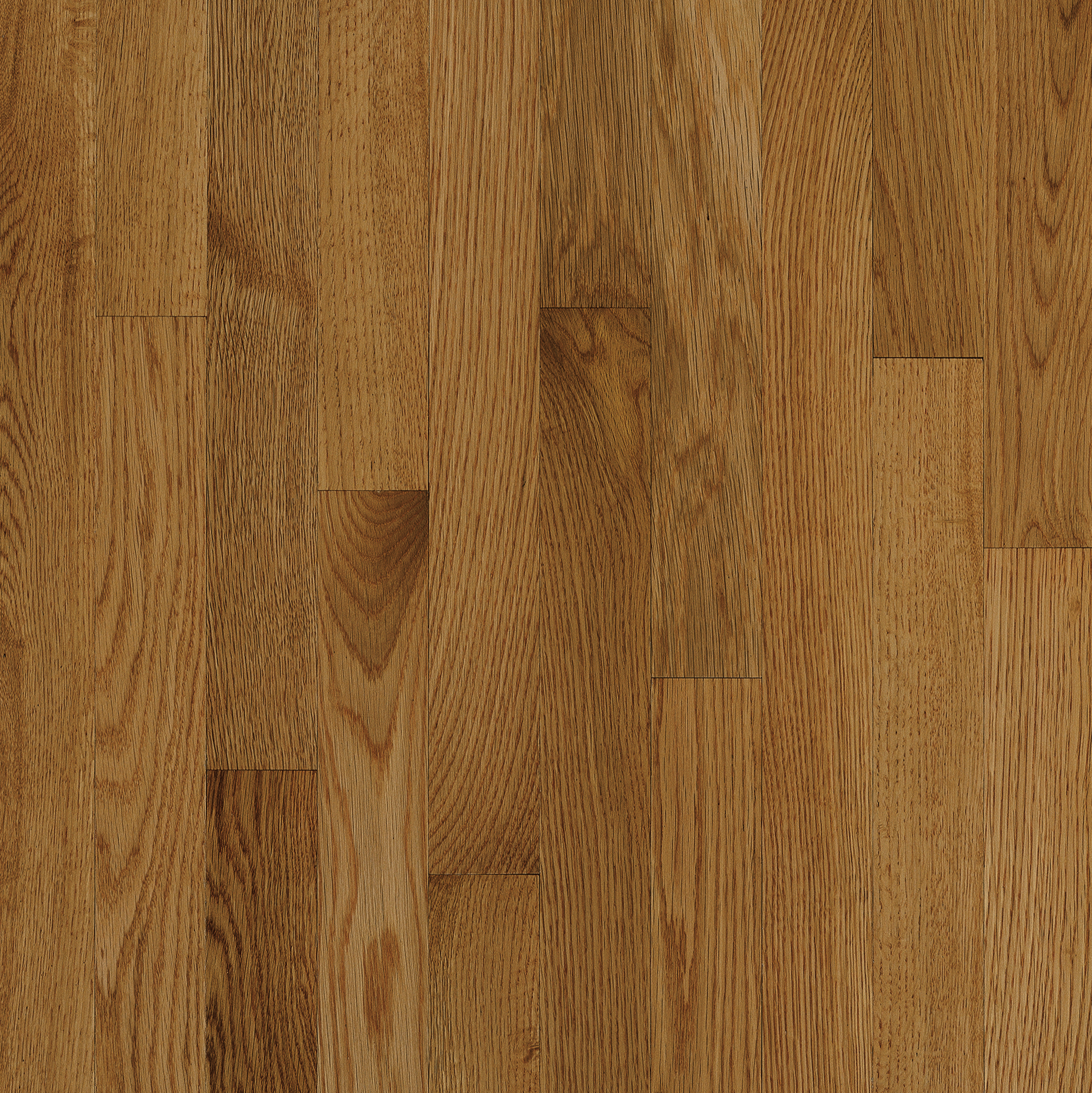
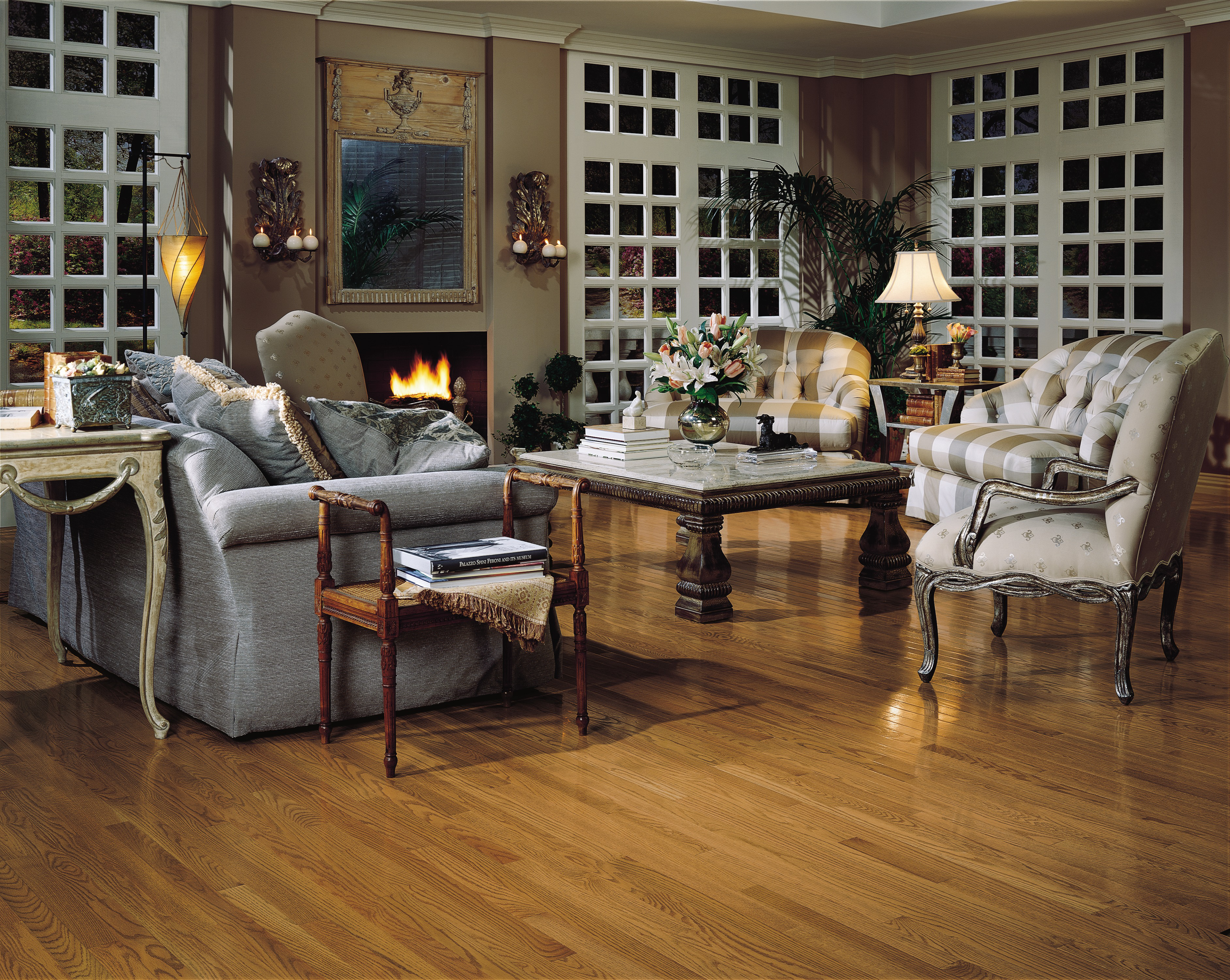
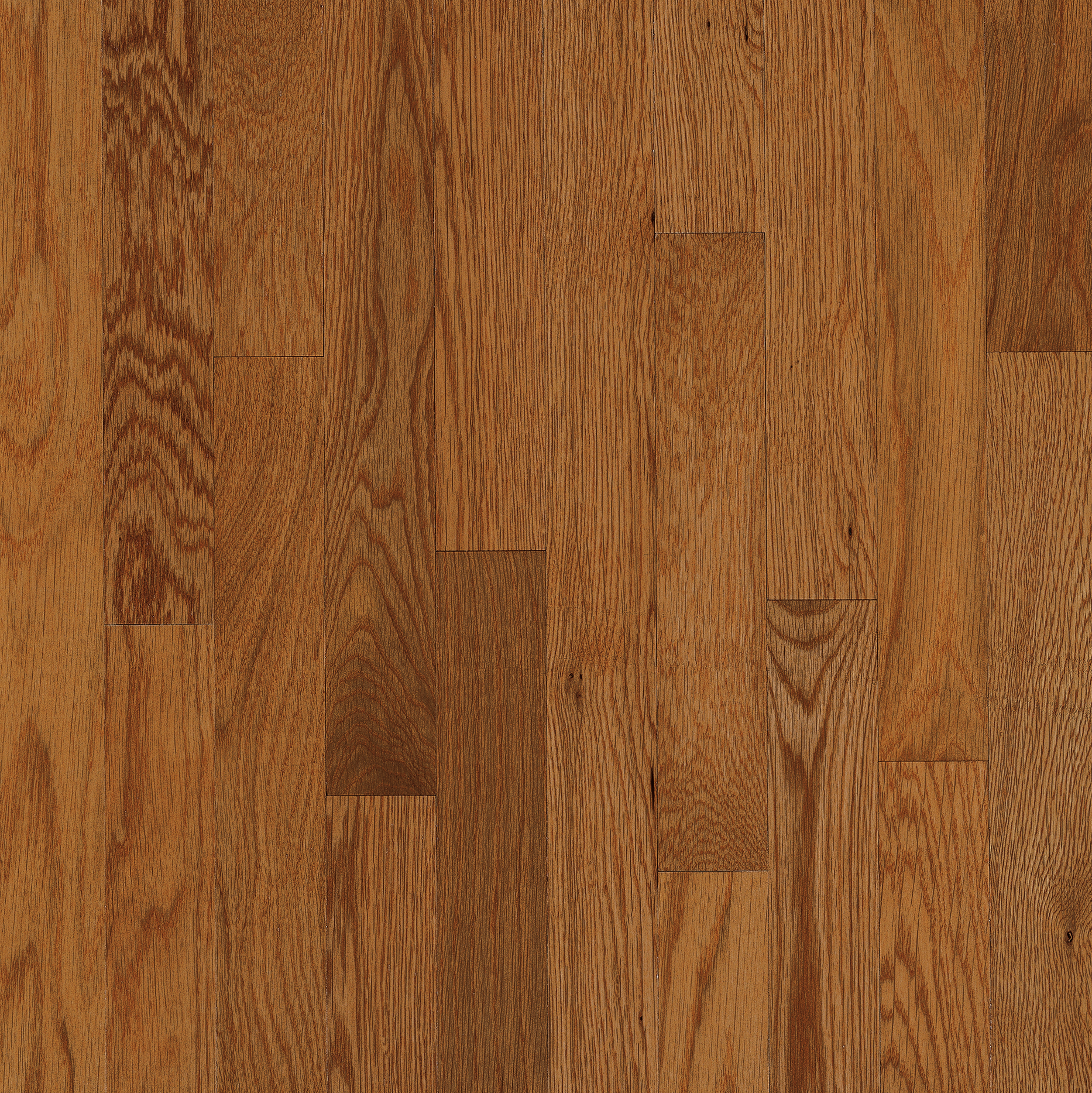
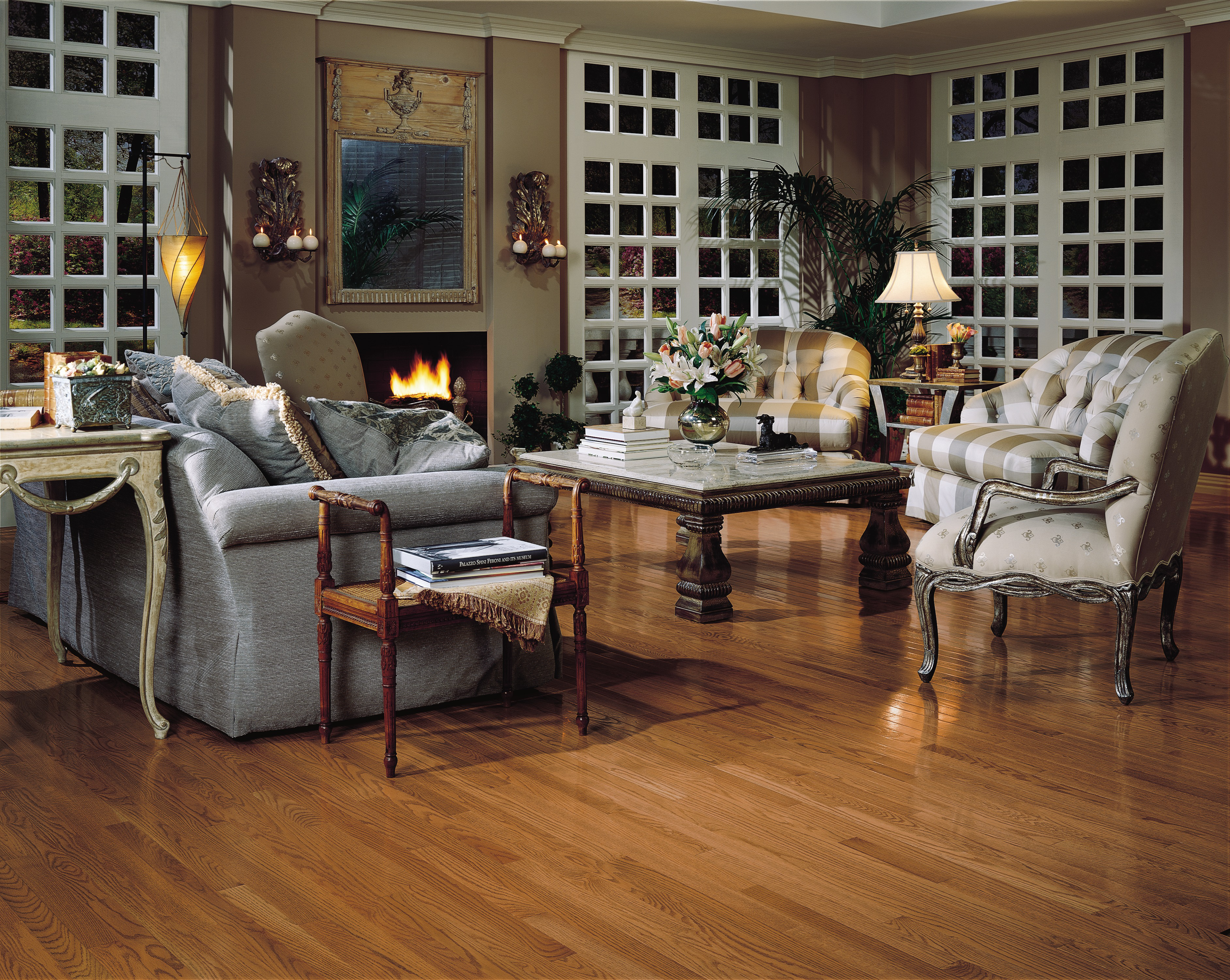
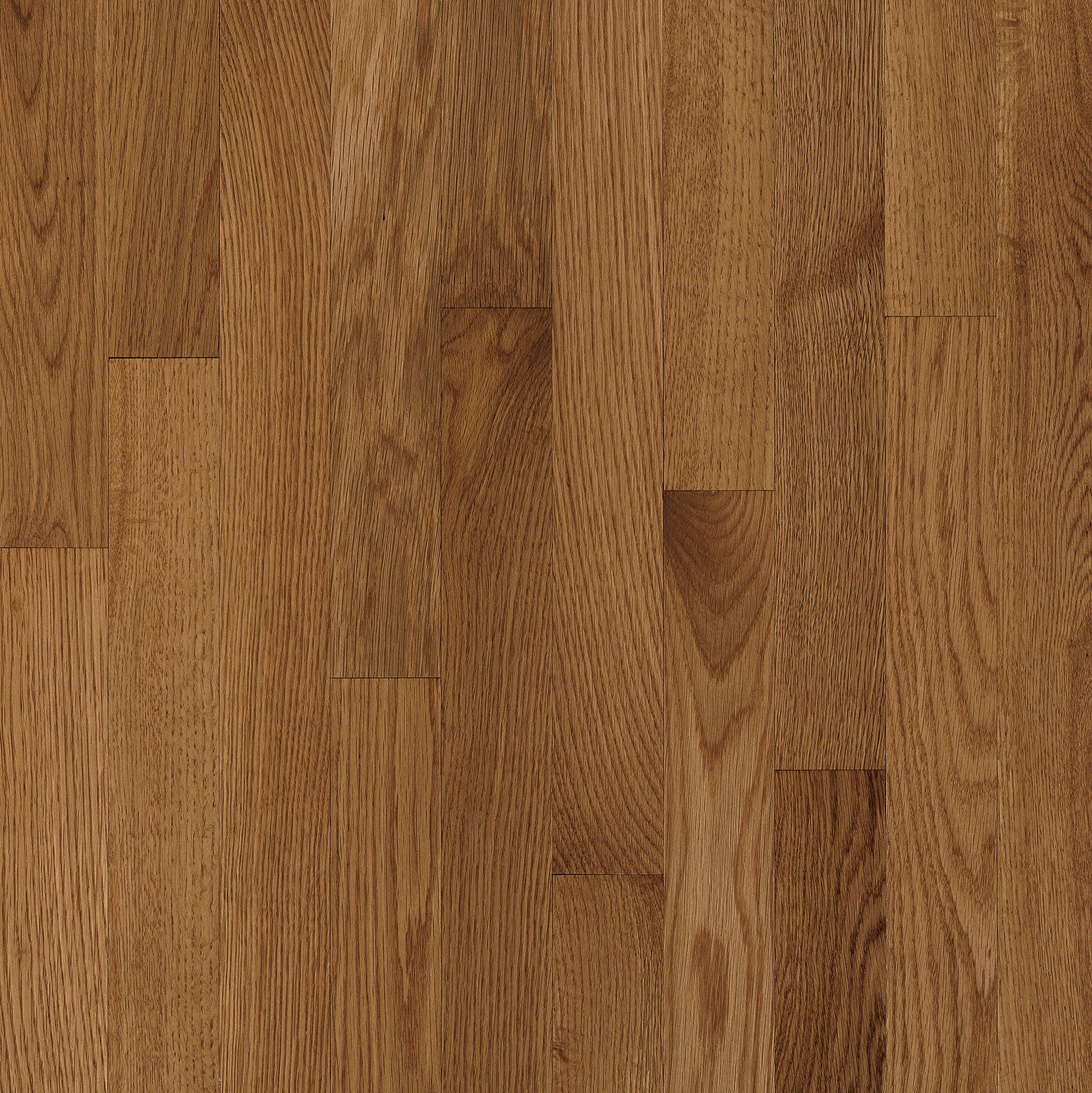
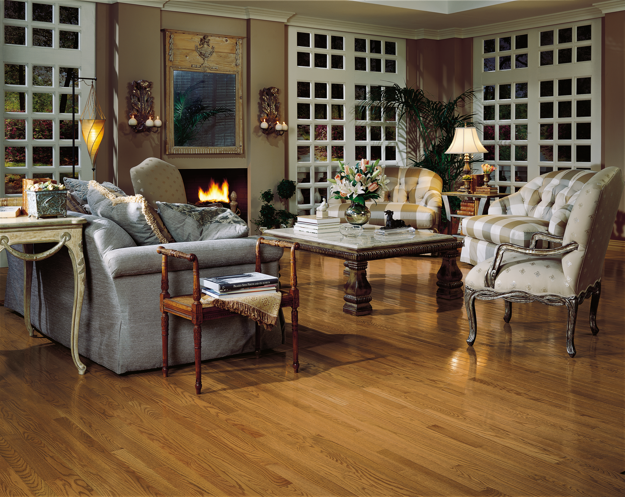
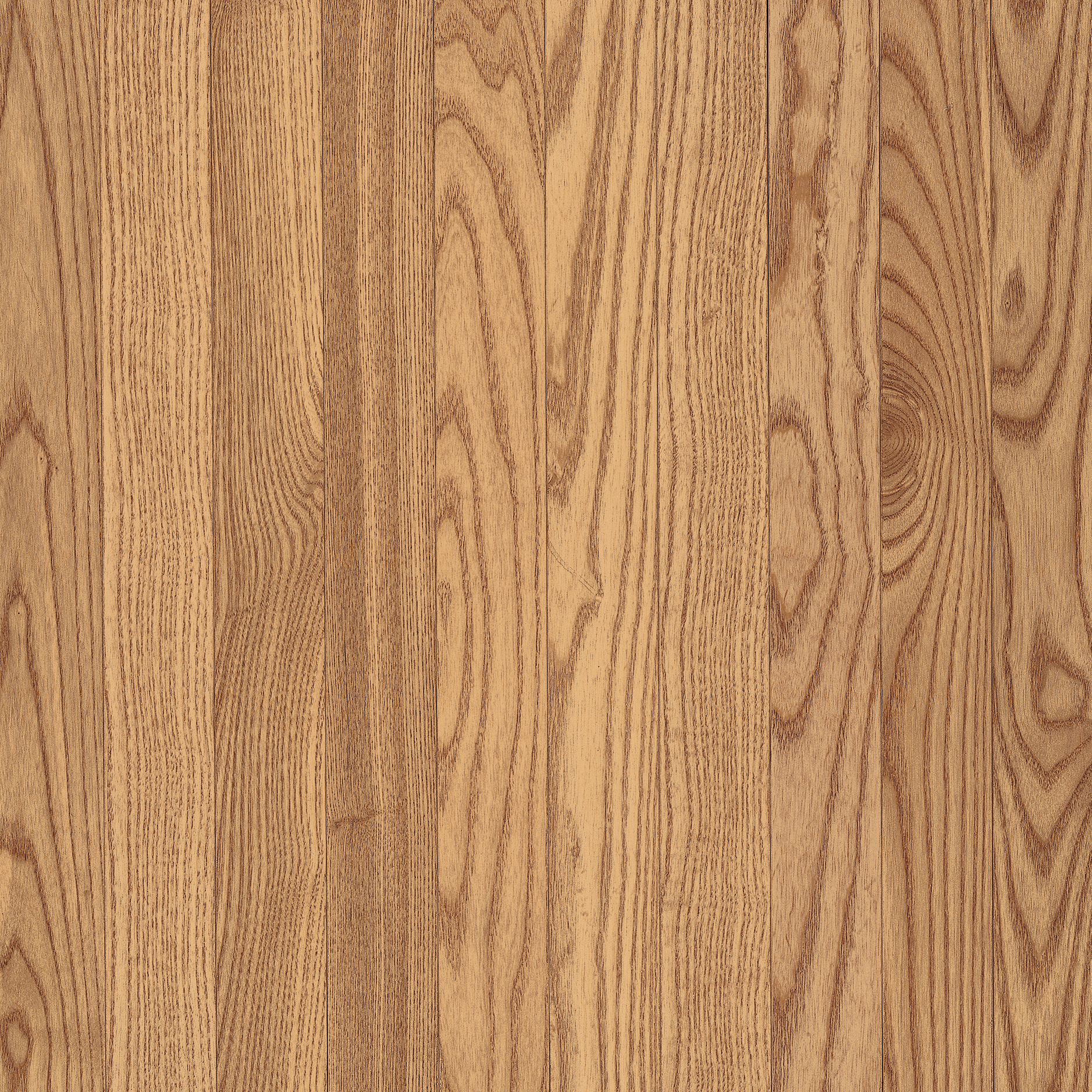
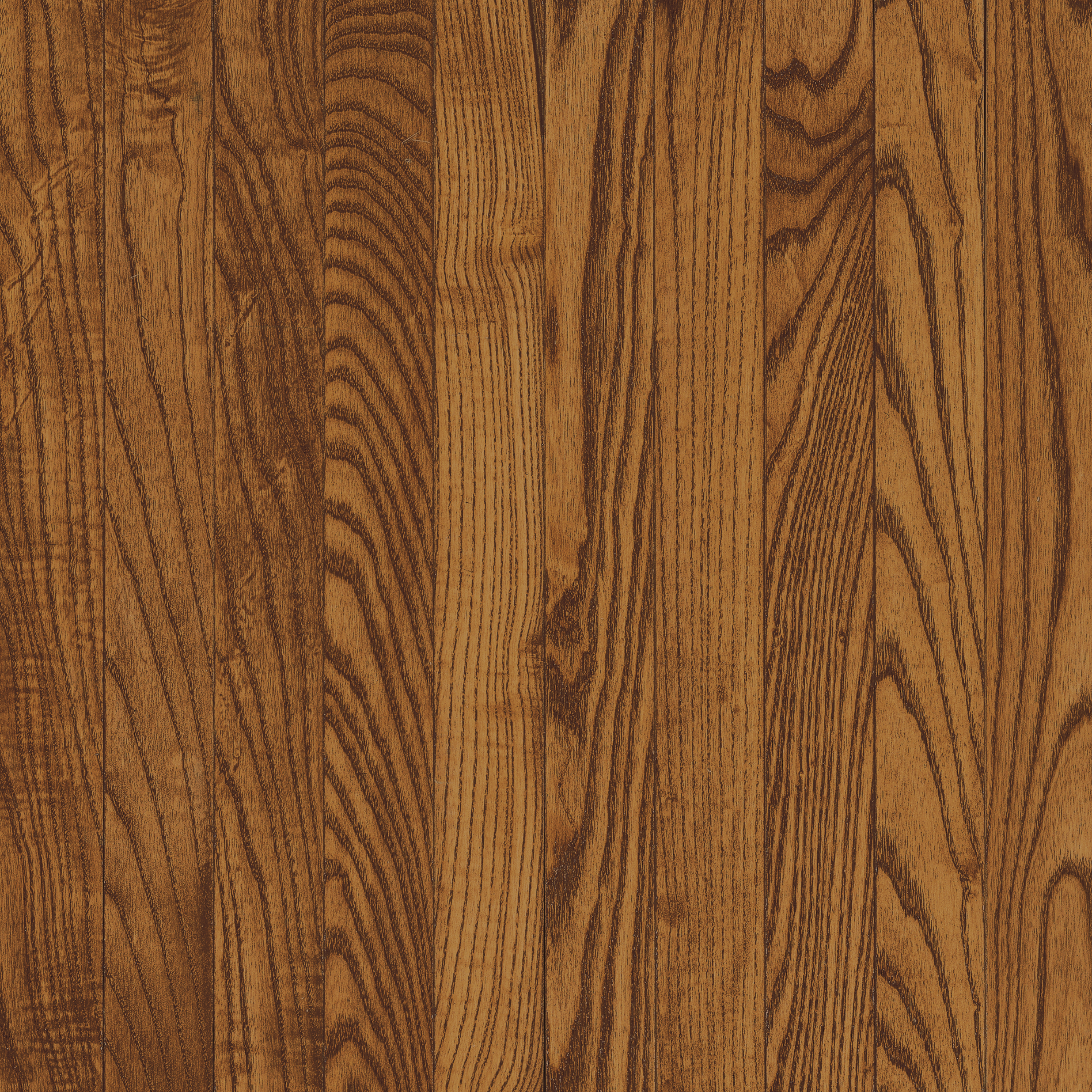
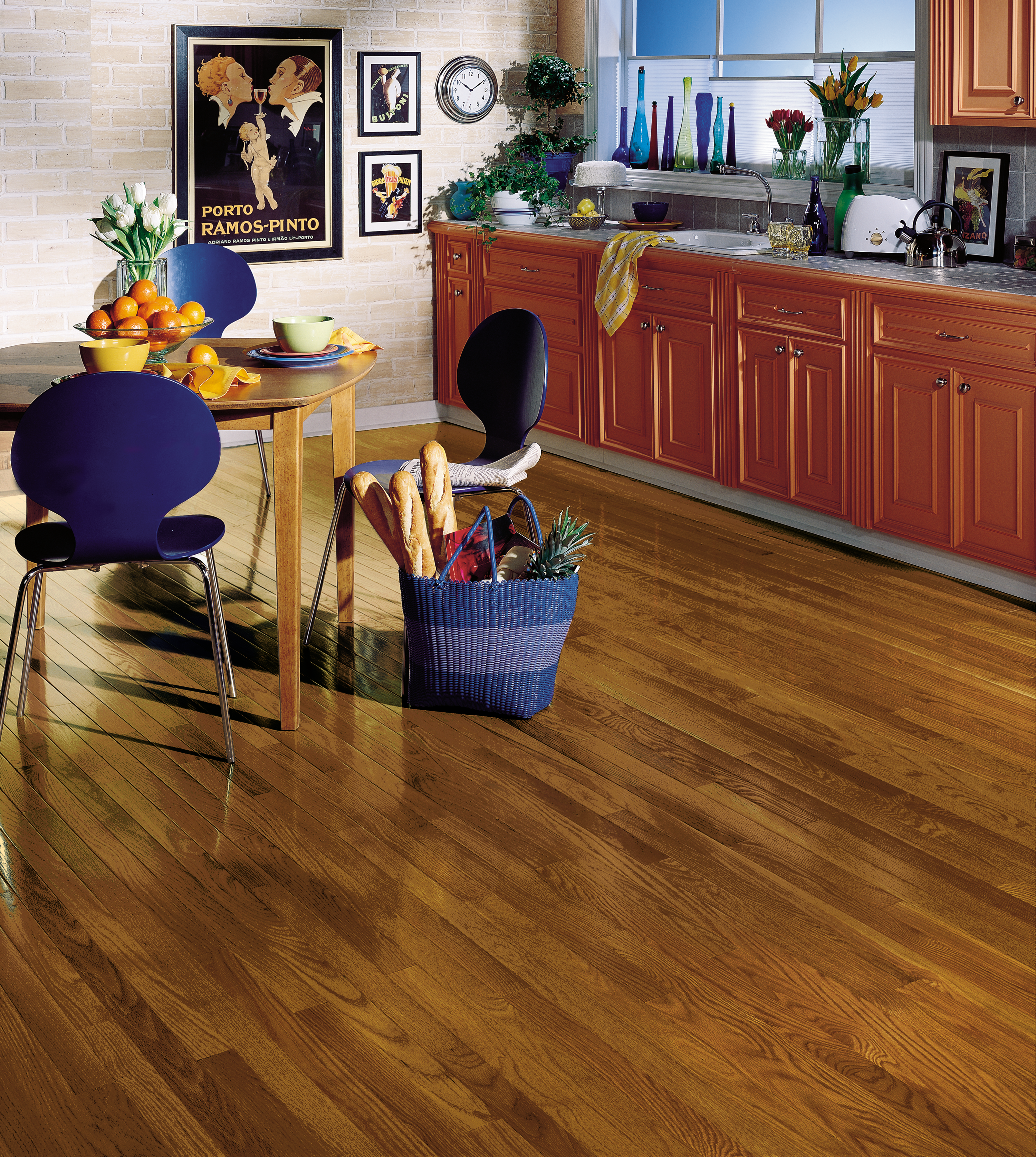
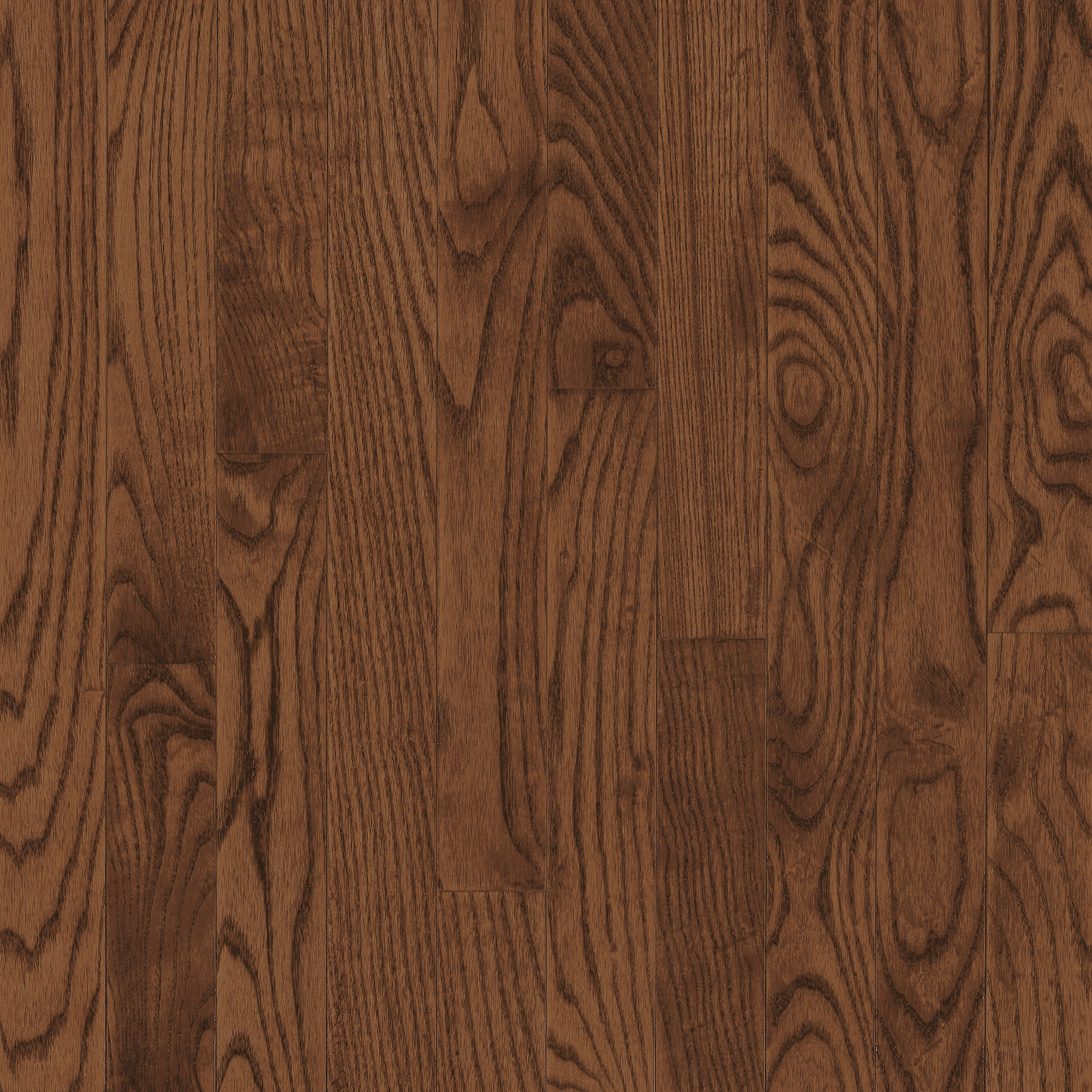
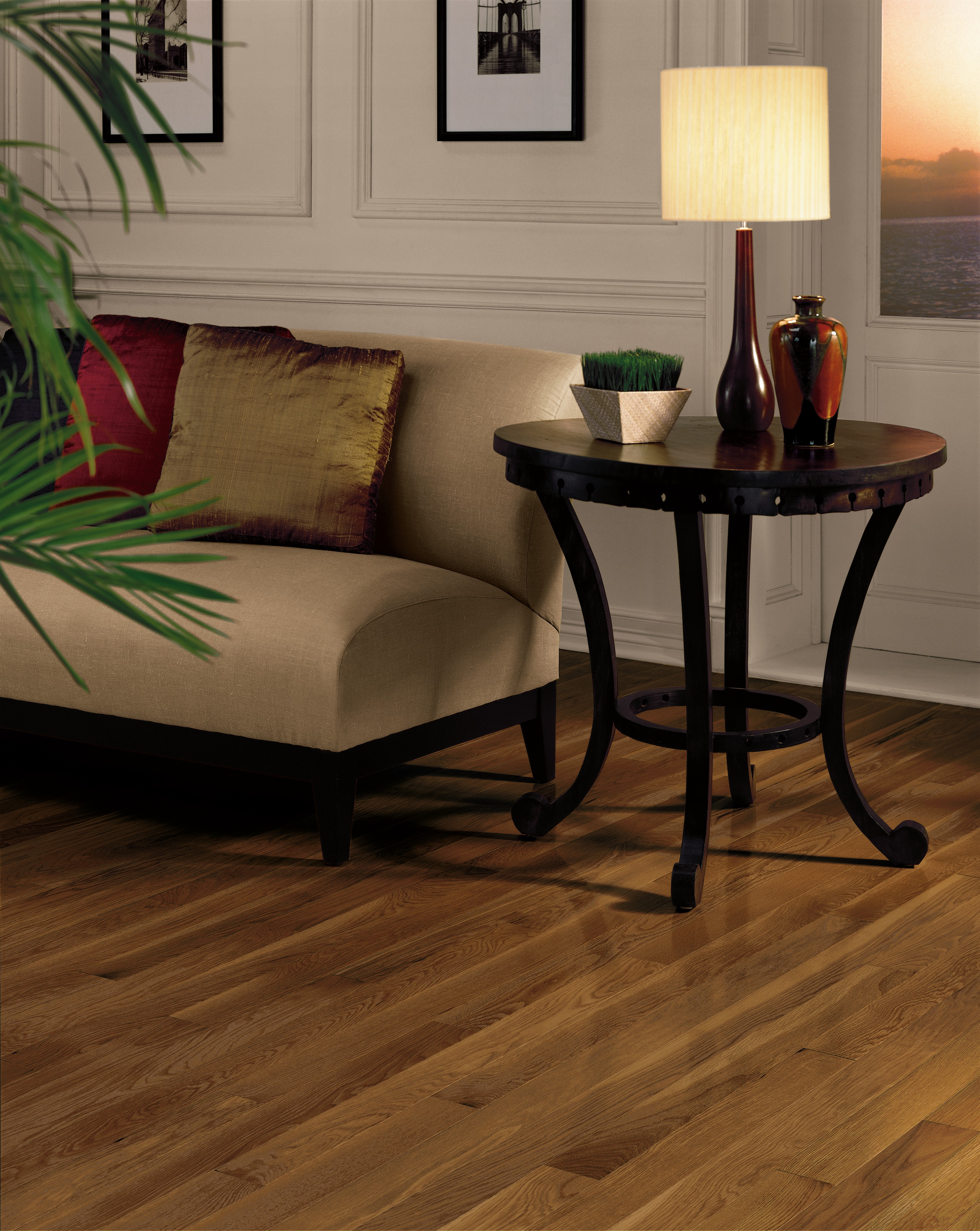
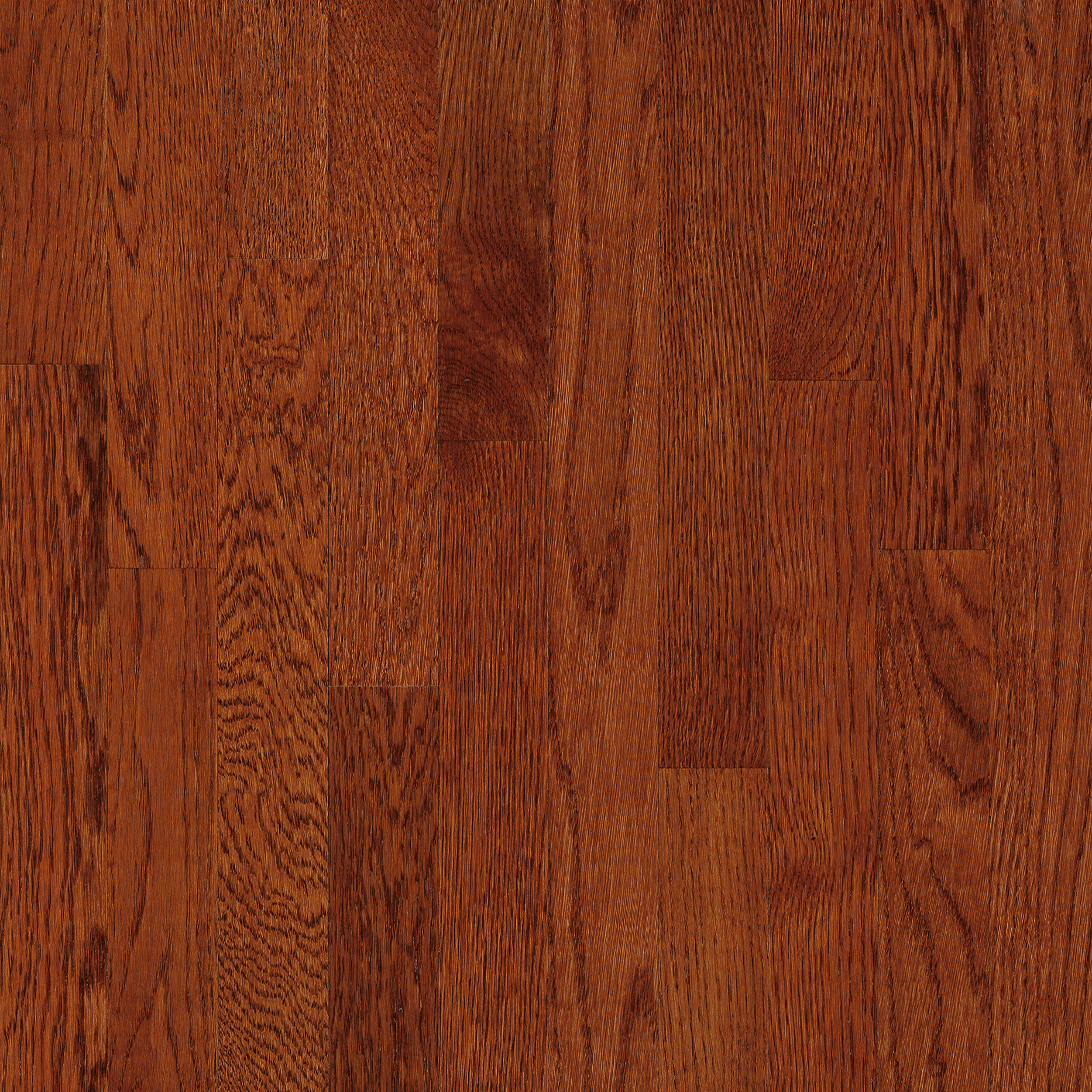
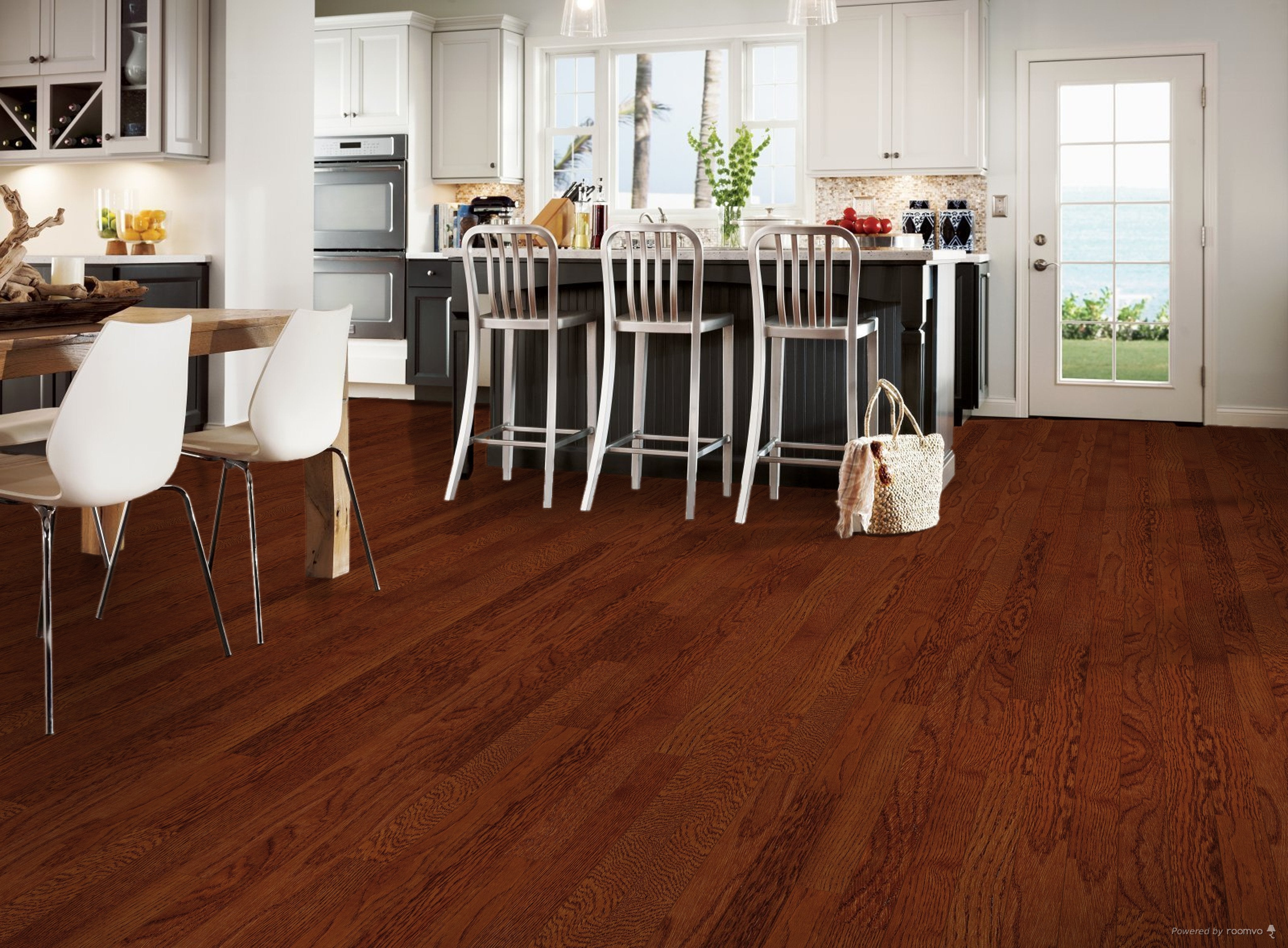
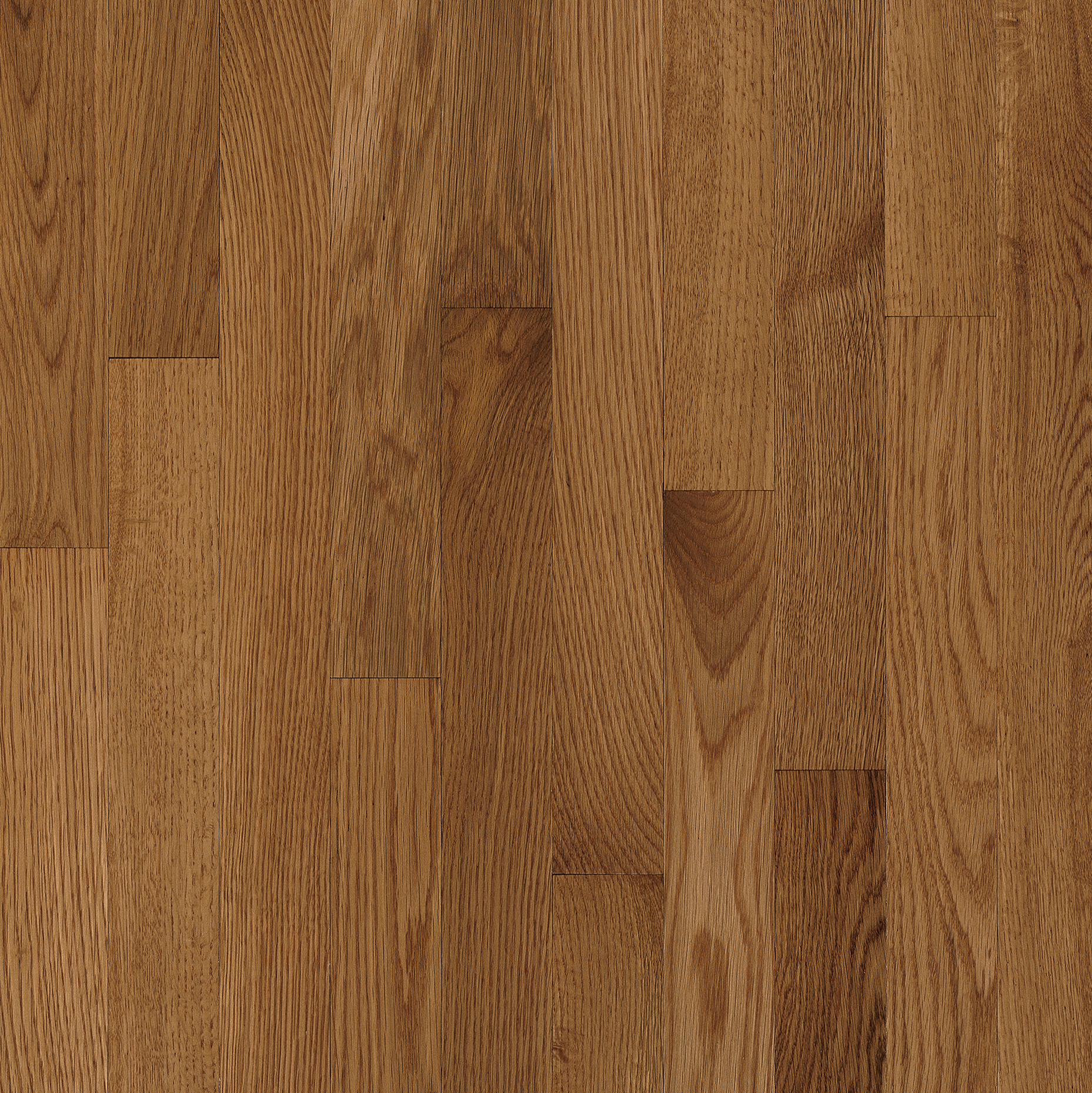
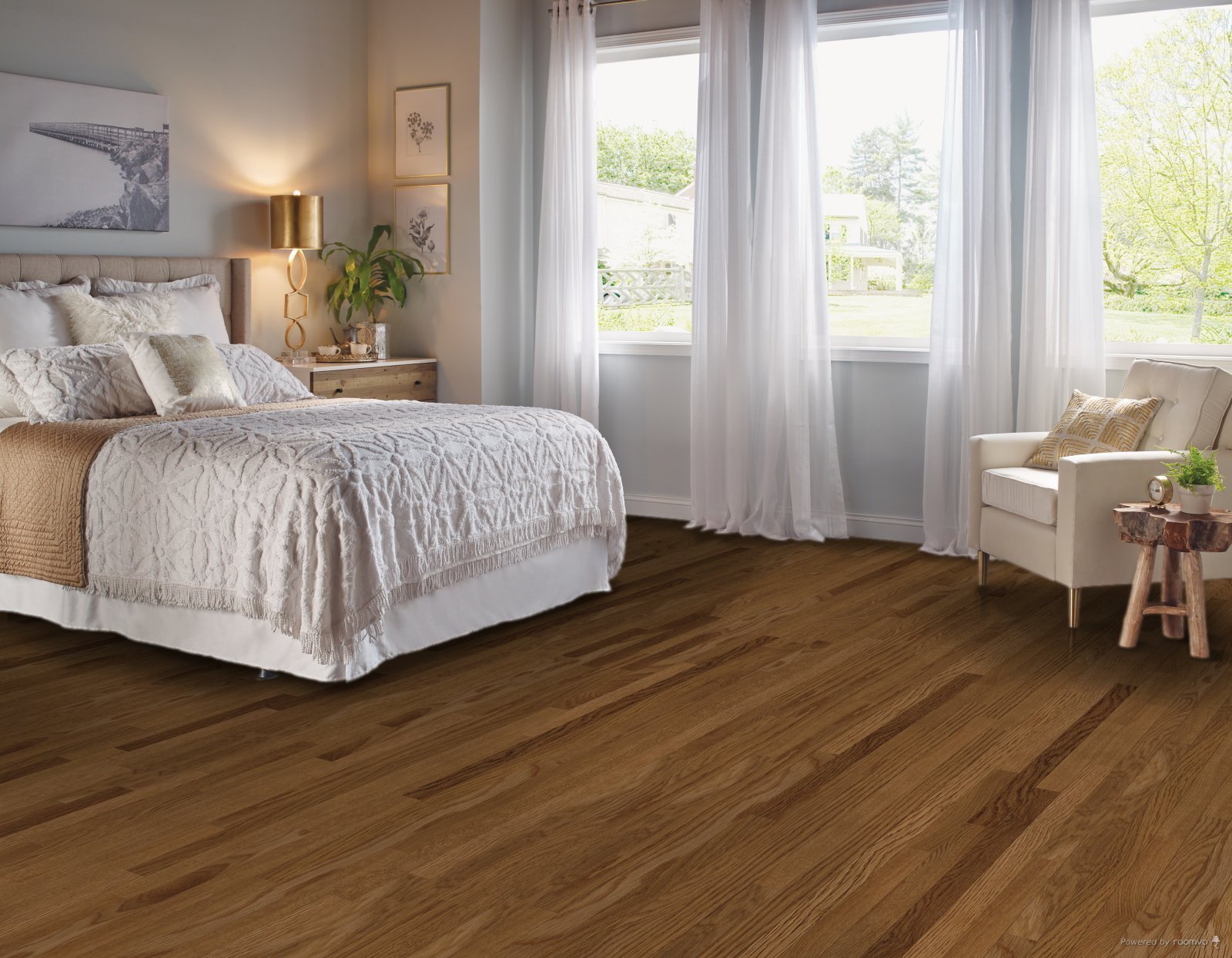
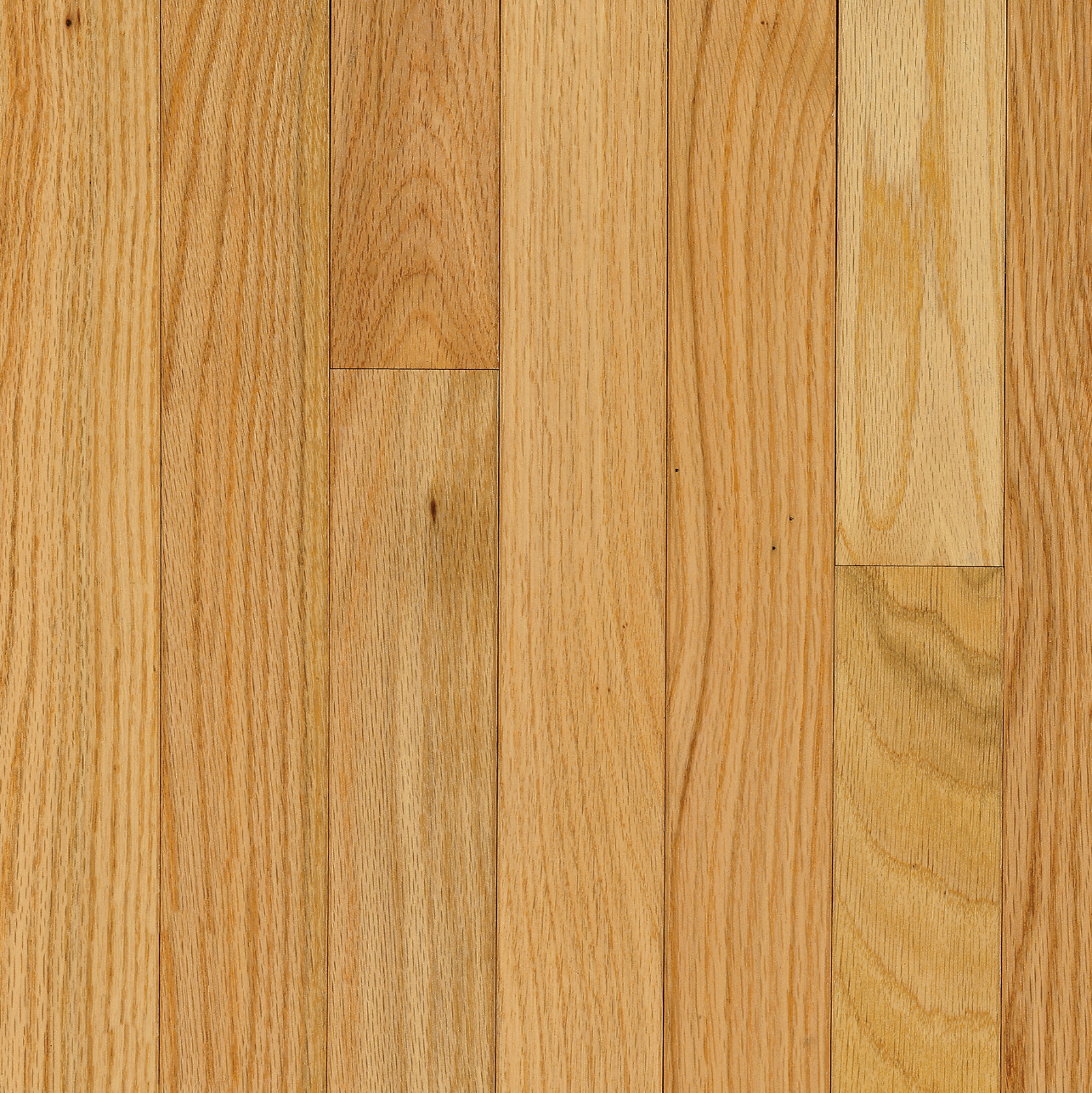
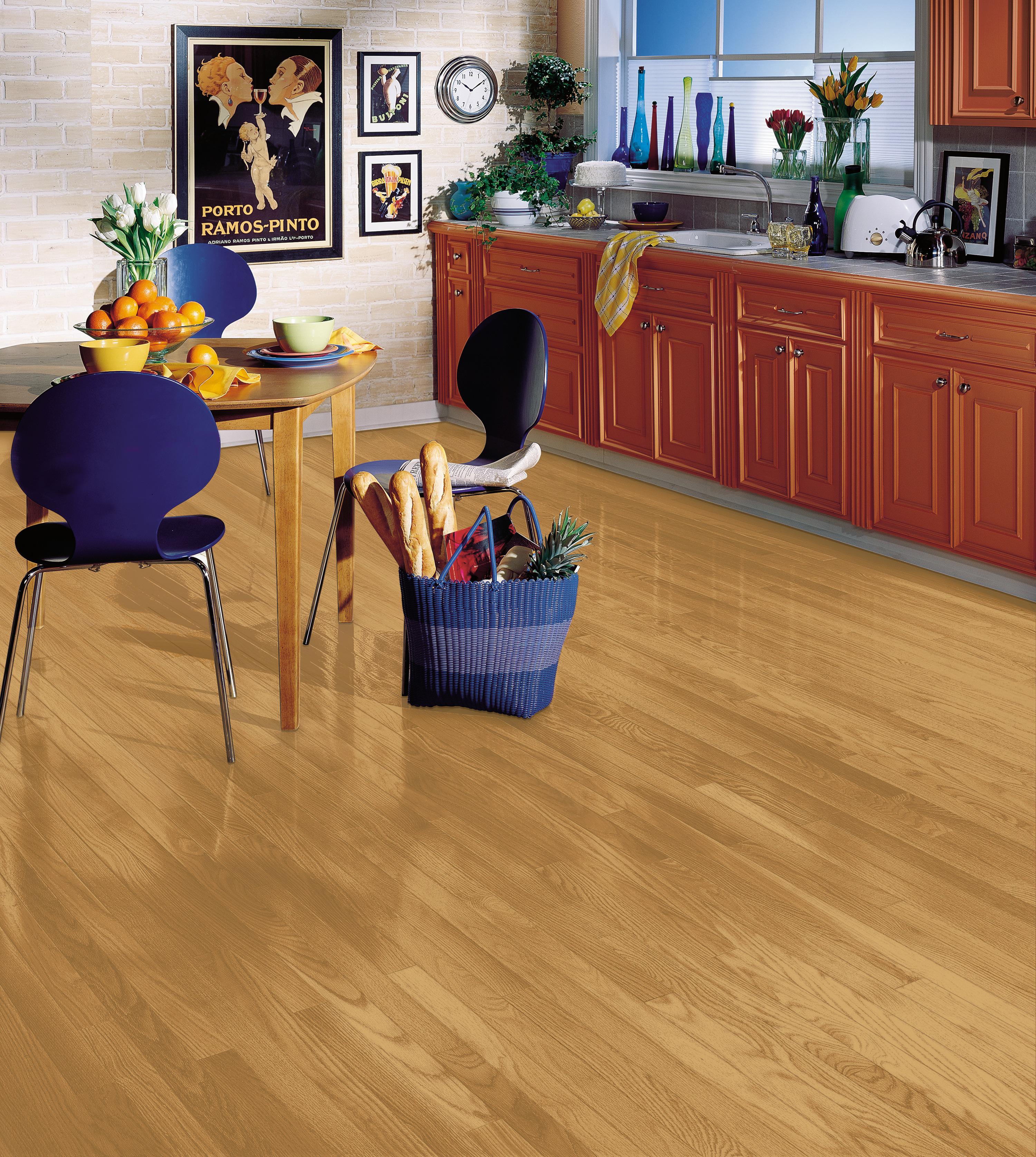
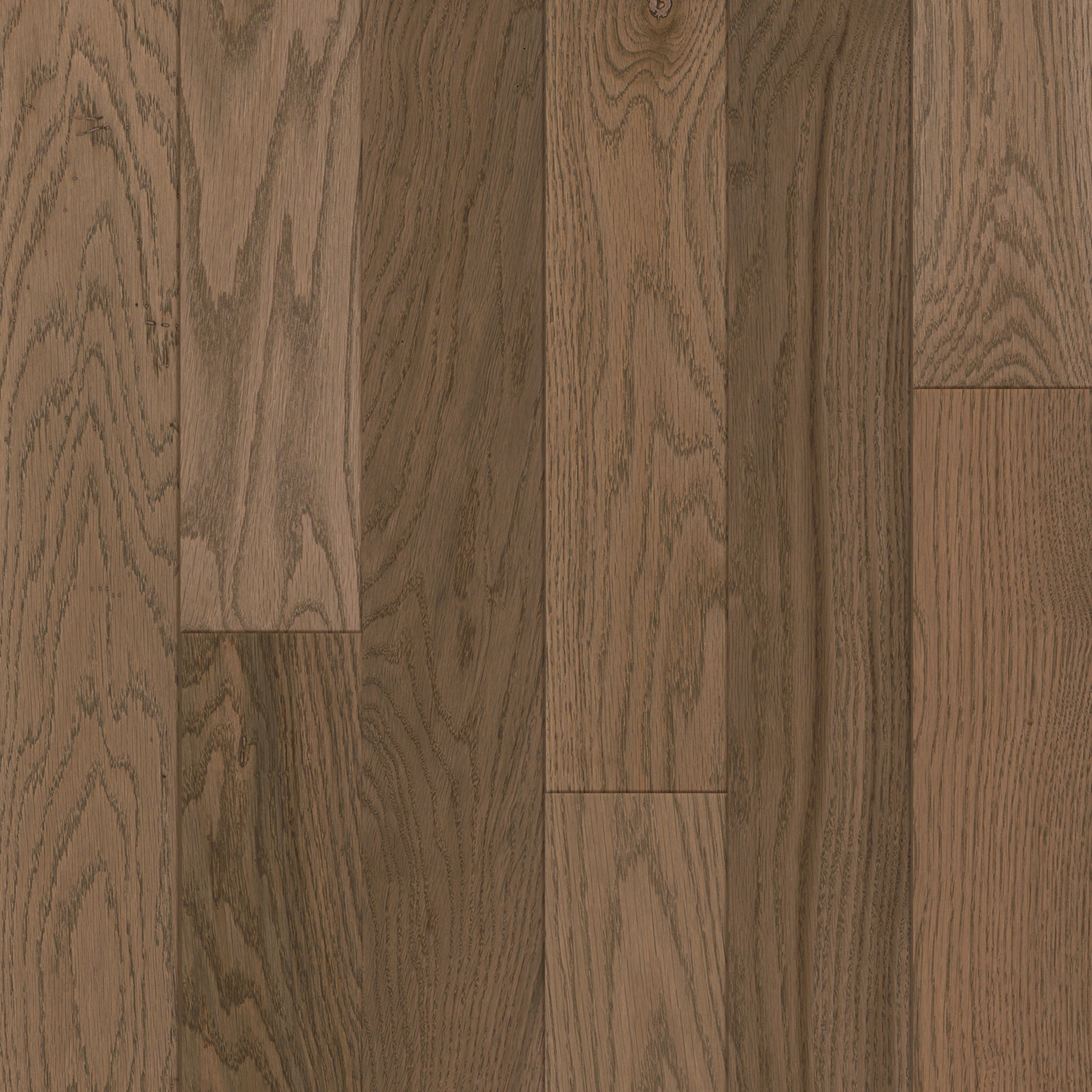
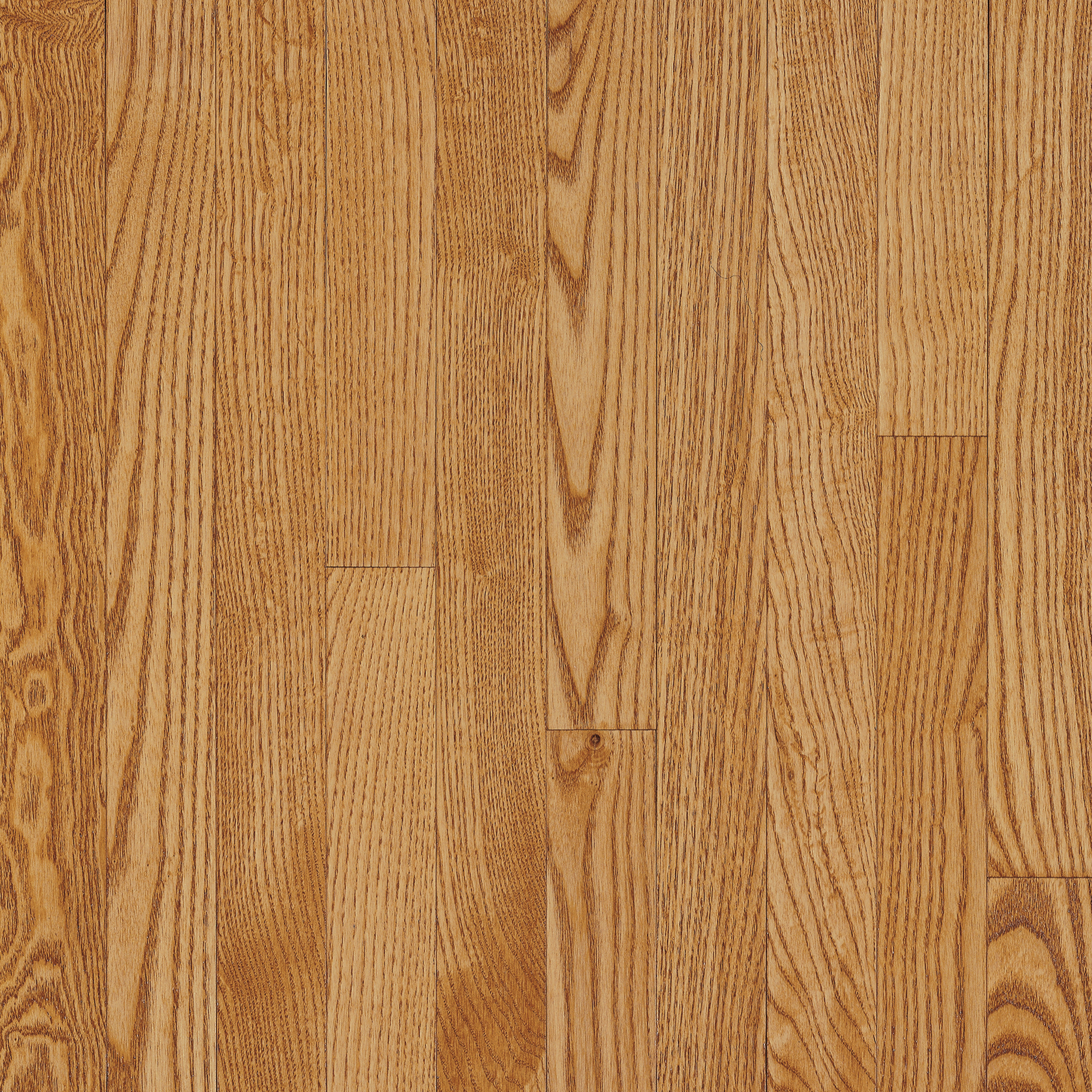
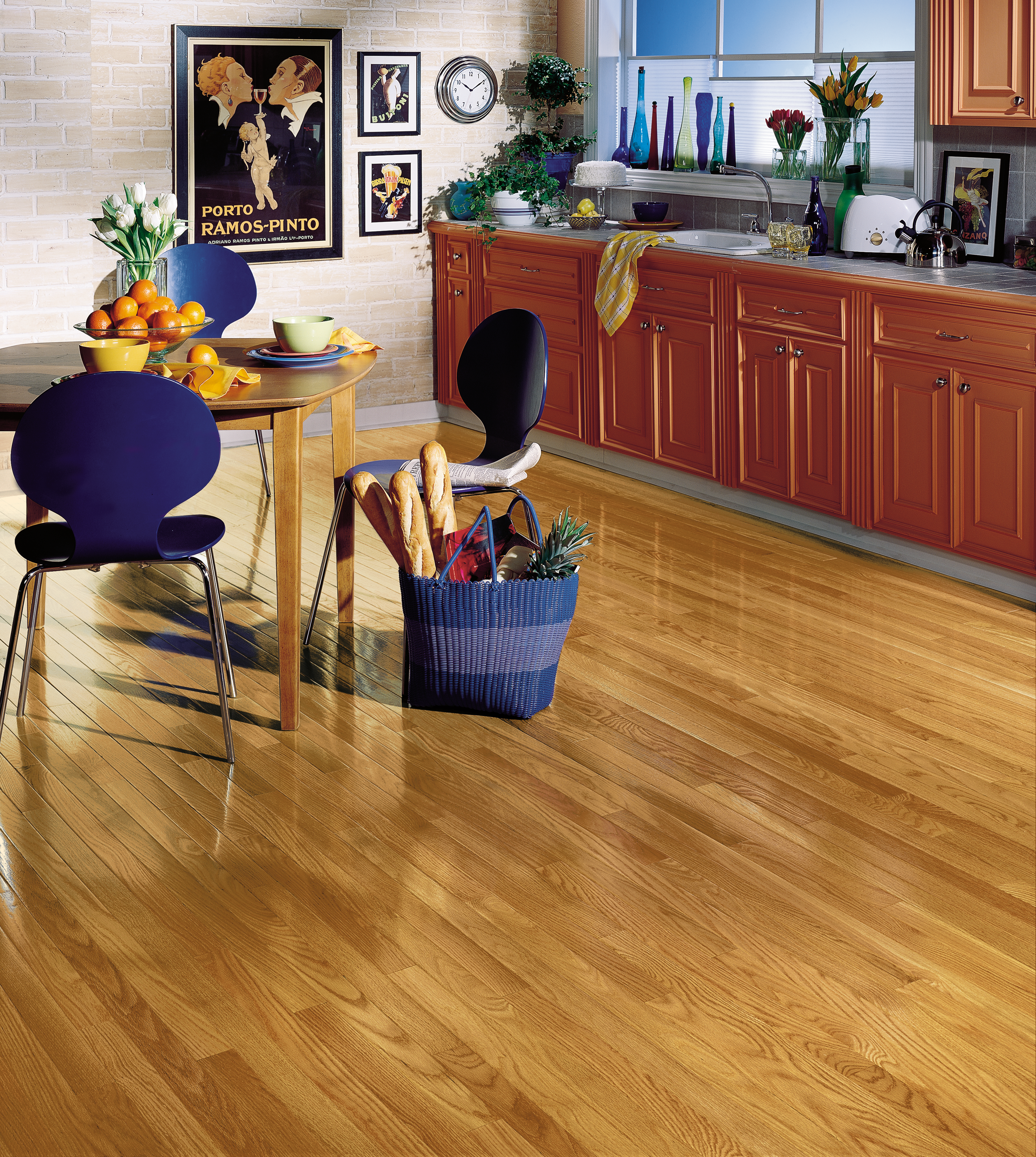
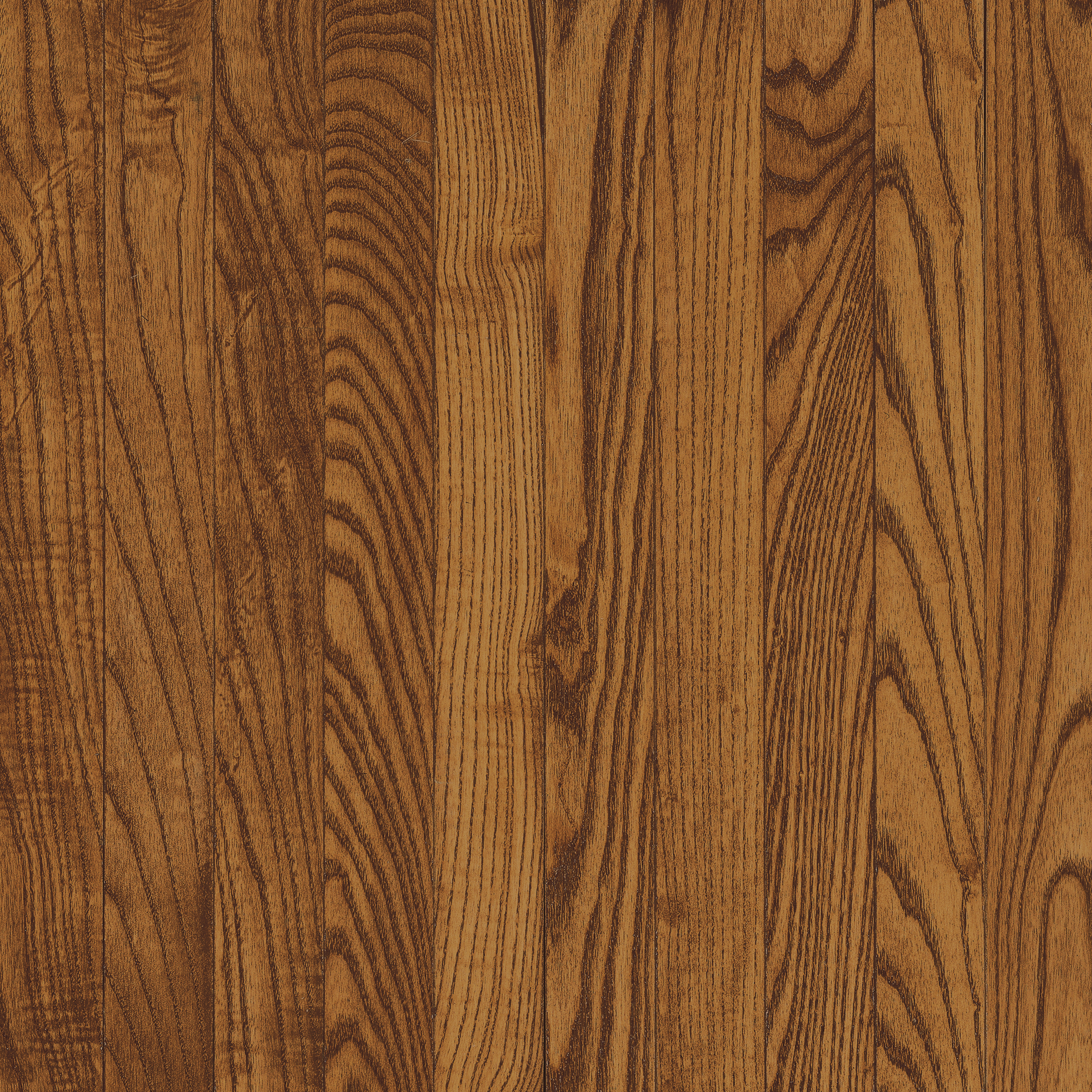
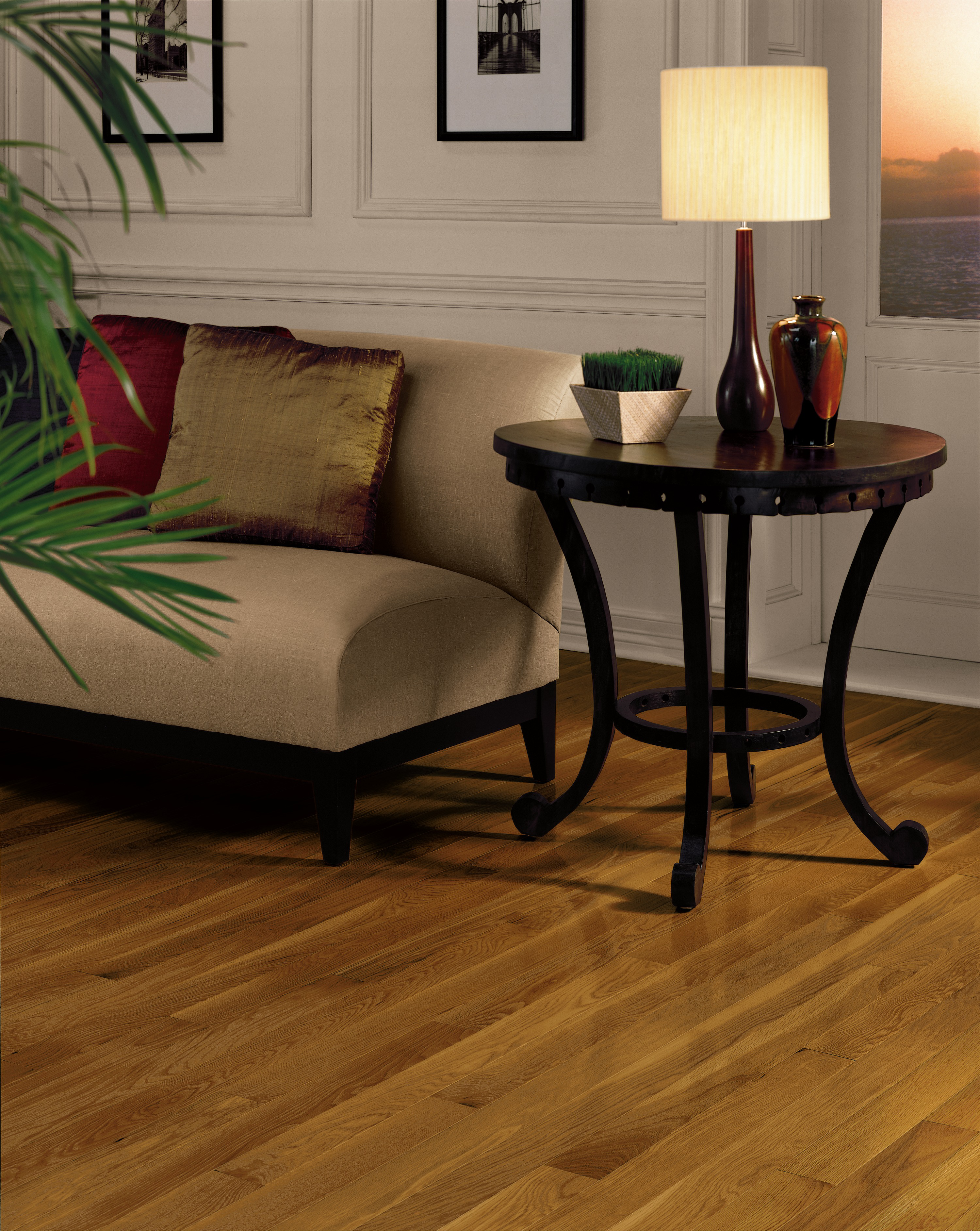
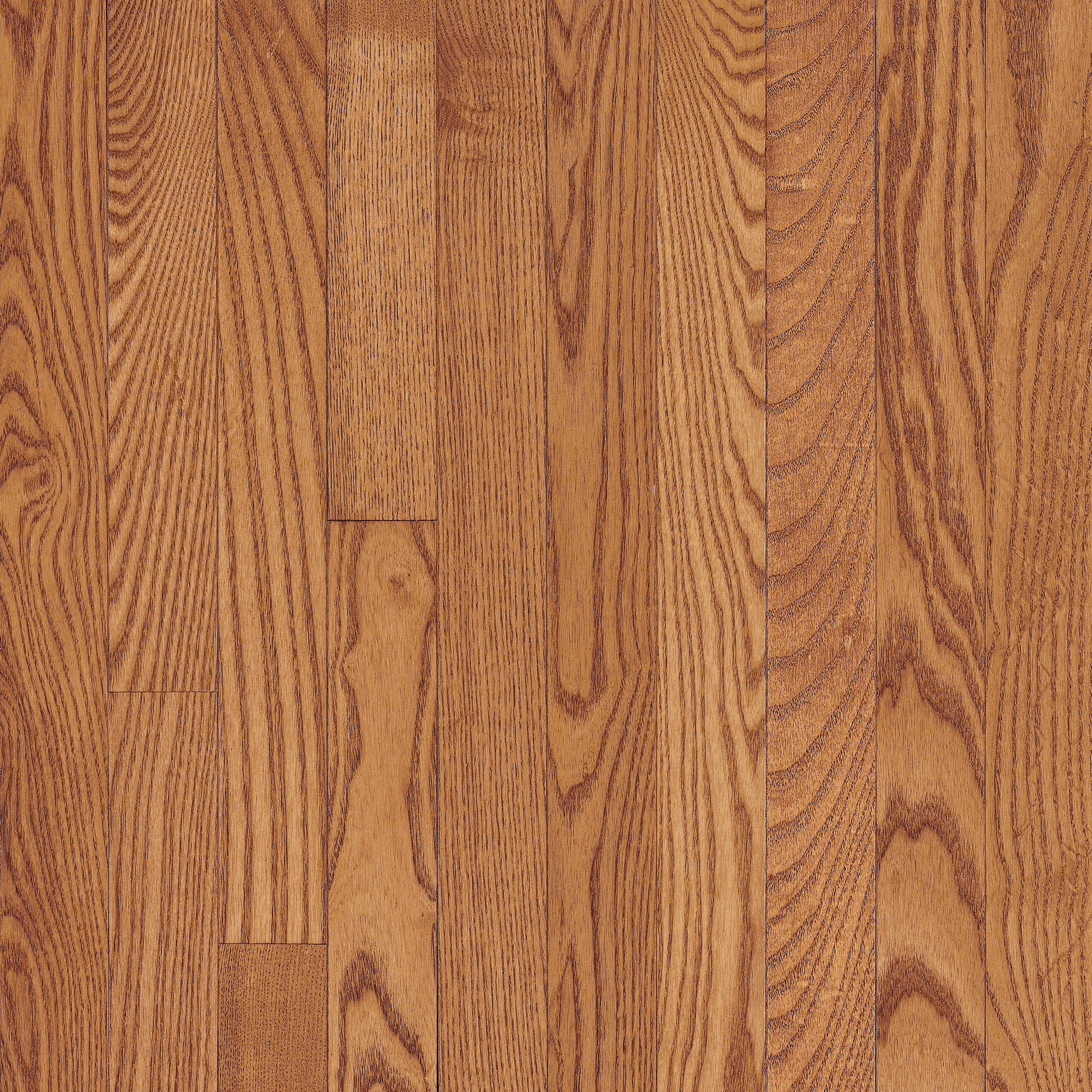
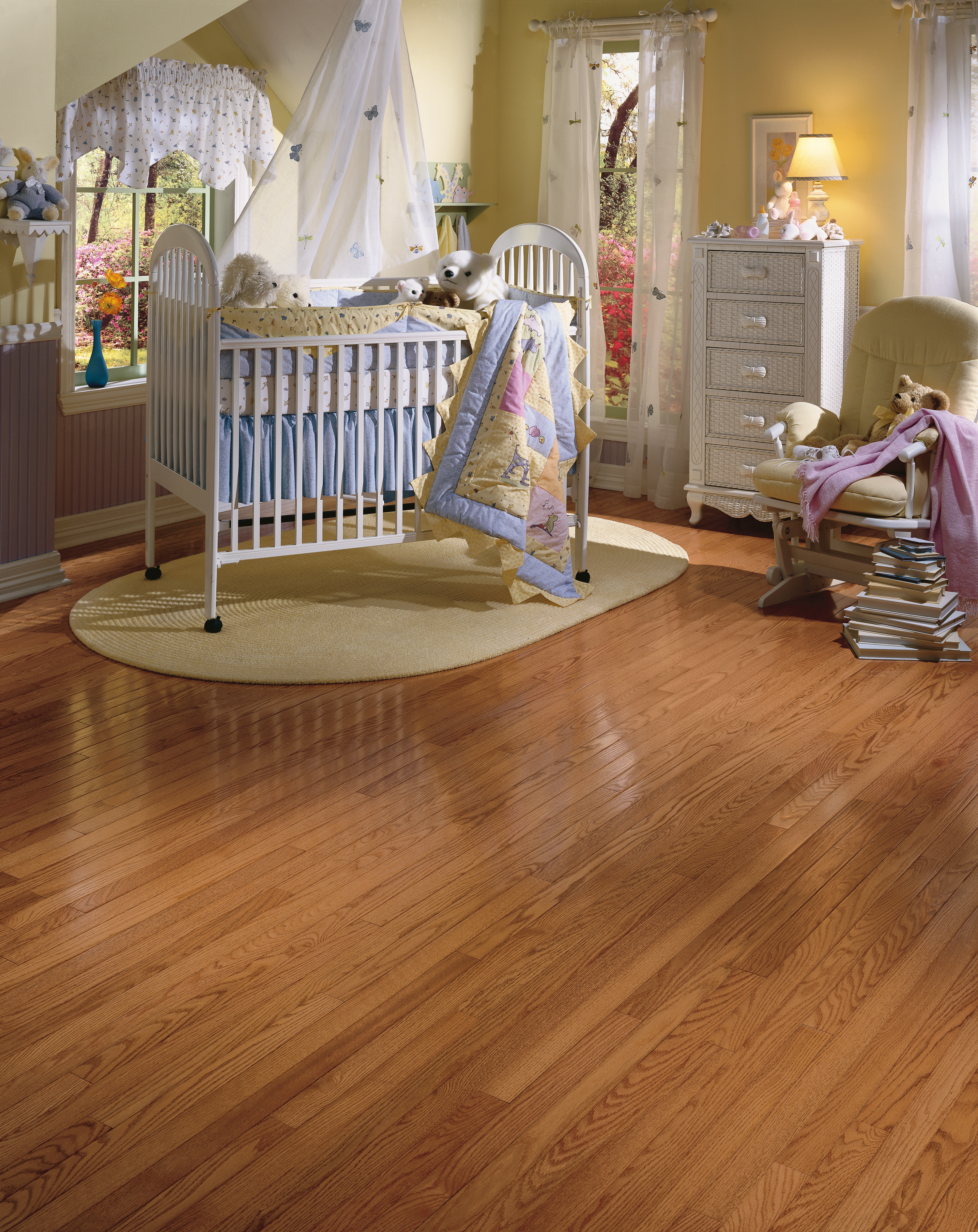
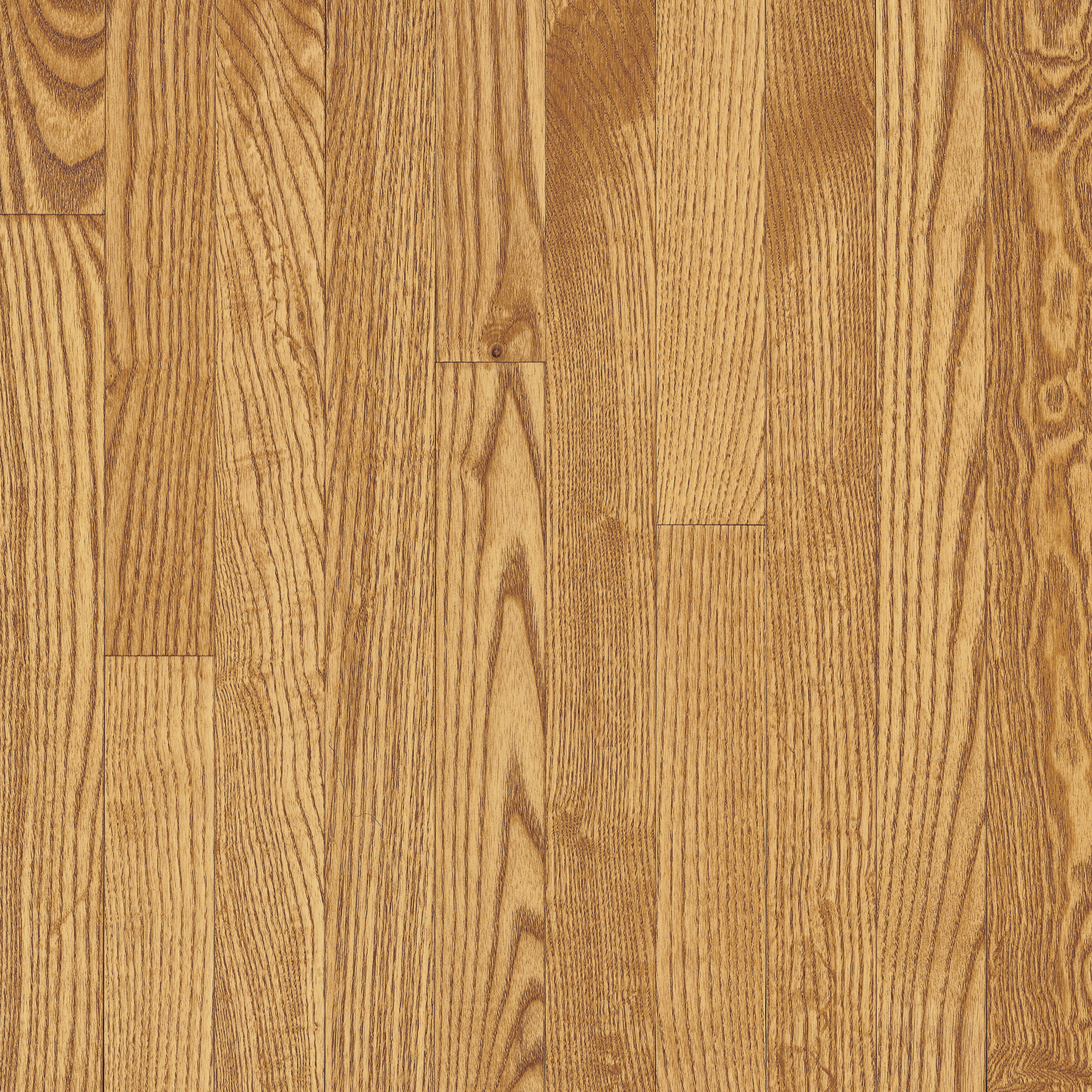
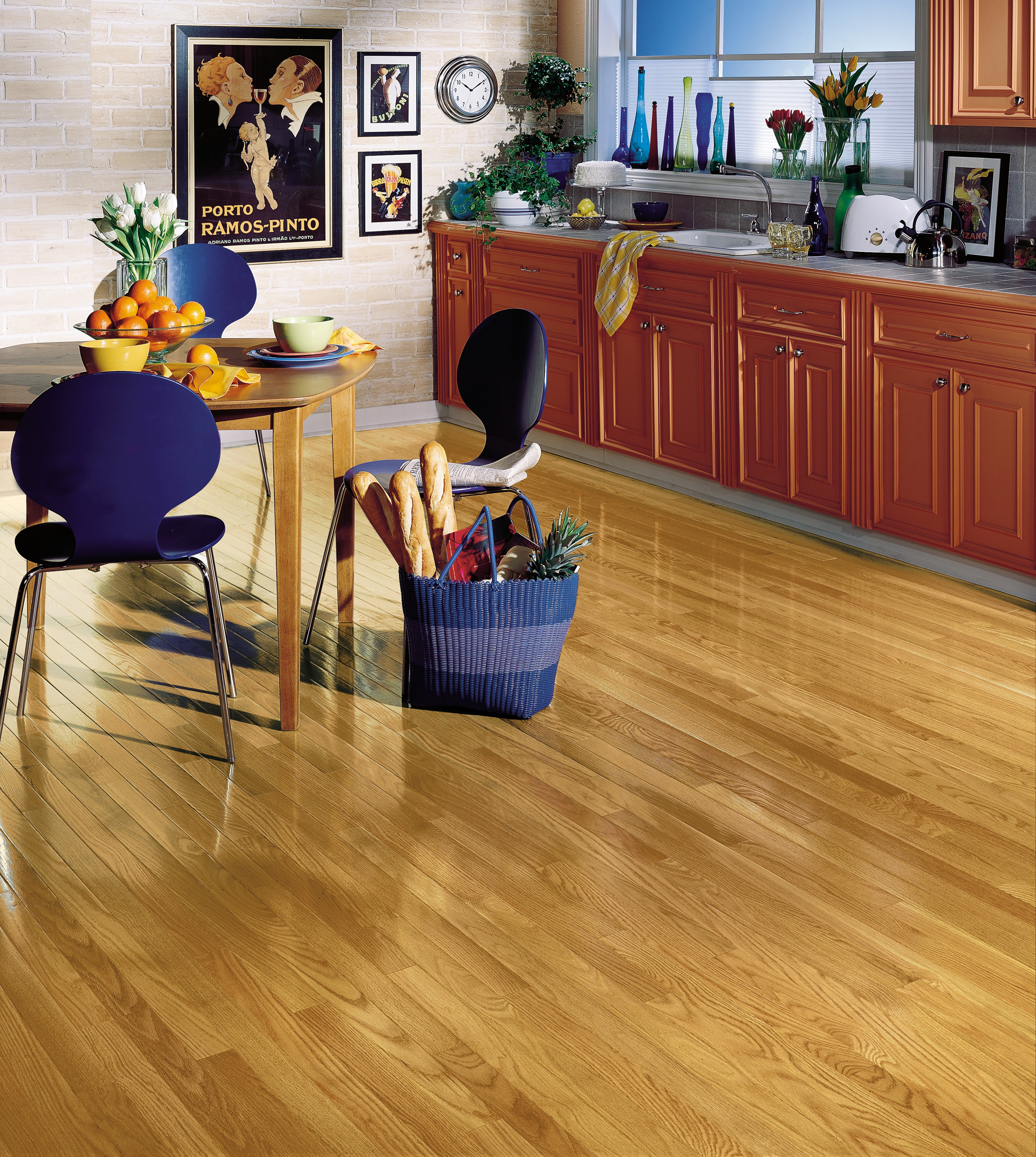
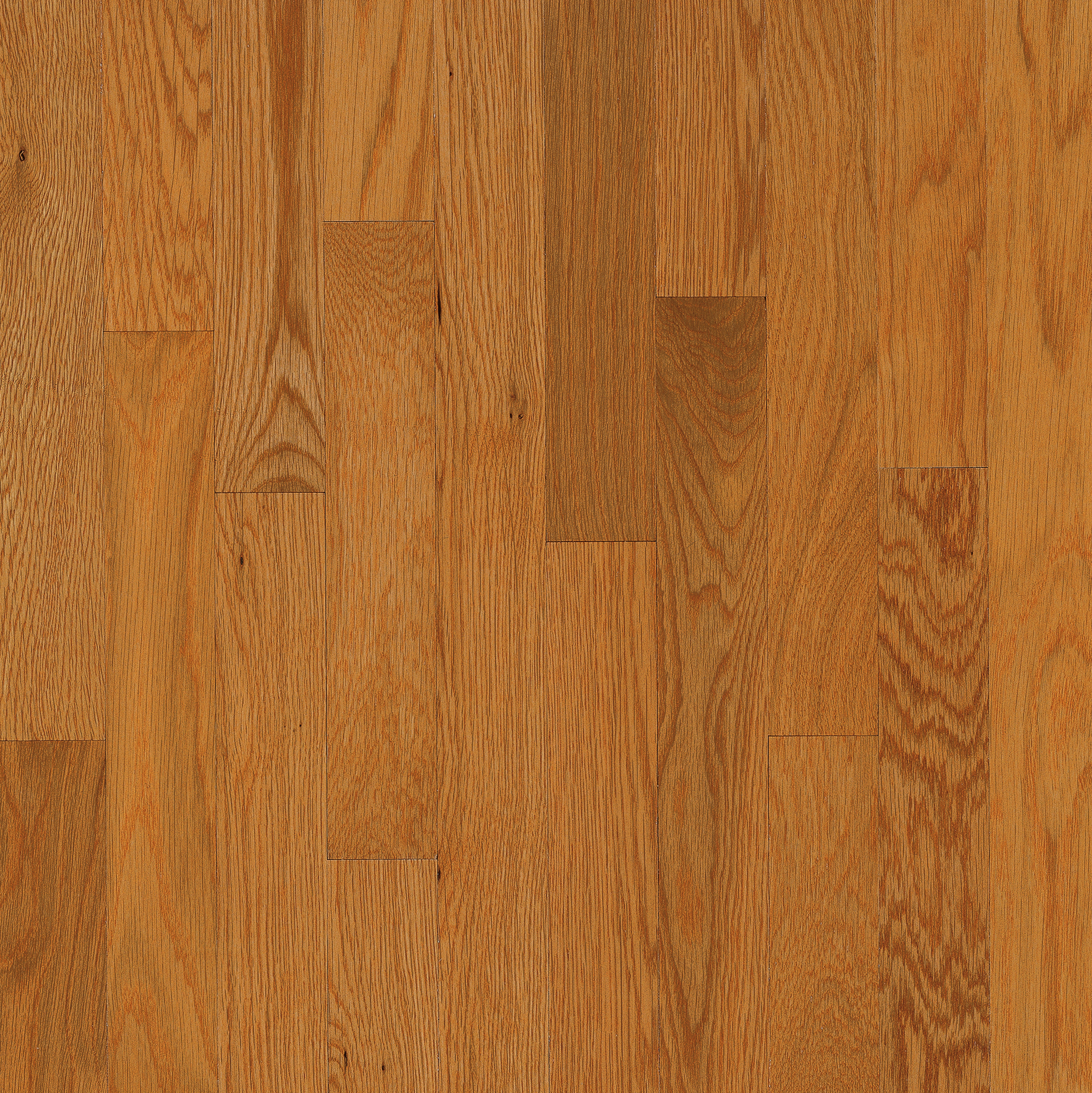
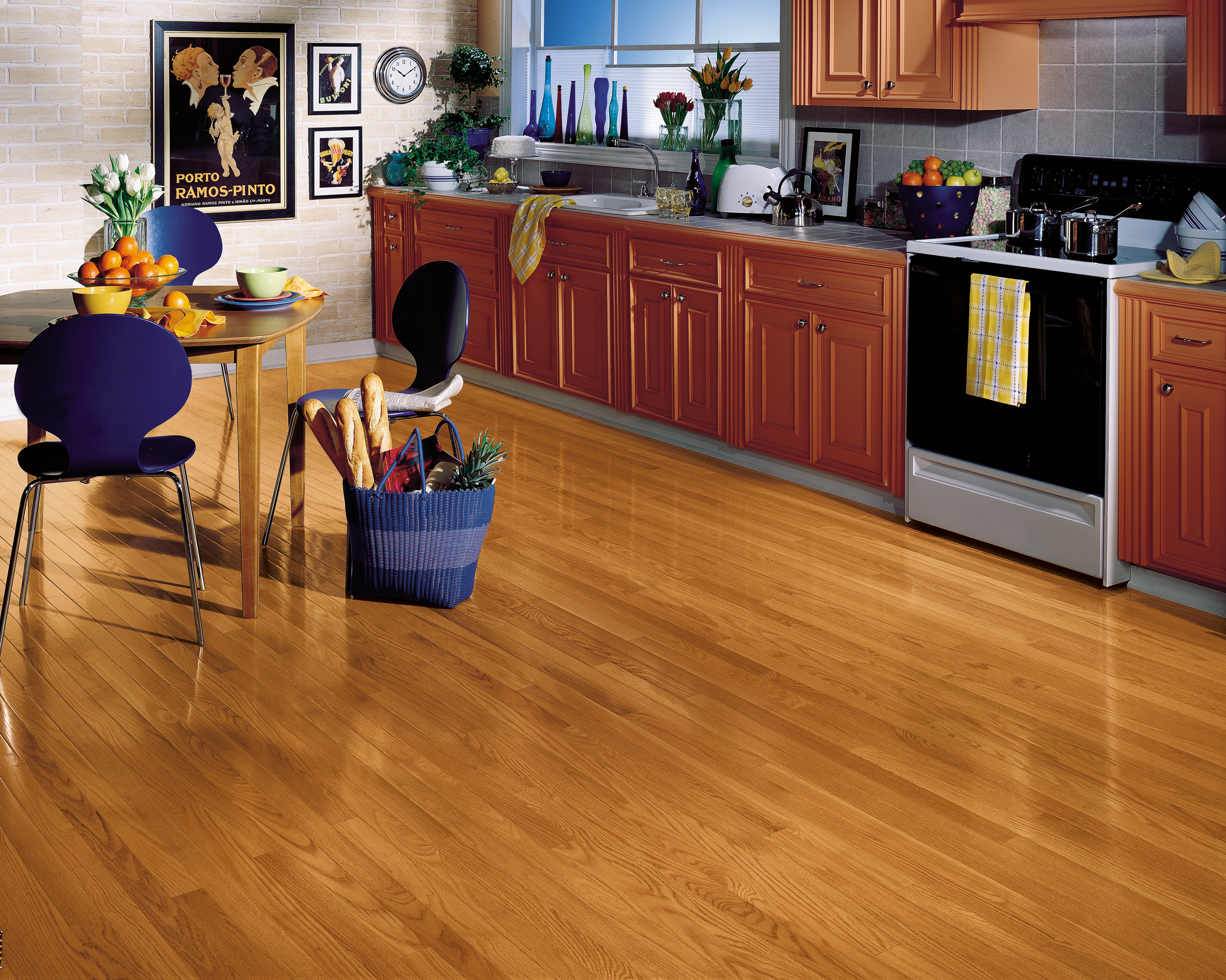
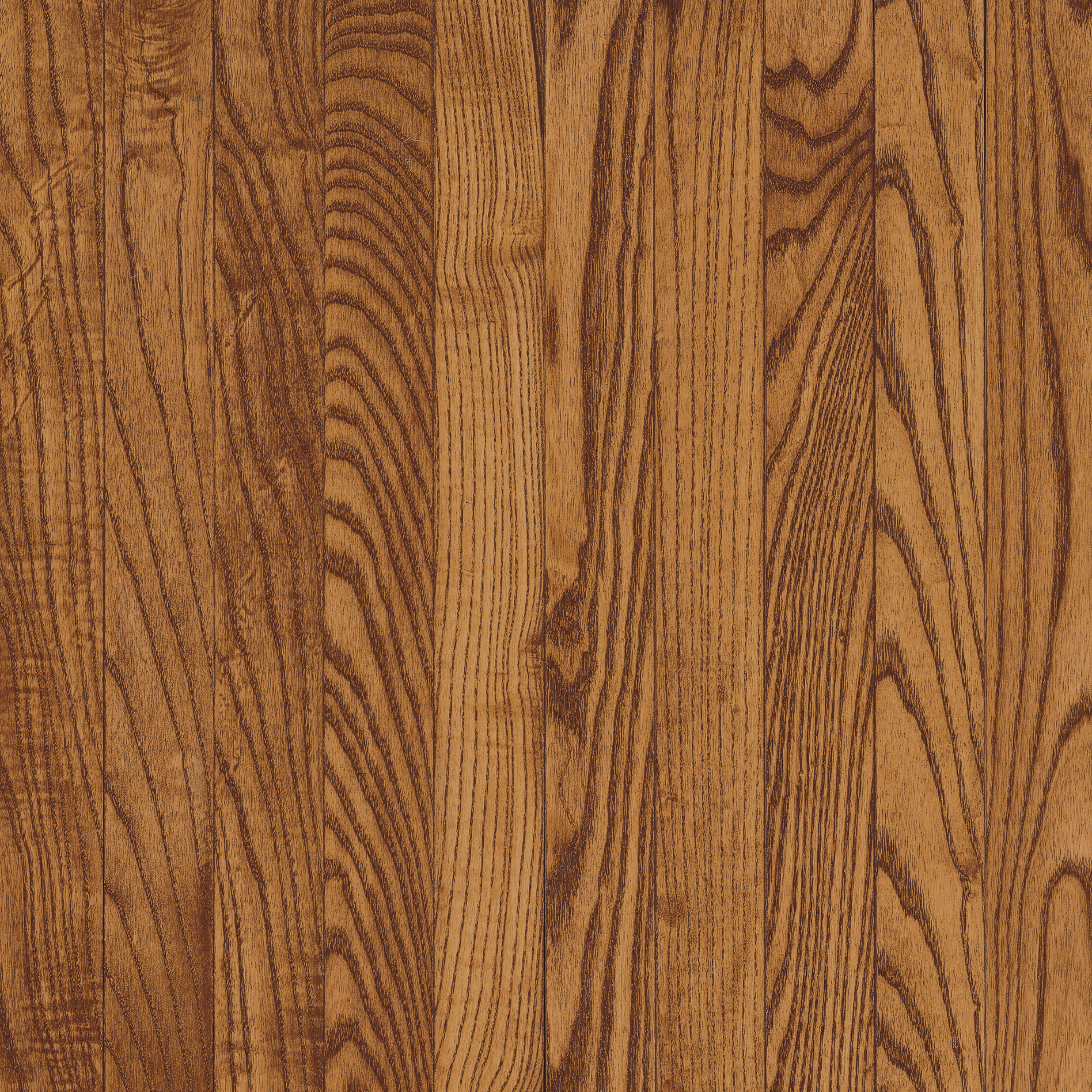
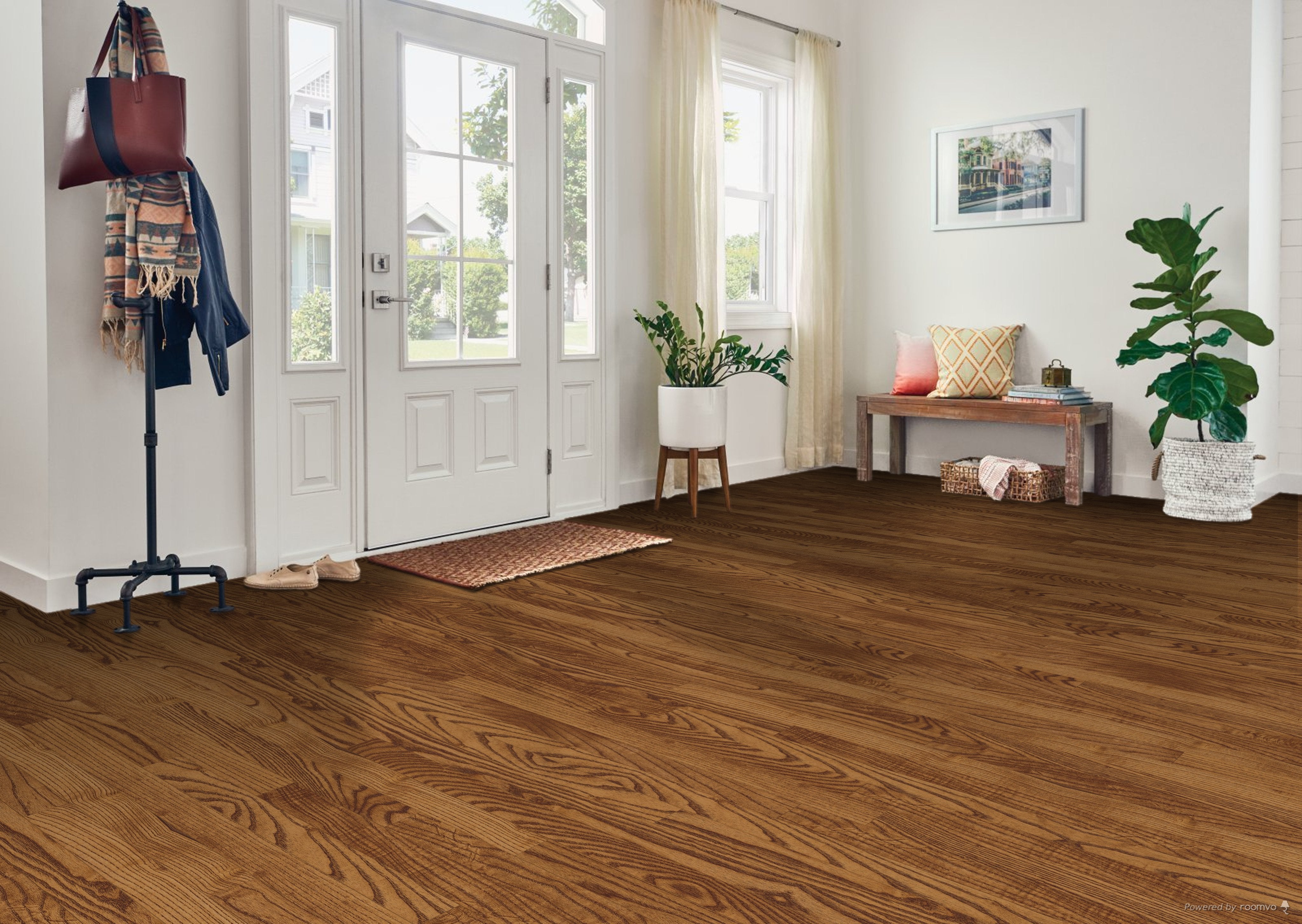
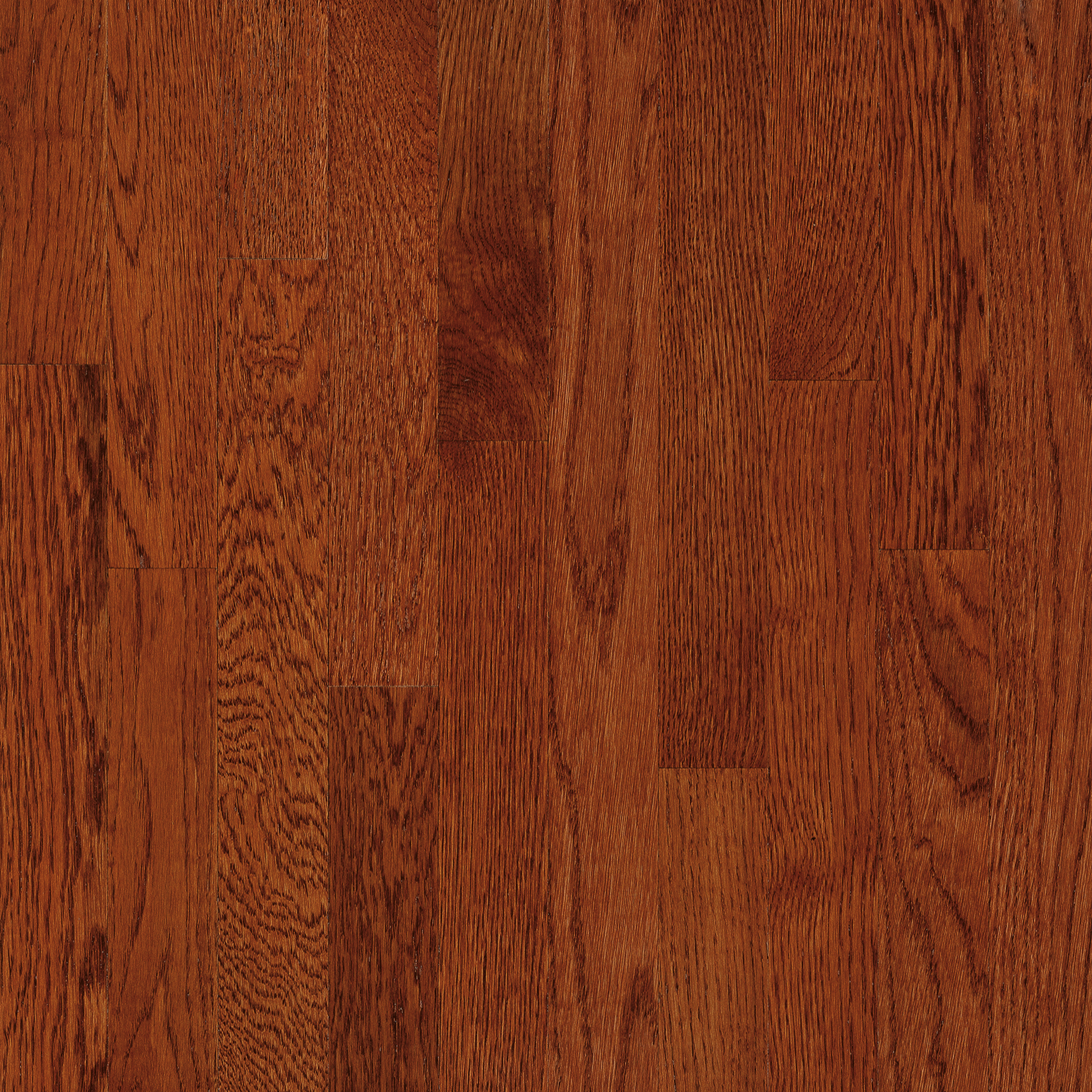
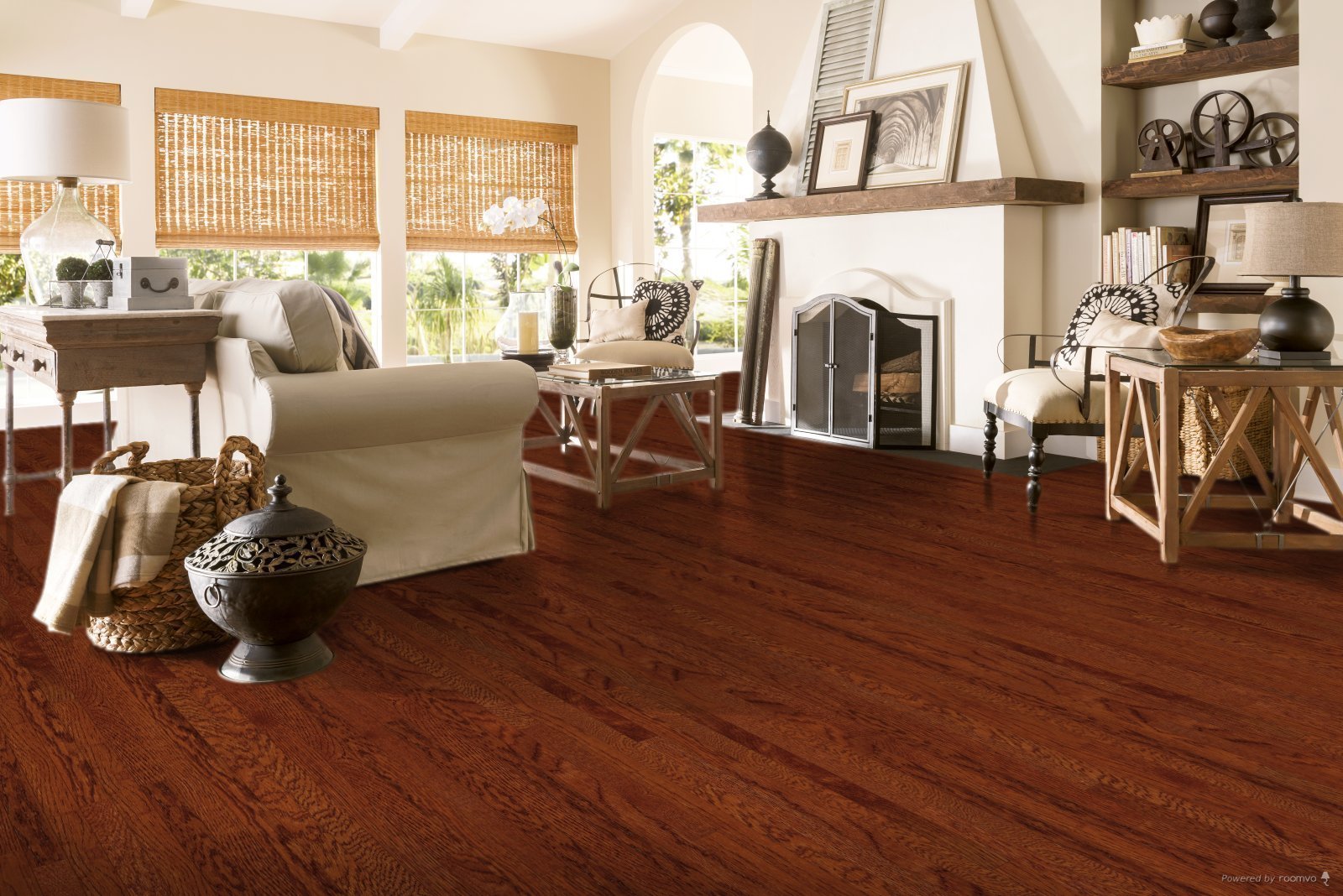
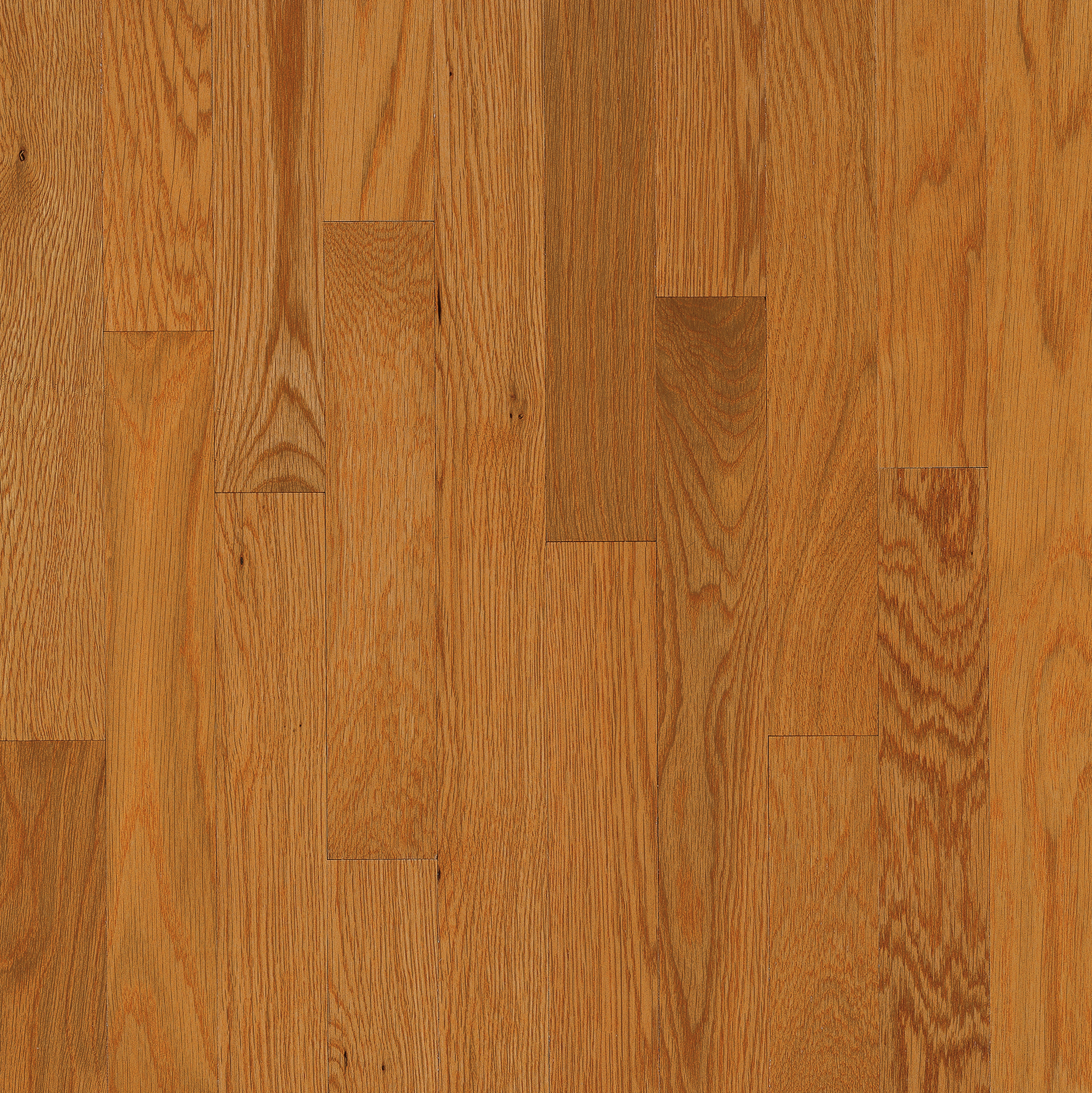
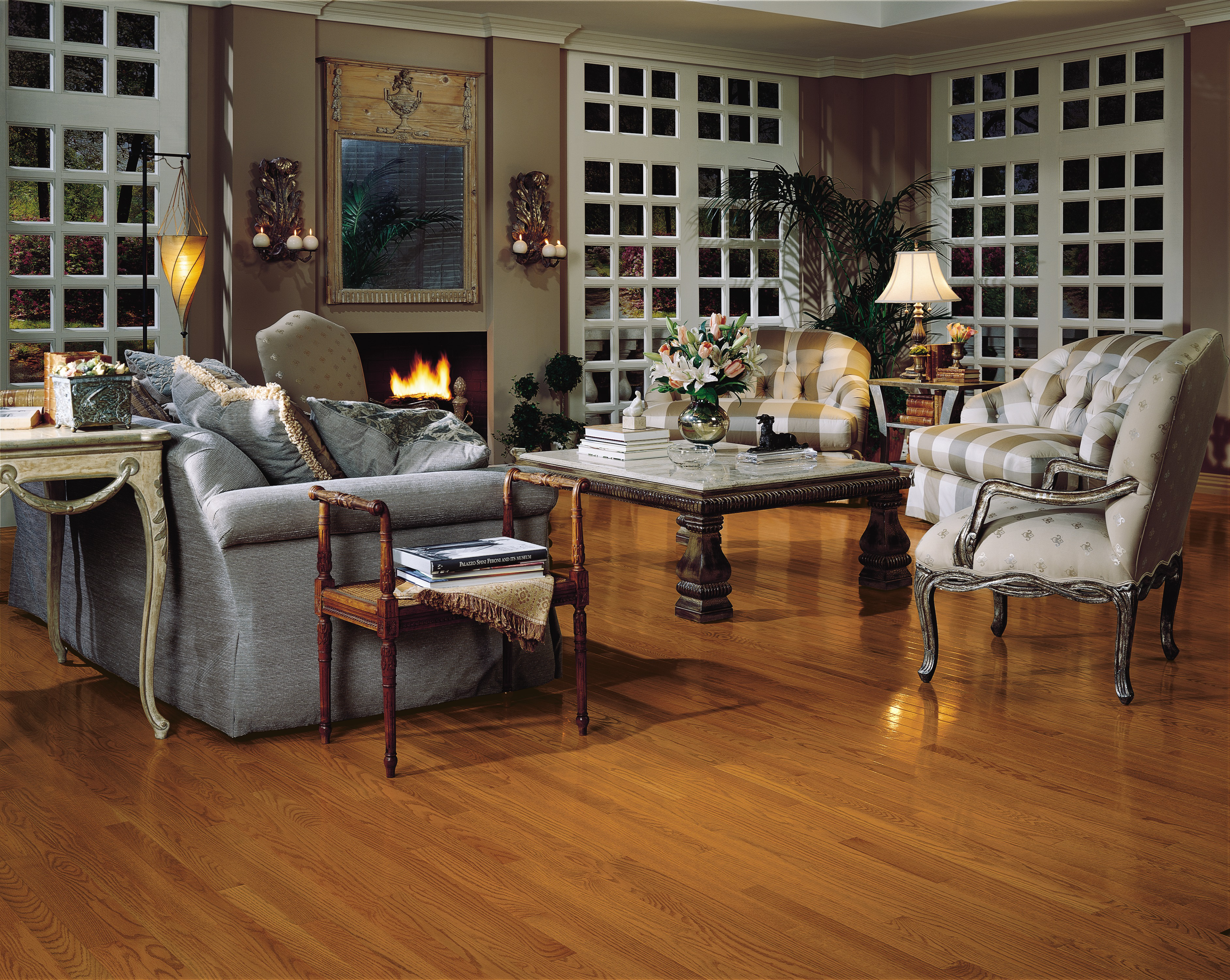
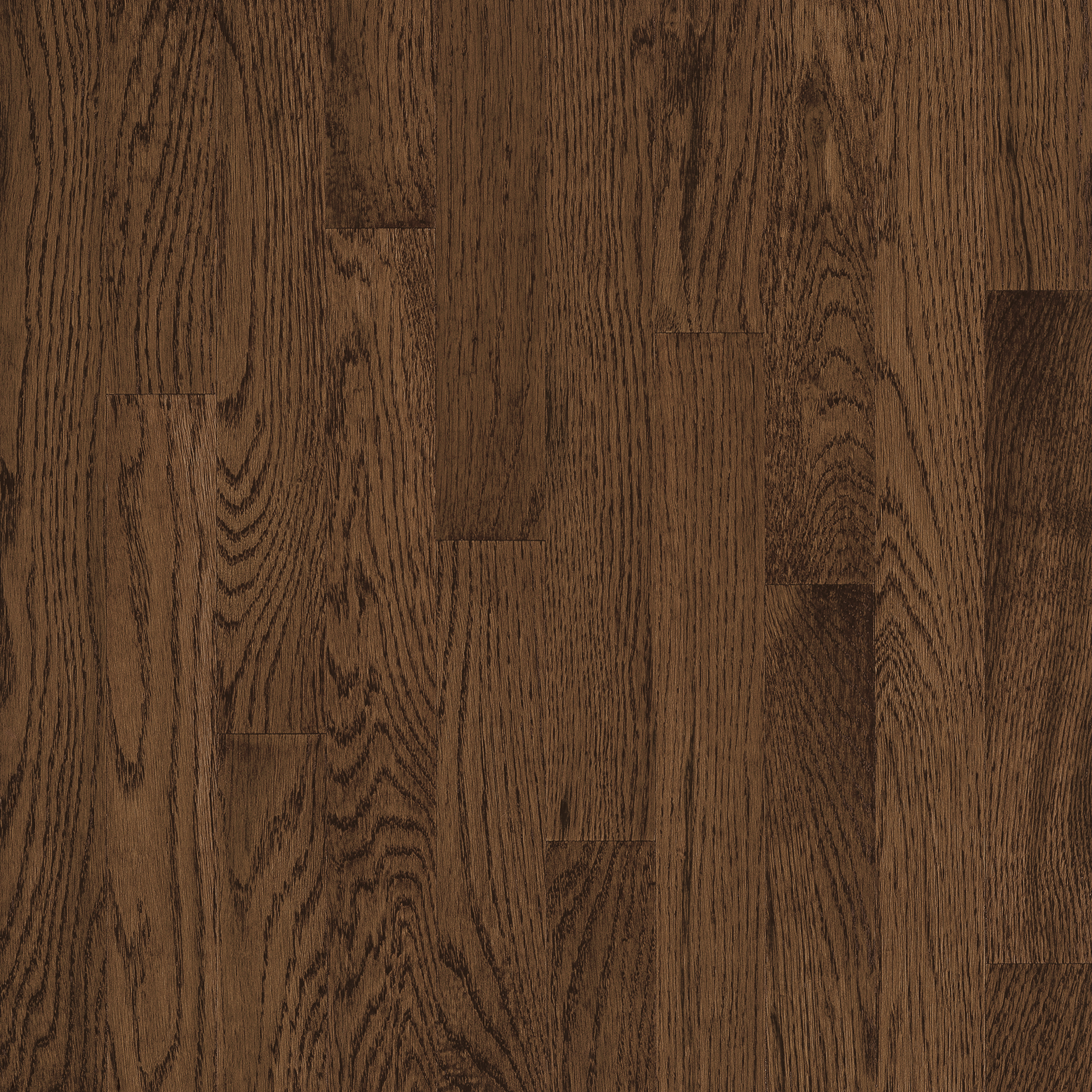
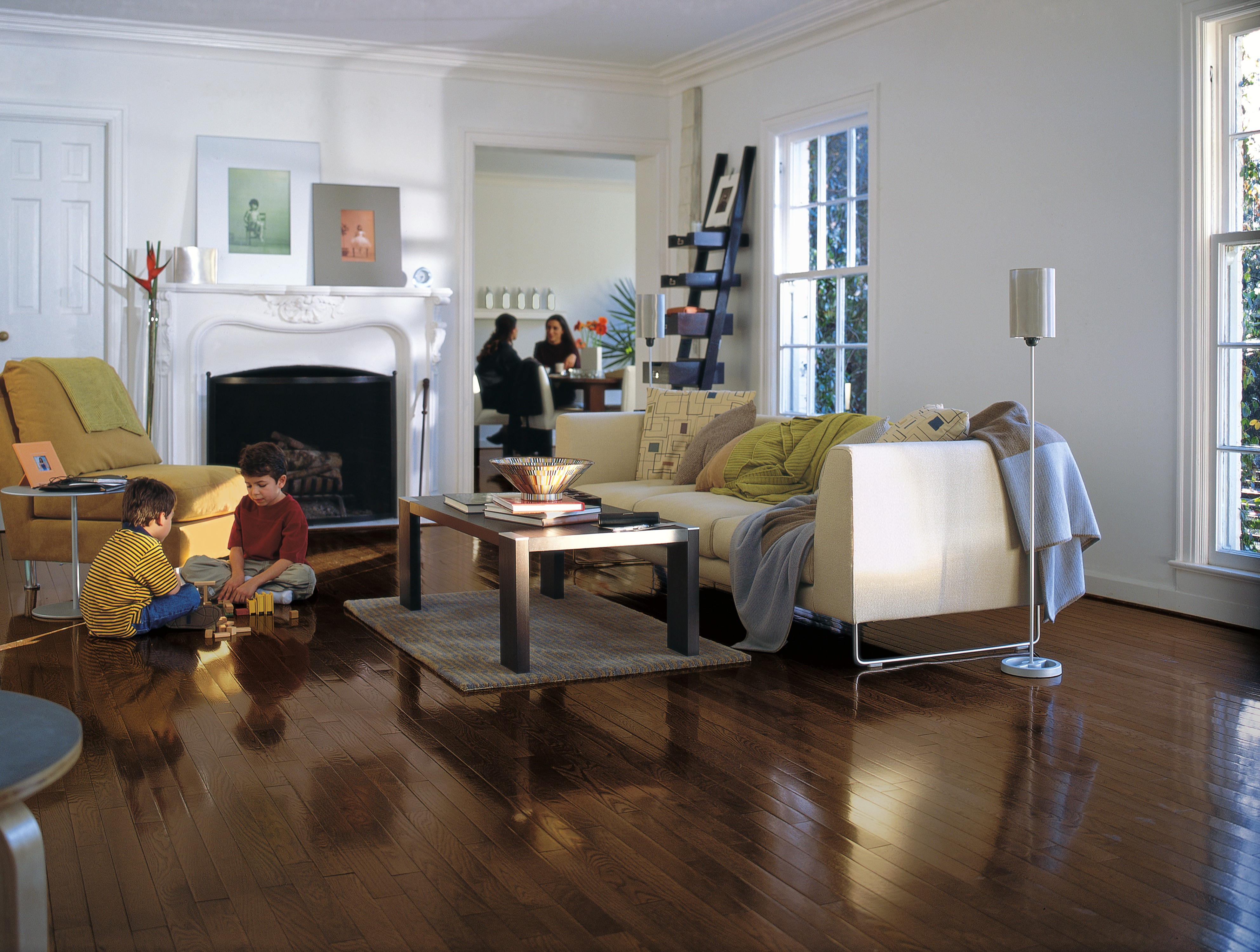
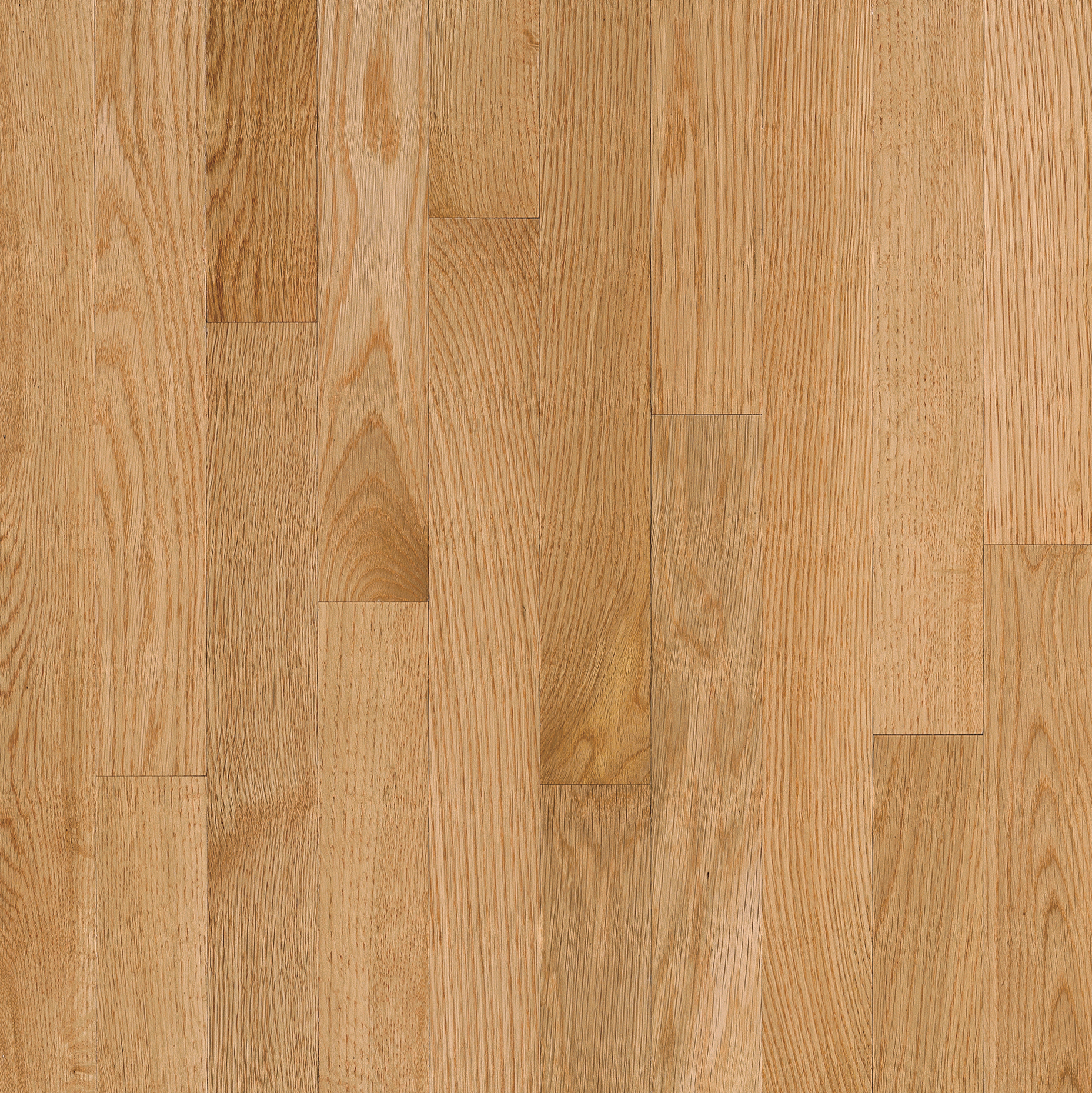
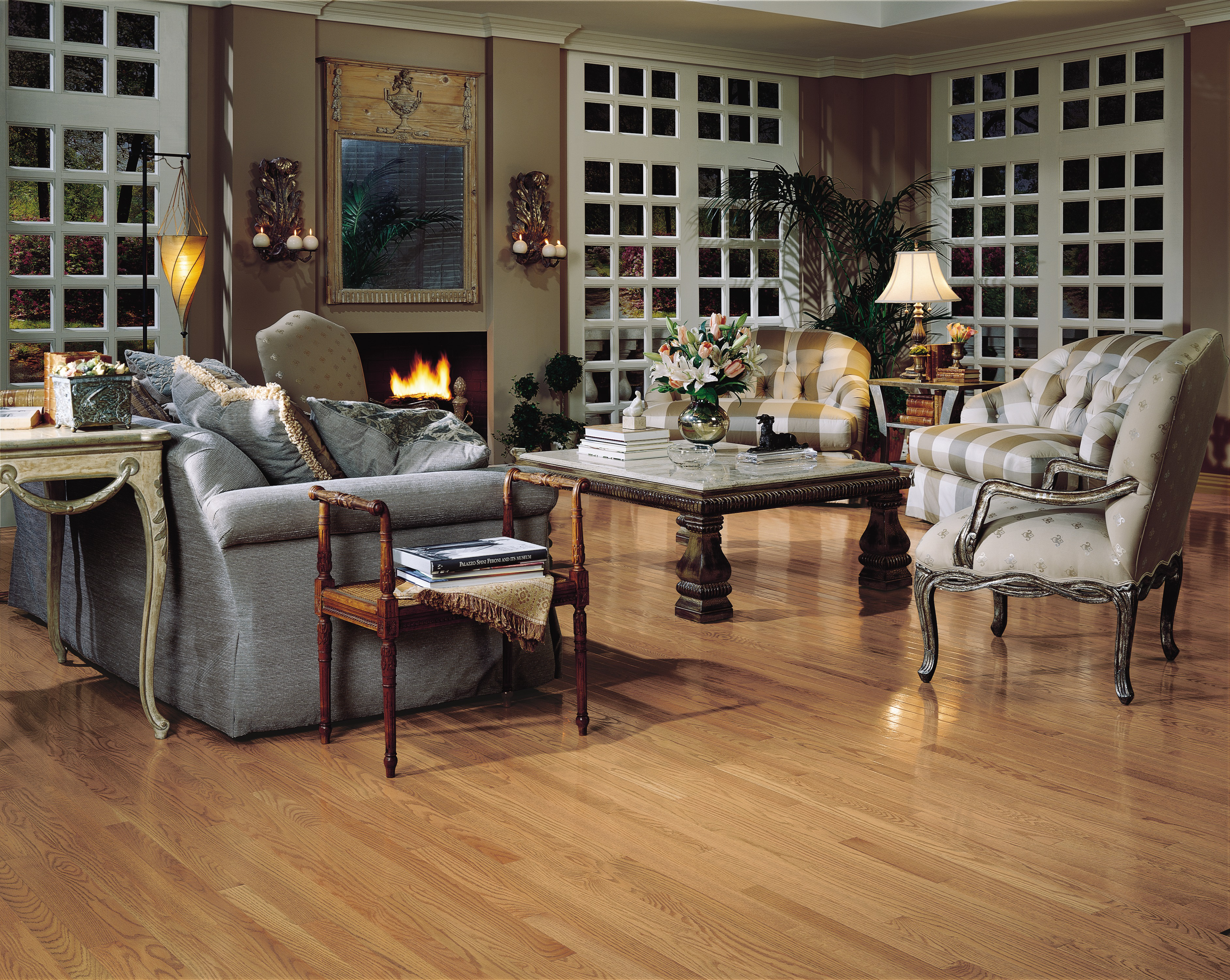
Bruce Solid Hardwood Flooring is milled from a single piece of real wood, so every plank carries its own grain pattern. Bruce's hardwood offers species like oak, hickory, and maple in thicknesses ranging from 5/16" up to the standard 3/4". Shop Bruce Solid Wood Flooring at Floor City for detailed species, thickness, and a personalized quote, with nationwide shipping available.
Explore Top Bruce Solid Hardwood Collections
Dundee - Bruce Dundee hardwood is Bruce's best-selling solid hardwood collection: 3/4" oak available in four widths, from 2-1/4" strip to 5" wide plank, available in multiple gloss levels with Dura-Luster Plus finishes and the widest color range among Bruce's solid collections
Natural Choice - Bruce Natural Choice hardwood flooring is a 5/16" low-profile solid oak strip that glues directly to concrete, making it one of the more straightforward Bruce solid options for slab-on-grade spaces. Square-edge profile, high- and low-gloss options.
Manchester Strip & Plank - These collections provide additional classic solid oak options in strip and standard plank formats. Full 3/4" solid oak in 2-1/4" strip or 3-1/4" plank widths, with micro-beveled edges and a curated selection of warm neutrals and richer tones, in both high and low gloss.
Waltham - Suited to rooms where you want solid oak's durability with a traditional, medium gloss finish. It shows fewer everyday scuffs than a high-gloss floor, making it a practical pick for living spaces.
Best Bruce Wood Flooring Colors for Different Interior Styles
The right hardwood color should work with the permanent elements of the room, including cabinetry, countertops, trim, doors, stone, and wall color. Since furniture and paint may change over time, many homeowners prefer a floor color that provides flexibility rather than matching only one decorating trend when choosing Bruce hardwood flooring colors.
Transitional and Contemporary Interiors
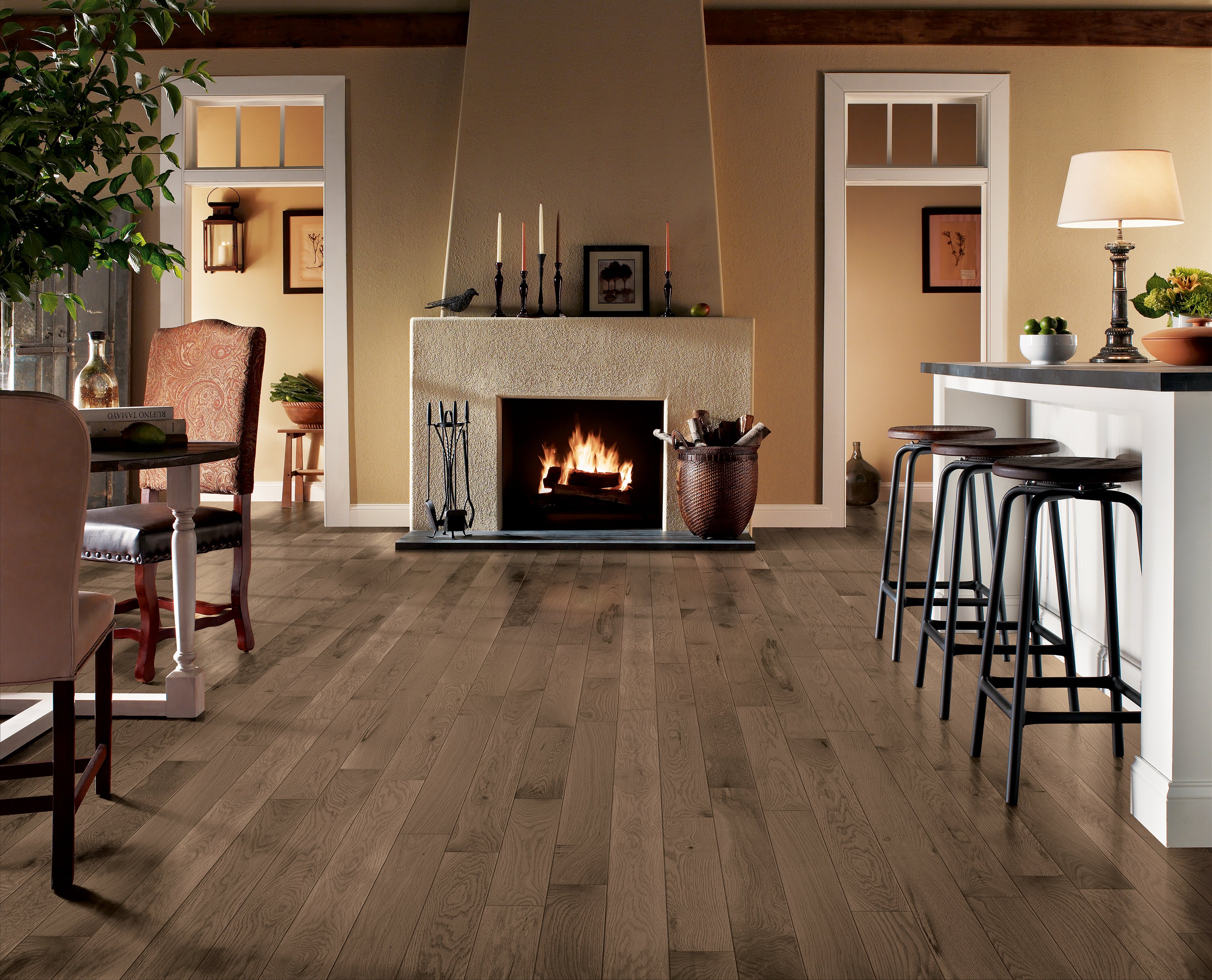
Natural oak, medium brown, and balanced beige-brown tones work well in transitional and contemporary homes alike. These colors bridge traditional and modern design, pairing comfortably with painted cabinets, classic molding, updated lighting, and clean architectural lines. Look for a consistent color direction if the room already includes bold furniture, patterned rugs, or strong architectural details.
Modern Farmhouse Interior Design
Warm natural oak, honey, wheat, and soft brown shades complement modern farmhouse rooms. These colors work especially well with white or cream cabinetry, black hardware, natural wood accents, woven materials, and practical furnishings.
Organic Modern and Coastal Interior Style
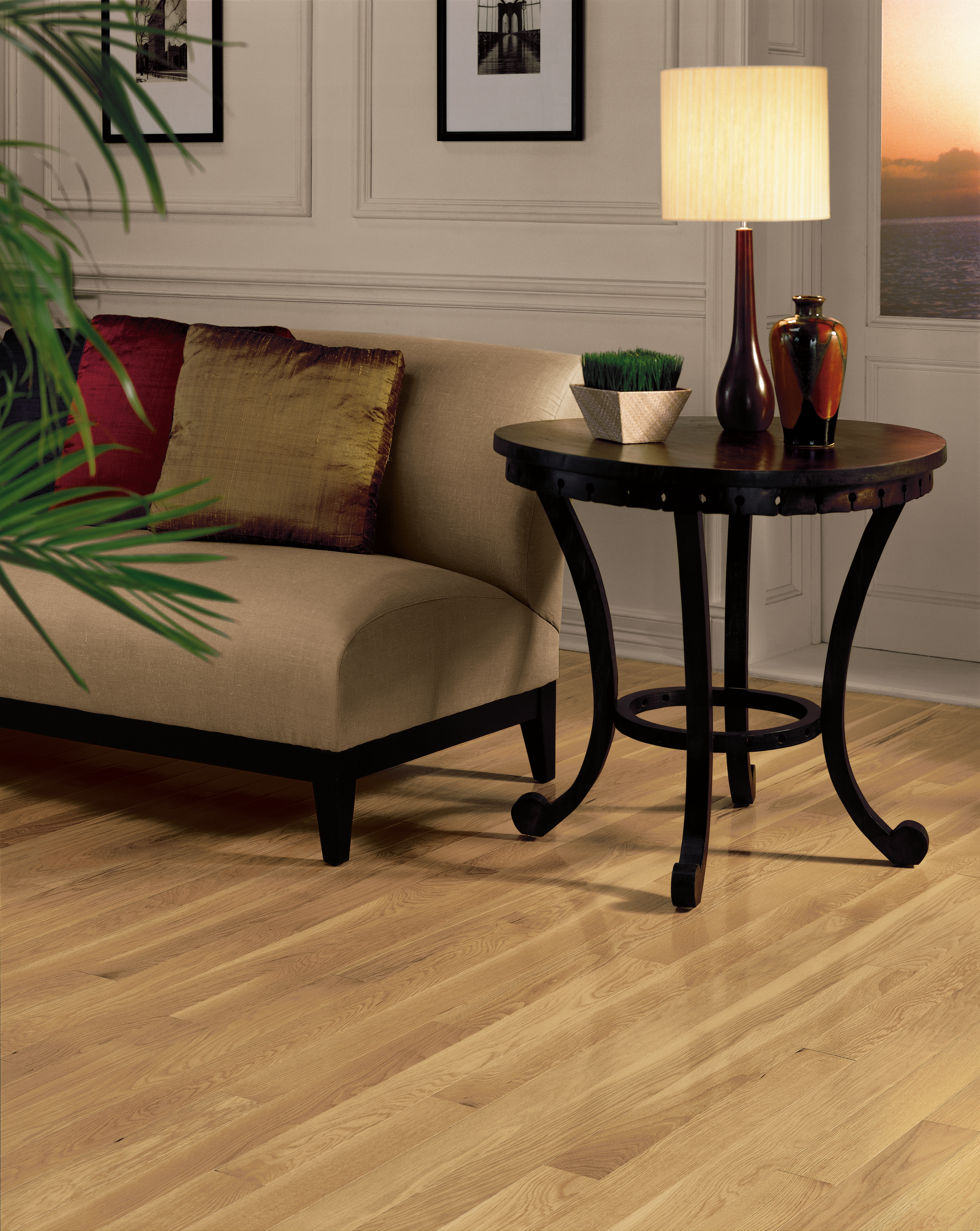
Warm neutrals, light oak, pale beige, and gently weathered tones suit both organic modern and coastal spaces. Subtle grain variation and a low- or satin-sheen finish support stone, linen, rattan, greenery, and other natural materials without making the room feel overly styled. For coastal spaces especially, avoid choosing a color solely because it looks white or gray online; compare a physical sample with the room's natural light, upholstery, and wall paint to make sure the floor doesn't appear too cool.
Traditional Interiors
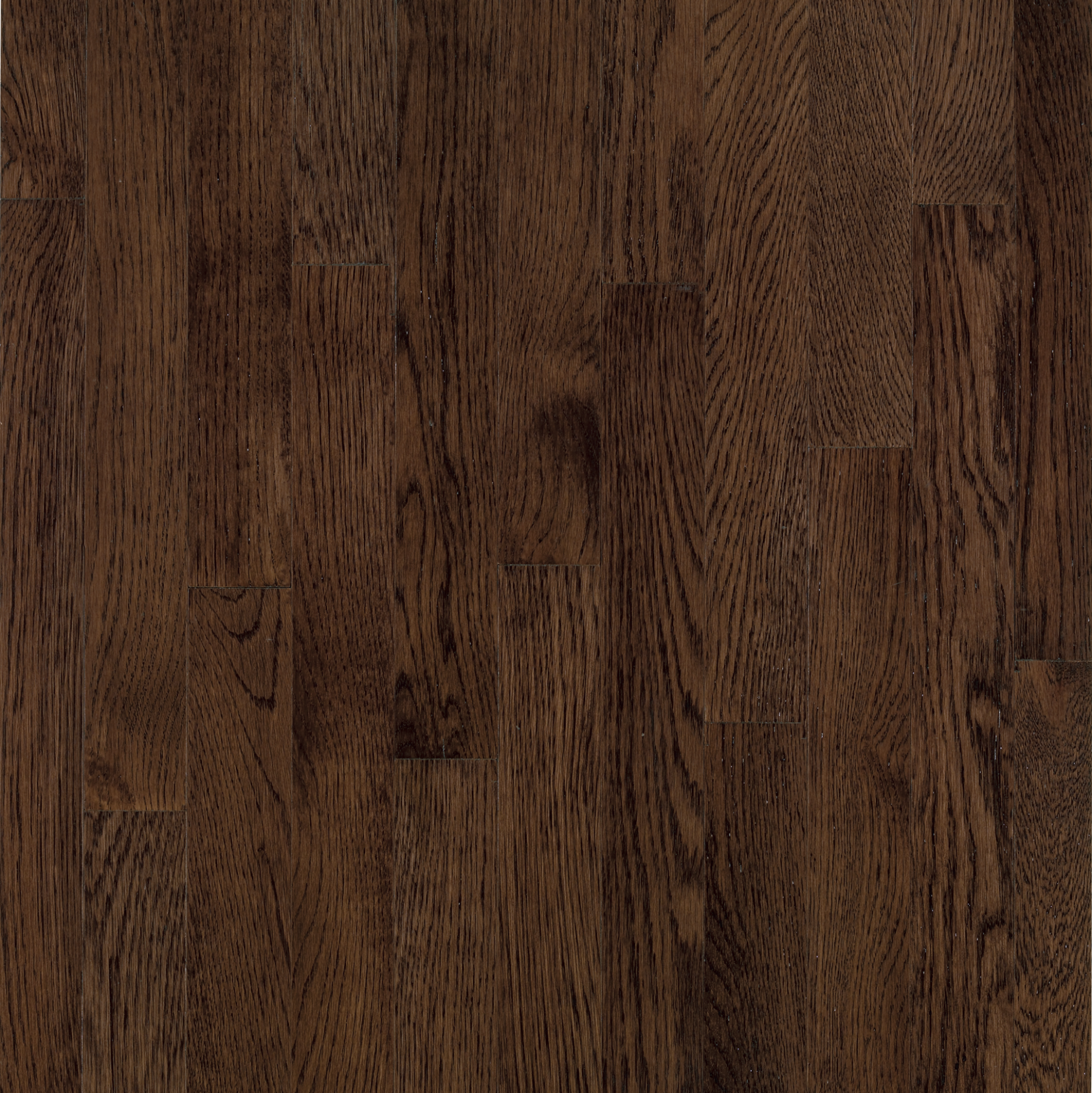
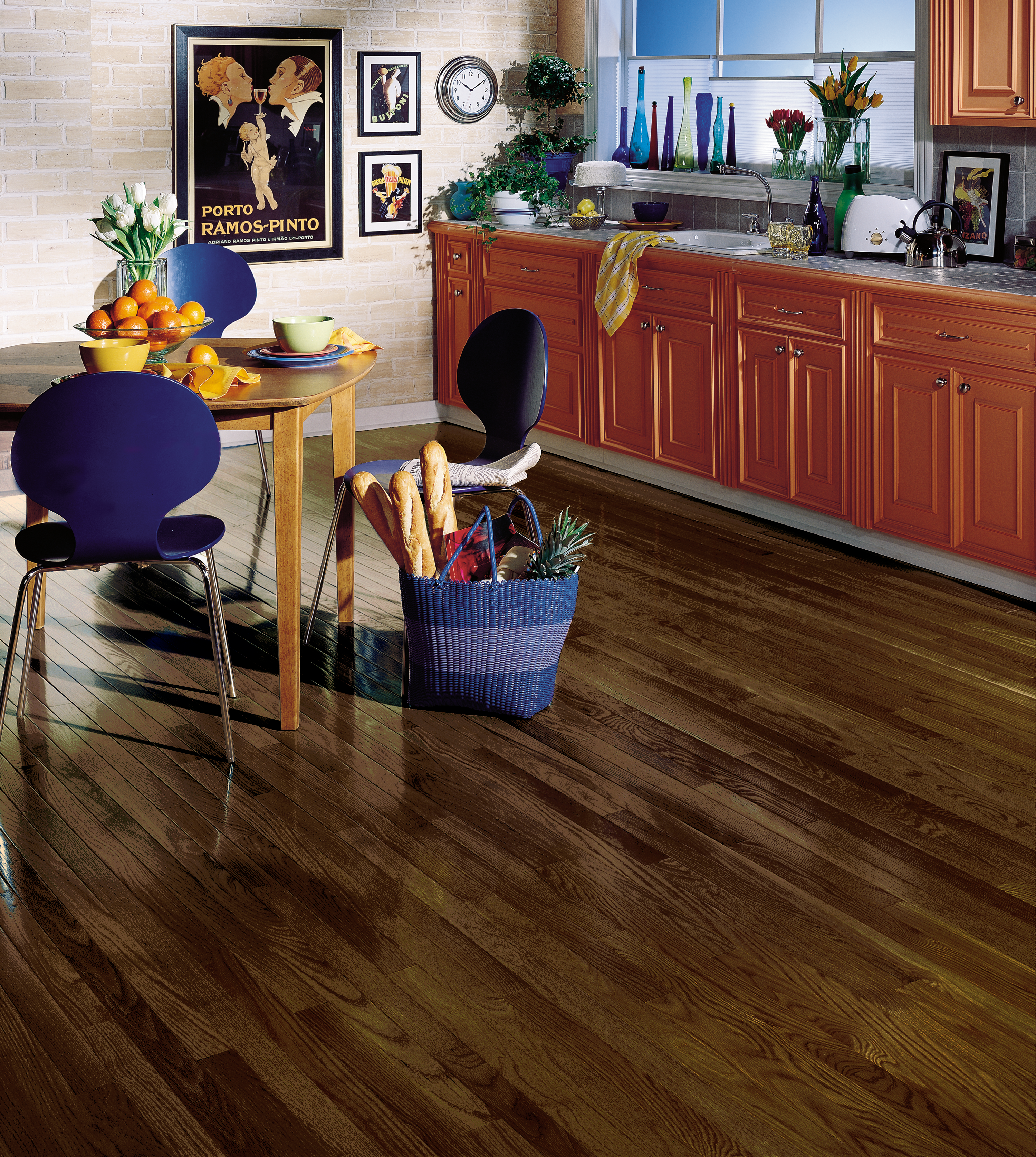
Rich brown and deeper natural wood tones complement traditional rooms with detailed trim, built-in cabinetry, formal furniture, and decorative lighting. Oak and maple both work well here; narrower strip flooring may reinforce a more classic appearance.
Mid-century Inspired Interior Design
Maple's clean, subtle grain pairs naturally with mid-century style, and warm medium brown or honey tones, whether in oak or maple, work well with tapered furniture, walnut accents, simple silhouettes, and vintage-inspired colors. The floor should support the architecture while allowing the furnishings to remain the focal point.
Choosing Your Bruce Solid Hardwood Flooring Species and Plank Width
Wood species differ in dent resistance, grain pattern, and natural color variation. Among common domestic hardwoods, hickory has greater dent resistance than hard maple, while hard maple is generally harder than red or white oak. Cherry is softer than these species. A higher Janka rating indicates greater resistance to denting, but it does not measure scratch resistance or determine the floor’s overall durability. Hickory displays bold grain and color variation, oak has more pronounced graining, and maple generally has a smoother, more uniform appearance. Consider these differences together with the product’s finish and specifications.
Plank width affects how a hardwood floor feels in a room. Narrower planks read as more traditional and can suit smaller rooms, while wider planks show off the wood grain more and give larger rooms a more open, modern feel. Wider planks also mean fewer seams across a floor, which some homeowners prefer for a cleaner look.
Species and plank width vary by collection and by individual product, so check each product's page for its exact specifications before ordering. If you're weighing options across multiple Bruce collections, Floor AI can help you compare side by side.
Choose Your Sheen and Texture
Sheen refers to how much light a floor's finish reflects, and it varies by product line and finish type. Higher-gloss finishes give a more polished, formal look. Lower-gloss finishes tend to make everyday marks like dust, footprints, and light scratches less noticeable, since there's less reflective surface to catch the eye.Not every color is available in every sheen level. Check each collection's product page for the specific finishes offered before narrowing your choice by sheen alone.
In high-traffic spaces, a lower-gloss finish can make dust, footprints, light scratches, and other surface marks less noticeable. This is an appearance difference and does not mean that lower-gloss flooring has greater durability or slip resistance. Gloss level alone also does not determine warranty coverage. Review the finish specifications and residential warranty for the individual Bruce product before making your selection.
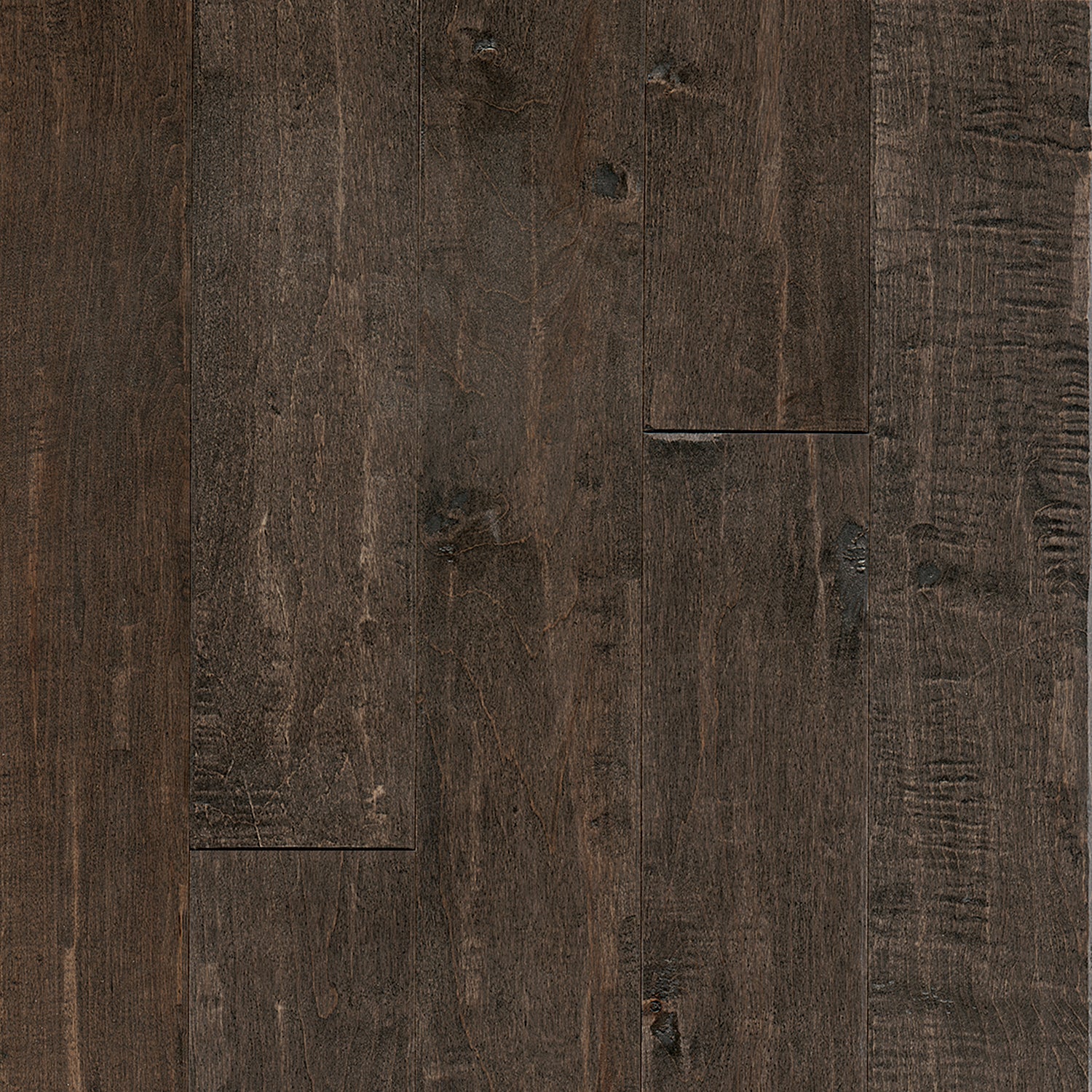
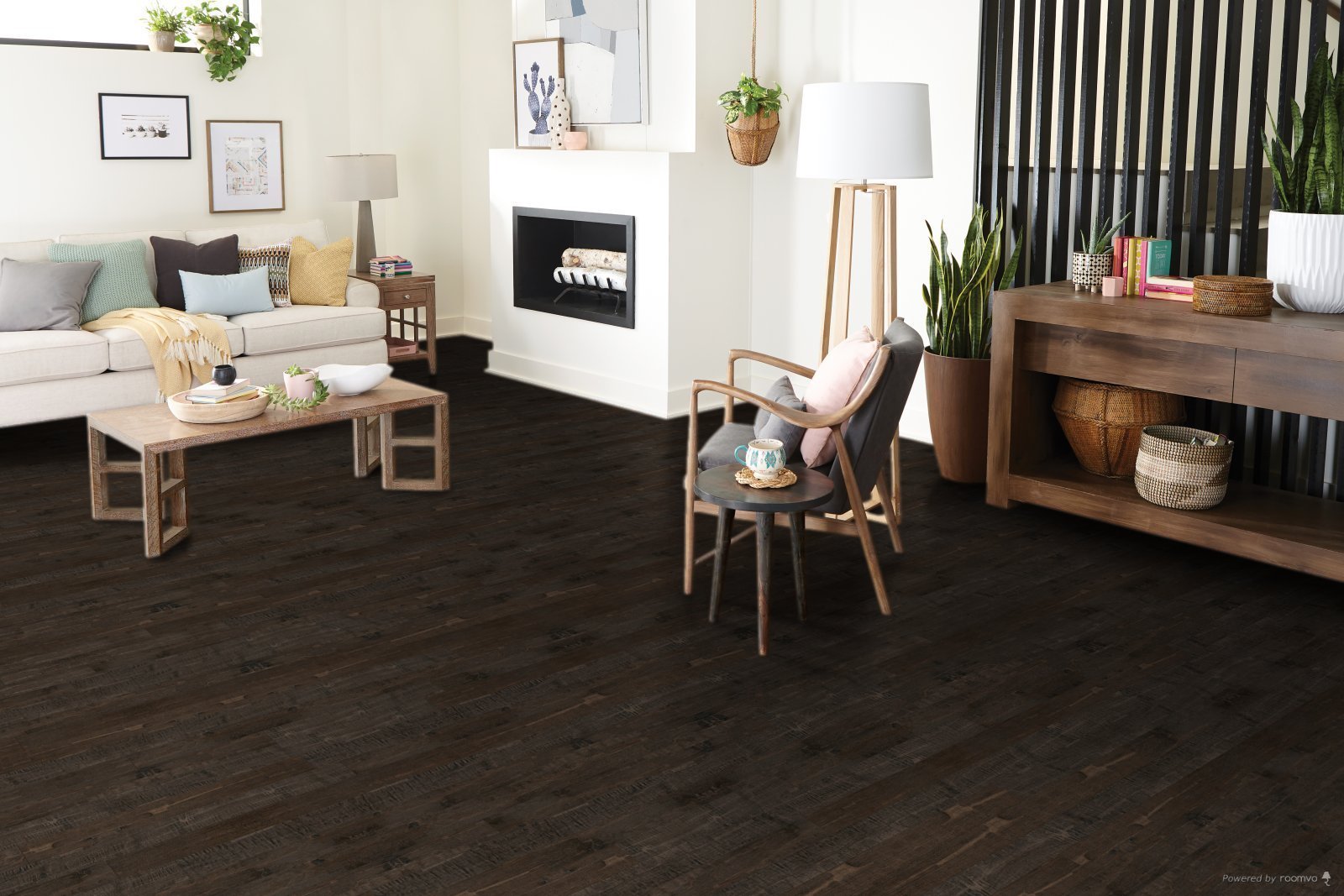
Texture is a separate consideration from sheen on Bruce wood floors. It concerns the surface feel and finishing technique, not how much light the floor reflects. Floor City's current Dundee, Natural Choice, Manchester, and Waltham collections are finished with a standard smooth surface; if a more pronounced hand-scraped texture is what you're after, Bruce's Signature Scrape collection offers that option in maple. A smooth, even surface tends to read as more contemporary. A more textured surface can help disguise everyday scuffs and dents in busy households.
When comparing sheen and texture, treat them as two independent choices. A floor can be low-gloss and smooth, or higher-gloss and textured. Base the decision on how the space gets used and the look you want, not on an assumption that one automatically comes with the other.
Frequently Asked Questions
Solid or engineered hardwood?
Choose solid hardwood when the project supports a single-piece wood plank and its fastening and subfloor requirements. Choose engineered hardwood when a layered construction or a product-approved alternative grade level, subfloor, or installation method better fits the site.
How do I maintain Bruce hardwood floor?
Maintain Bruce hardwood flooring by sweeping, dust mopping or vacuuming regularly with the beater bar turned off. Wipe up spills immediately, and occasionally clean the floor with Bruce Hardwood & Laminate Floor Cleaner and a soft microfiber mop. Avoid water, steam mops, vinegar, oil soaps, wax, bleach, ammonia and abrasive cleaners. Use felt furniture pads, entrance mats and trimmed pet nails to help prevent scratches. Always follow the care instructions and warranty requirements for your specific Bruce product.
How thick is Bruce solid hardwood flooring?
Bruce solid hardwood flooring is available in 5/16-inch and 3/4-inch thicknesses. Most traditional Bruce prefinished hardwood flooring collections use 3/4-inch planks, while Natural Choice offers a lower-profile 5/16-inch option. Always confirm the thickness on the individual product page because it affects subfloor requirements, transitions and the approved installation method.
Are Bruce floors tongue and groove?
Bruce solid hardwood floors use tongue-and-groove construction and install with nails, staples, or adhesive over an approved subfloor. Some Bruce engineered hardwood collections also use tongue-and-groove joints, but install differently: as a floating floor with the plank joints glued together, rather than fastened to the subfloor. Other Bruce products use Lock & Fold or click-lock systems instead of tongue-and-groove. Check the installation instructions for your specific product to confirm its construction and installation method.
Can Bruce solid hardwood go over radiant heat?
No. Solid hardwood is not approved for installation over radiant-heated subfloors. The repeated heat and moisture cycling causes more expansion and contraction than a single-piece plank can reliably tolerate. If radiant heat is part of your subfloor, ask about Bruce's engineered hardwood options, and confirm radiant-heat compatibility for that specific product before ordering.
How long does Bruce solid wood flooring need to acclimate?
There's no single number that applies to every home. The general range is 3 to 10 days, and completion is defined by moisture content matching the room and subfloor, not by elapsed days. Stack the planks in the room where they'll be installed with normal heat or AC running throughout.
For 3/4" solid hardwood, wood subfloor moisture should not exceed 12%, and the flooring should be within 3% of the subfloor reading (2% for plank-width products). These figures vary by product and thickness, so check conditions with a reliable moisture meter, not solely on calendar days, and confirm the exact thresholds for your specific collection before installing.
How to install Bruce solid hardwood flooring?
-
Prepare the subfloor first: clean, dry, flat, and free of squeaks or loose fasteners. Screw down squeaky spots and address any dips or unevenness using the flattening method approved for your specific product, then let it cure fully before installing.
-
Acclimate the flooring in the room where it will be installed, then fasten it by the method specified for your product.
-
After acclimation, installation depends on the thickness. Standard 3/4" solid like Dundee, Manchester, Waltham is fastened to a wood subfloor with staples, nails, or cleats. It installs on or above grade only; solid hardwood isn't approved for basements because it absorbs moisture vapor from concrete. Bruce's 5/16" solid strip, like Natural Choice, is staple-down or glue-down, and its low profile lets it glue directly to concrete, unlike standard 3/4" solid that is still on or above grade.
-
Confirm the method and subfloor requirements against the installation instructions for your specific product before ordering.
Bruce 3/4 inch Solid Hardwood Installation Instructions
Bruce 5/16 inch Solid Hardwood Installation Instructions
Bruce Hardwood Maintenance Instructions
Where are Bruce solid hardwood floors made?
Bruce solid hardwood is manufactured in the USA with domestically sourced lumber, with species varying by product at domestic production facilities. Bruce has been making American hardwood flooring since 1884, making it one of the longest-standing hardwood flooring brands still operating today, and Bruce hardwood floors remain a staple in American homes.
What do customers say about Bruce hardwood flooring?
Bruce hardwood flooring reviews are available on Bruce's product pages and major retailers that carry the brand. For Bruce wood flooring reviews specific to a collection you're considering, check that product's page directly, since finish, gloss, and durability feedback can vary by product line.
Why order Bruce Hardwood Floor Products at Floor City
Practical Filtering. Narrow Floor City's Bruce hardwood flooring catalog by type, color group, size, thickness, brand, and collection to find options that fit your project, rather than scrolling through everything one product at a time.
Flexible Delivery. Once your order is placed, it can ship straight to your door or job site, or you can grab it yourself at one of our pickup warehouses located across the country.
Accurate Quotes. Enter your square footage and get a price built for your exact order, not a generic per-box rate.
Expert Flooring Guidance. Once you've selected a hardwood floor, Floor City’s Floora AI can answer questions about product specifications, installation requirements, and compatible flooring accessories. Confirm the materials your project needs before ordering to help avoid missing supplies during installation.