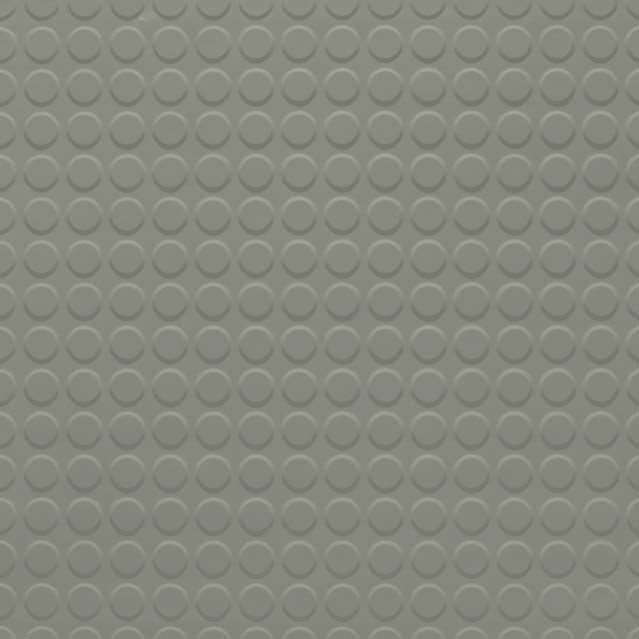

Rubber Tiles

Rubber Floor Tiles for Gyms, Commercial Spaces & Garages
Rubber floor tiles are dense, resilient flooring units used in gyms, commercial facilities, warehouses, and garages. Available in thicknesses from 1/8" to 1/2", they absorb impact, reduce noise, and resist oil, moisture, and heavy foot traffic. Most tiles install without adhesive using an interlocking or square-edge system, making them a practical choice for both permanent and temporary setups.
Rubber floor tiles are the go-to flooring for spaces that take a beating — weight rooms, fitness studios, loading docks, retail backrooms, and commercial workshops. Floor City carries rubber tiles from two of the most specified brands in North America: Tarkett (Johnsonite) and Roppe, both manufactured to exacting commercial standards. Whether you're tiling a 300 sq ft garage gym or a 10,000 sq ft warehouse floor, this collection gives you options engineered for real-world use.
What Thickness Do Rubber Floor Tiles Need to Be?
Tile thickness should match the intensity of use. For commercial gyms and heavy-equipment areas, 3/8" is the most widely specified thickness — it handles the impact of free weights up to 120 lbs and absorbs the constant foot traffic of high-use facilities. A 1/4" tile works for moderate commercial use like retail backrooms and corporate fitness centers. Go to 1/2" or thicker when the space will see dropped barbells, Olympic lifts, or rolling warehouse equipment.
Roppe Recoil tiles are available in standard thicknesses of 5/32", 1/4", 3/8", and 1/2", giving facility managers a precise match for each zone. For lighter-duty areas — locker rooms, yoga studios, corridors — the Tarkett Johnsonite Inertia tile in a 1/4" square-edge format handles daily traffic without over-engineering the spec. Getting the thickness right the first time protects your subfloor and extends the floor's service life significantly.
Interlocking vs. Square-Edge Rubber Tiles — Which Format Is Right for Your Space?
Interlocking rubber floor tiles are designed for floating installations without adhesive; square-edge tiles are designed for glue-down permanent installs. The right choice depends on whether the floor needs to be permanent or relocatable.
Interlocking formats click together like puzzle pieces, making them practical for garage gyms, temporary fitness zones, and modular commercial spaces that may be reconfigured. They sit flat on concrete or plywood without tape or adhesive — the weight of the rubber itself holds them in place. Square-edge tiles create a tighter finished look when glued down and are the standard spec for retail floors, healthcare corridors, and high-traffic commercial areas where seam movement is not acceptable. Roppe offers both square-edge and interlocking configurations across its tile range. Tarkett Johnsonite's Inertia line also provides both formats, including a SlideLock option for 3/8" applications.
Which Spaces Are Rubber Floor Tiles Best Suited For?
Rubber floor tiles perform well in any environment that demands durability, slip resistance, and easy maintenance. The most common applications include:
- Gyms and fitness centers: Rubber tiles absorb shock from dropped weights and high-impact exercise, protecting both the subfloor and joints. They reduce noise transmission — important in multi-story commercial buildings.
- Garages and workshops: Rubber tiles resist oil and chemical spills, don't crack under vehicle or equipment loads, and are far more comfortable underfoot than bare concrete for extended work sessions.
- Warehouses and industrial areas: High-density commercial rubber tiles handle rolling loads from carts, dollies, and pallet jacks. Roppe's Performance Compound tiles are specifically formulated to resist petroleum hydrocarbons — ideal for manufacturing and light industrial use.
- Retail backrooms and loading areas: Slip resistance and chemical resistance make rubber tile a practical spec for receiving docks, stock rooms, and employee break areas where spills and heavy traffic are routine.
- Commercial corridors and healthcare facilities: Tarkett Johnsonite rubber tiles meet ADA slip-resistance standards and coordinate with Roppe stair treads and wall base for a continuous look across an entire facility.
How Do You Install Rubber Floor Tiles?
Most interlocking rubber tiles can be loose-laid directly on a clean, flat subfloor — no adhesive required. The installation process for a standard interlocking tile is straightforward: start from the center of the room or a corner wall, connect tiles edge-to-edge, and trim the perimeter tiles with a utility knife and straight edge.
For permanent square-edge installs, a pressure-sensitive adhesive spread over the subfloor with a notched trowel creates a bond that handles heavy rolling loads and won't allow edge lifting over time. Roppe and Tarkett both specify compatible adhesives for their products. For commercial applications with high lateral movement — gym floors where members do agility drills or sled work — a glue-down installation prevents tiles from shifting under load. DIY-friendly loose-lay installs are best reserved for garages, home gyms, and spaces where the floor may need to be moved.
How Do You Clean and Maintain Rubber Floor Tiles?
Rubber floor tiles require minimal maintenance compared to vinyl, carpet, or wood. Routine cleaning involves dry sweeping or dust mopping to remove debris, followed by damp mopping with a pH-neutral cleaner. Roppe rubber tile is specifically designed to be maintained without waxes or finishes, which reduces long-term chemical use and cost.
Avoid solvent-based cleaners, strong acids, or abrasive scrubbers — these degrade the surface over time. For gyms, a daily spray-and-wipe protocol with a diluted disinfectant keeps tiles hygienic under heavy use. Tarkett Johnsonite tiles also clean up quickly with standard commercial floor care products. Both brands carry low-VOC cleaning product lines compatible with their rubber tile formulations. With proper care, commercial-grade rubber tiles carry a reference service life of 40 years.
What Makes Tarkett Johnsonite and Roppe Rubber Tiles Different From Commodity Options?
Both Tarkett Johnsonite and Roppe rubber tiles are manufactured to commercial flooring standards that commodity tiles sold at home improvement stores do not meet. Roppe rubber tile holds GREENGUARD Gold, FloorScore®, and NSF/ANSI 332 Level 1 certifications and is free of Red List chemicals, PVC, phthalates, and halogens. It meets CHPS criteria for schools and healthcare environments. The product has a measured abrasion resistance of less than 1g loss per 1,000 cycles per ASTM D3389 — that's the kind of specification a concrete subfloor in a commercial gym requires.
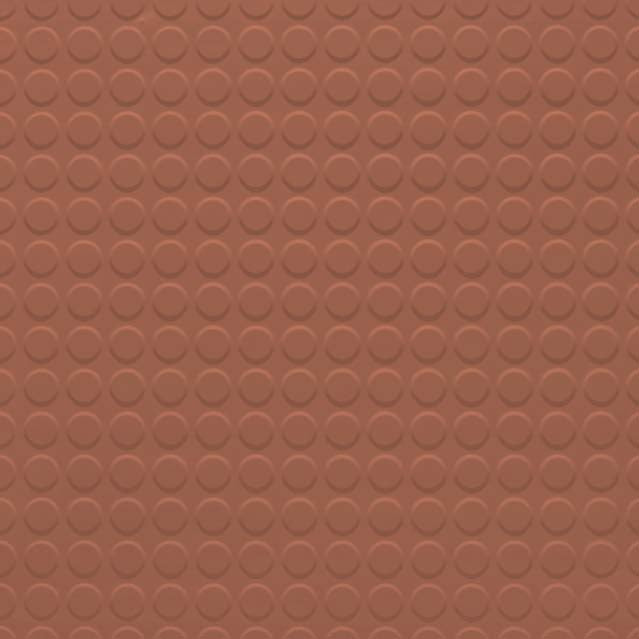
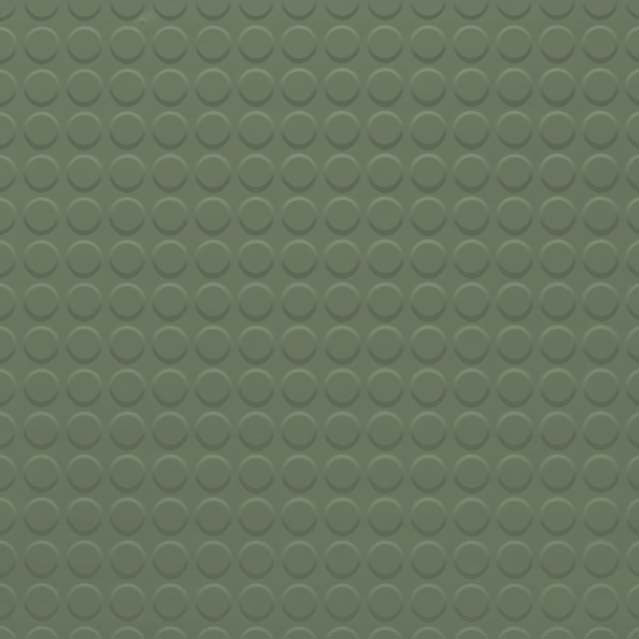
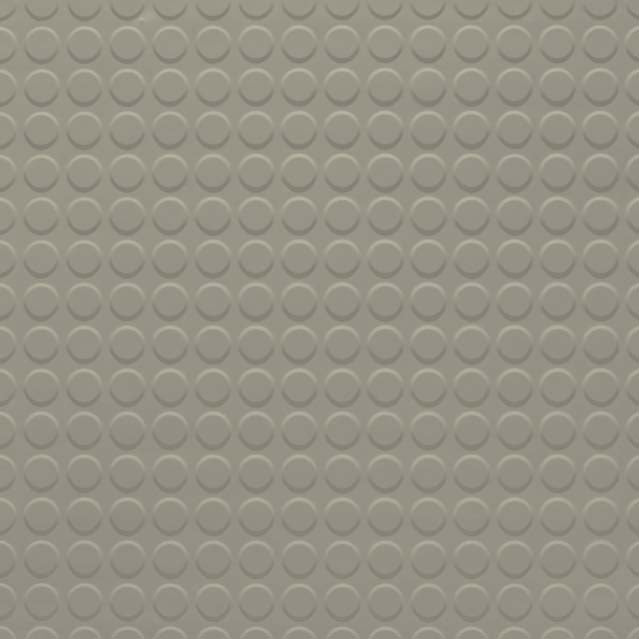
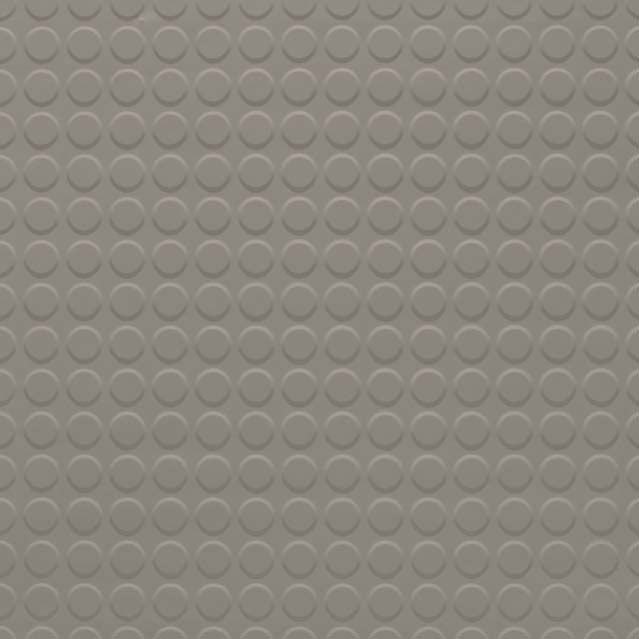
Tarkett's Johnsonite Inertia tile offers multiple surface patterns — Minerality, Olio, and Speckled — across a broad color palette, making it a viable architectural spec for fitness centers, corporate offices, and medical facilities where appearance matters alongside durability. Neither brand is designed to be the cheapest tile on the shelf. Both are designed to be the last tile you install in that space.
Frequently Asked Questions About Rubber Floor Tiles
What are rubber floor tiles made of?
Rubber floor tiles are made from vulcanized rubber — either natural rubber, synthetic styrene-butadiene rubber (SBR), or a combination of both. Commercial tiles like Roppe use a homogeneous composition of synthetic rubber, fillers, and additives, molded under heat and pressure into dense, dimensionally stable units. Some tile lines incorporate recycled rubber content; Roppe's ReNew palette contains 13% bio-based content from cork.
Can rubber floor tiles be used in a garage?
Yes. Rubber floor tiles work on garage floors because they resist oil, grease, and vehicle fluids, don't crack under concentrated point loads, and provide traction on surfaces that would otherwise be slippery when wet. Interlocking formats are particularly practical for garages since they can be installed and removed without adhesive. For garages with heavy vehicle traffic, a 3/8" or thicker tile provides the density needed to handle the load.
How thick should rubber tiles be for a commercial gym?
3/8" is the most widely specified thickness for commercial gym floors. This thickness handles free weights up to 120 lbs and absorbs the shock of routine commercial training. For areas with Olympic lifting, heavy barbell drops, or loaded sled work, 1/2" or greater is more appropriate. Lighter zones — stretching areas, locker rooms, or yoga studios — work well with 1/4" tile.
Do rubber floor tiles need adhesive?
Interlocking rubber tiles do not require adhesive for most floating installations. The density of the rubber keeps tiles in place on flat subfloors. Square-edge tiles used in permanent commercial installs are typically glue-down, using a pressure-sensitive or epoxy adhesive compatible with the tile manufacturer's spec. For high-traffic areas with rolling loads, or spaces subject to lateral movement, a glue-down install is generally recommended over loose-lay.
Are rubber floor tiles slip-resistant?
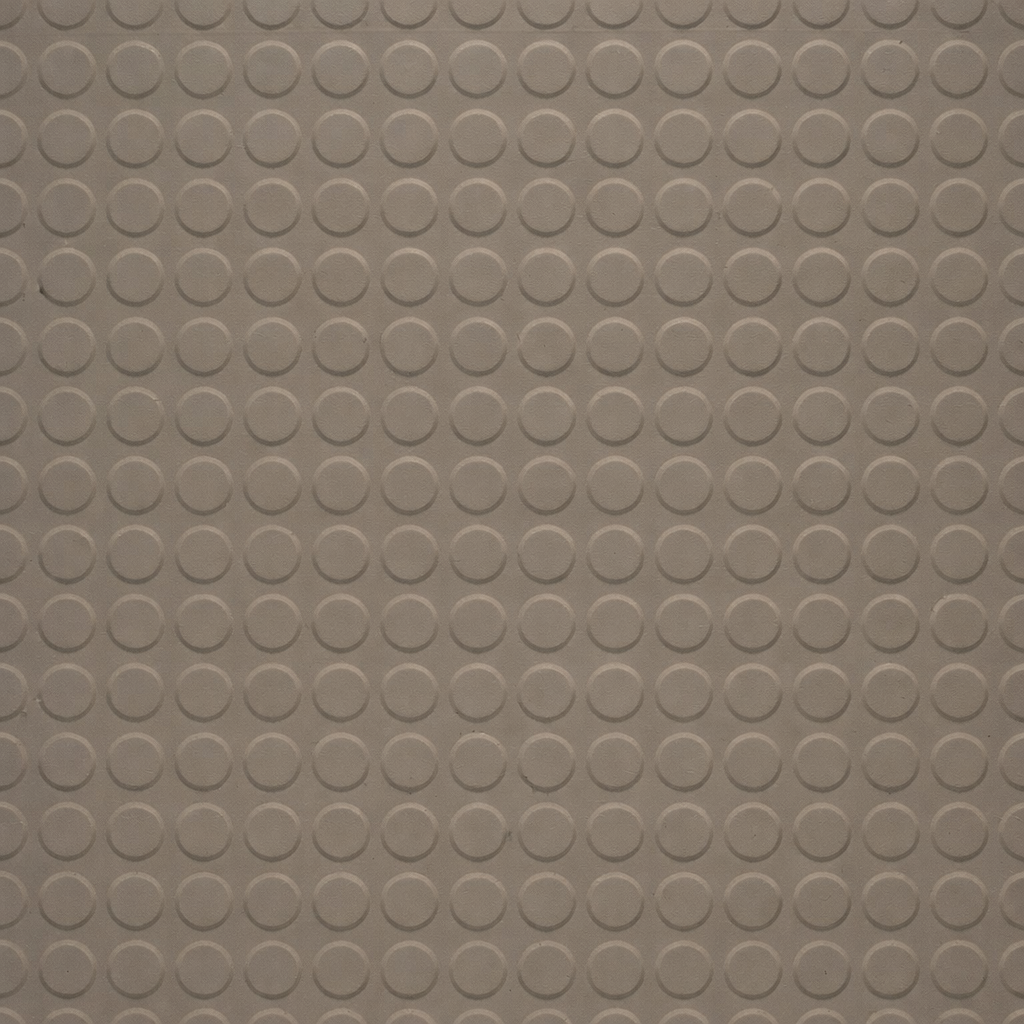
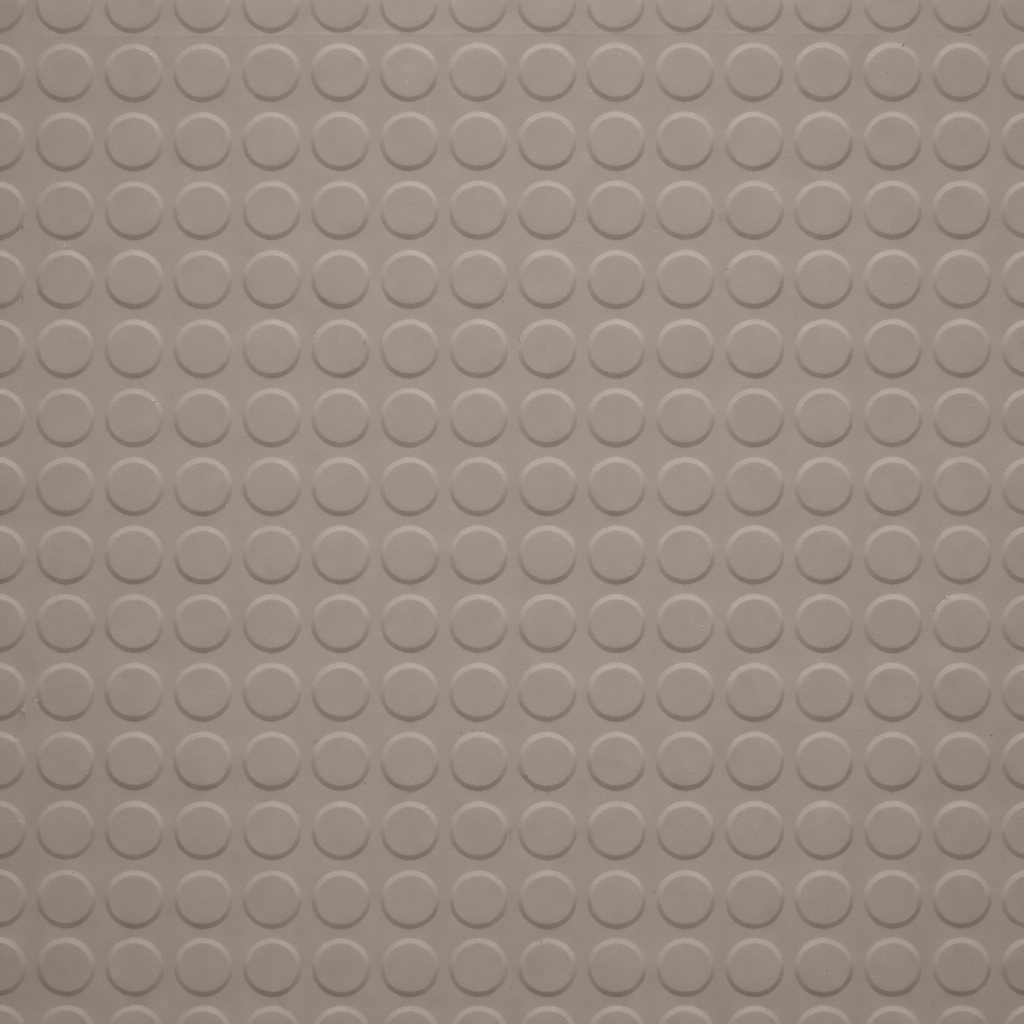
Rubber floor tiles have inherent slip resistance due to the natural texture and density of vulcanized rubber. Roppe rubber tile is tested and rated for slip resistance under commercial use conditions. Textured and raised-profile tile surfaces provide additional grip in wet environments. For spaces with standing water or liquid spills — commercial kitchens, pool decks, or wet utility areas — select a tile with a raised or embossed surface profile rather than a smooth finish.
What is the difference between rubber tiles and vinyl tiles?
Rubber tiles are denser, heavier, and more resistant to point-load impact than vinyl tiles. They are better suited for heavy equipment, weight training, and industrial environments. Vinyl tiles — including luxury vinyl tile (LVT) — are lighter, thinner, and offer more design variety but are more susceptible to gouging and compression under heavy loads. For commercial fitness, garage, and warehouse applications, rubber is the more appropriate material choice.
How long do rubber floor tiles last in a commercial setting?
Commercial-grade rubber floor tiles carry a reference service life of 40 years under normal use conditions, based on manufacturer data for products like Roppe Rubber Tile. Actual service life depends on installation quality, maintenance practices, and the intensity of use. Tiles in high-traffic corridors or under heavy gym equipment may show surface wear earlier than tiles in lower-impact zones. Individual tiles can be replaced without pulling up the entire floor, which extends the effective life of the installation.
Floor City is an authorized dealer for Tarkett Johnsonite and Roppe — two brands that have been the commercial flooring standard in North American facilities for decades. Every rubber tile in this collection ships from manufacturer-verified inventory, not gray-market supply. Tarkett's Johnsonite line meets ADA requirements and coordinates across stair treads, wall base, and accessories for full facility specs. Roppe rubber tile is certified GREENGUARD Gold and FloorScore®, made in the USA, and covers more than 70 color options. Our team handles commercial volume orders, project quotes, and specification support. Contact us directly for pricing on large-square-footage projects, or order sample tiles before committing to a full floor.