Paradigm Conquest Flooring

Most shoppers land on this page wanting one thing: a waterproof wood-look floor that actually holds up. Paradigm Conquest is built for exactly that.
Paradigm Conquest flooring is the rigid-core SPC collection inside Paradigm's luxury vinyl plank lineup. The planks run longer and wider than standard LVP, the core is dense enough to take heavy traffic, and the surface is waterproof by design. It's the collection installers hand customers who want hardwood visuals without hardwood's vulnerabilities.
What is Paradigm Conquest Luxury Vinyl Plank?
Paradigm Conquest luxury vinyl plank is a premium SPC collection. Every plank has a stone-plastic composite core instead of the softer foam core used in standard LVP, and that core is what makes the floor waterproof, dimensionally stable across temperature swings, and firm enough to resist dents from furniture legs and pet claws.
In practical terms, Paradigm Conquest LVP gives you a wood look with none of wood's weak spots. Spills don't soak in, humidity doesn't warp the planks, and surface scratches stop at the wear layer before they reach the printed visual.
Why the Rigid Core Feels Different Underfoot
There's a physical difference between SPC and the cheaper LVP most big-box stores sell, and you can feel it inside ten seconds of walking on it.
SPC is short for stone-plastic composite. The core is mineral-dense, which means the plank doesn't flex under a footstep. In real-world terms, your floor doesn't telegraph small bumps in the subfloor, heavy furniture doesn't leave pressure marks, and the planks don't move noticeably when seasons change.
The trade-off, stated plainly: Paradigm Conquest luxury vinyl feels firmer underfoot than a foam-core WPC plank. Some people prefer that solid, anchored feel. Others want something softer. If your priority is a plush walking surface, Conquest isn't the pick. If you want a floor that feels like a real floor, it is.
The Long-Plank Look
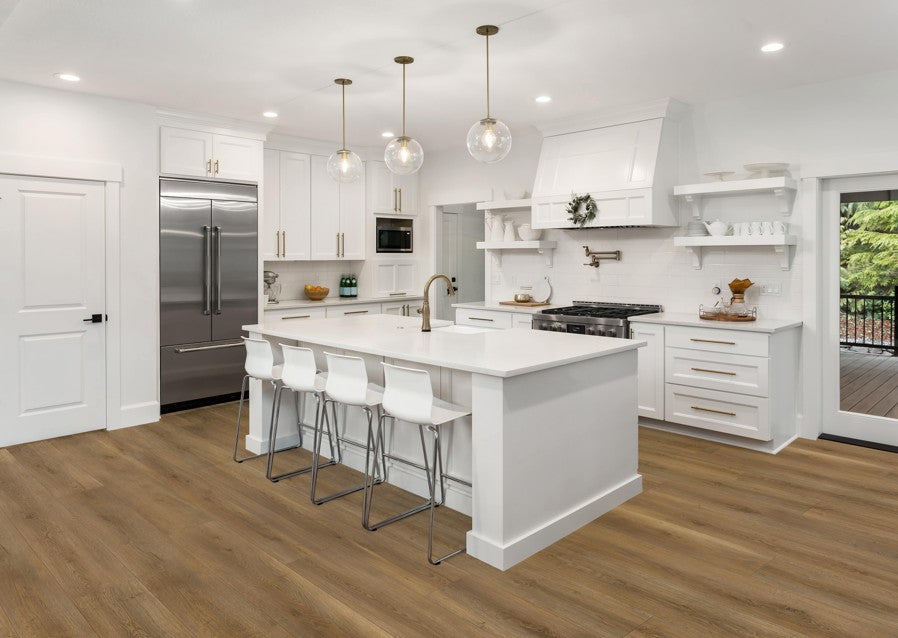
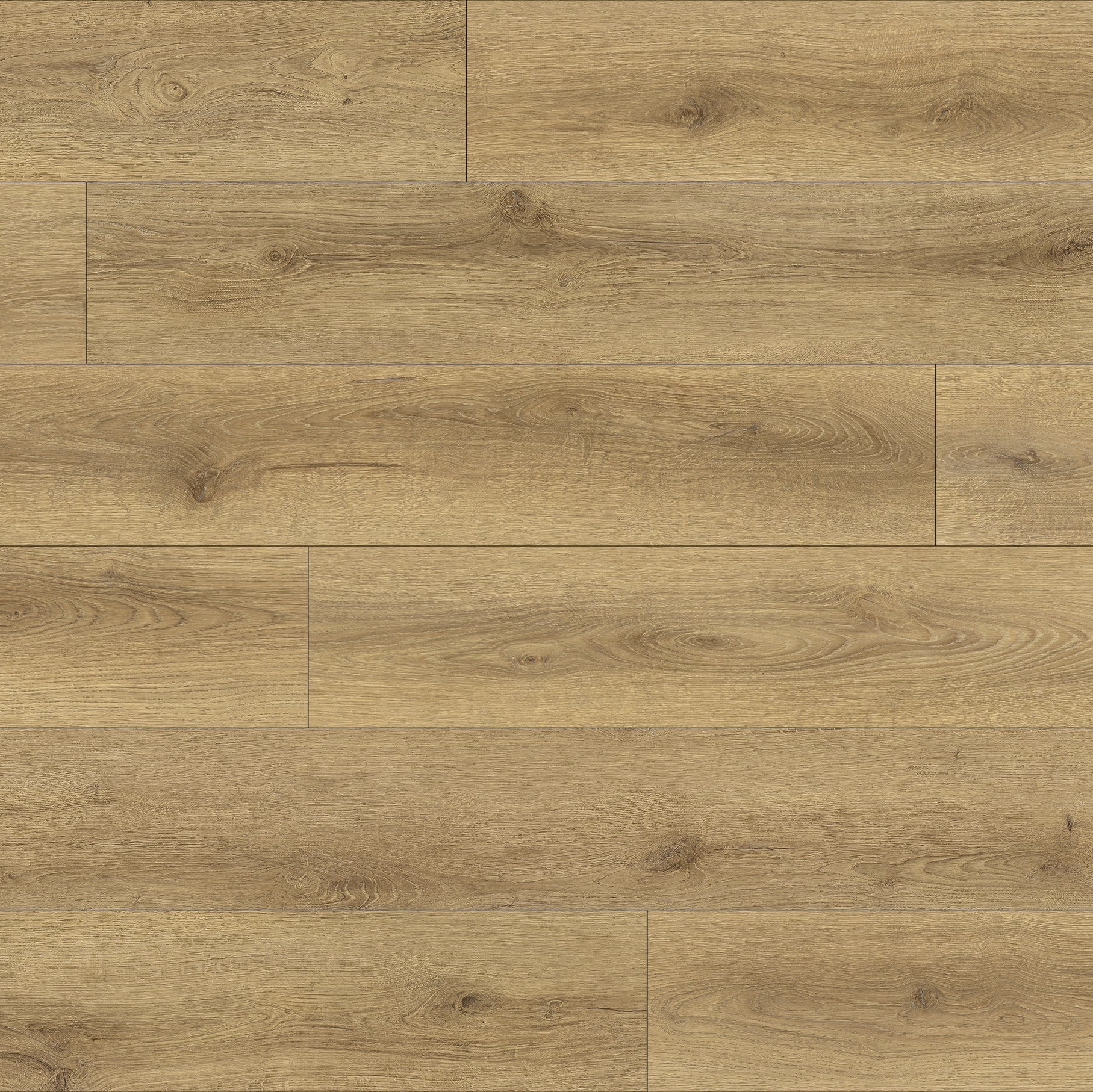
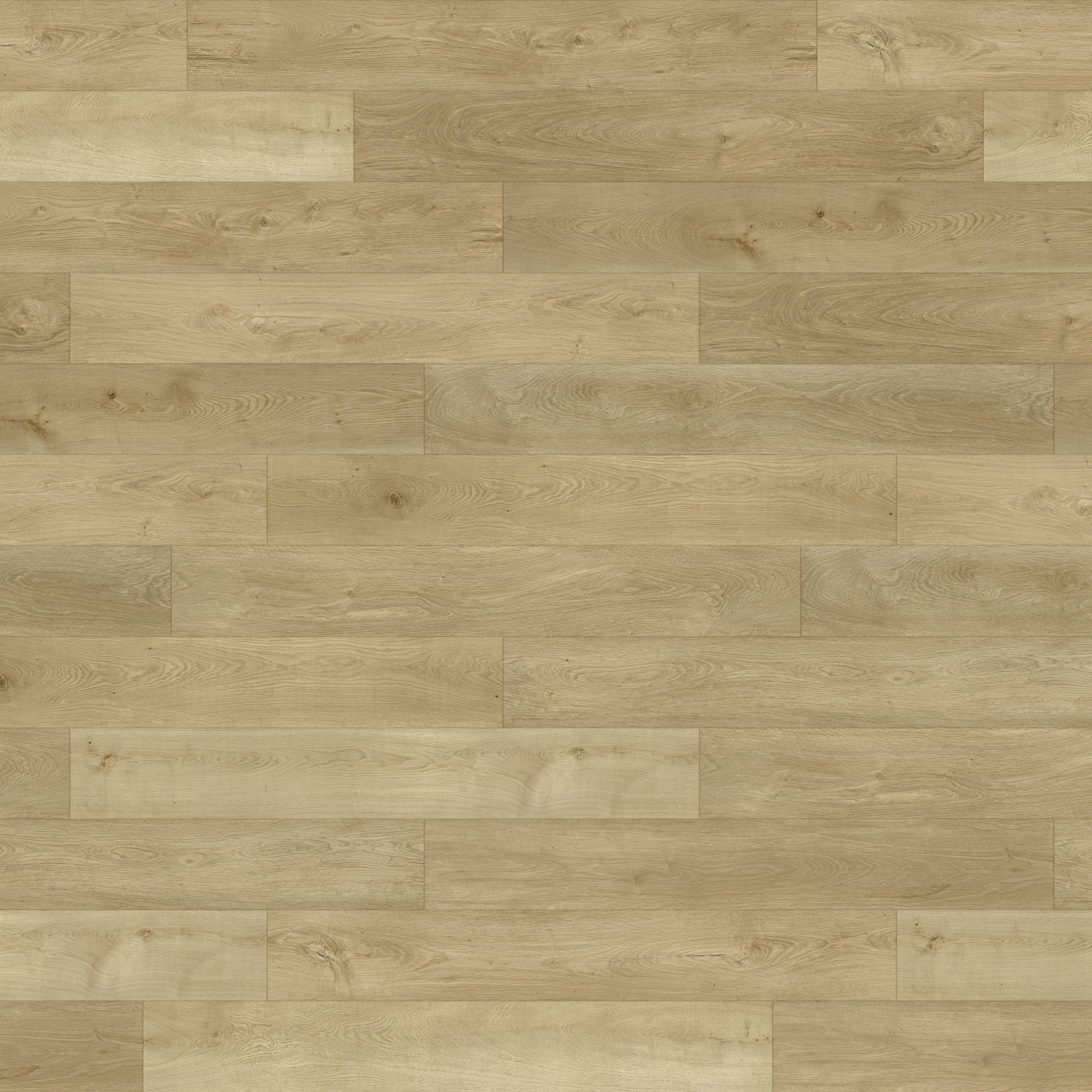
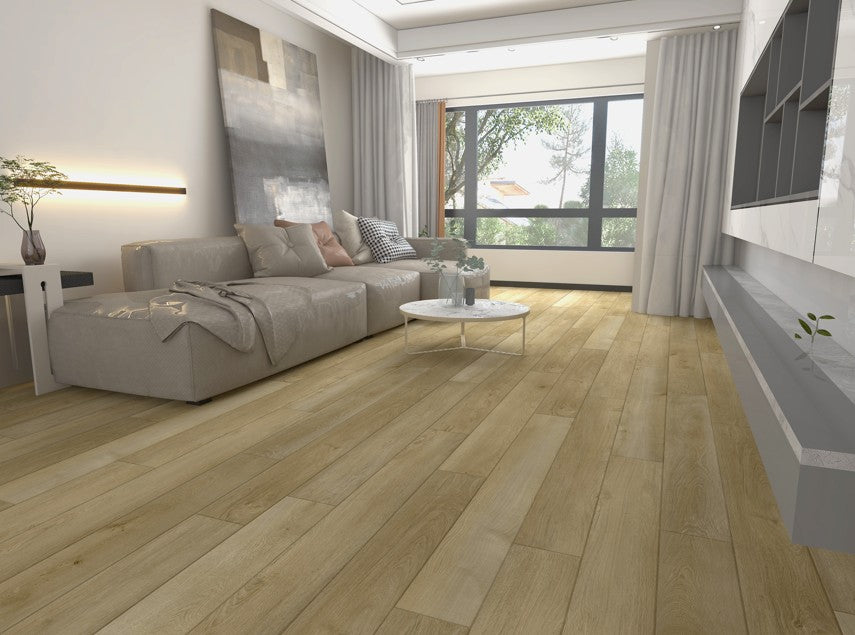
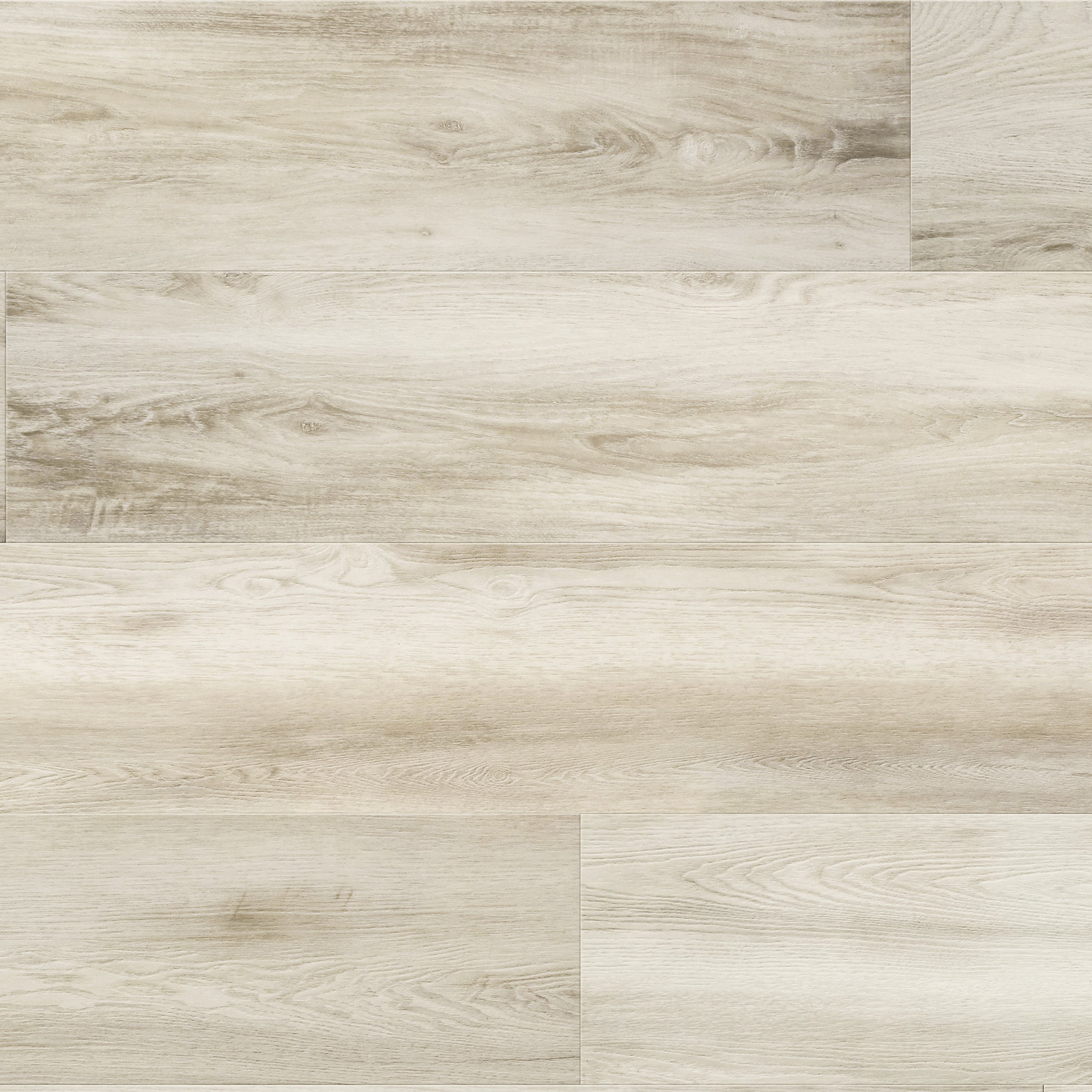
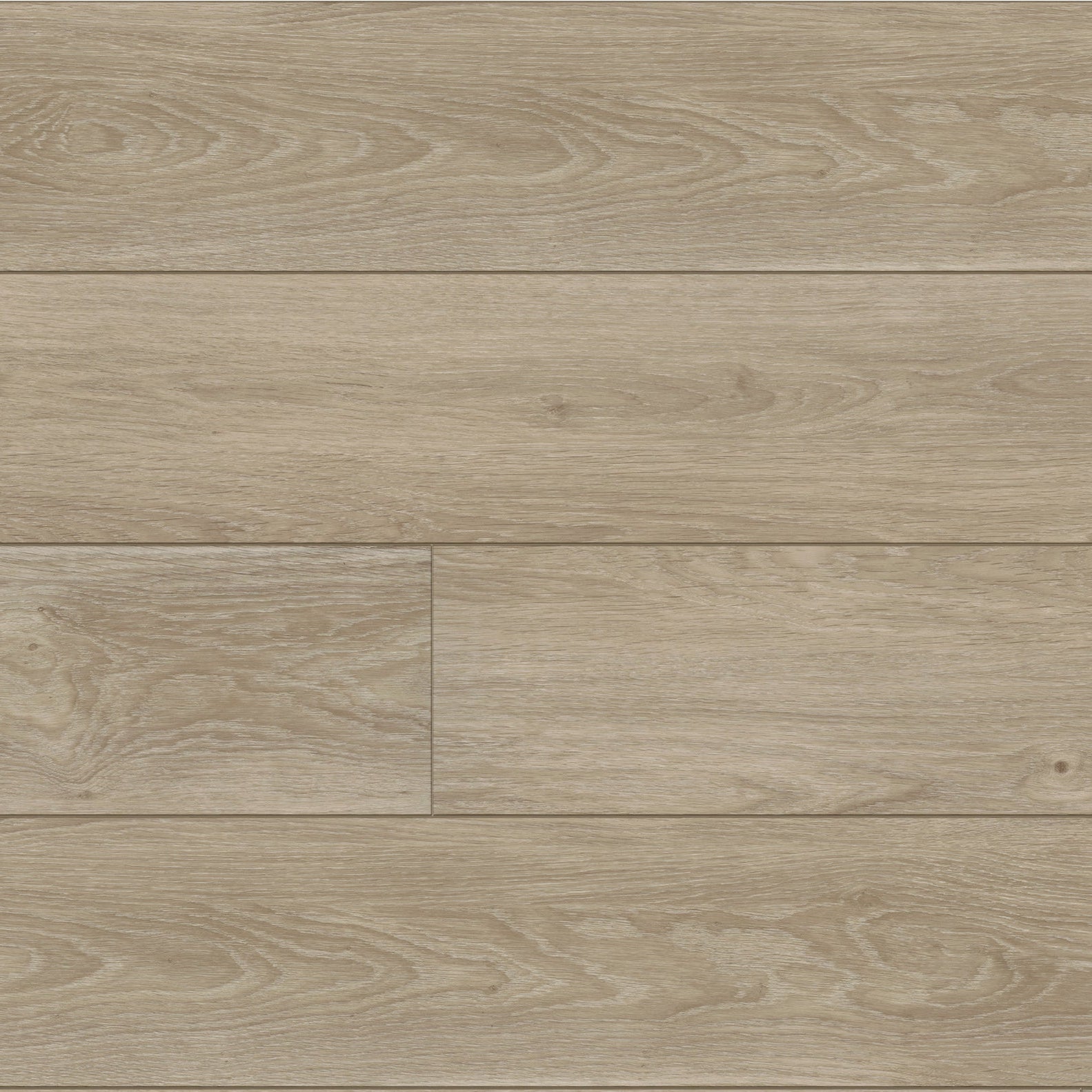
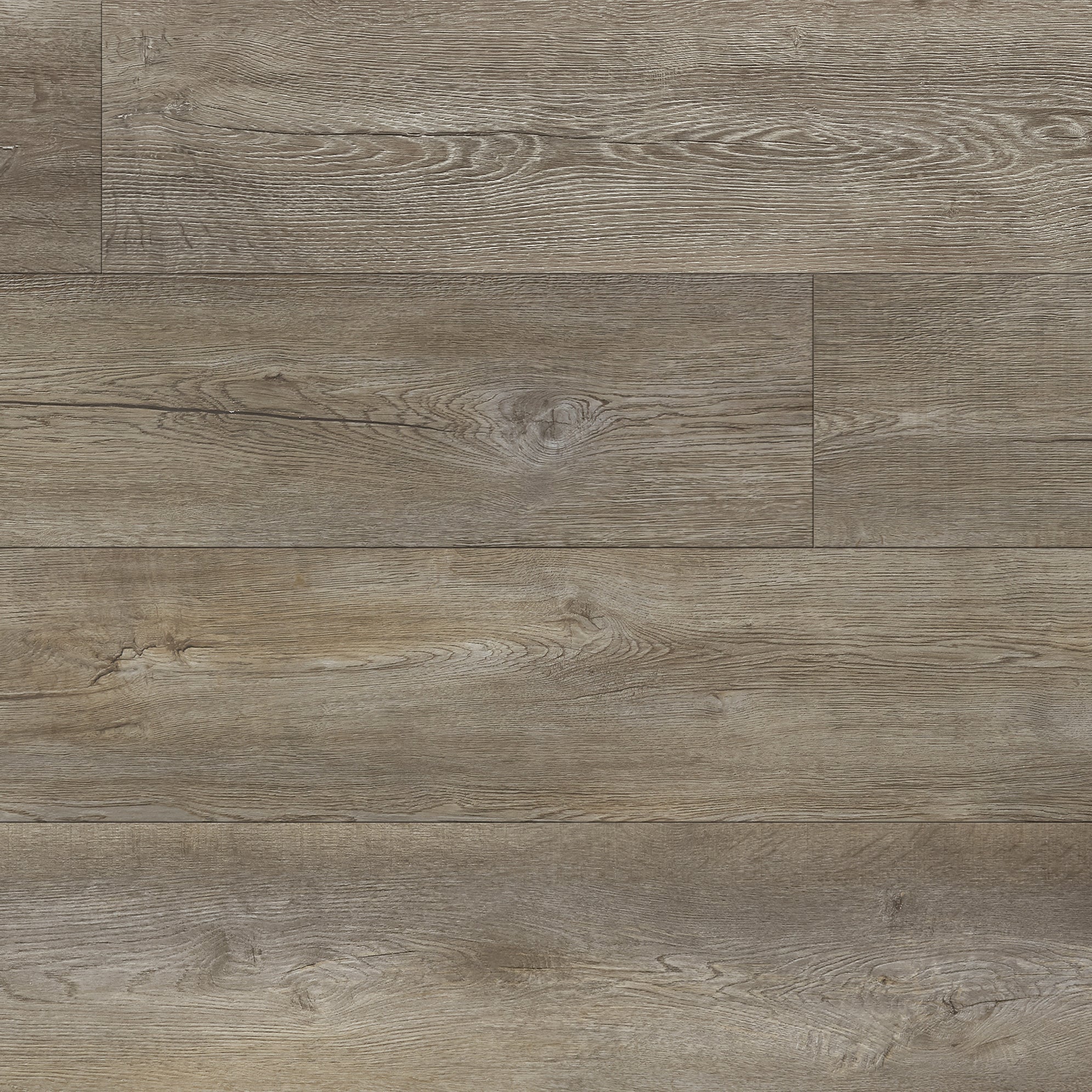
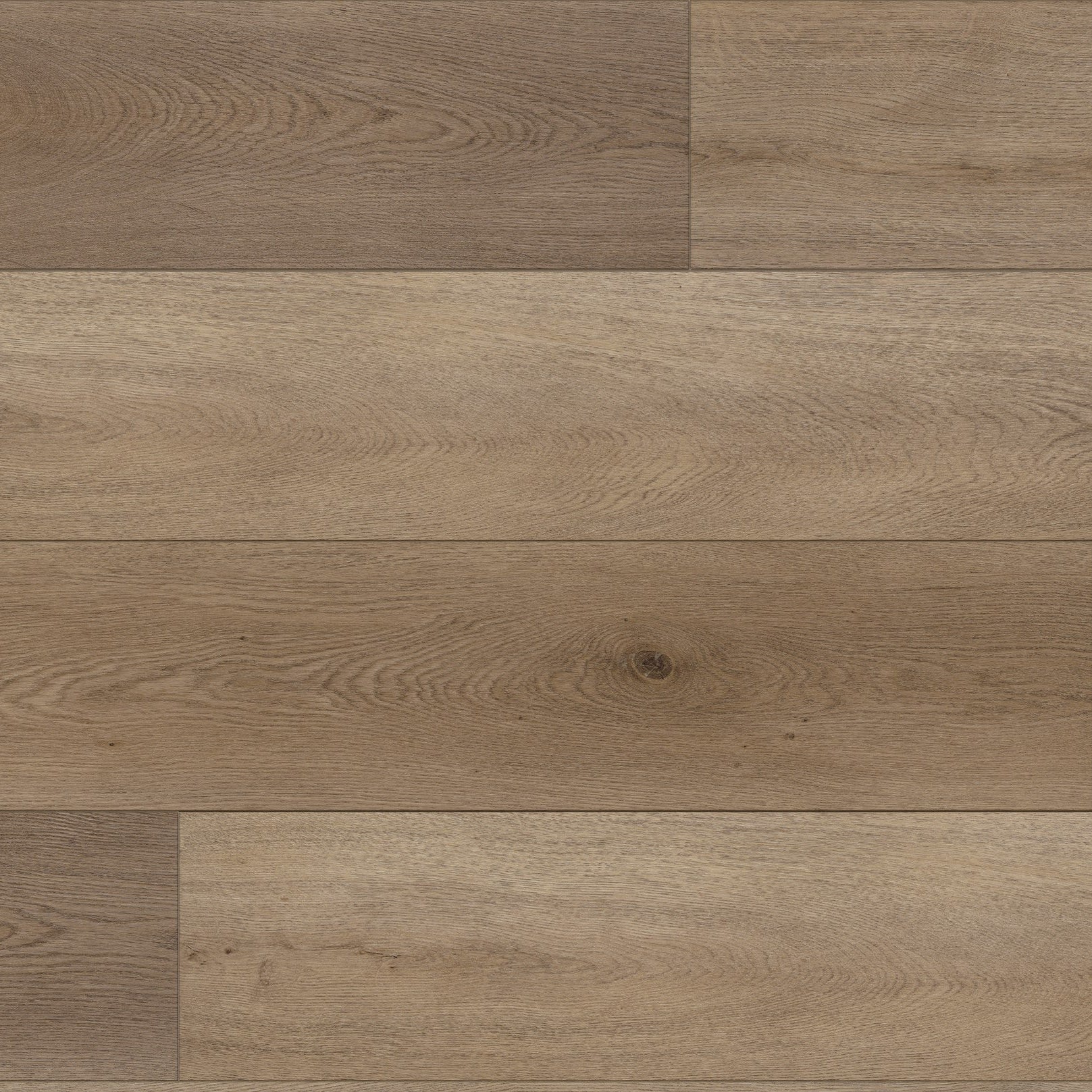
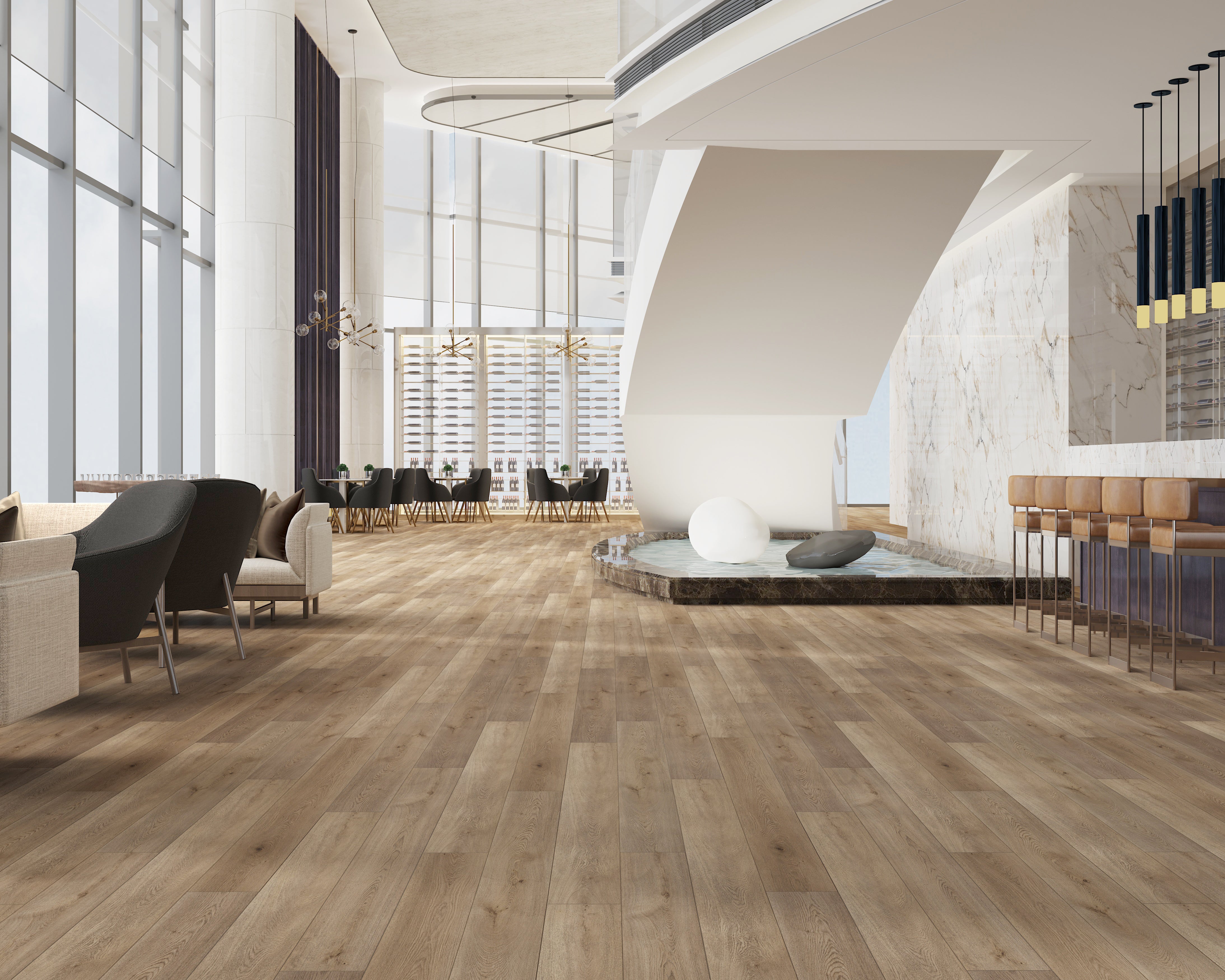
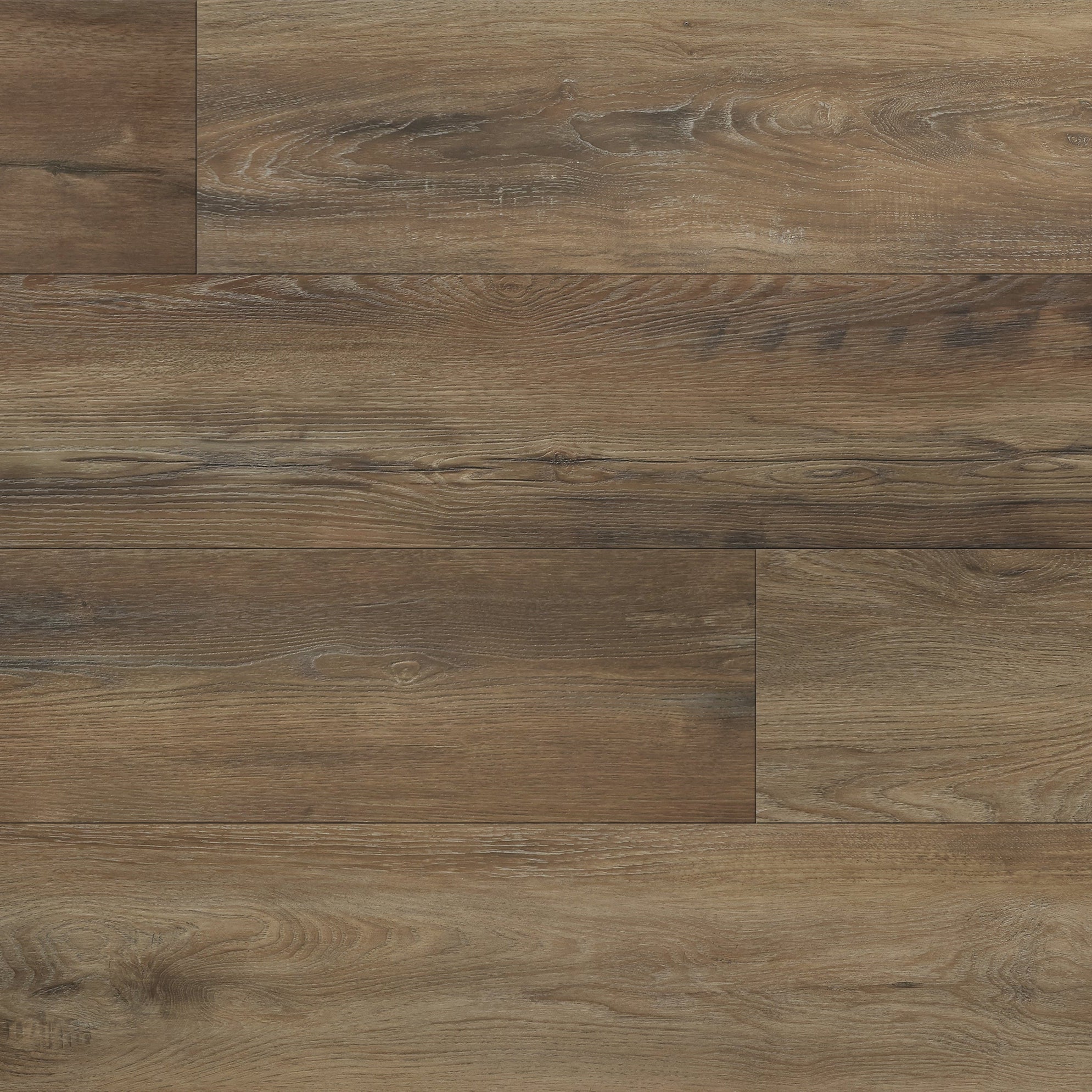
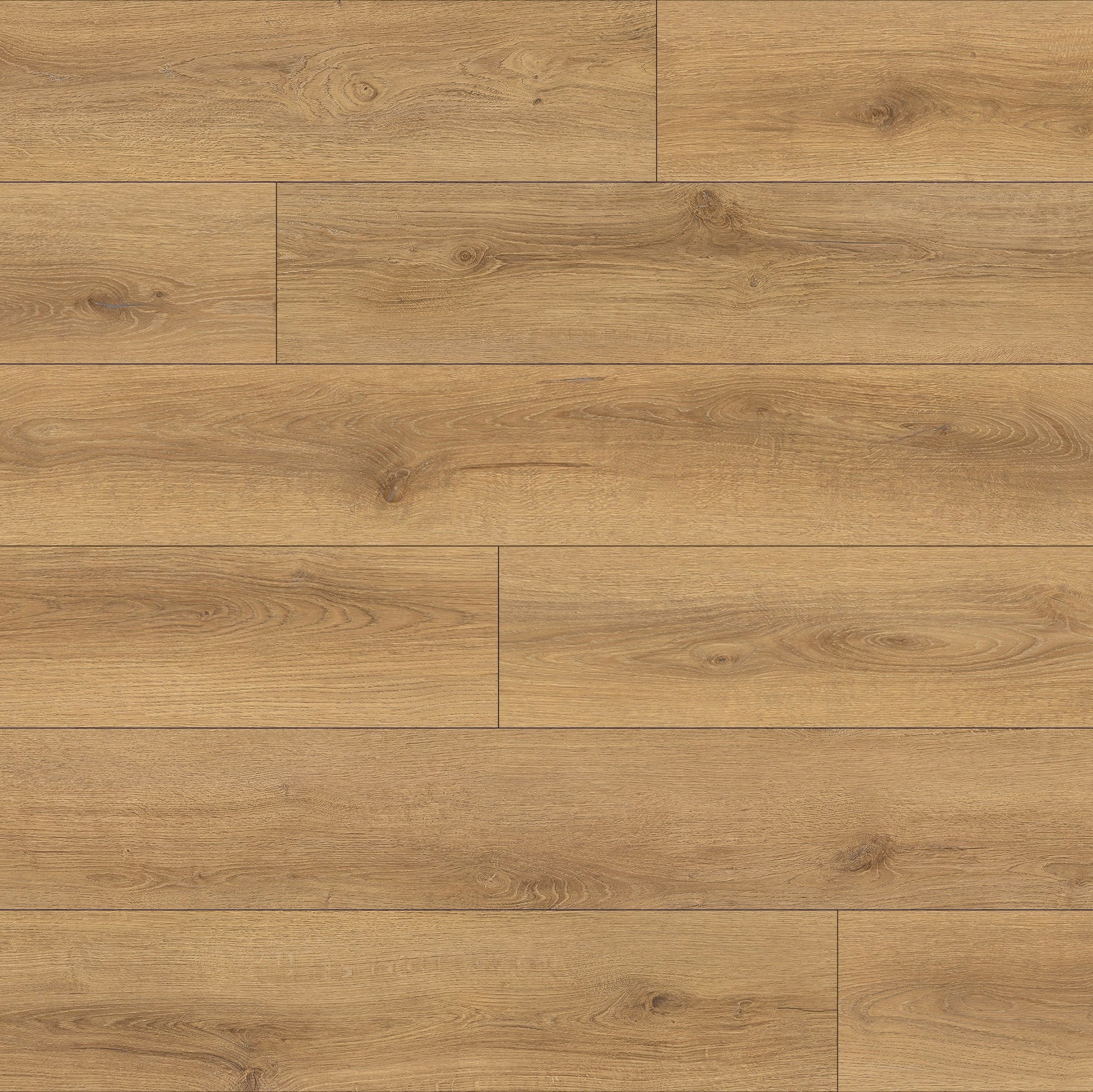
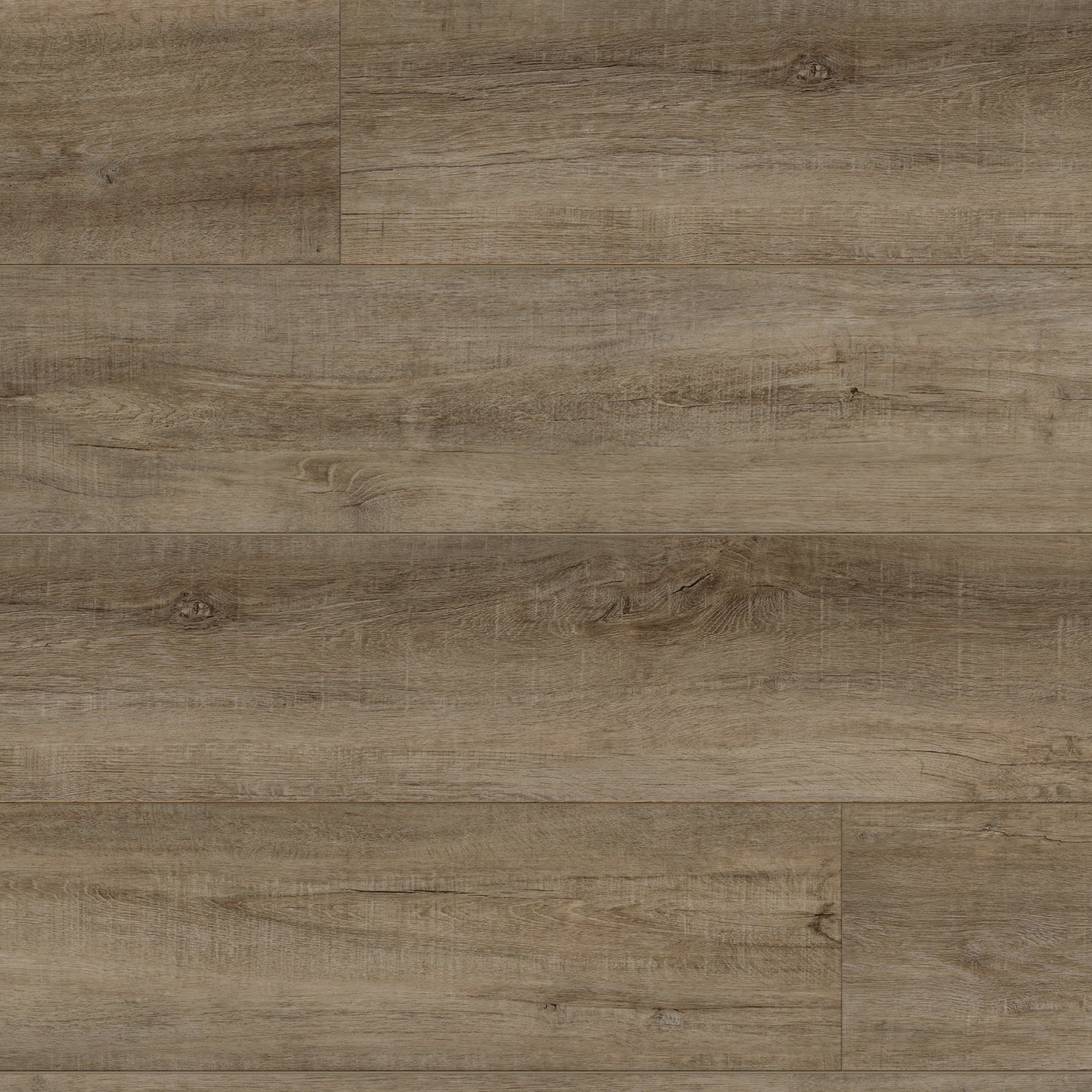
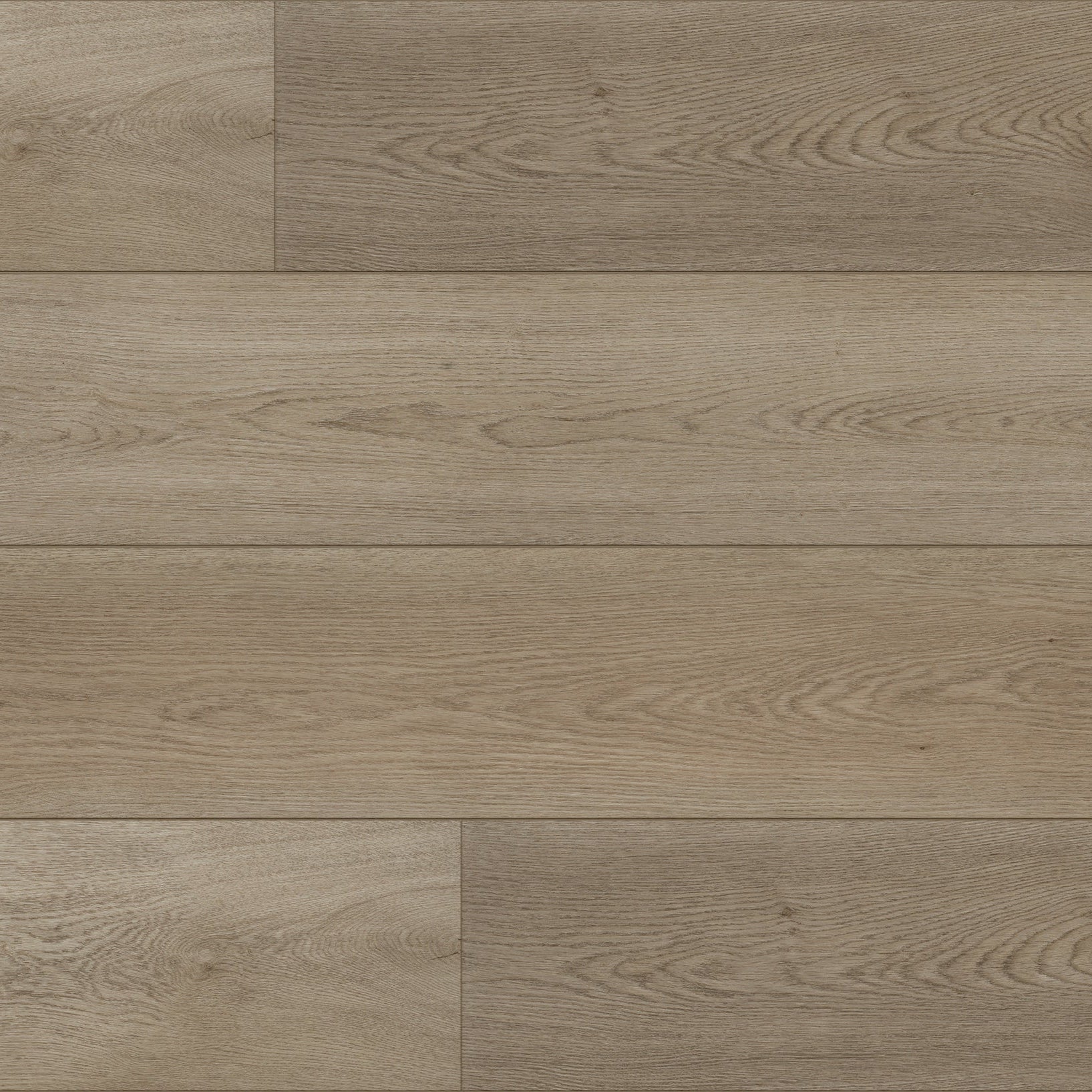
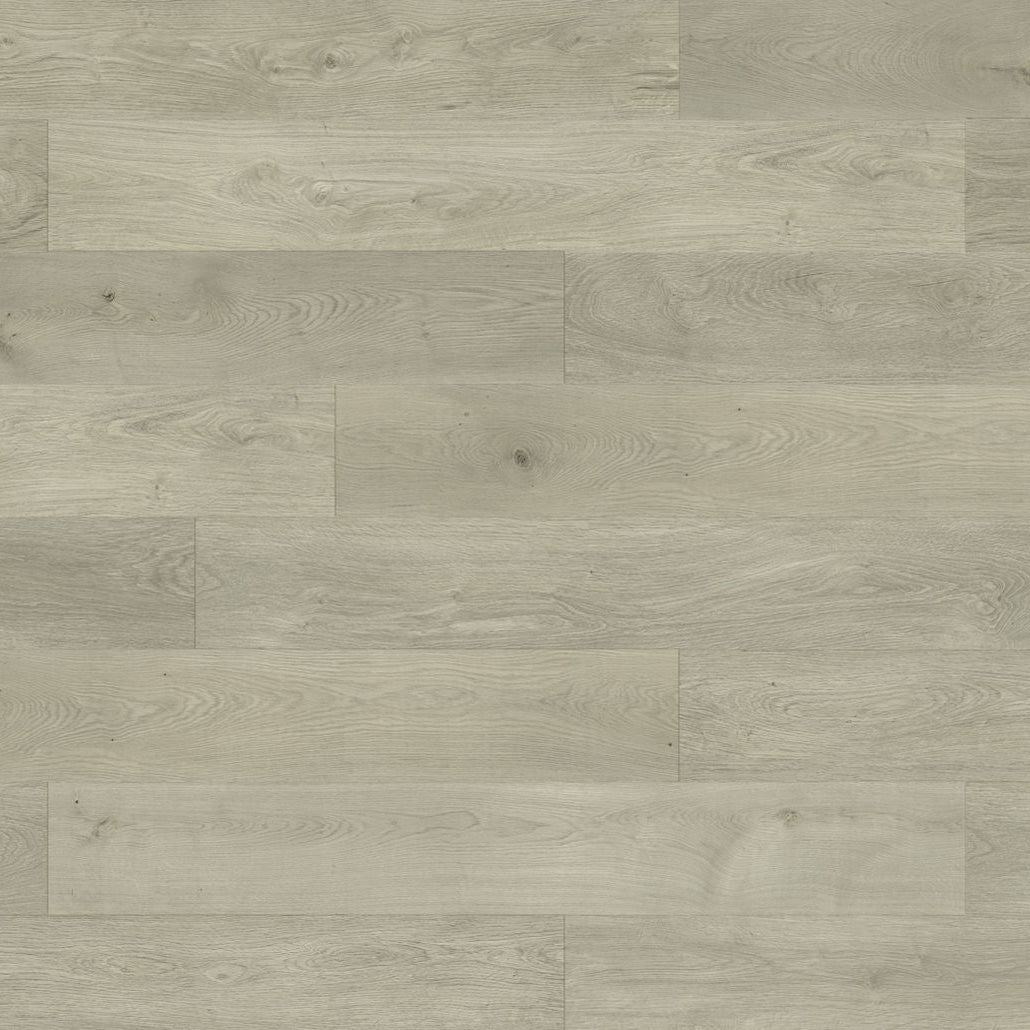
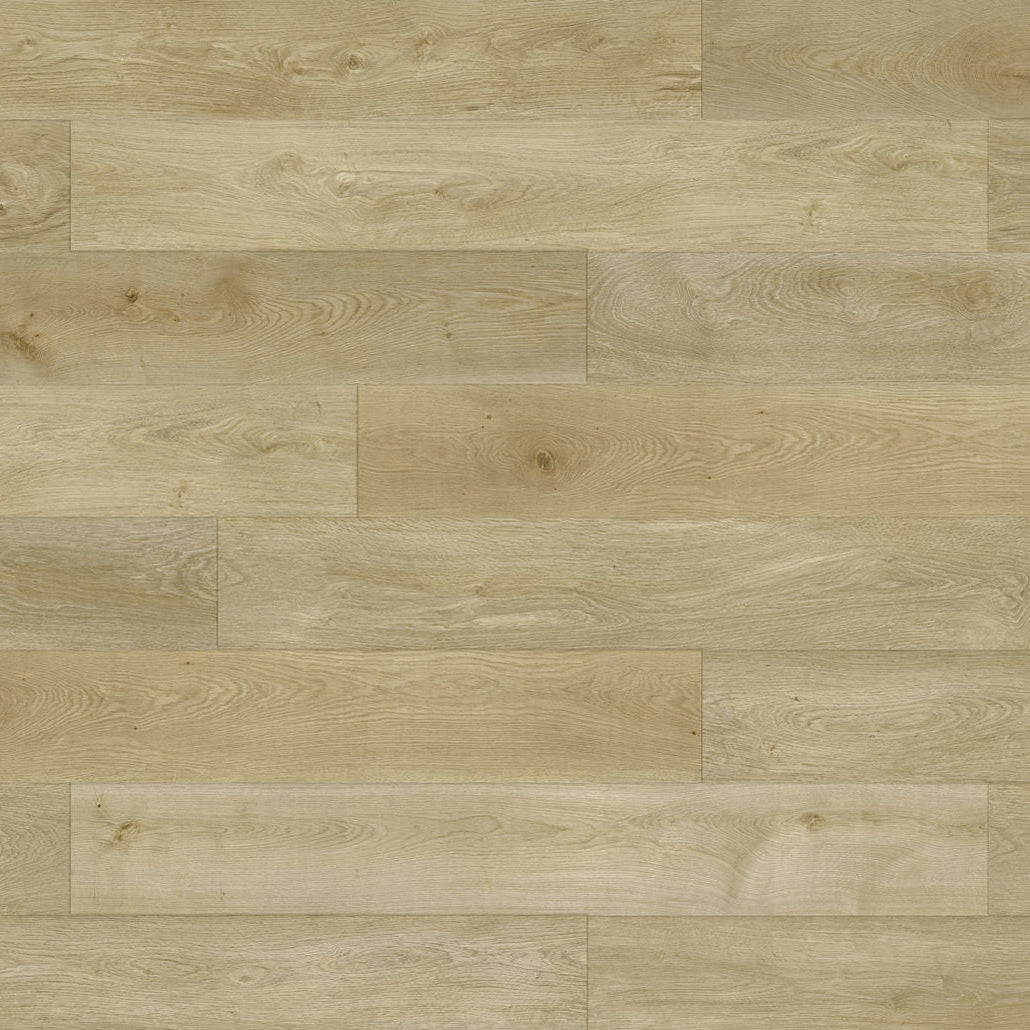
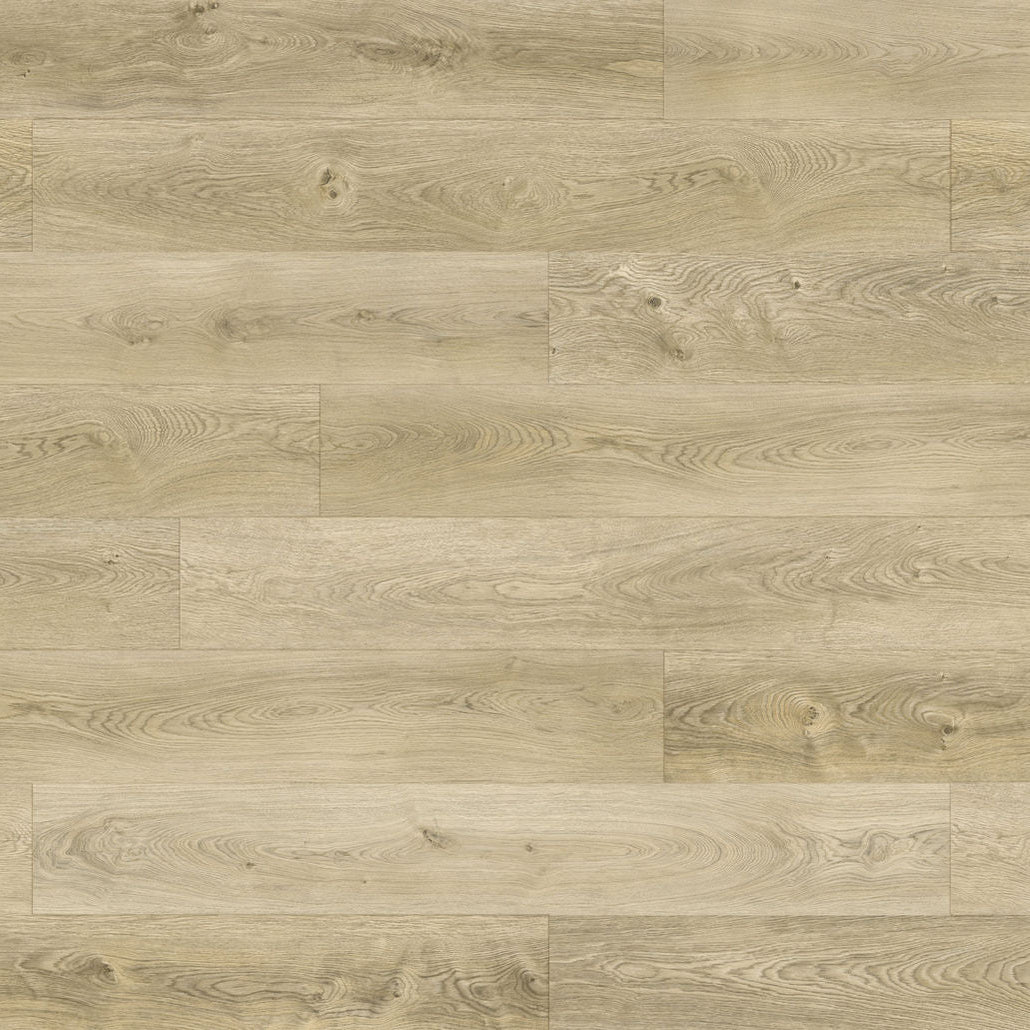
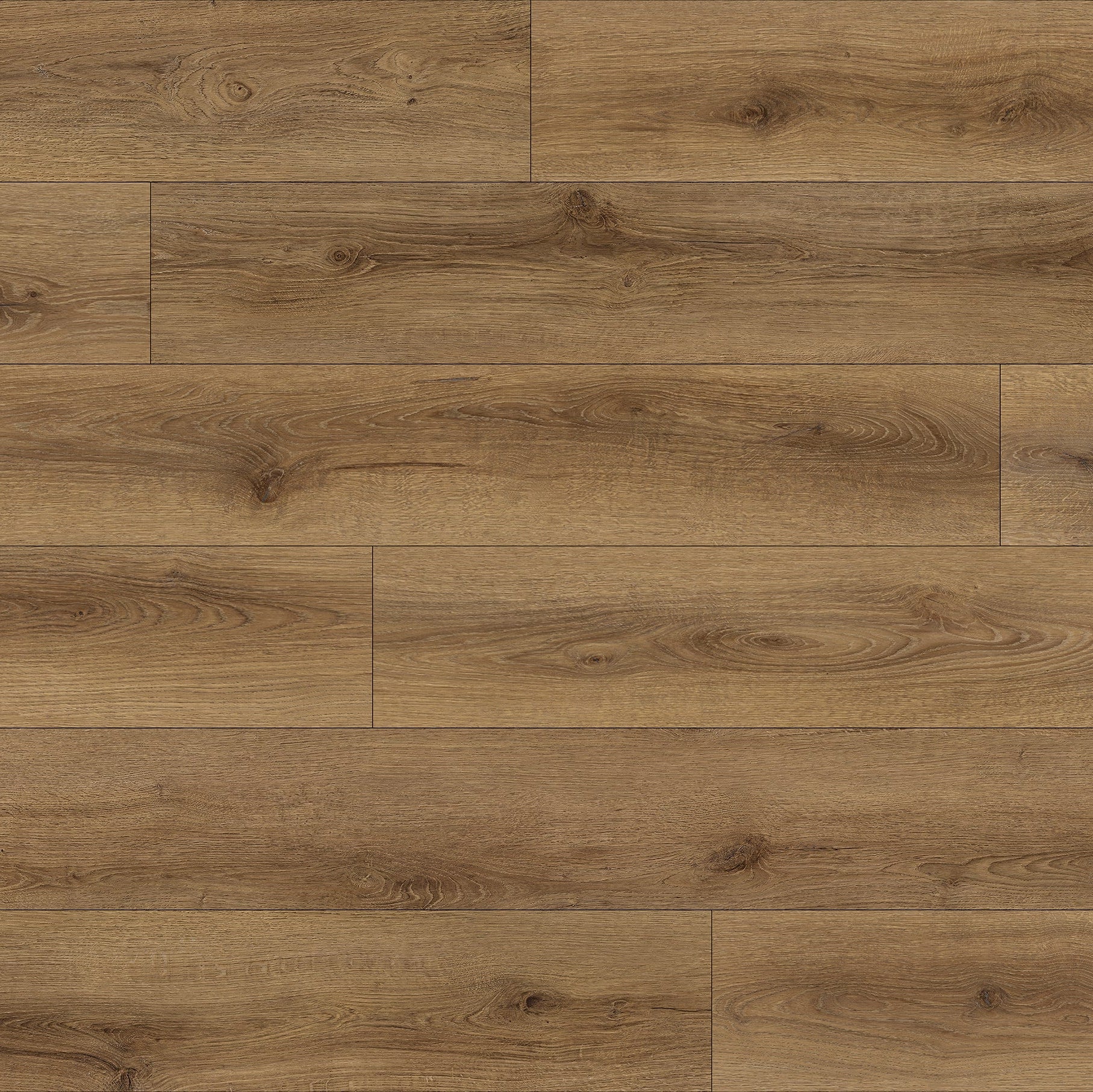
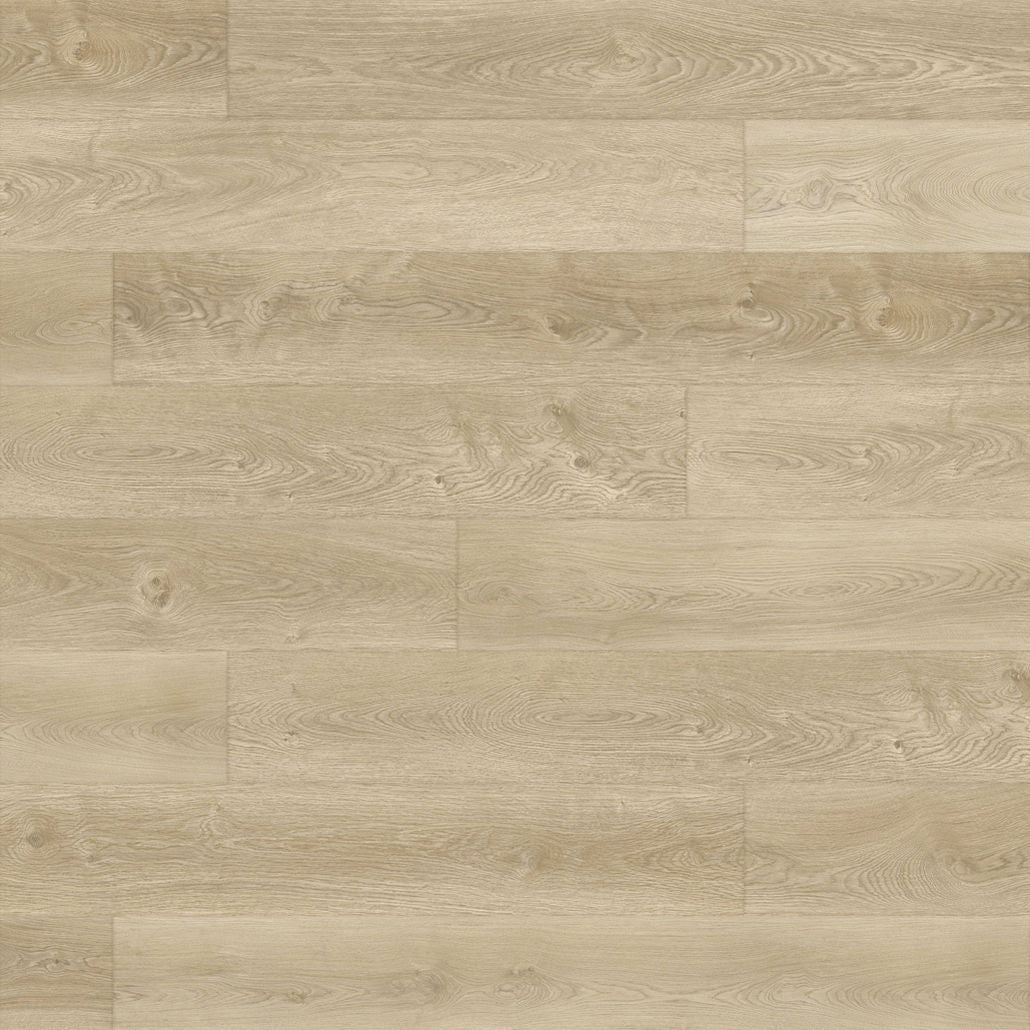
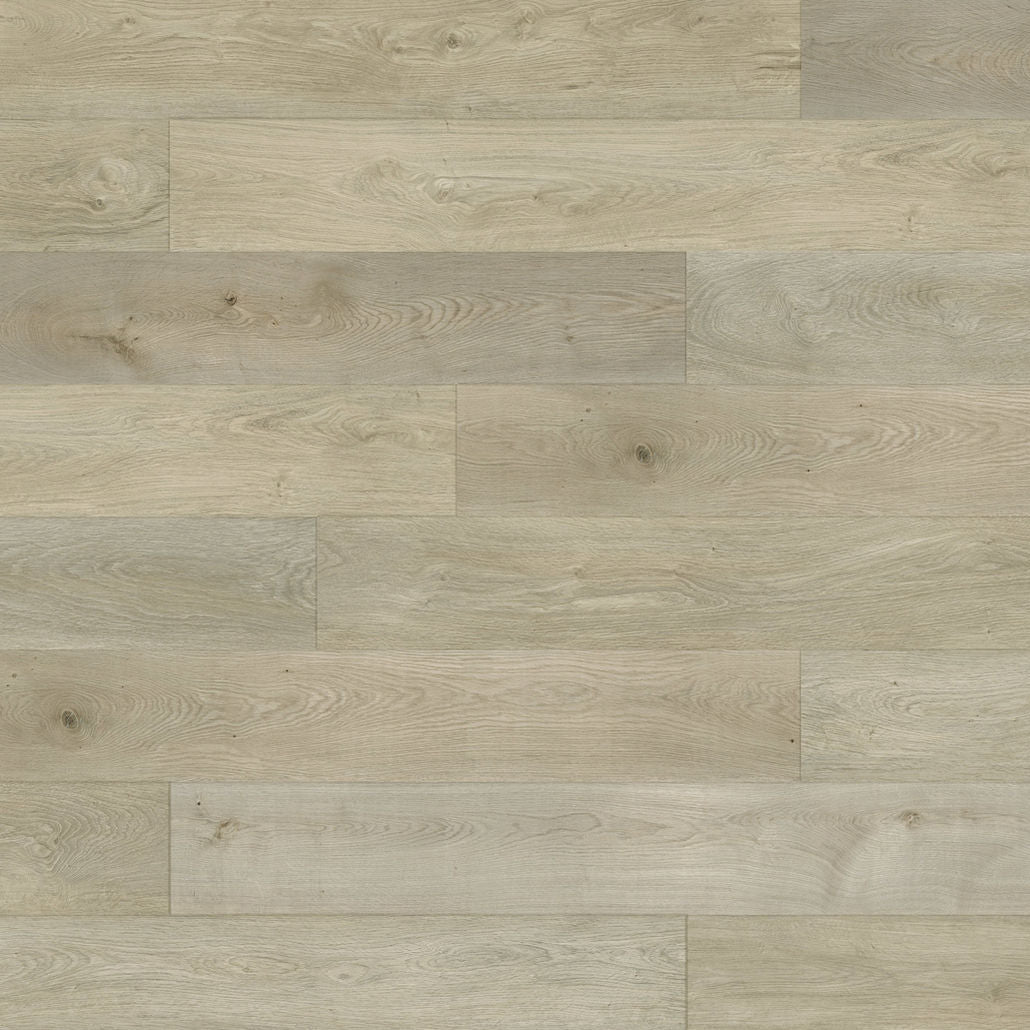
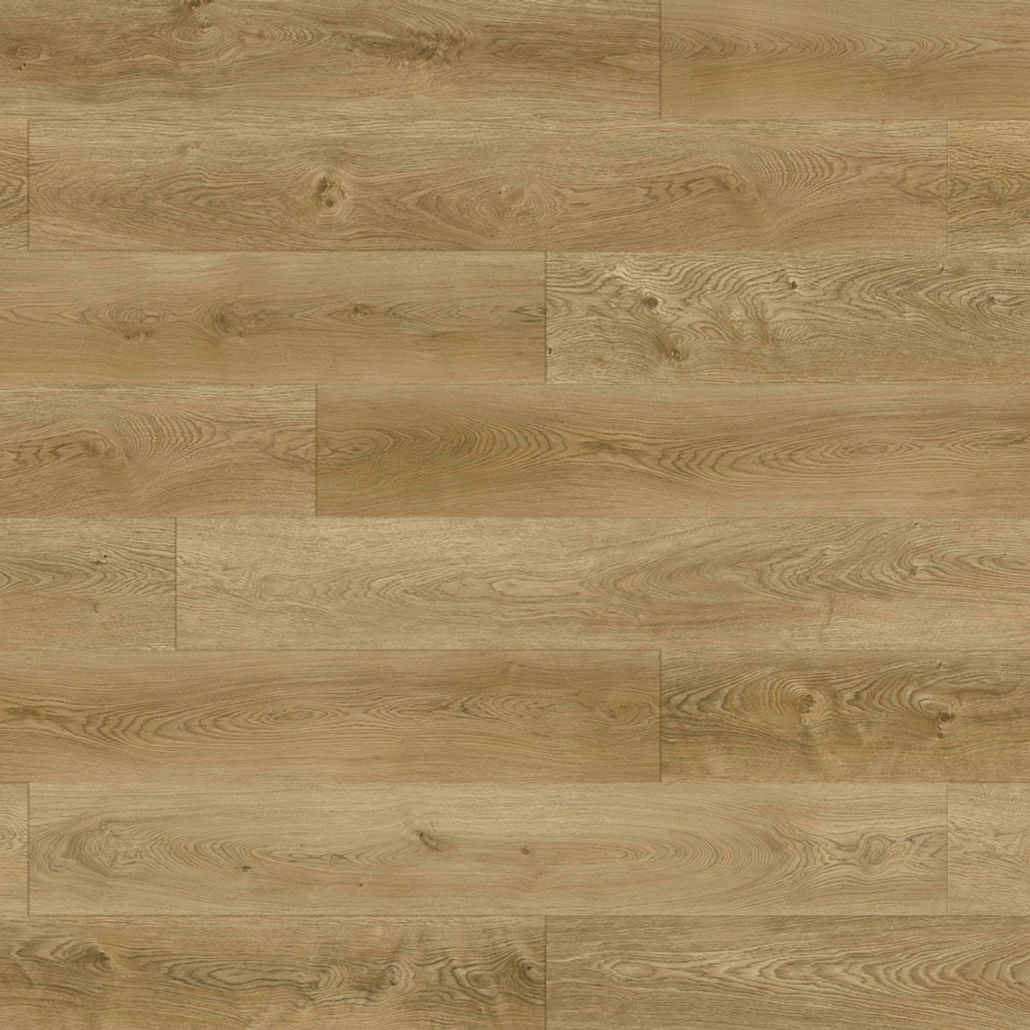
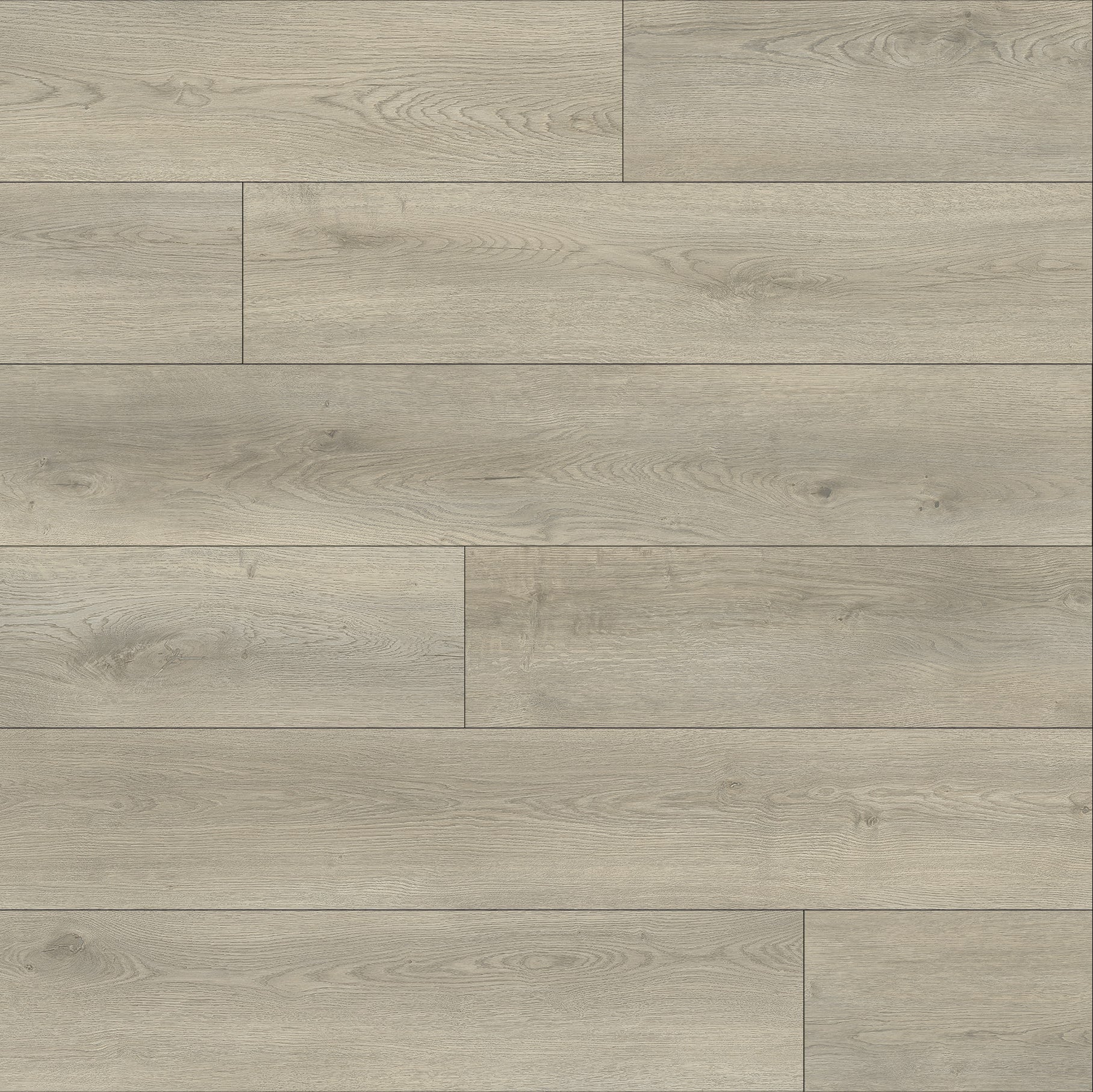
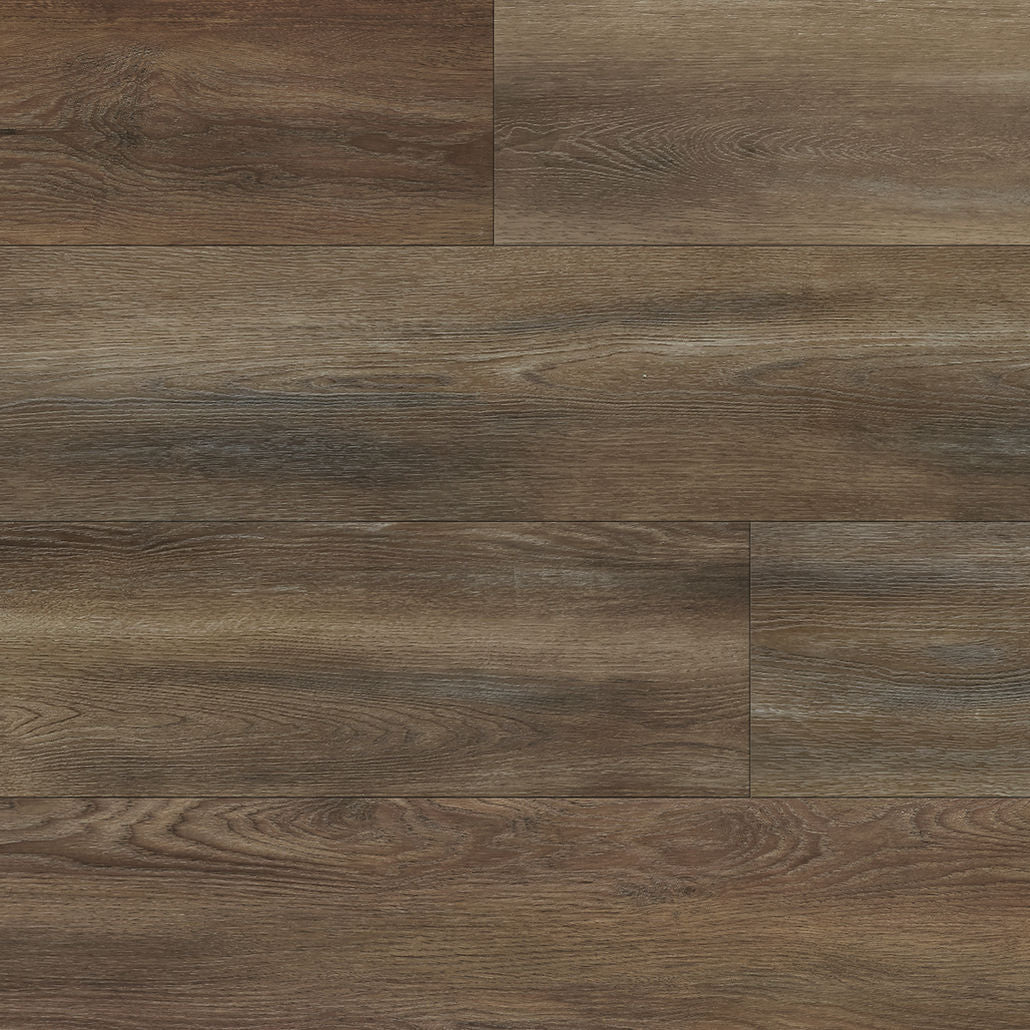
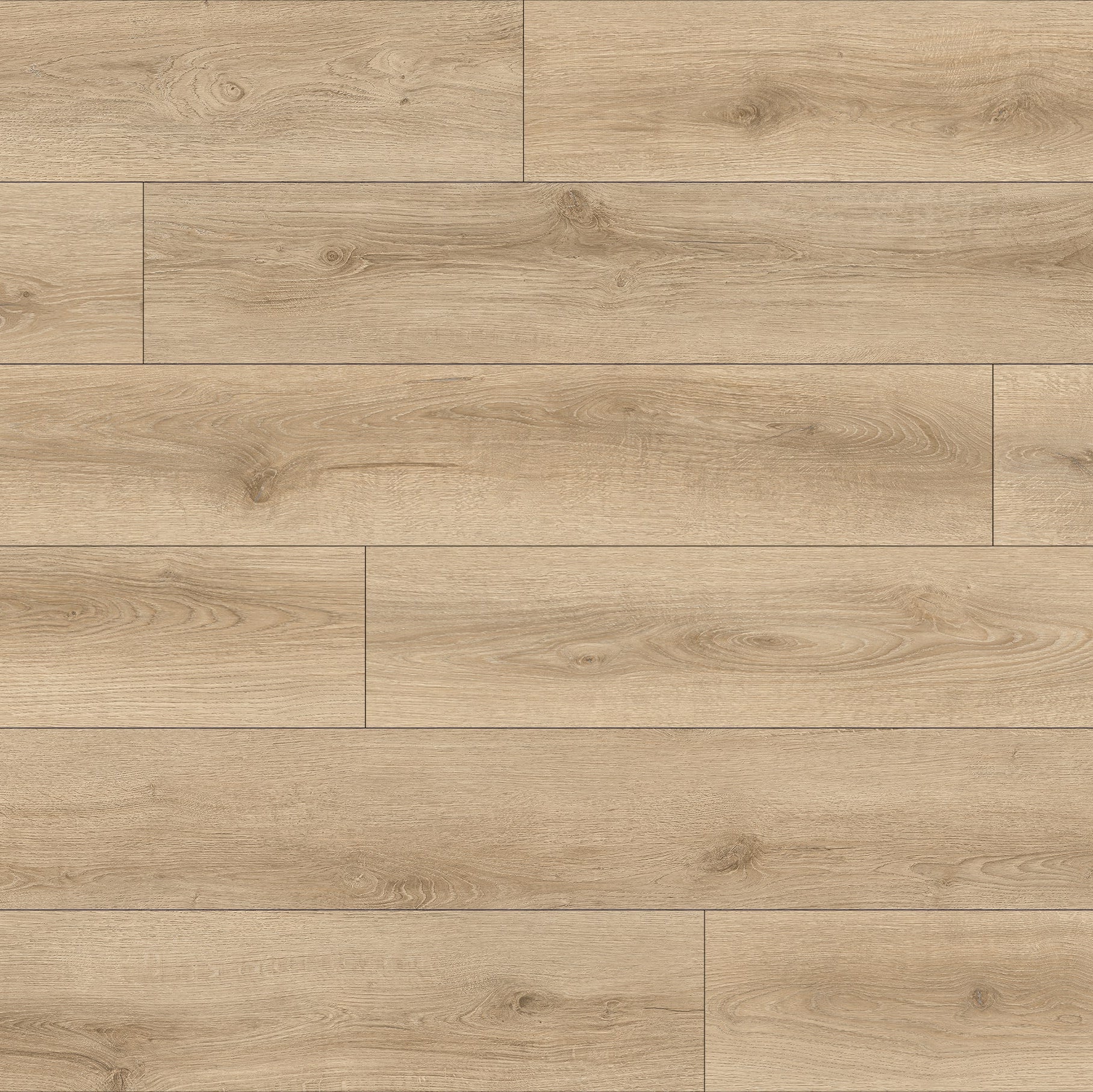
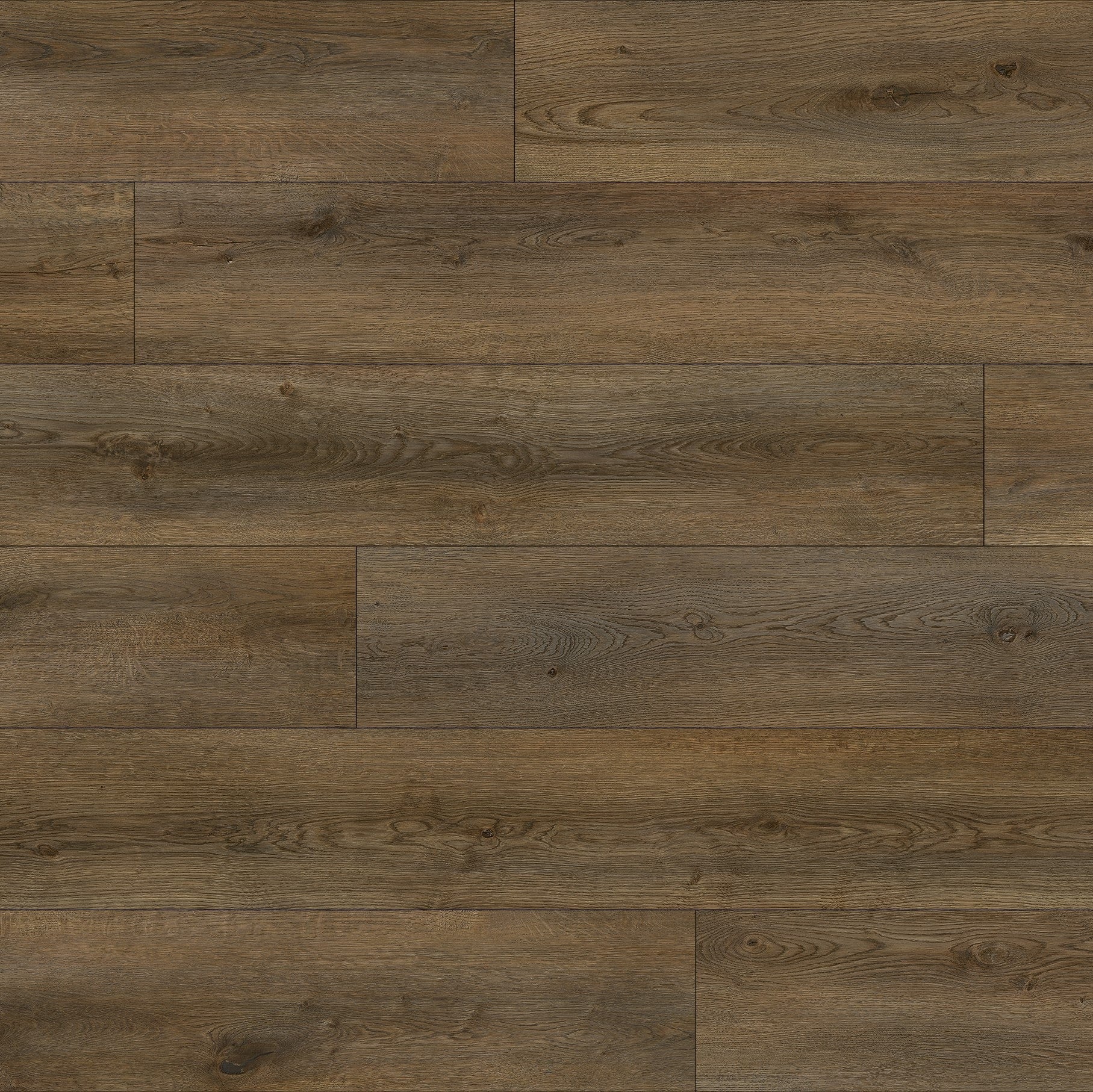
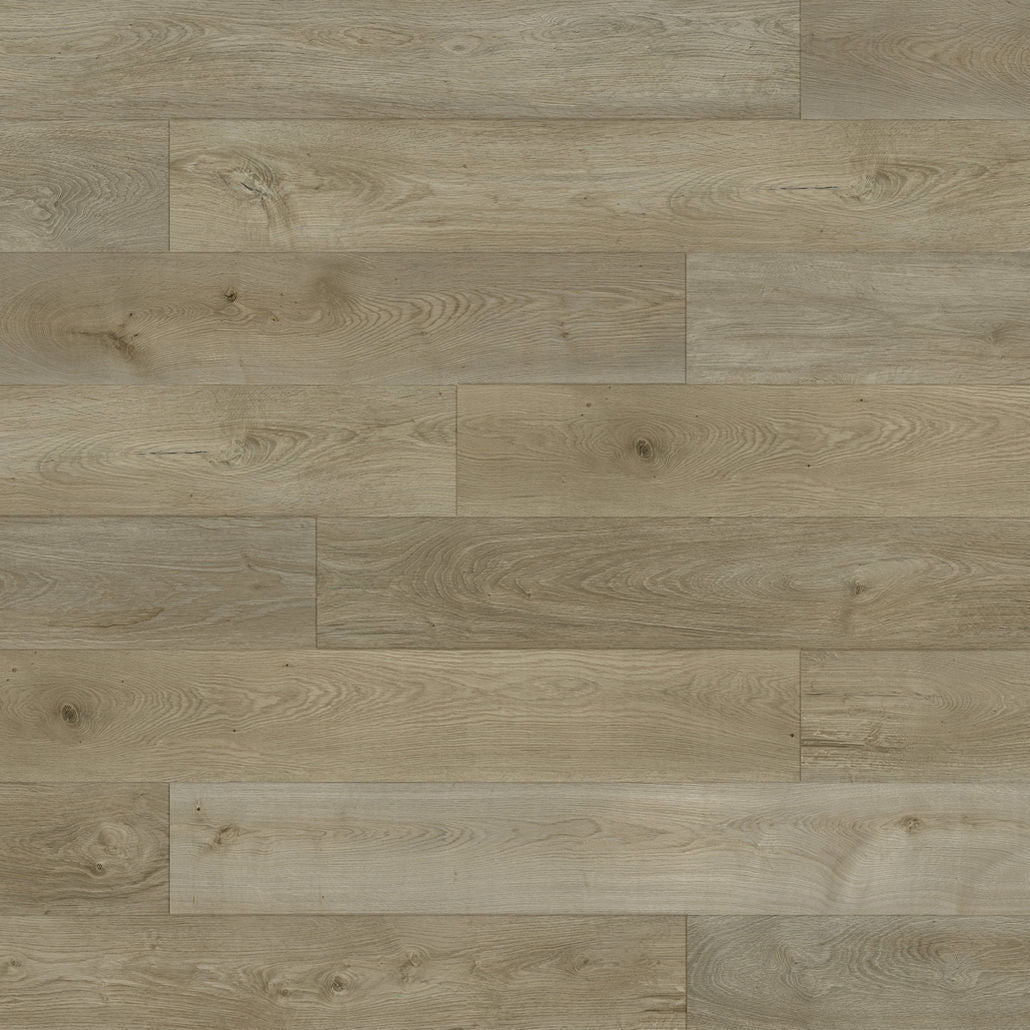
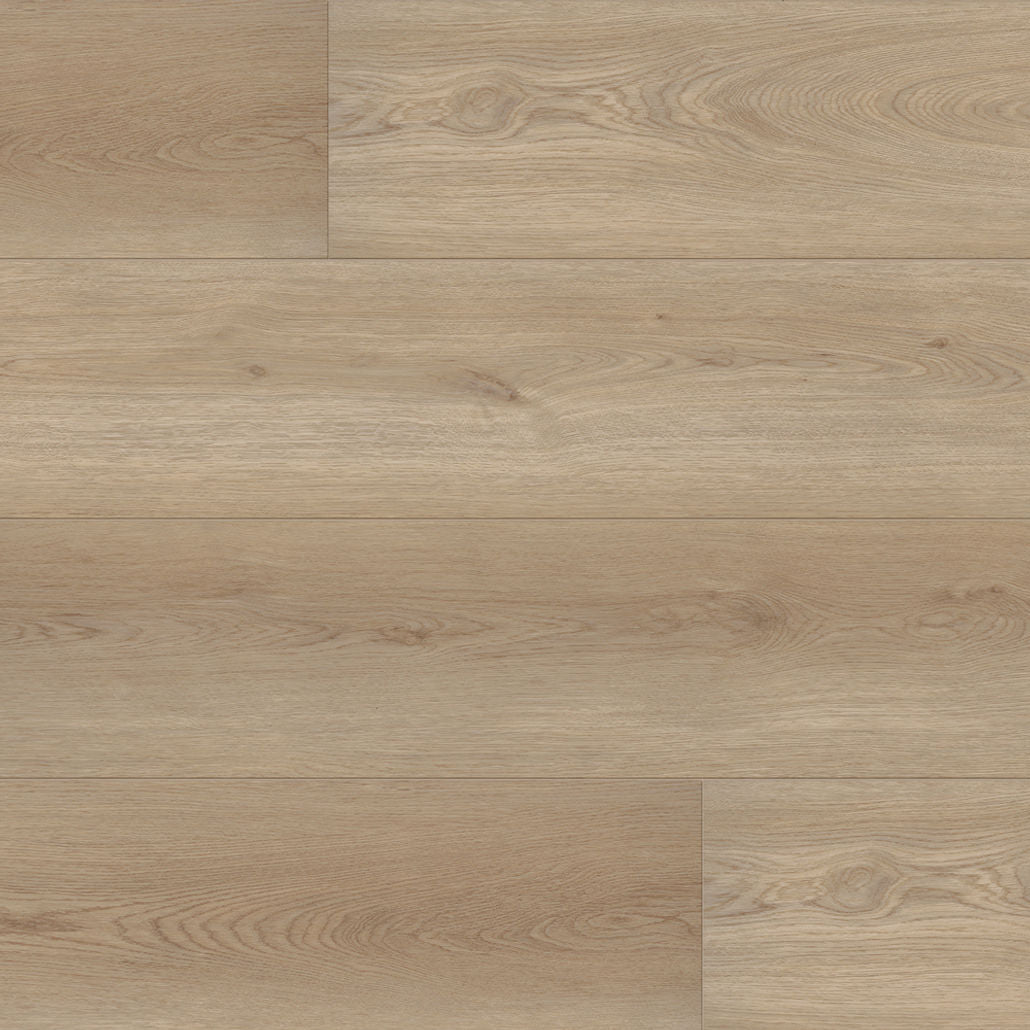
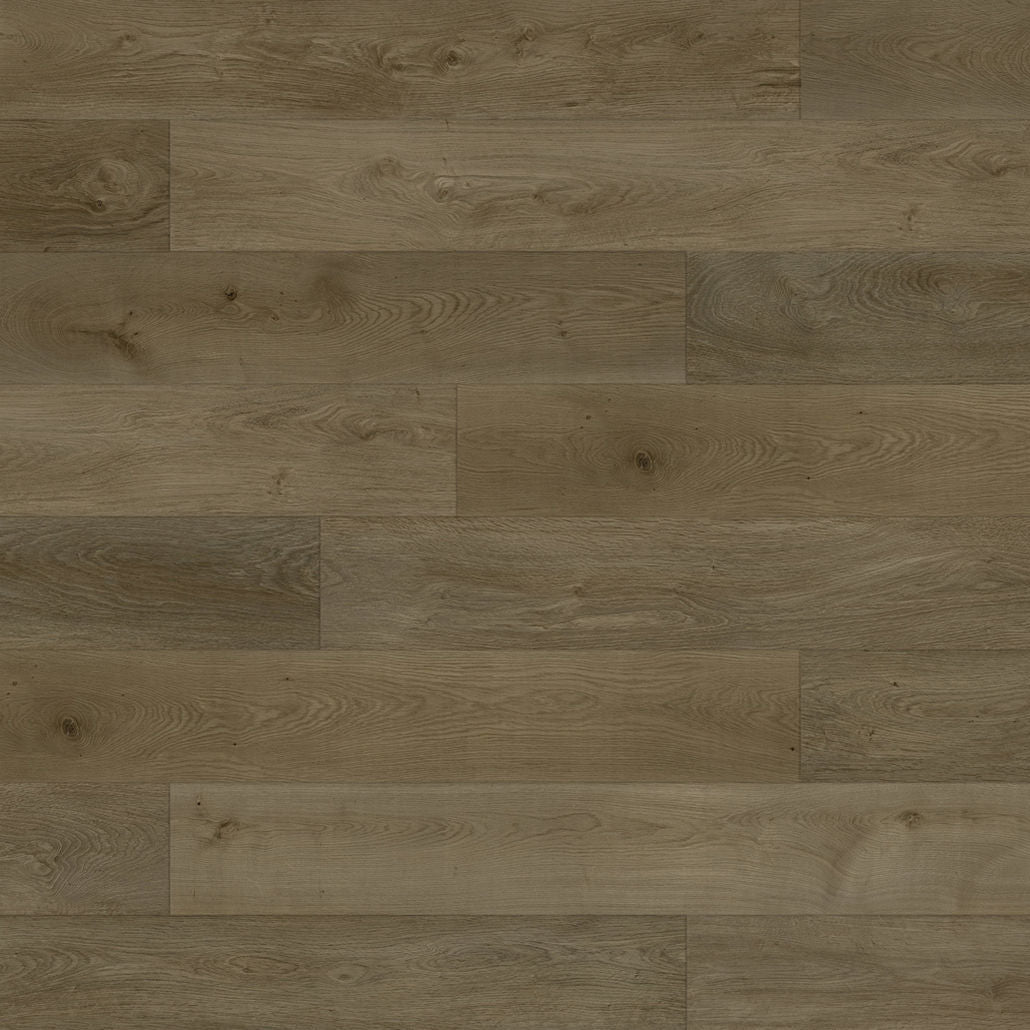
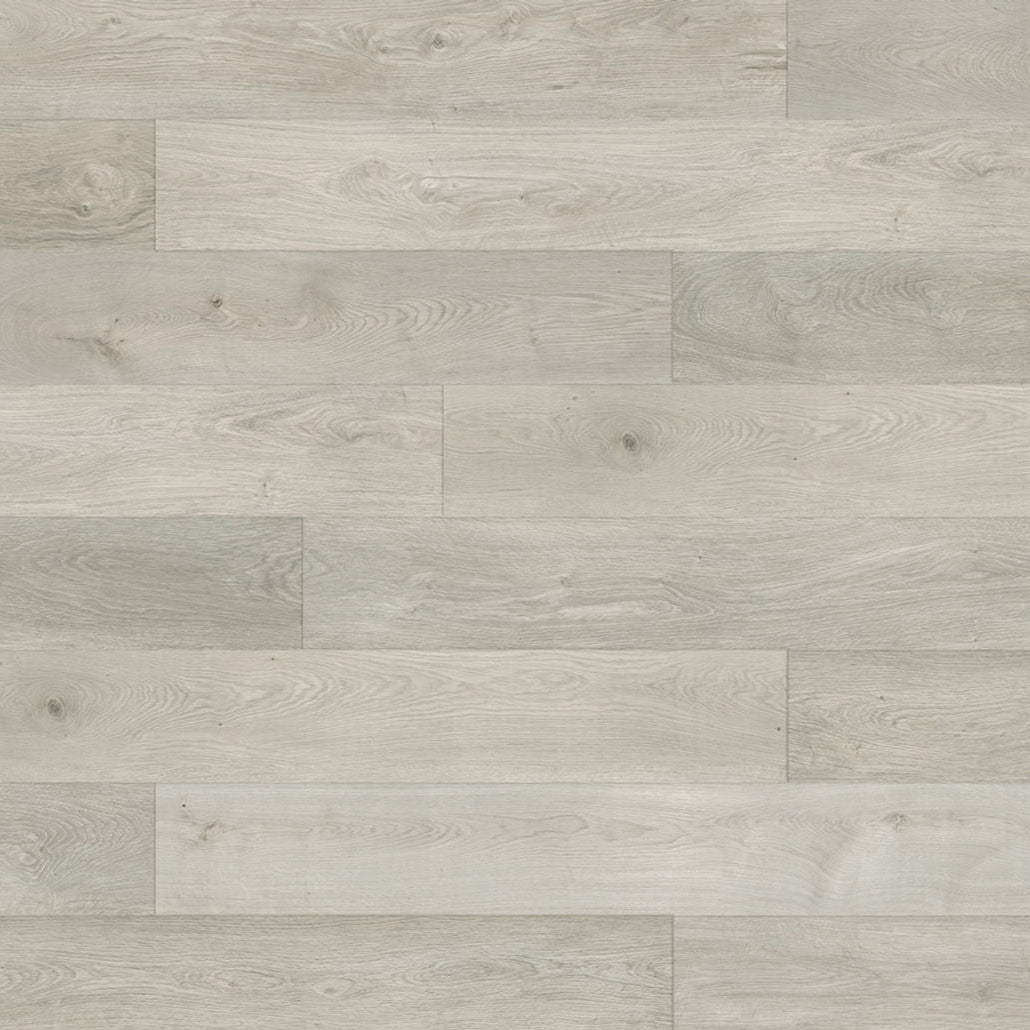
The other thing that separates this collection from standard vinyl is plank geometry. The boards are longer and wider than the industry default, and the printed visuals inside the collection use less repetition than budget LVP.
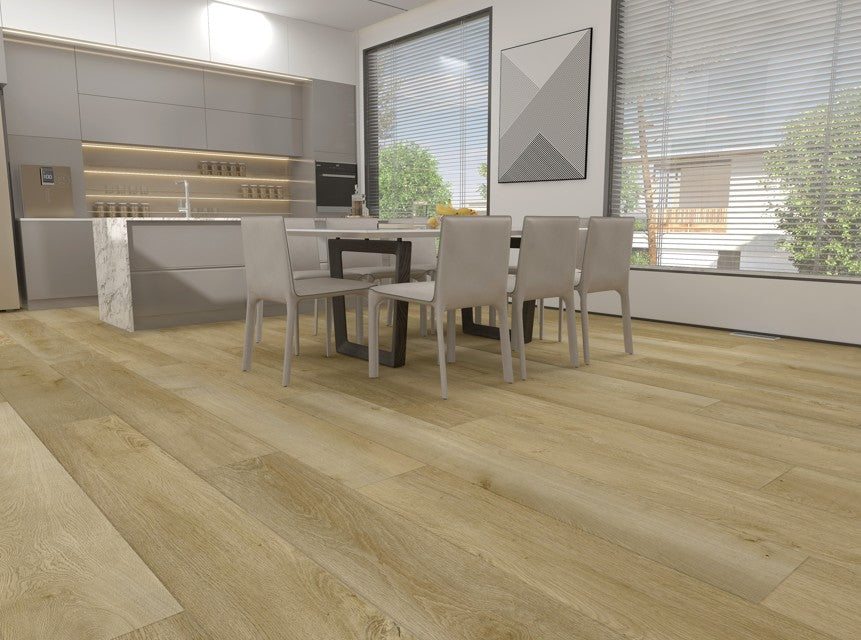
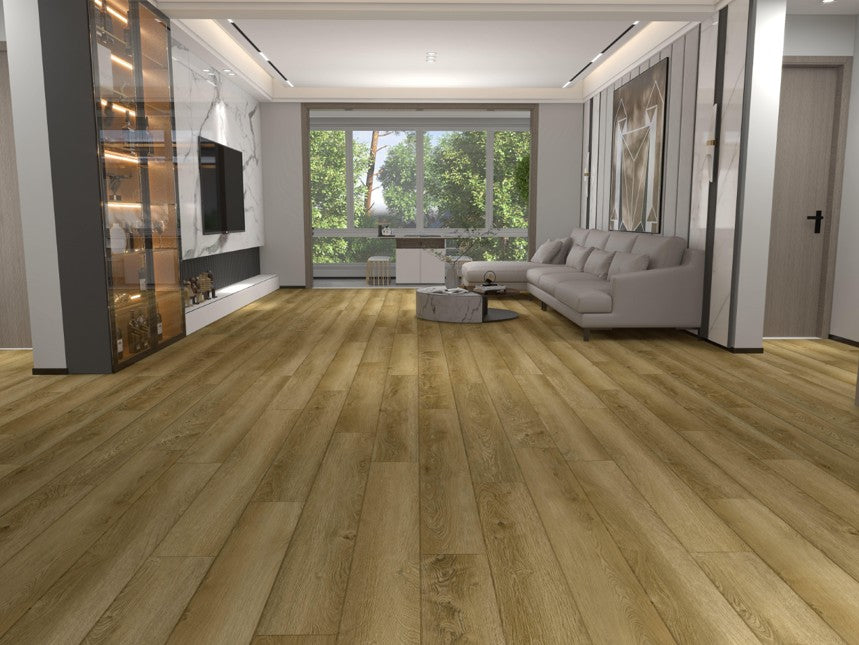
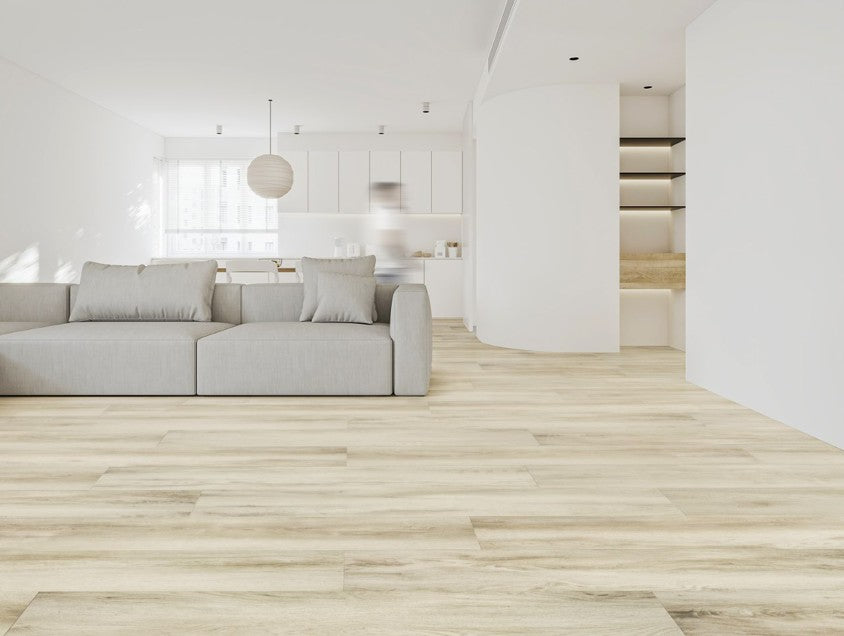
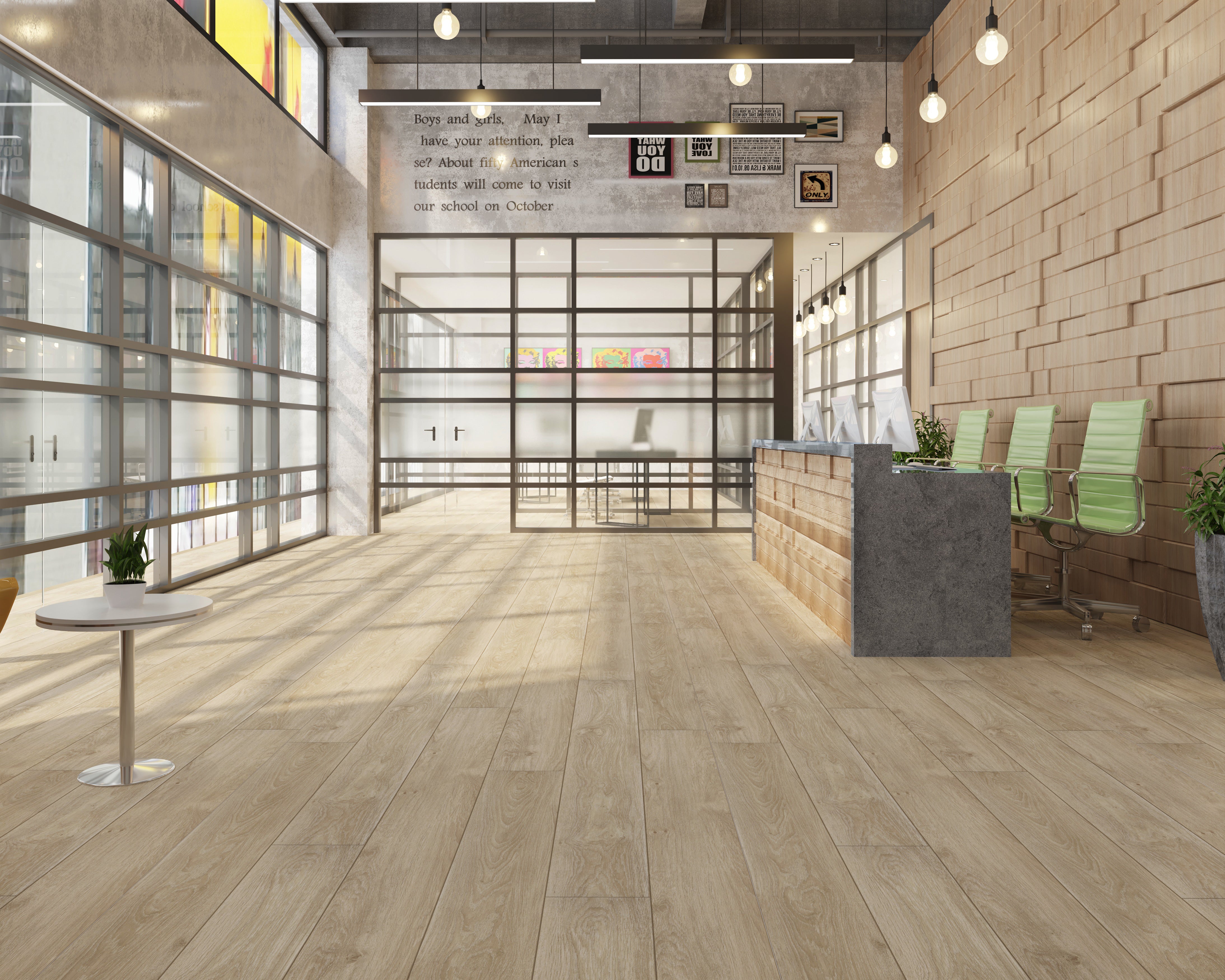
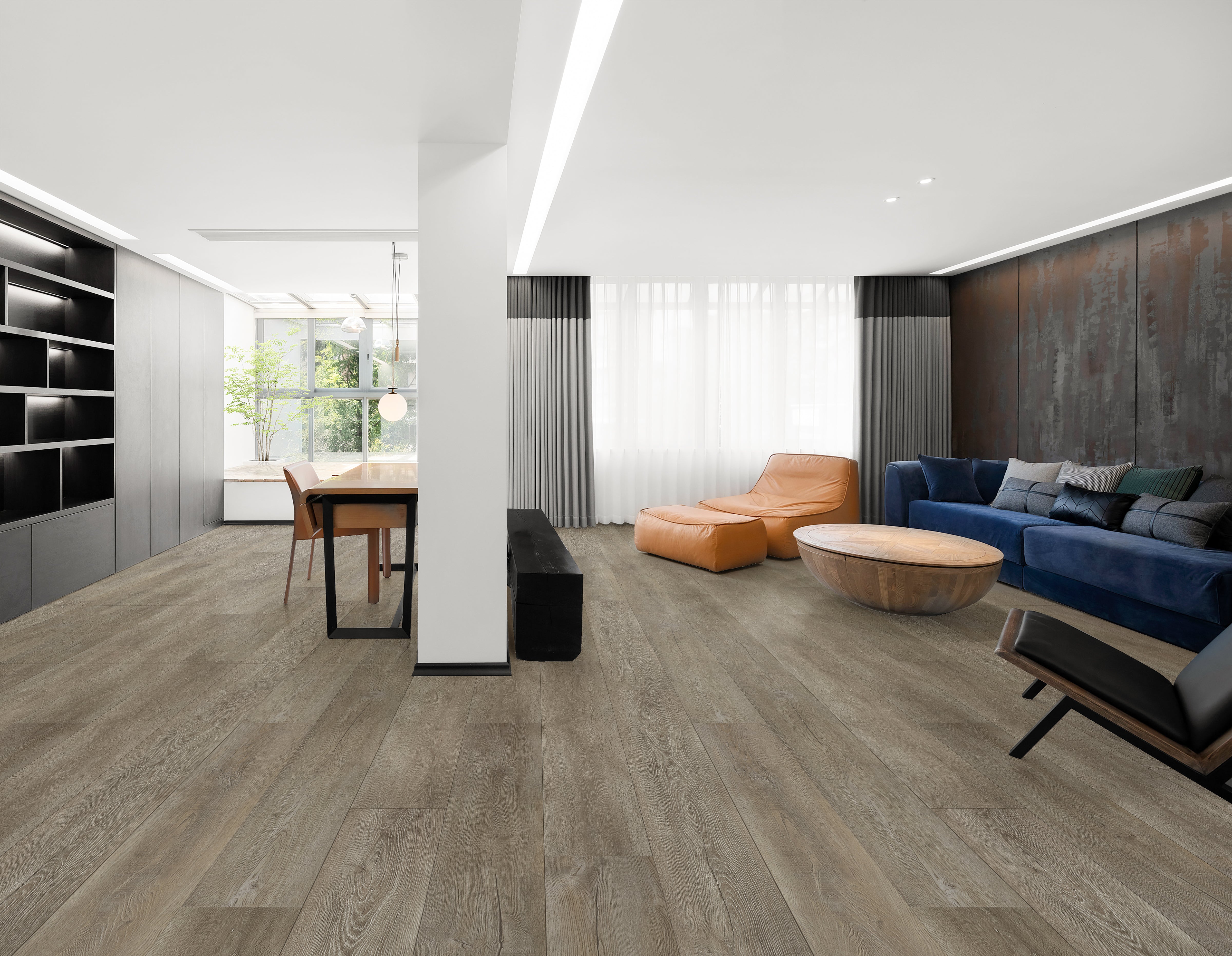
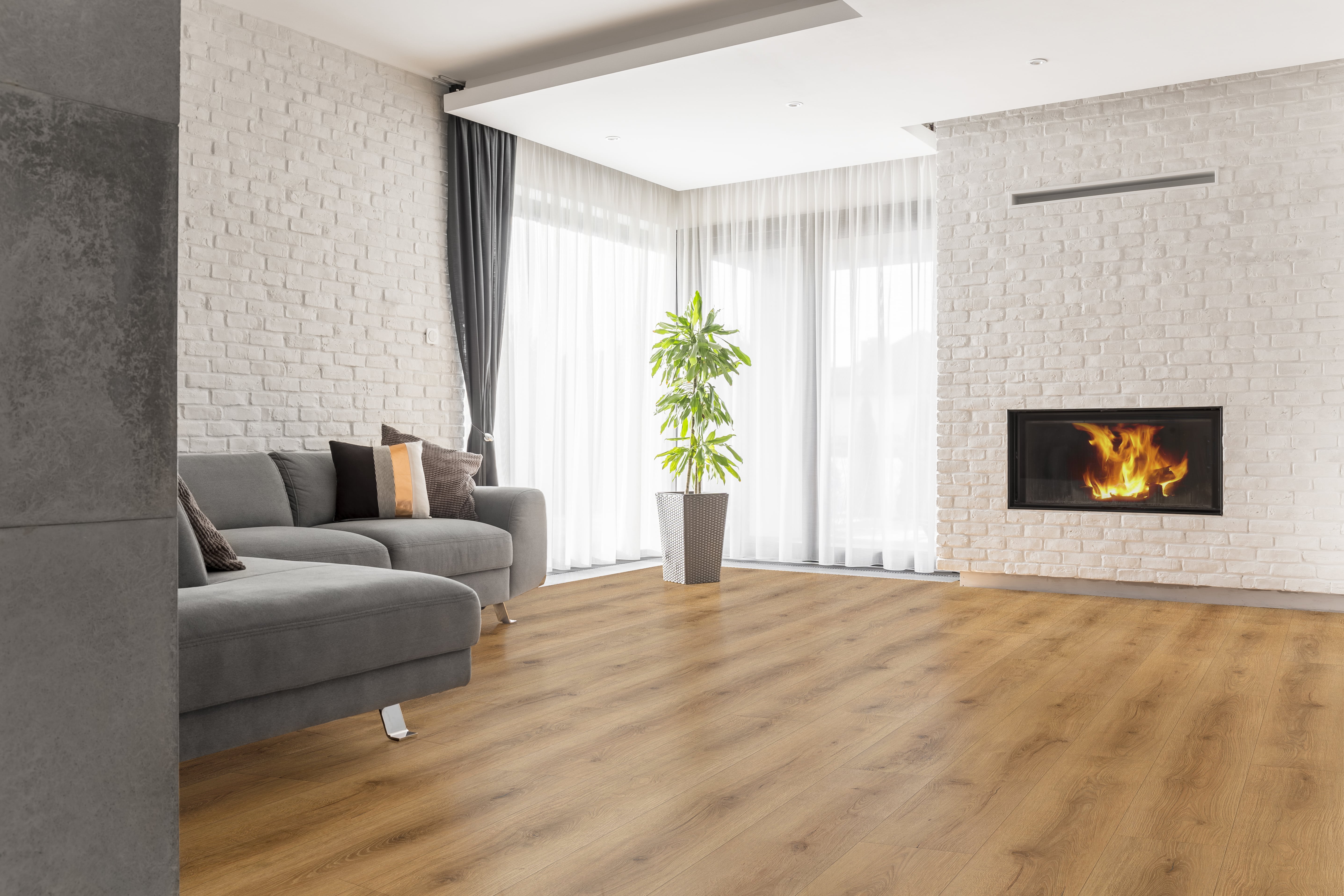
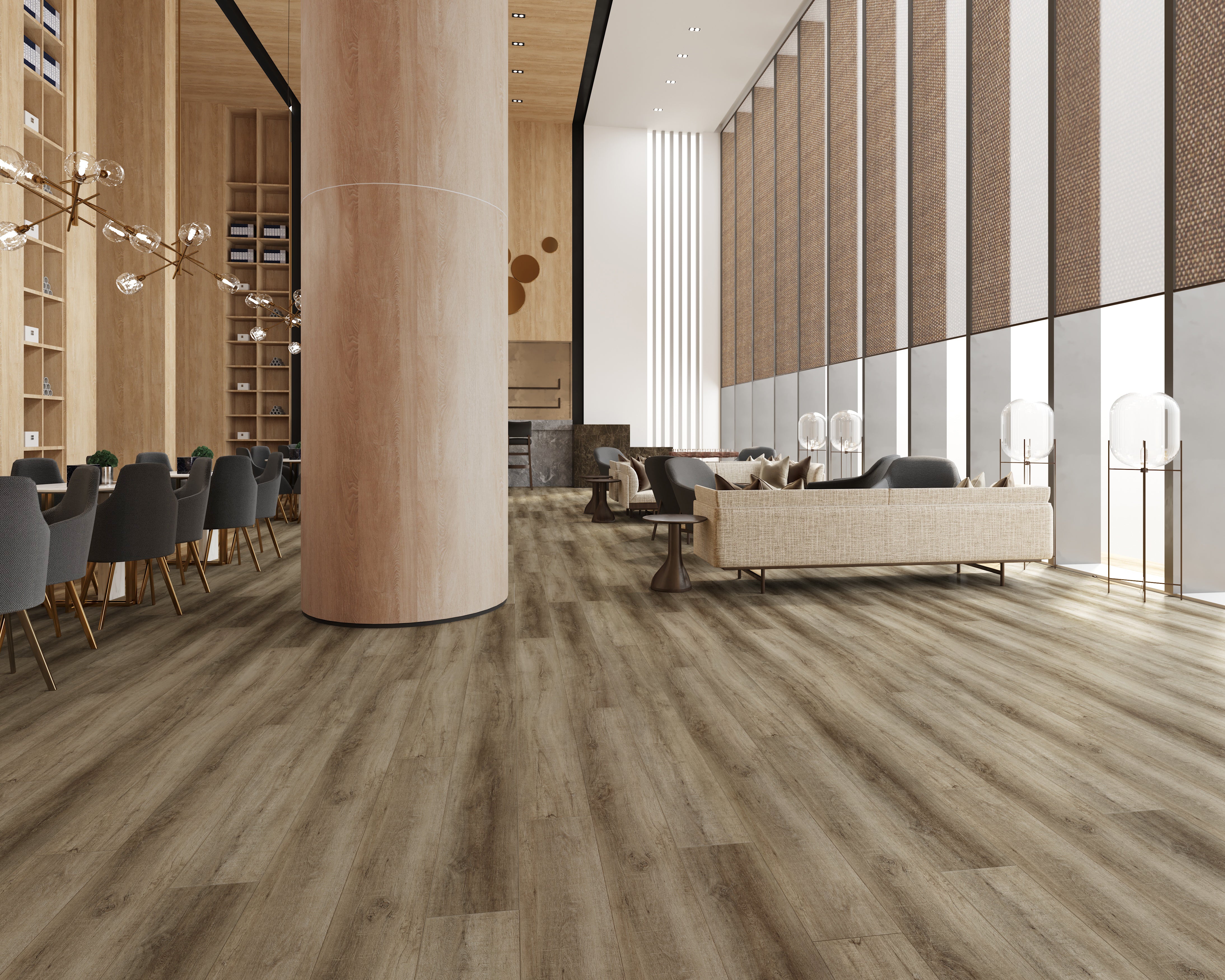
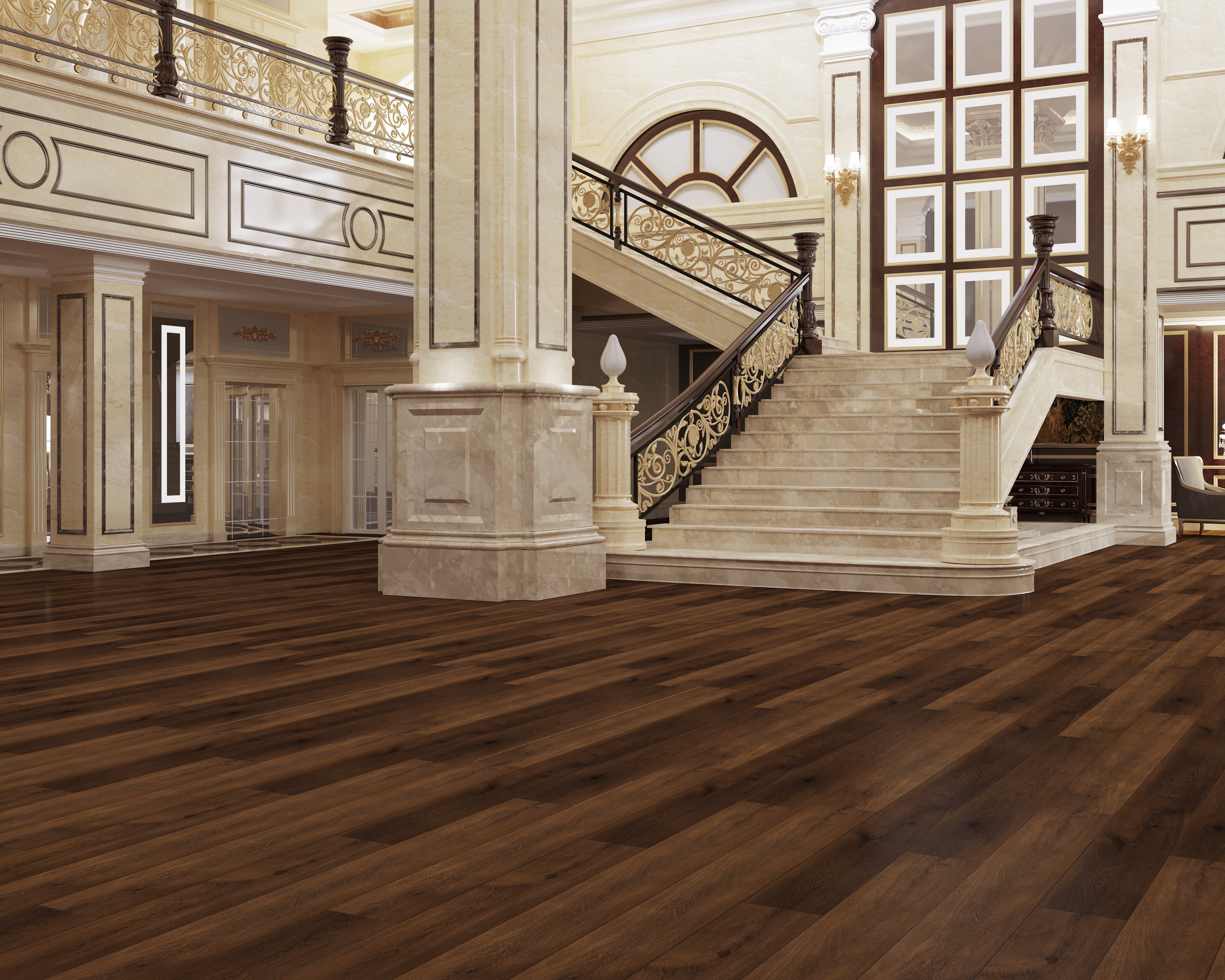
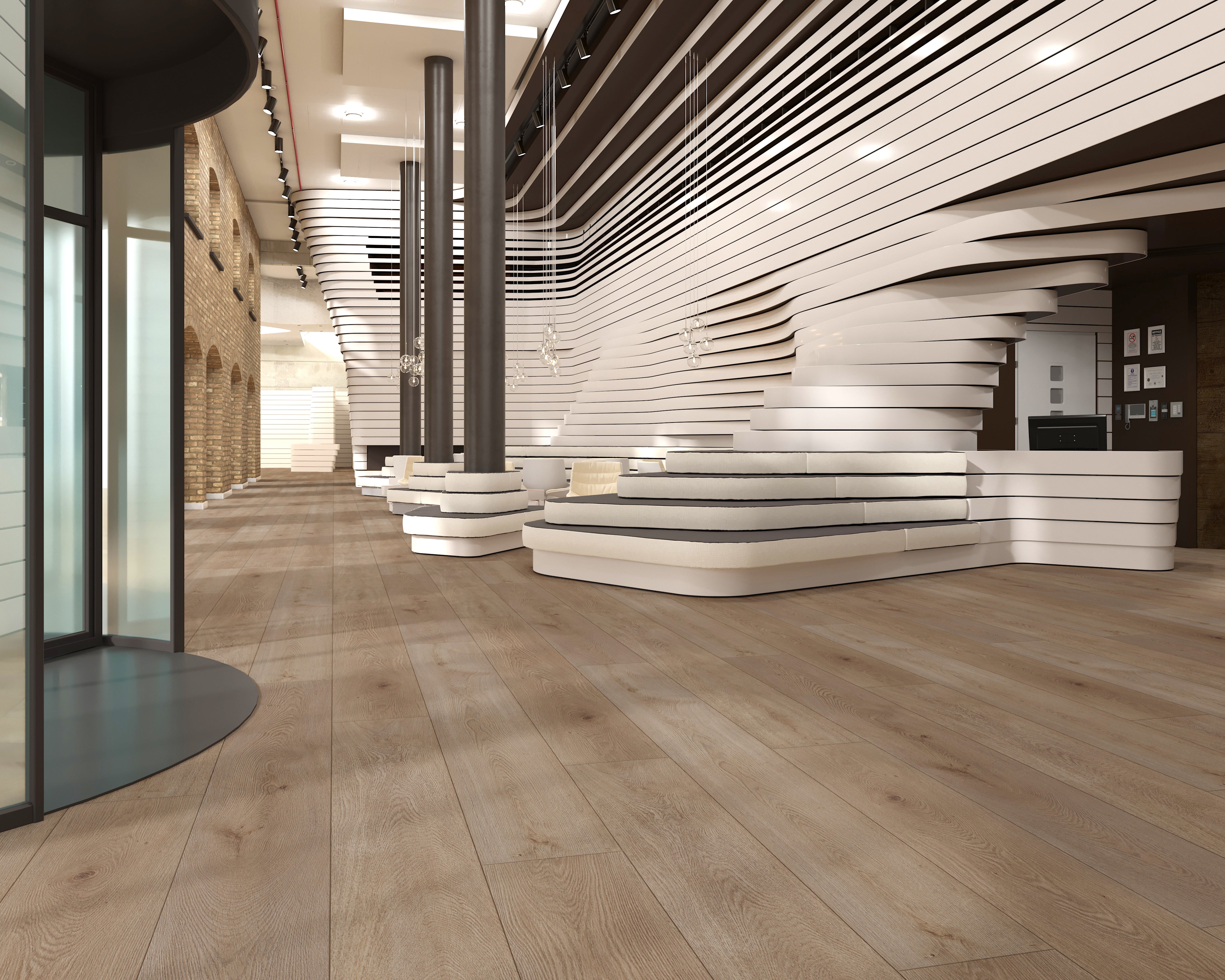
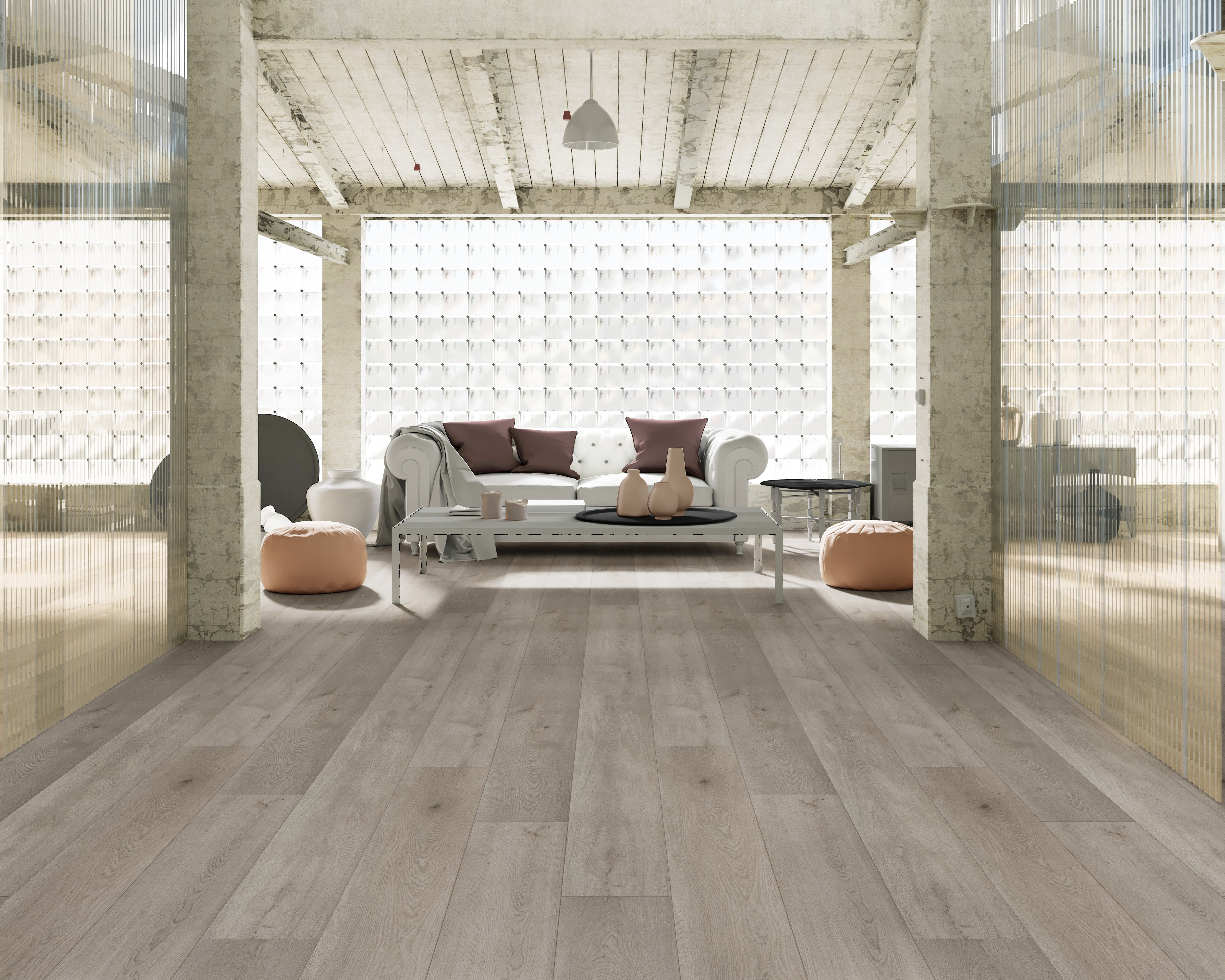
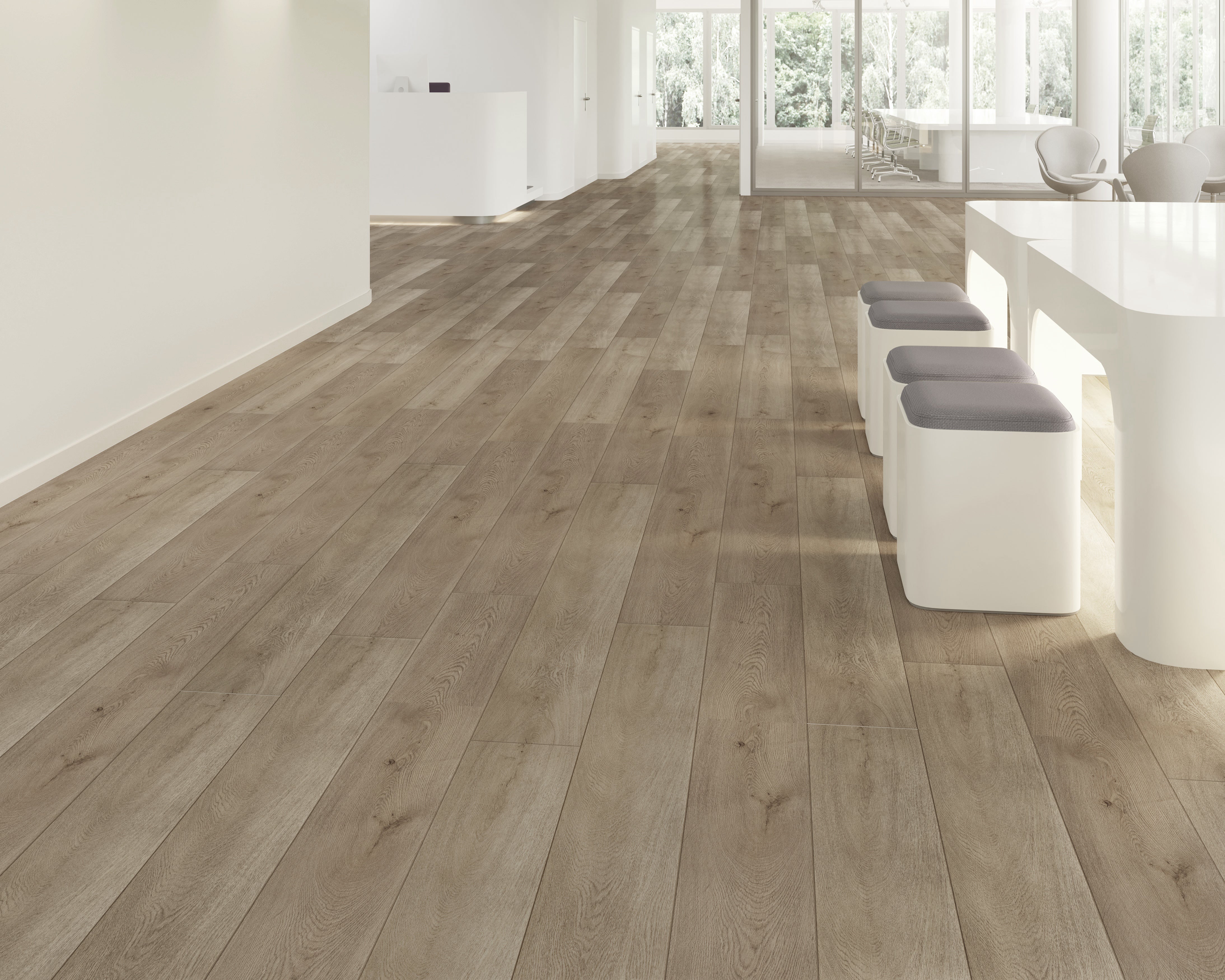
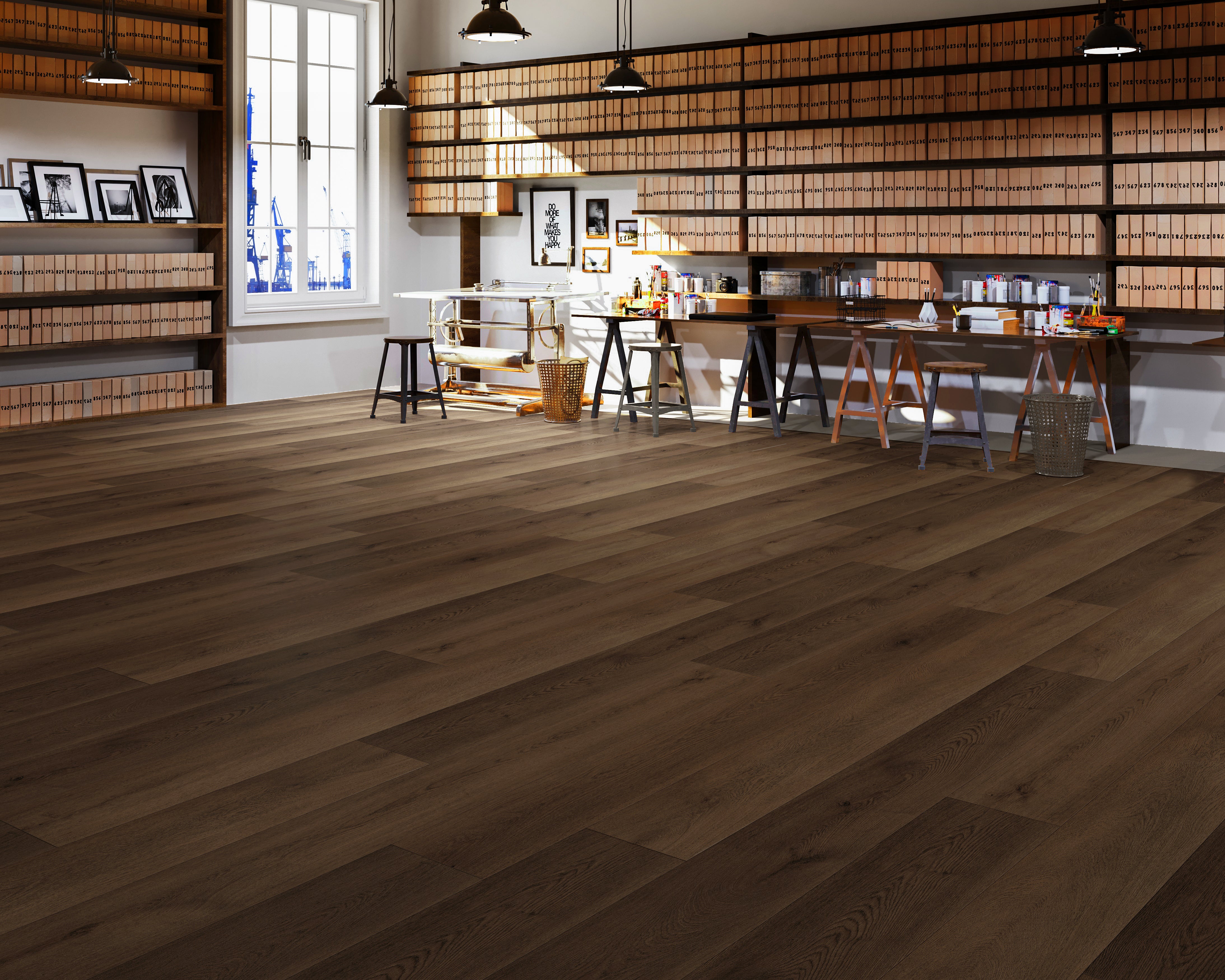
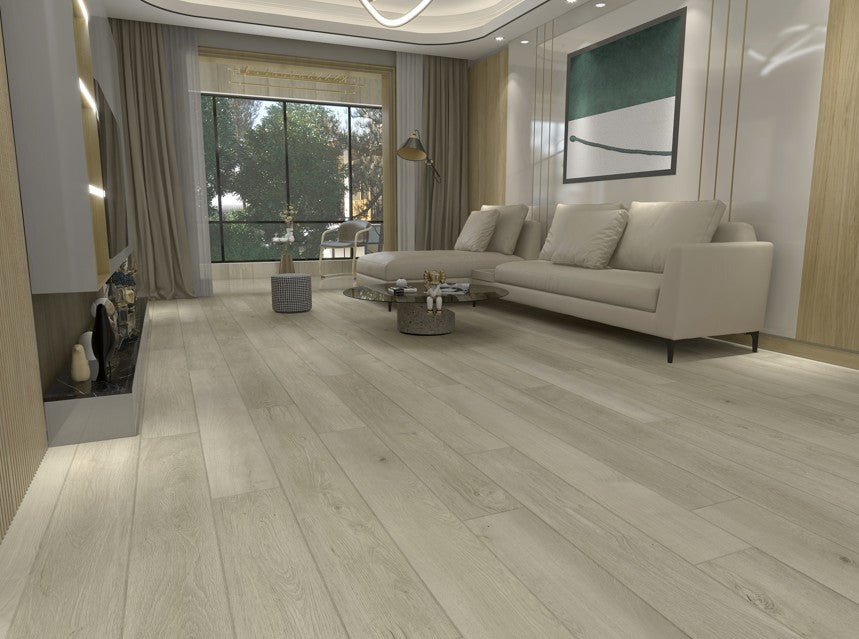
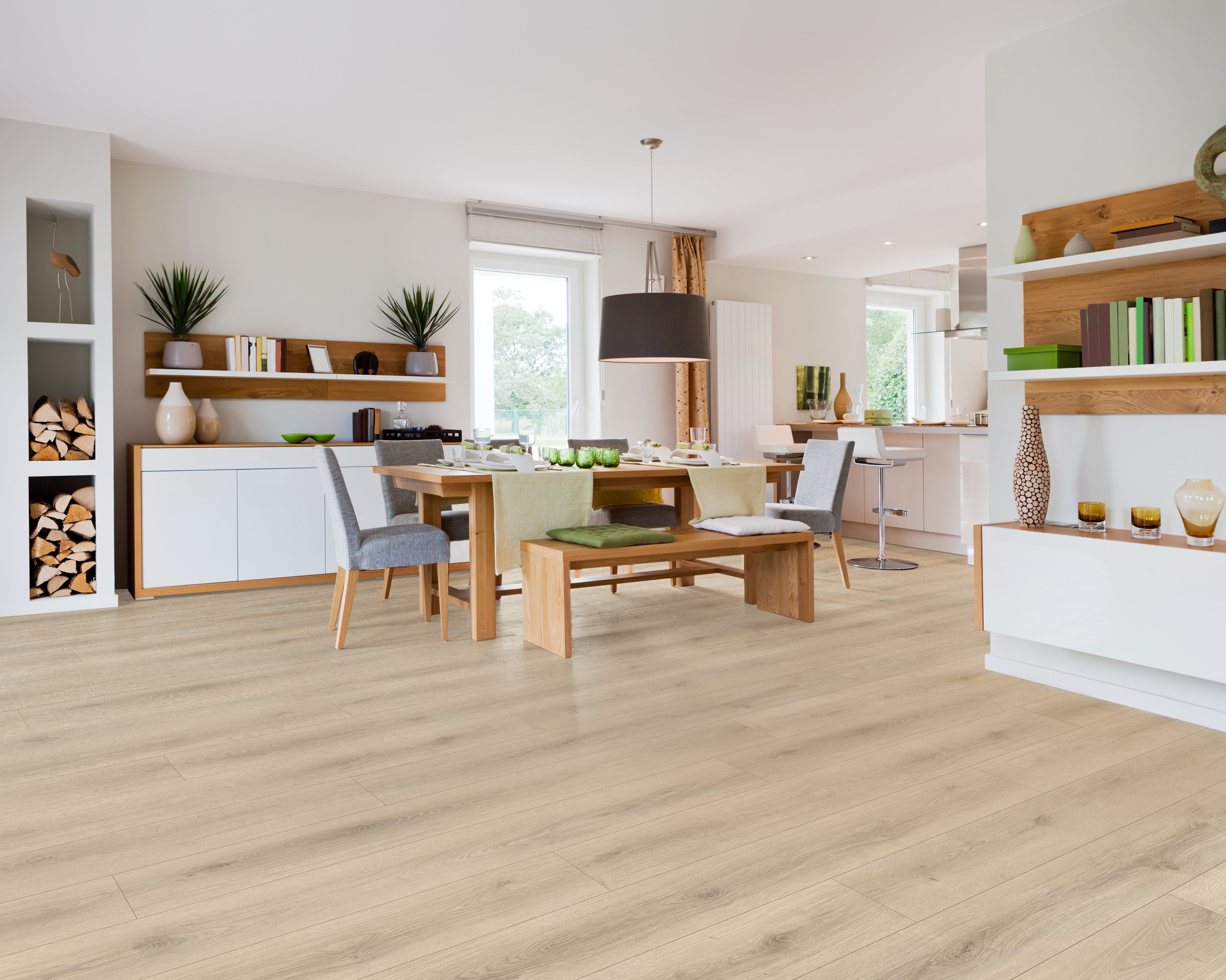
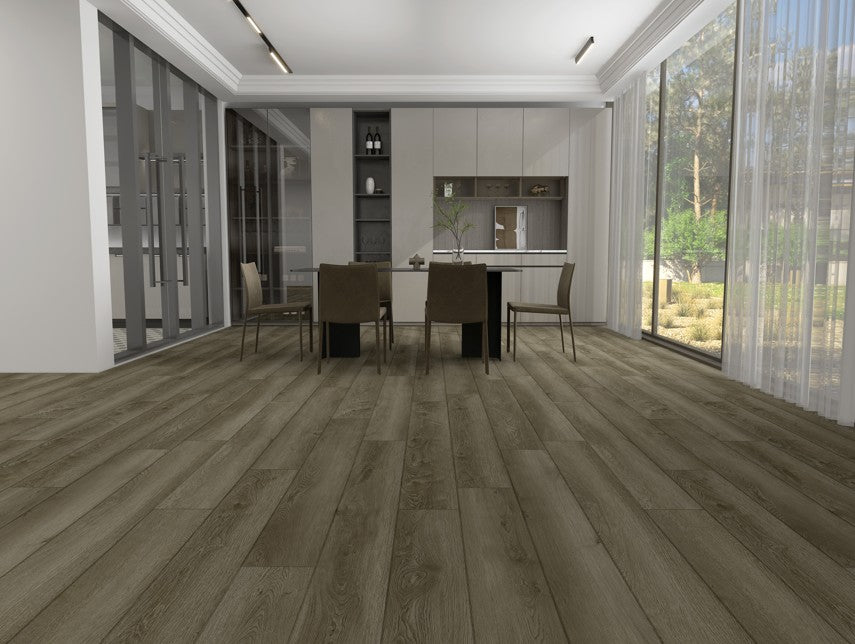
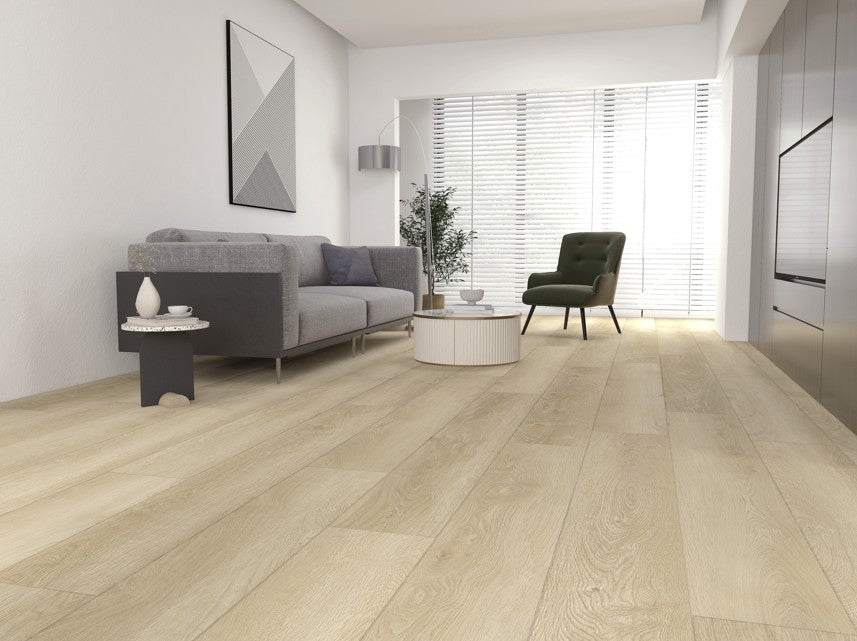
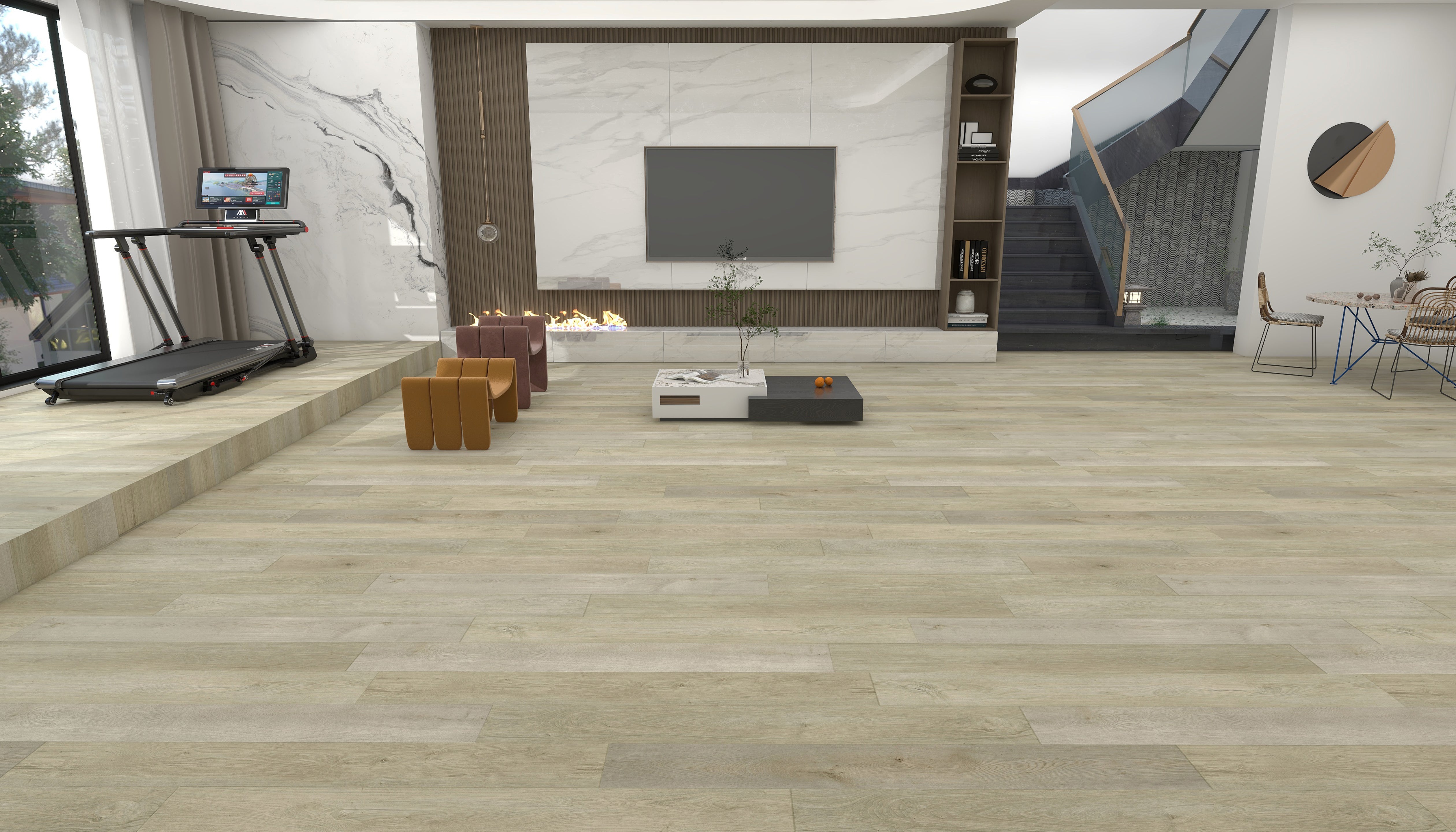
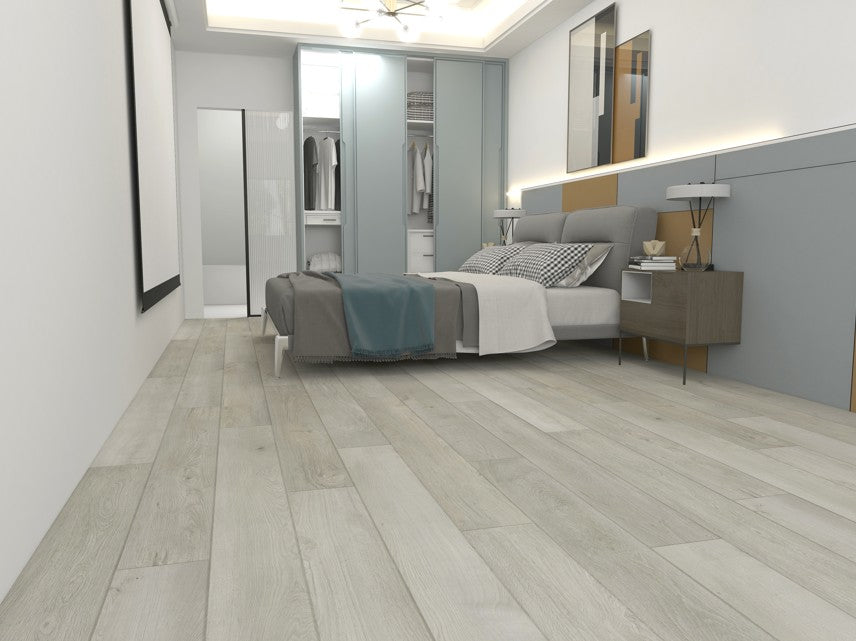
Why that matters for how a room reads: fewer seams means a more continuous wood-look surface, and less pattern repetition means the eye doesn't catch the same knot or grain figure every four feet. A real hardwood floor and a well-chosen Paradigm Conquest floor look closer to each other than the price gap suggests, and the long-plank format is a big reason why.
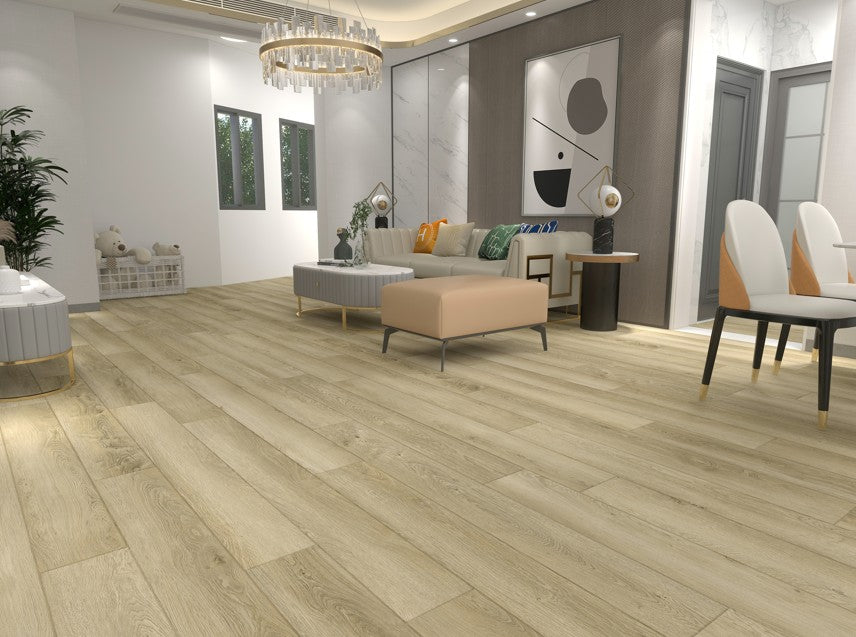
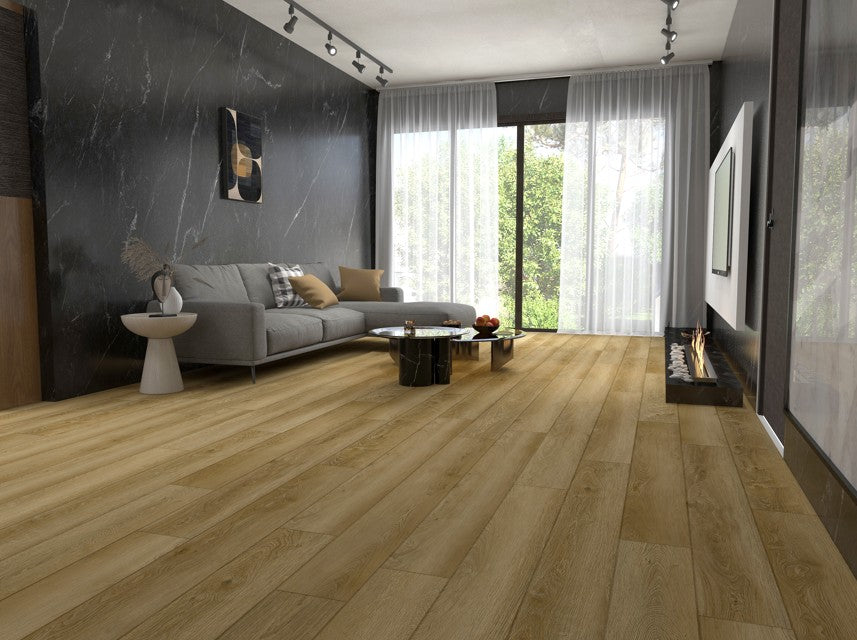
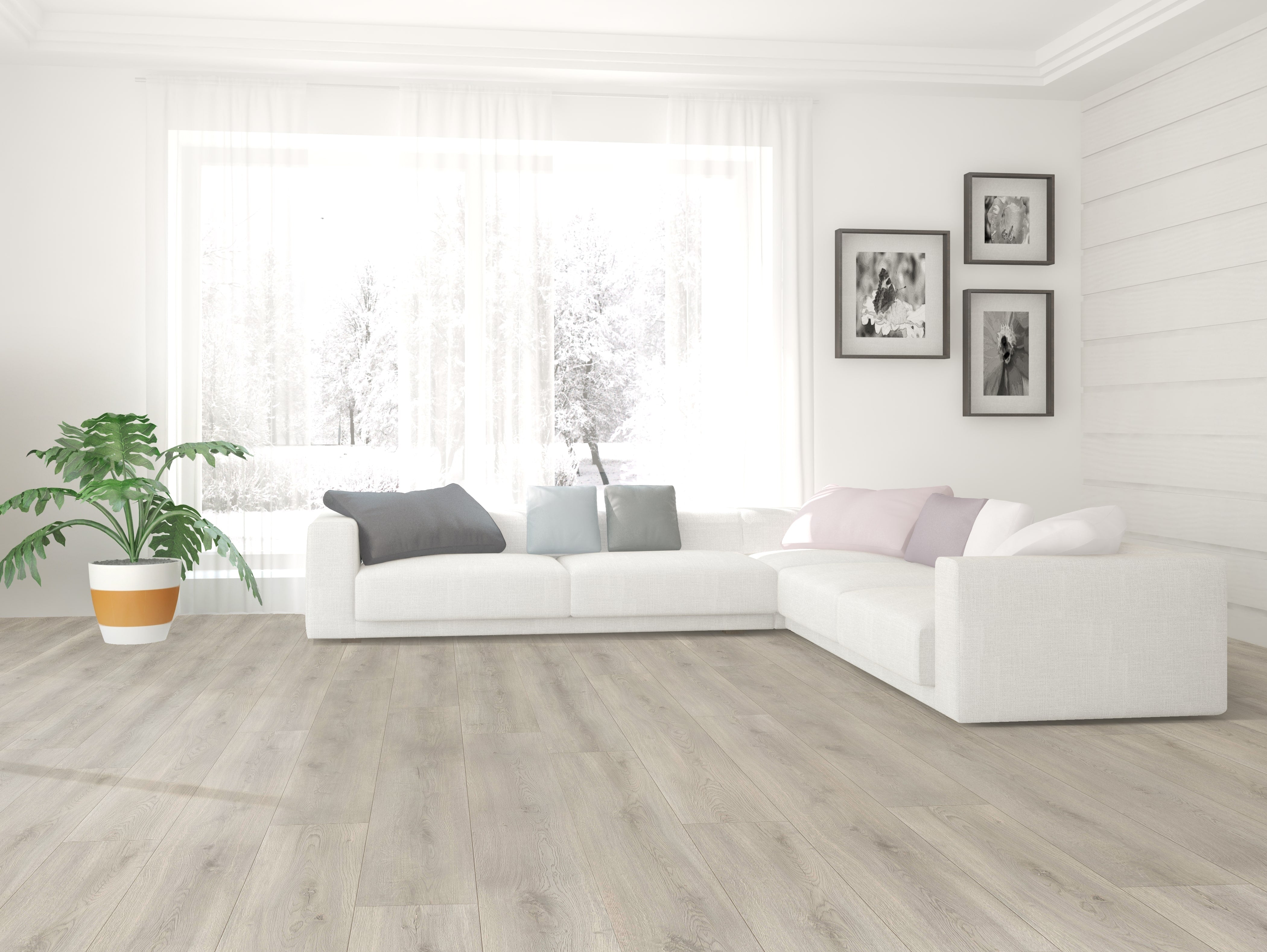
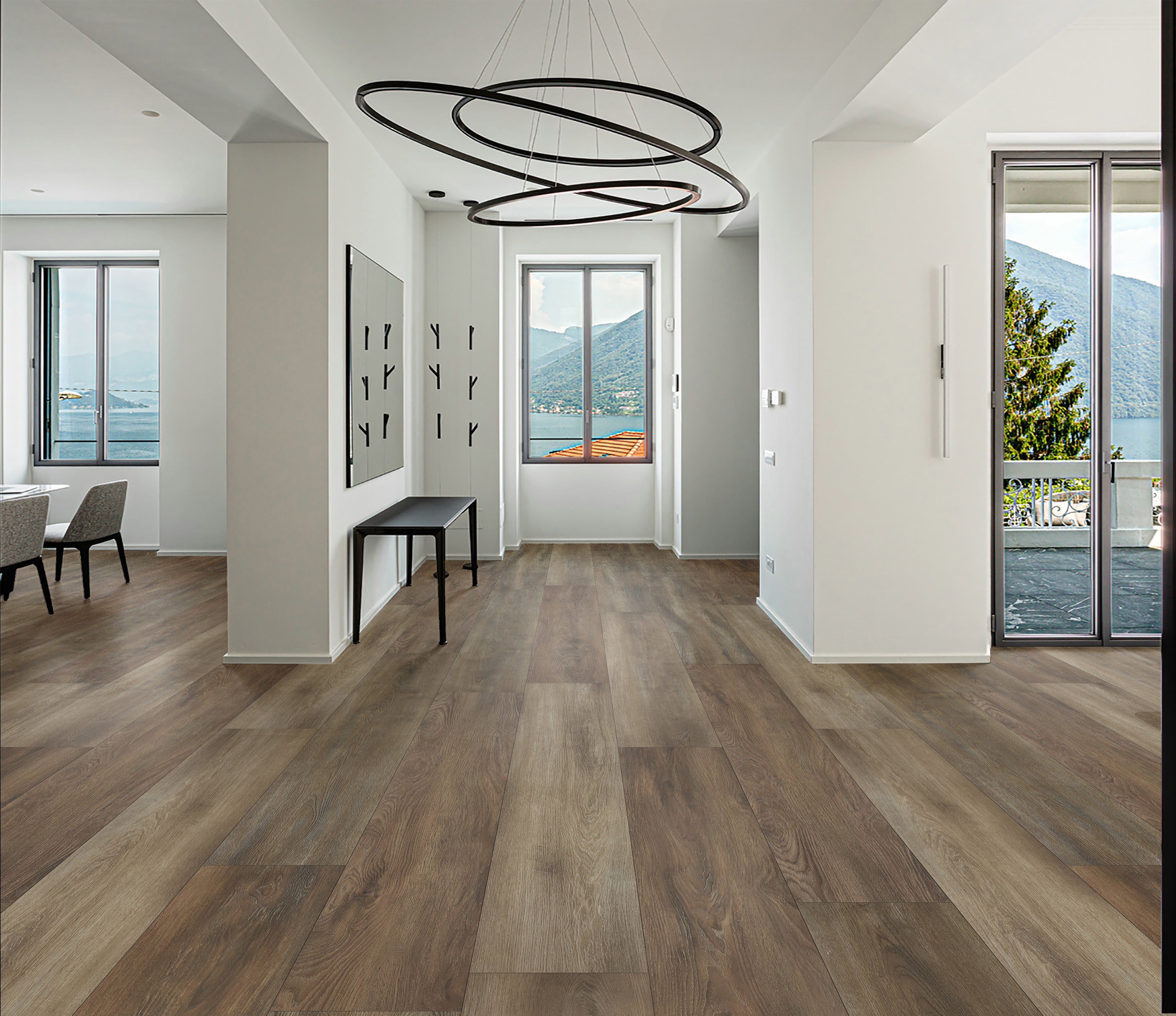
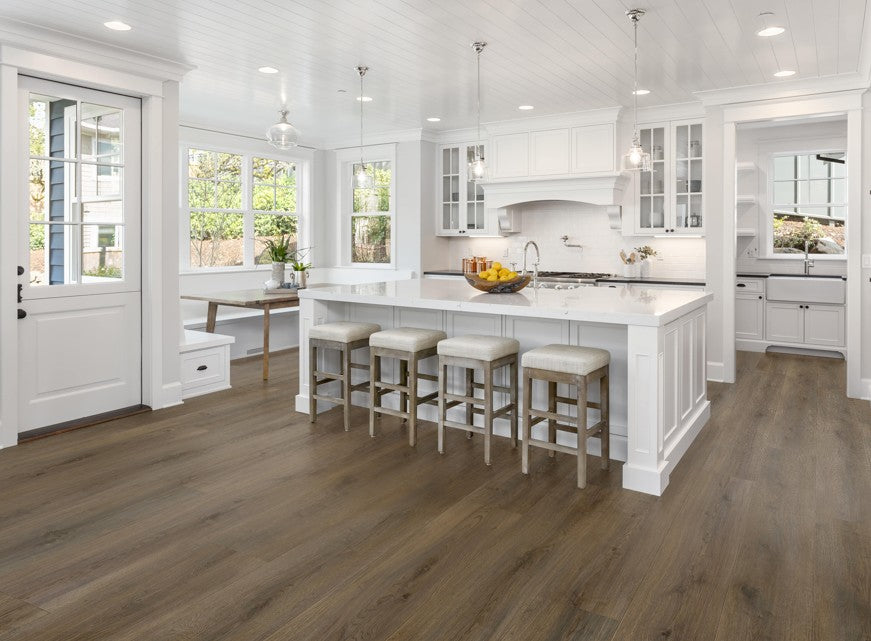
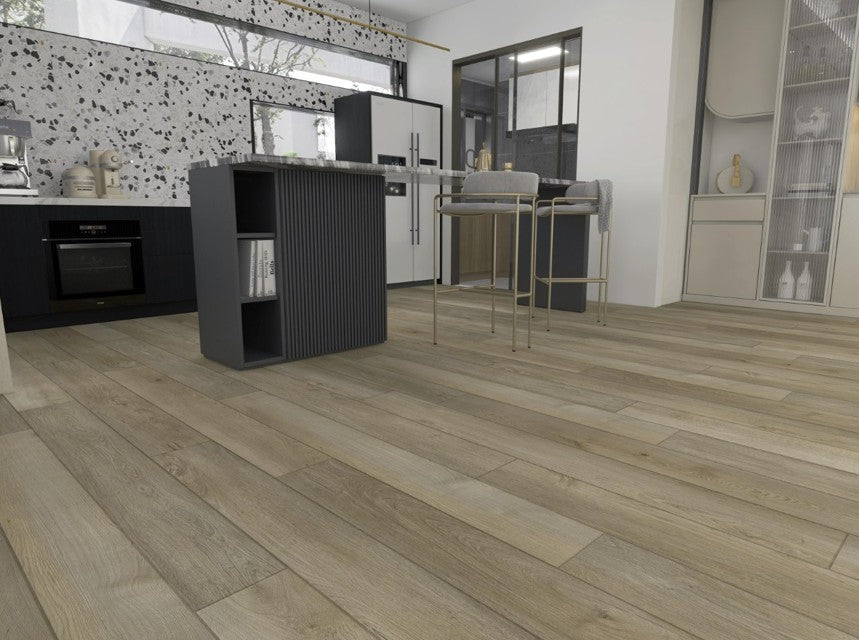
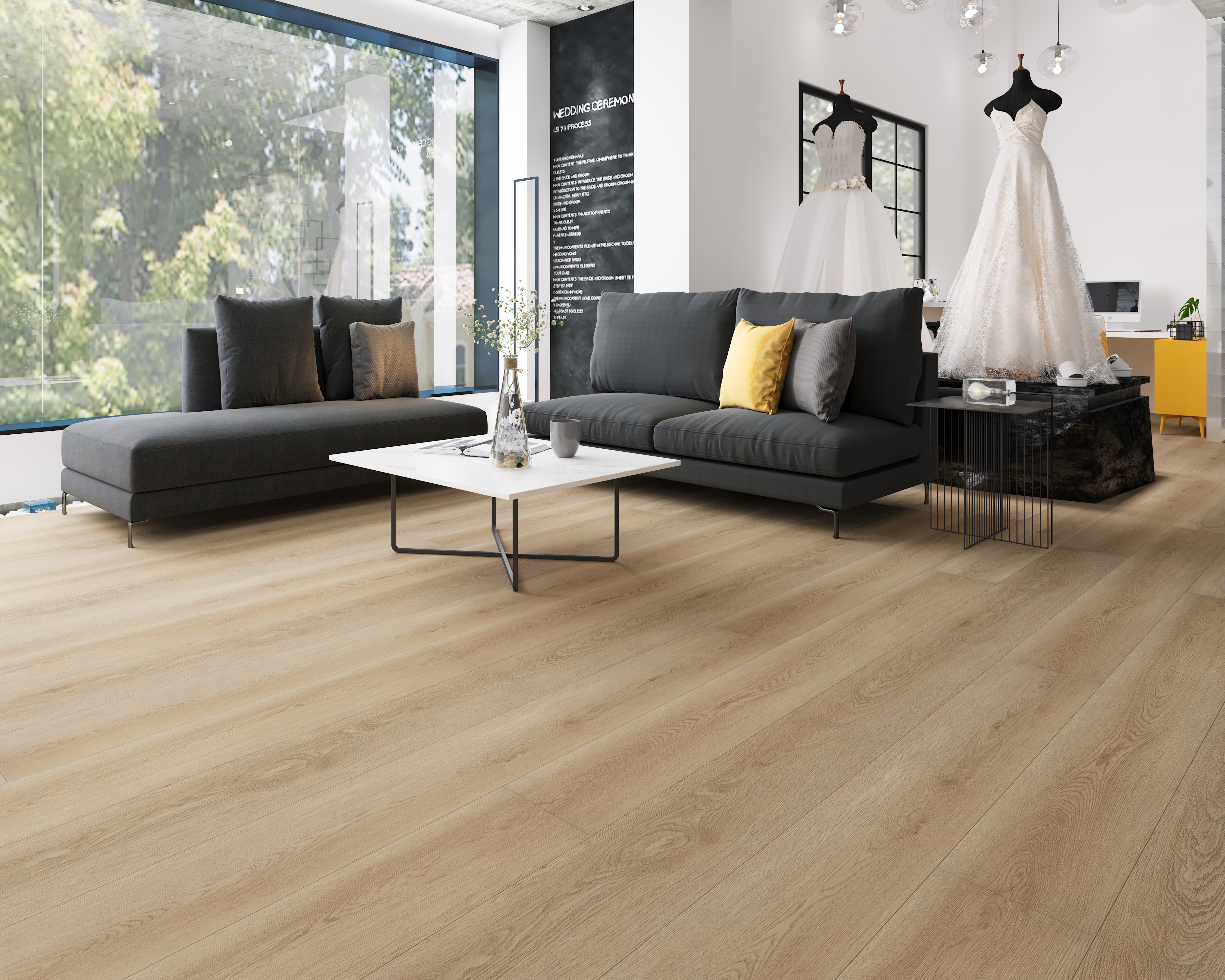
It's also why Conquest gets specified in open-concept builds. Long planks pull the eye across the room instead of chopping it into tiles.
Where This Vinyl Flooring Works Best
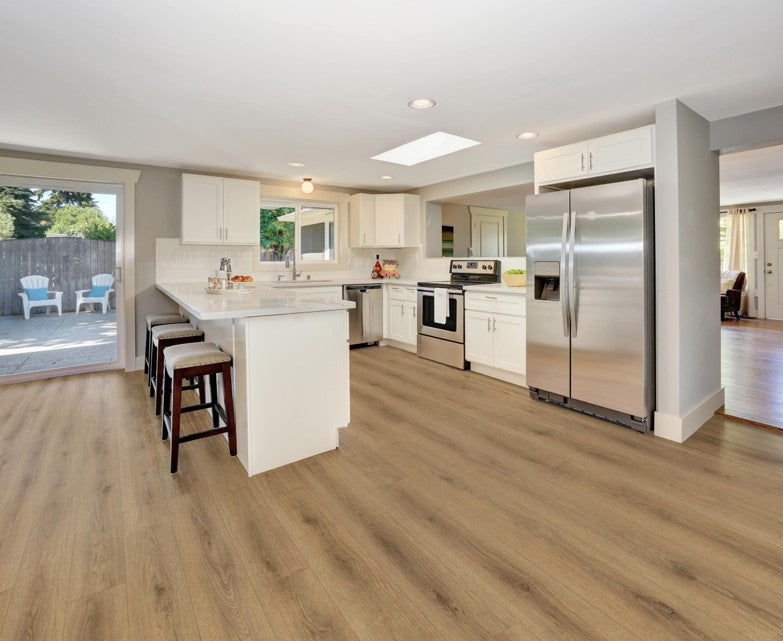
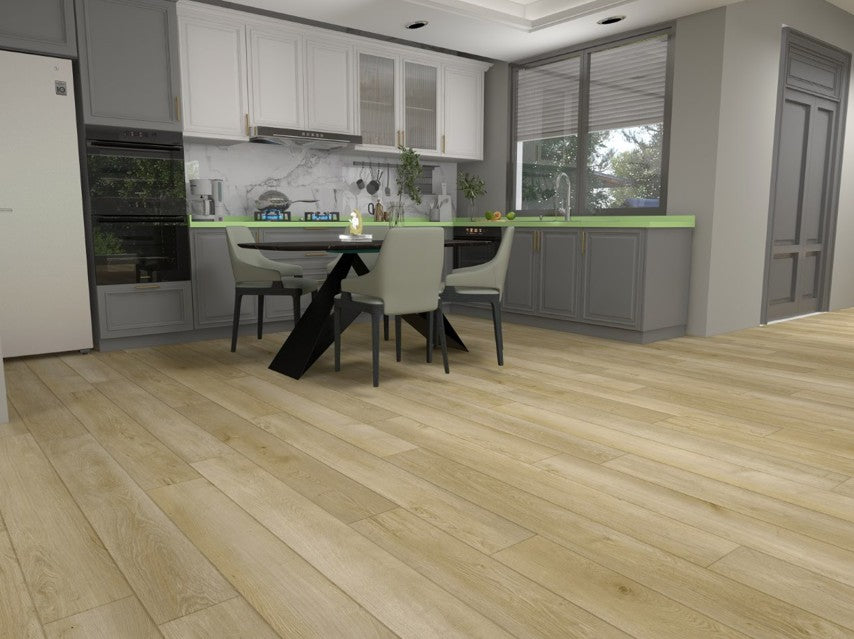
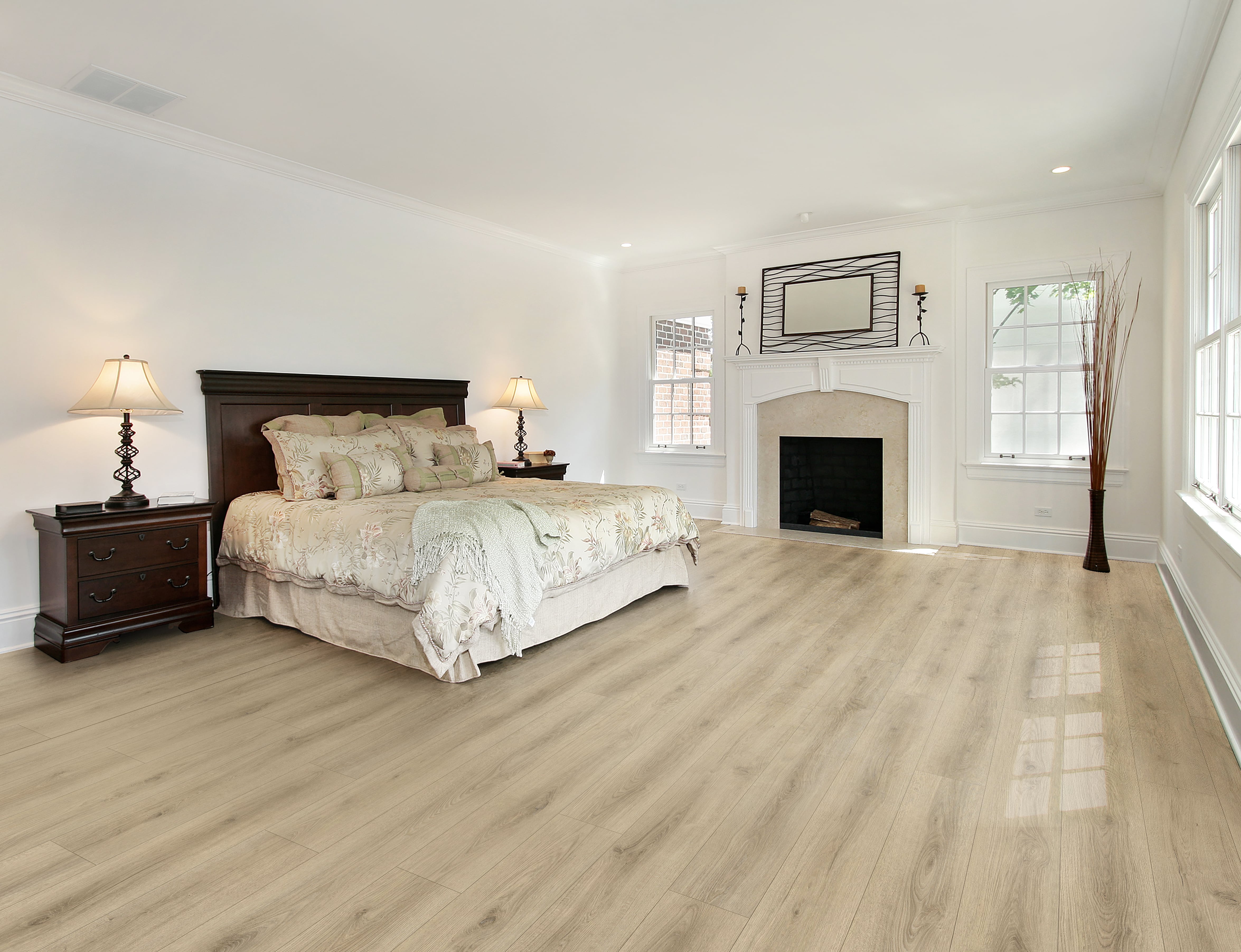
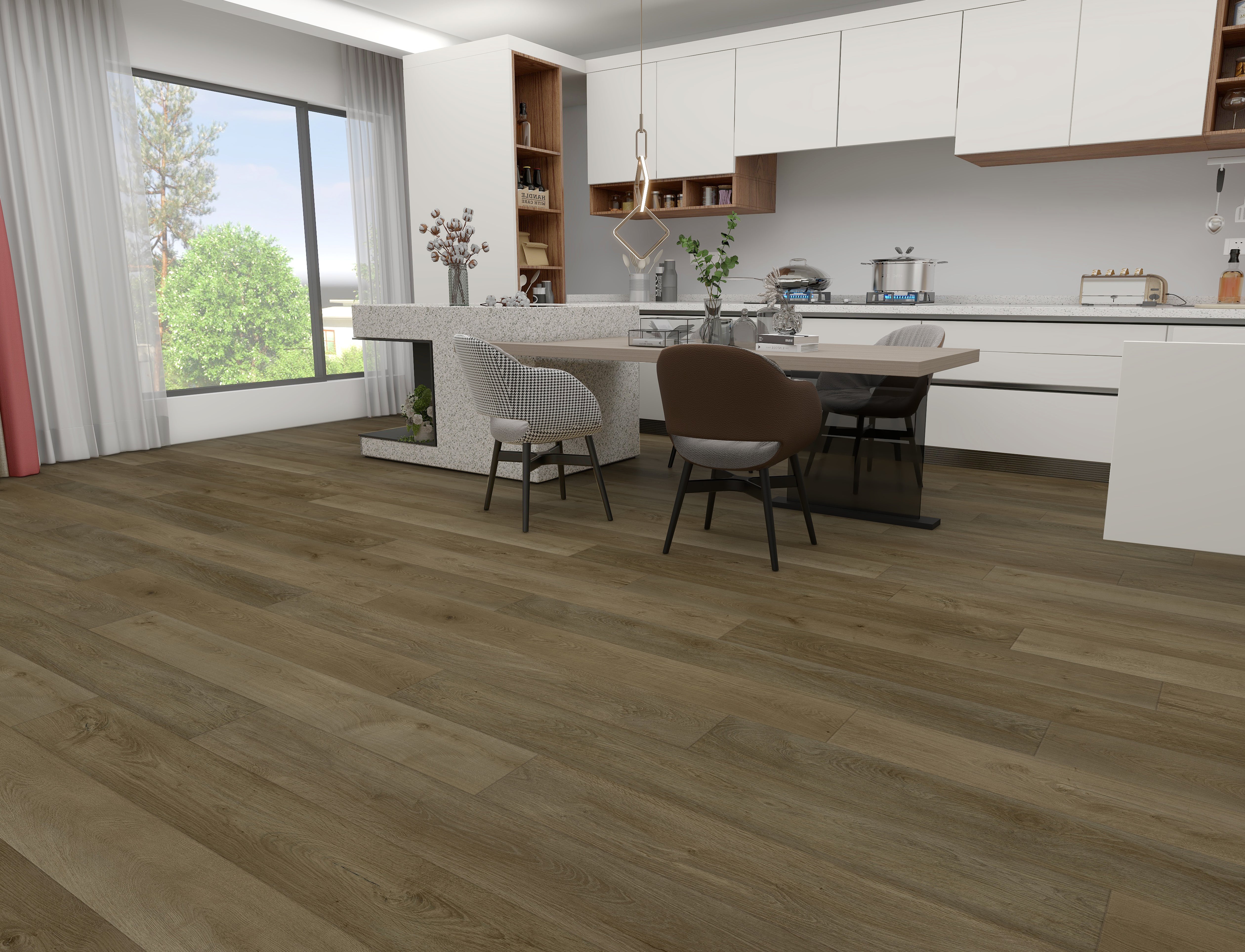
Inside a home: every room, including the wet ones. Paradigm Conquest vinyl flooring handles kitchens, bathrooms, mudrooms, laundry rooms, and below-grade basements because the SPC core is fully waterproof. Bedrooms, living rooms, and hallways get the hardwood look without the water risk.
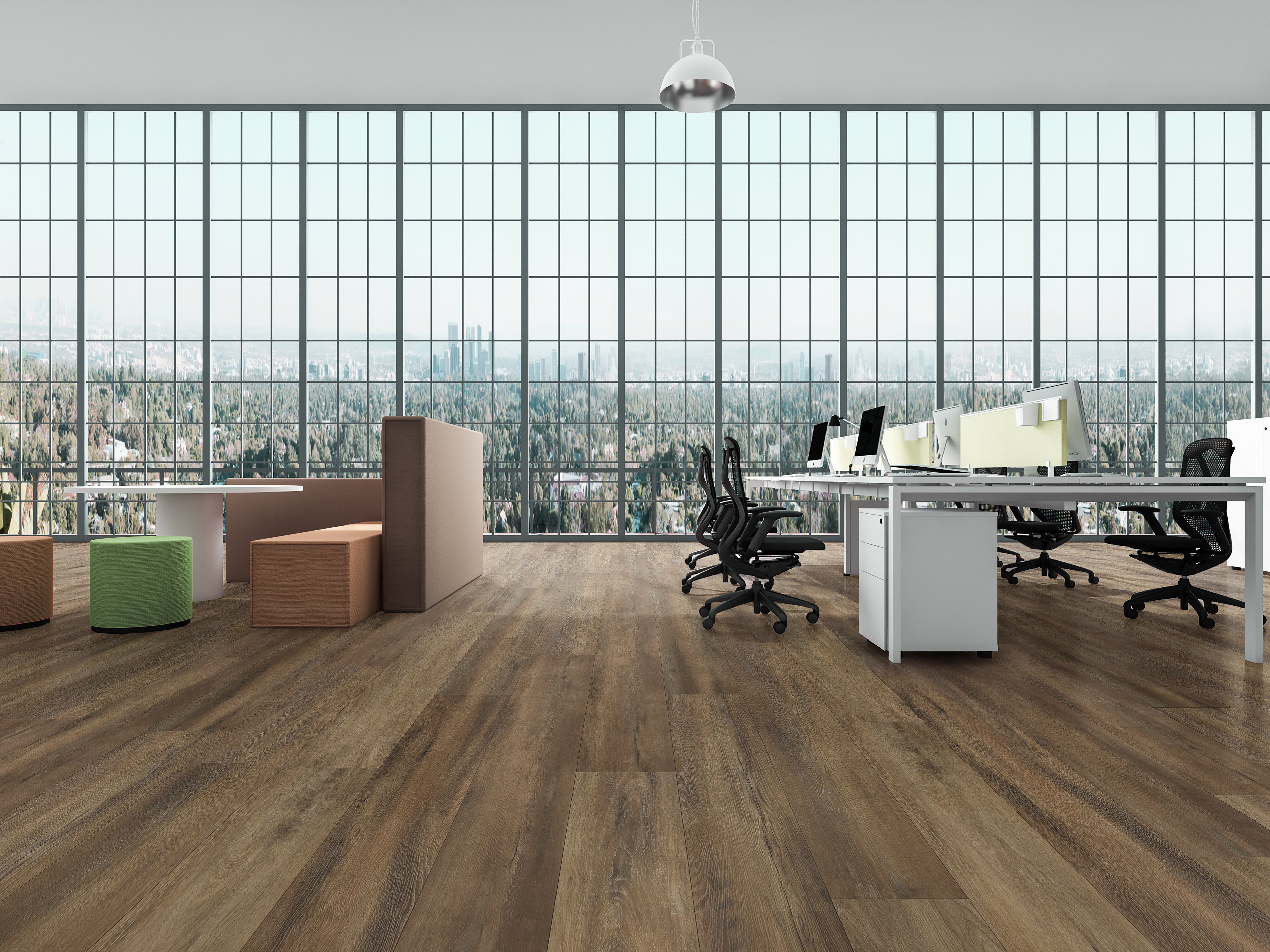
On the commercial side: offices, cafés, retail floors, salons, clinics, and light-to-medium traffic showrooms. The wear layer and rigid core shrug off rolling chairs, foot traffic, and the daily impacts that wear residential-grade LVP thin inside a year.
Rooms to think twice about: sunrooms that regularly climb above 85°F in direct western light, and any floor where the subfloor hasn't been leveled first. Rigid planks don't hide subfloor defects. They sit on top and transmit the shape upward.
Styles in the Collection
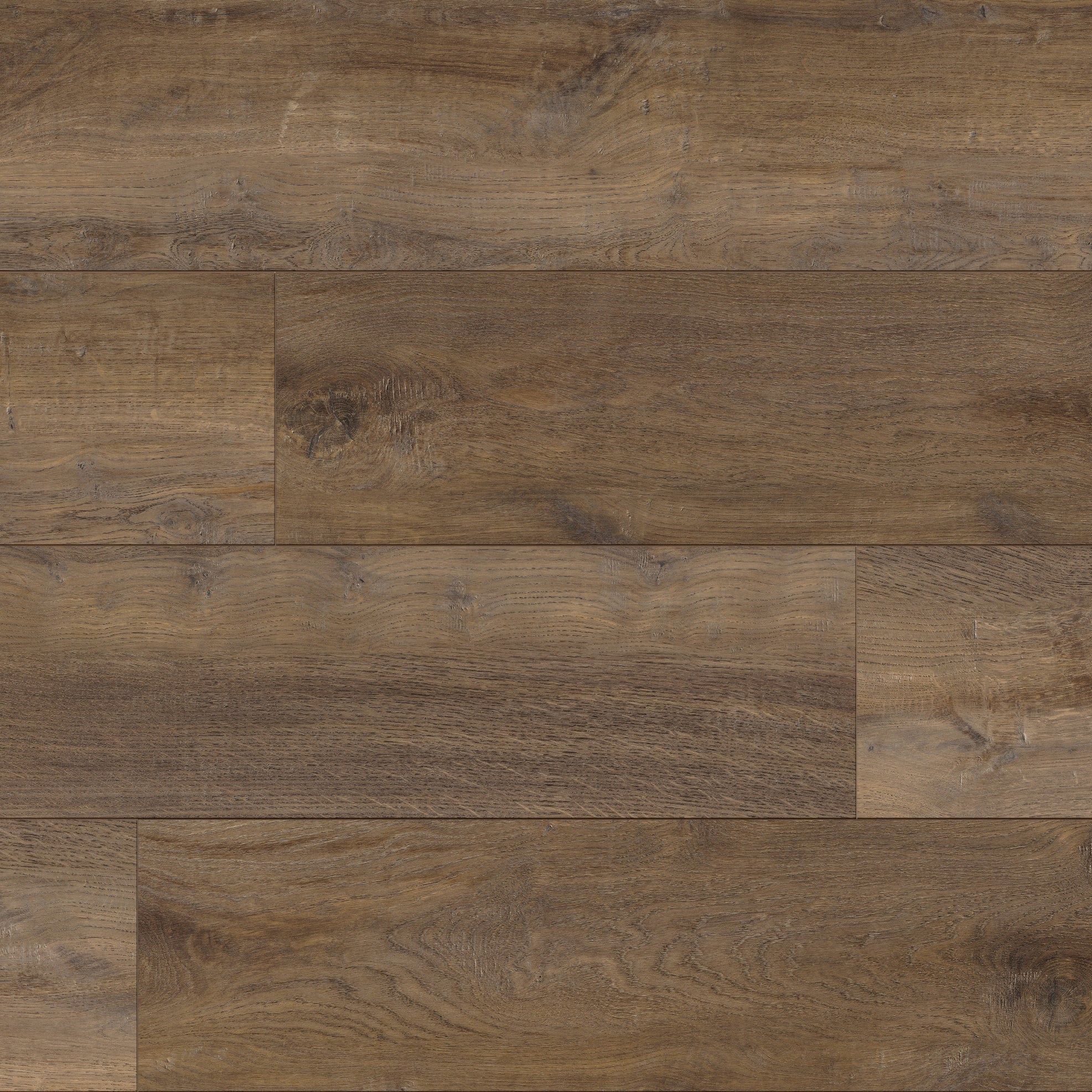
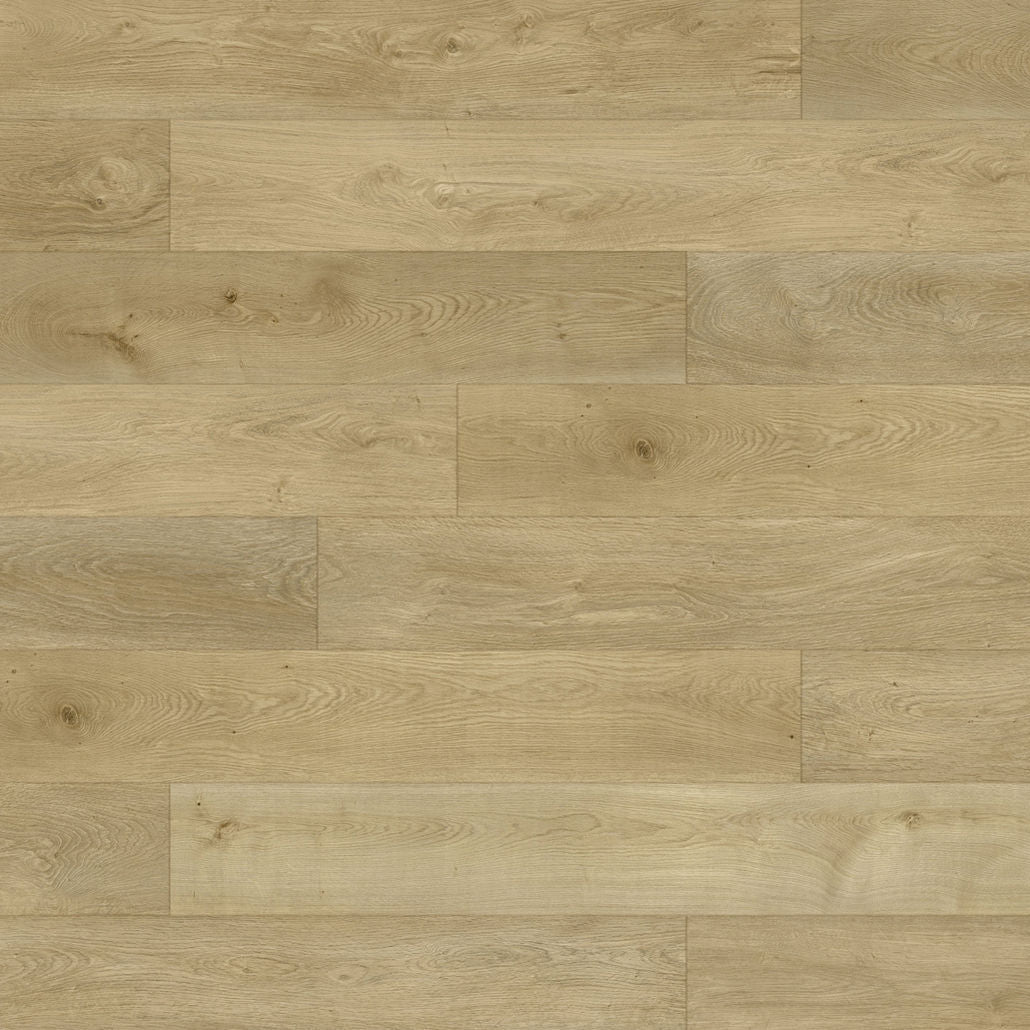
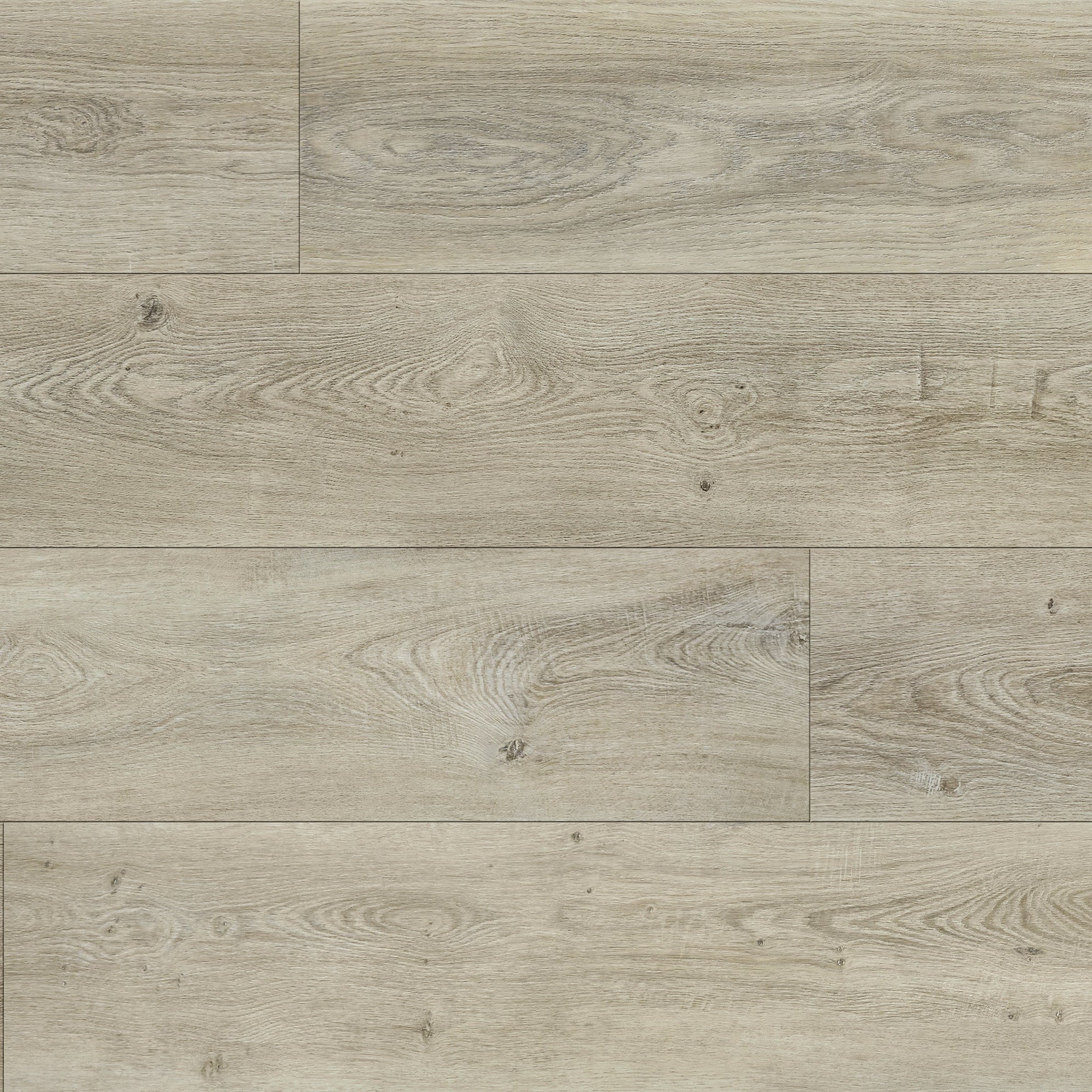
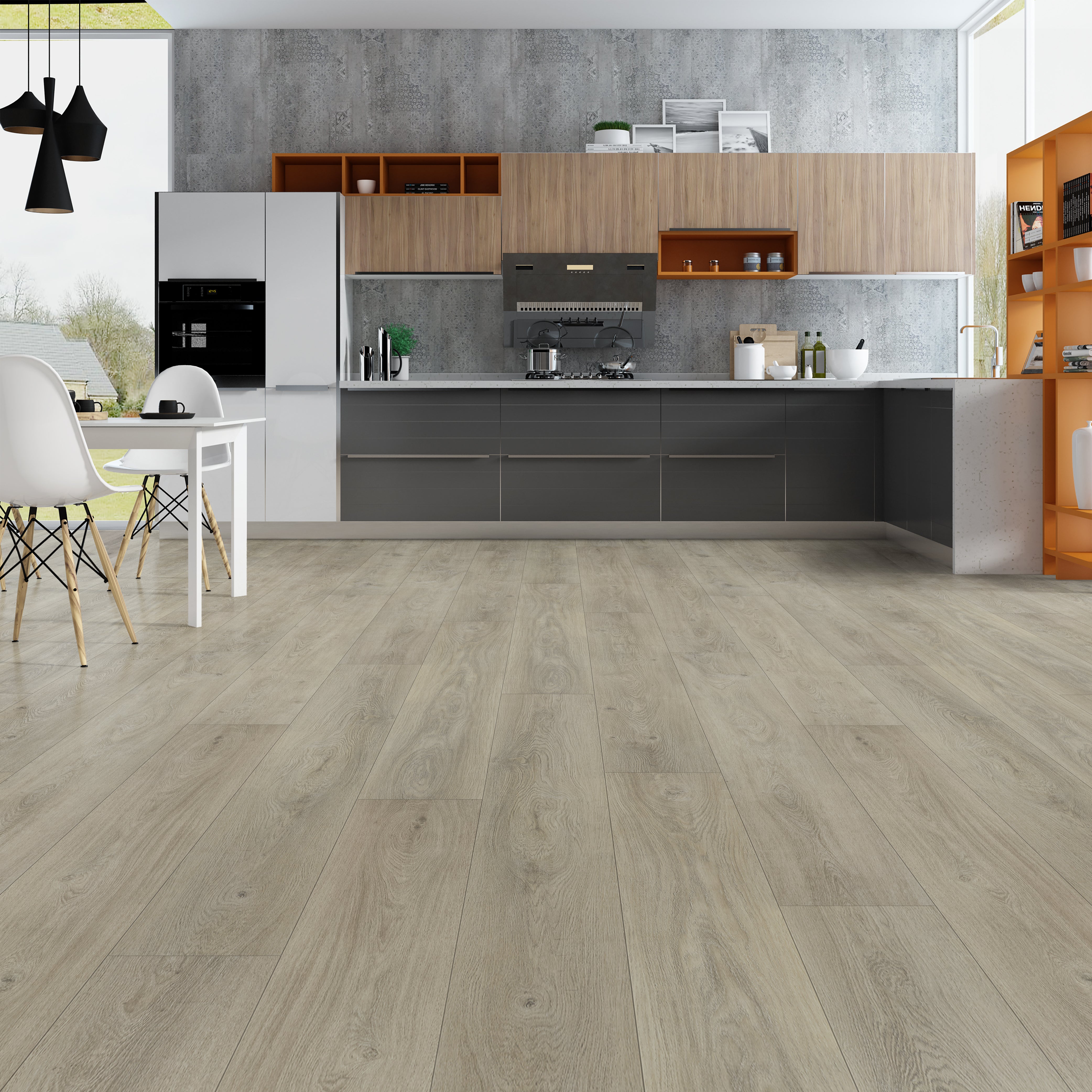
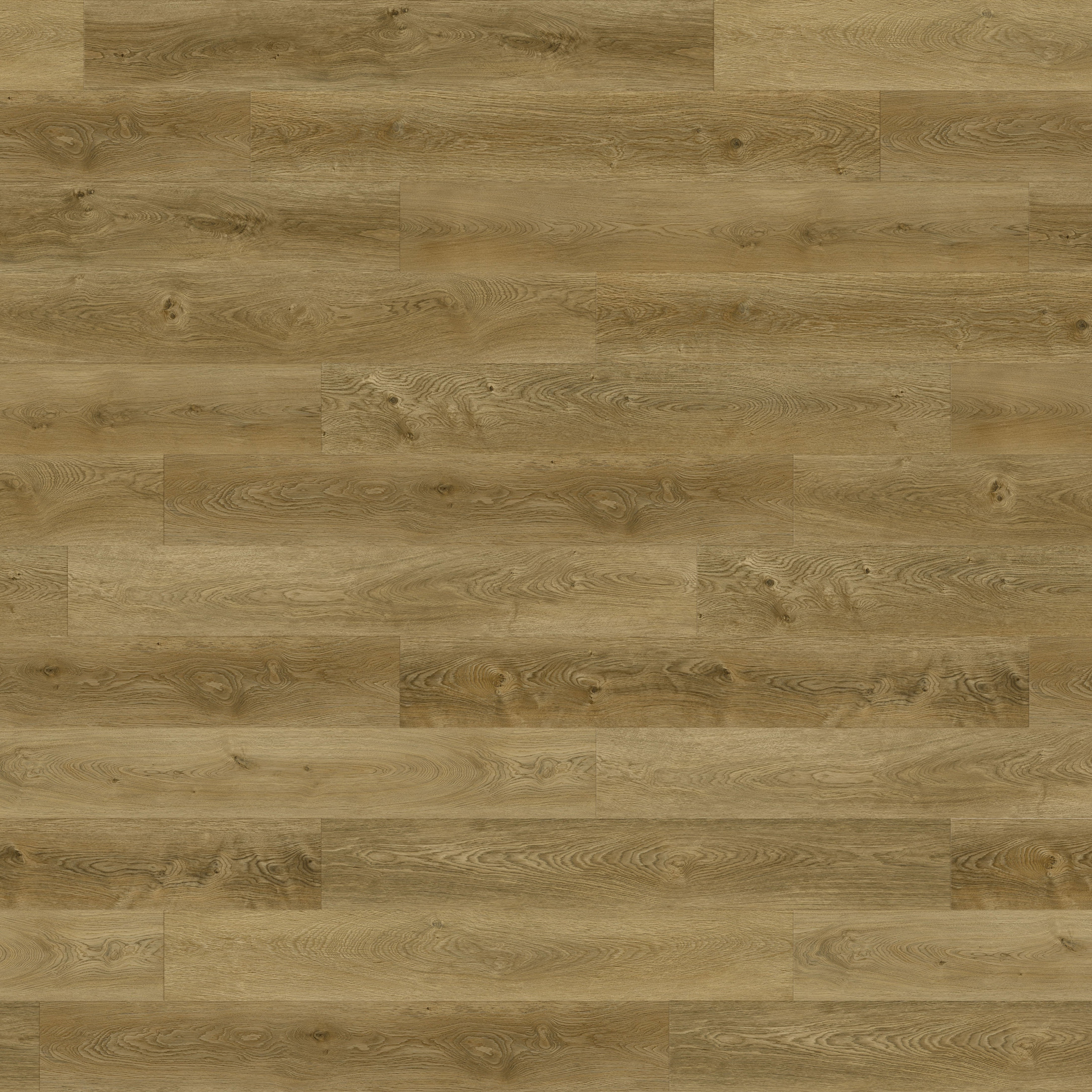
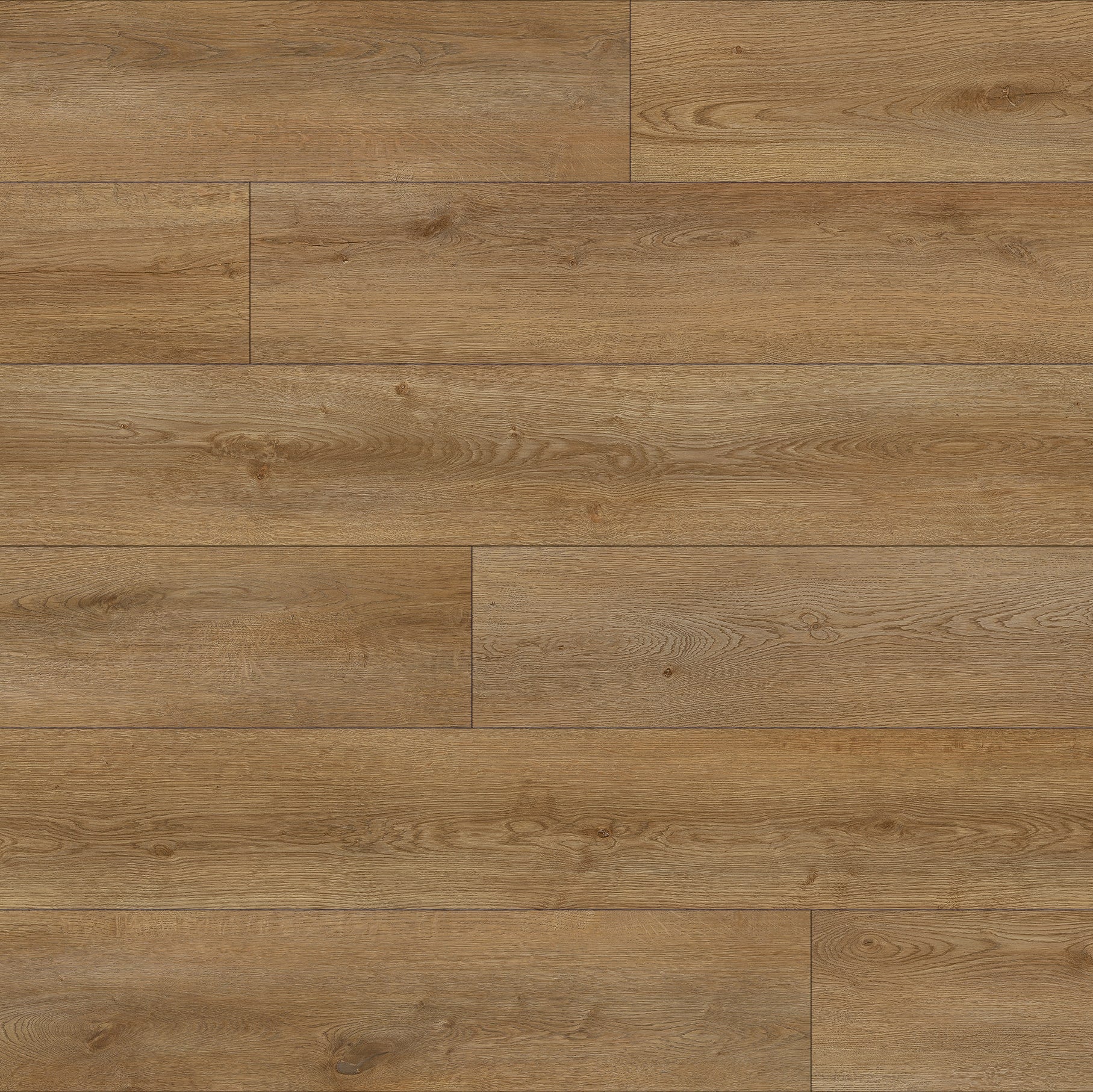
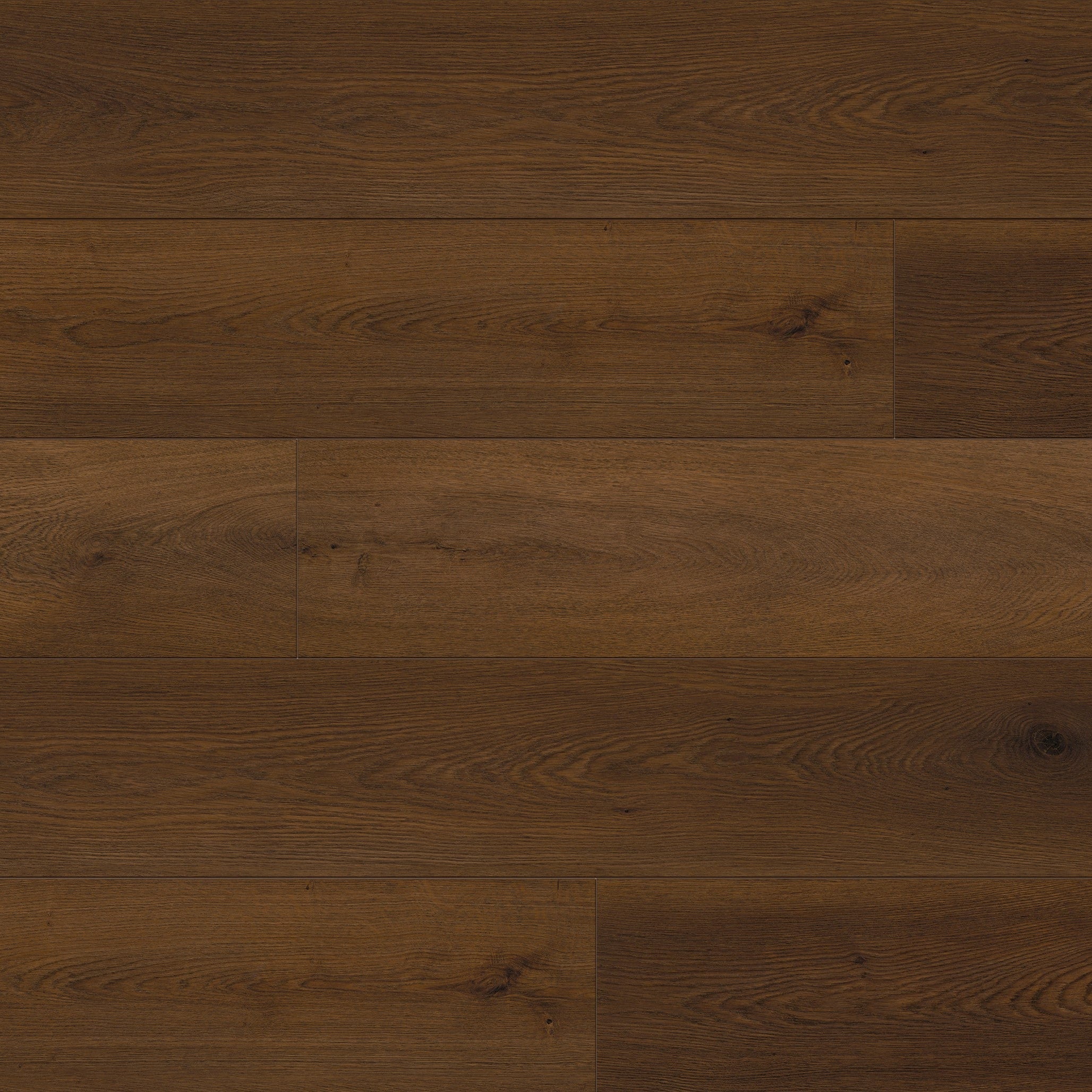
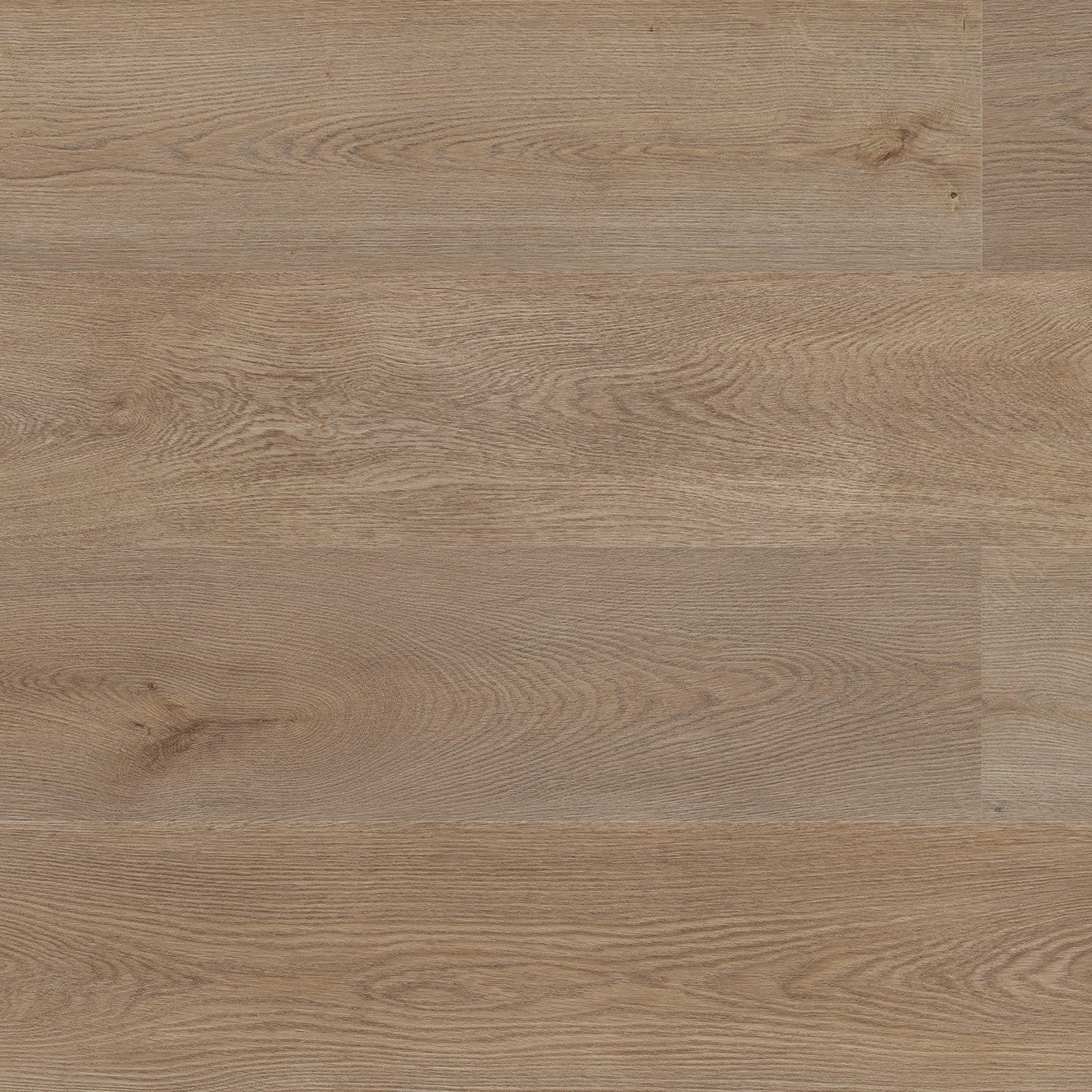
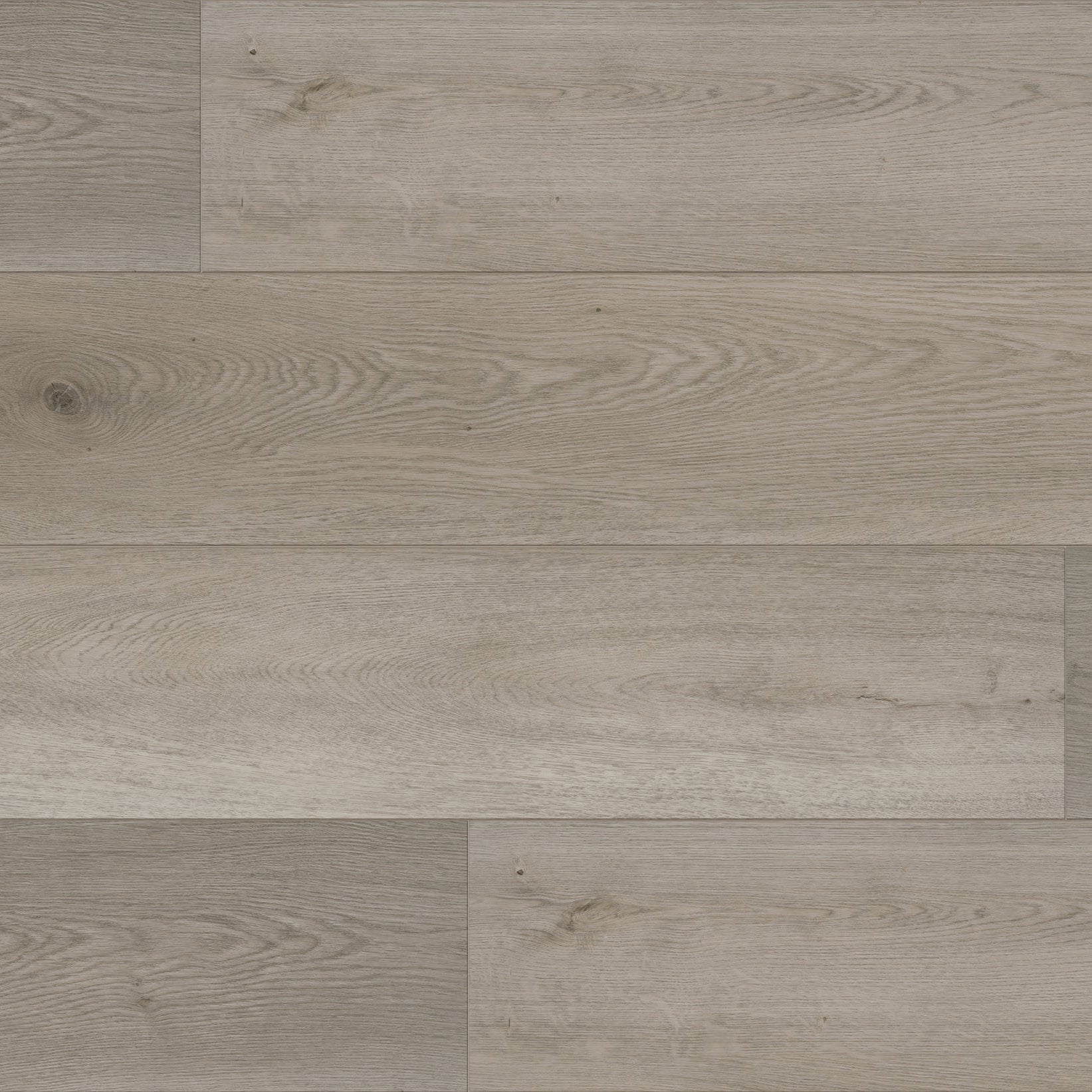
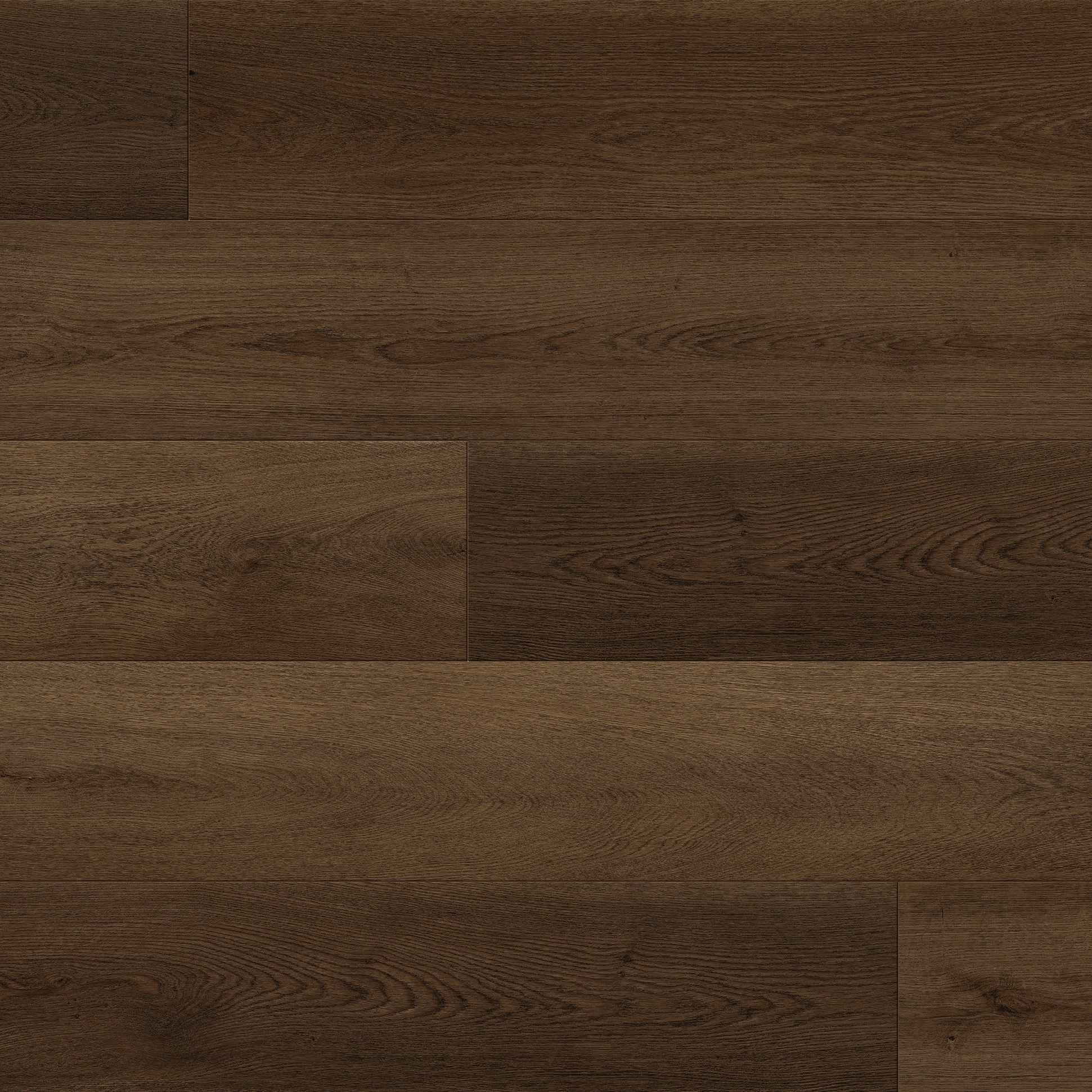
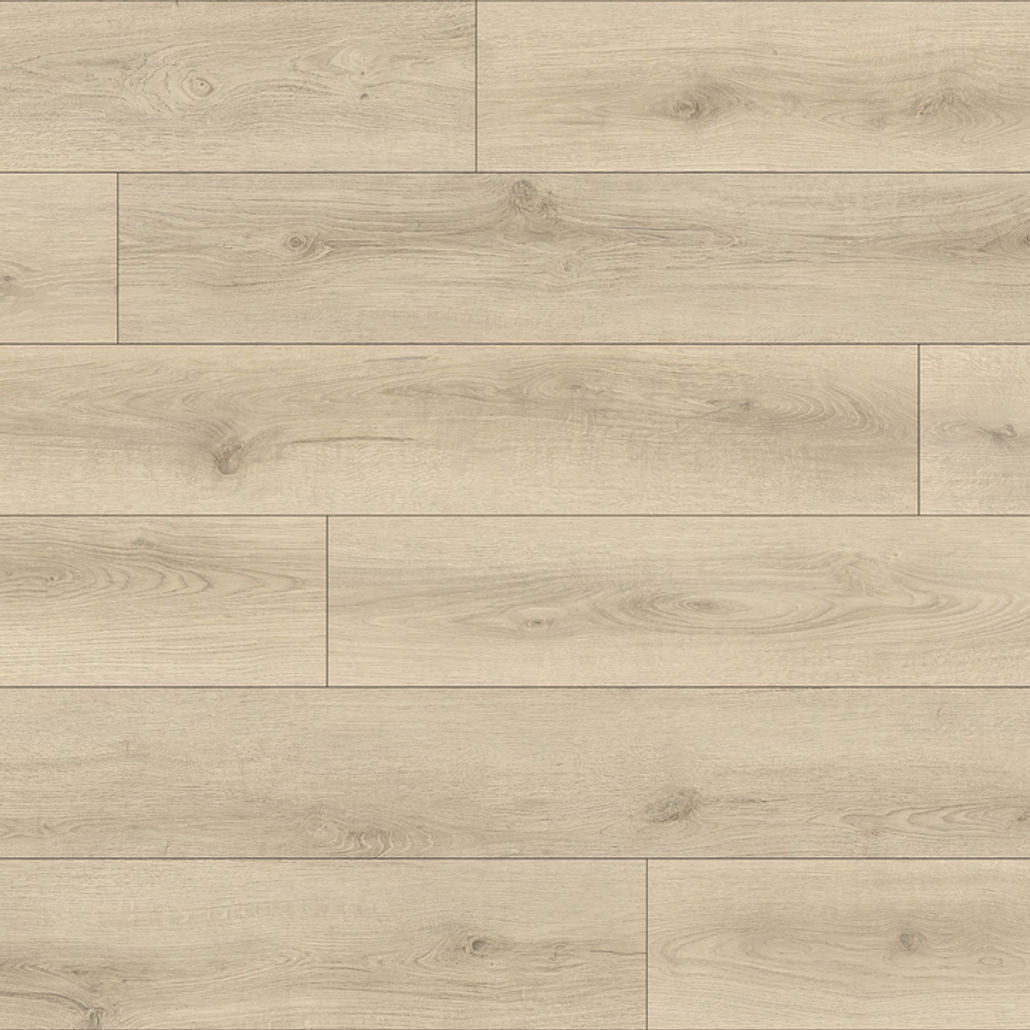
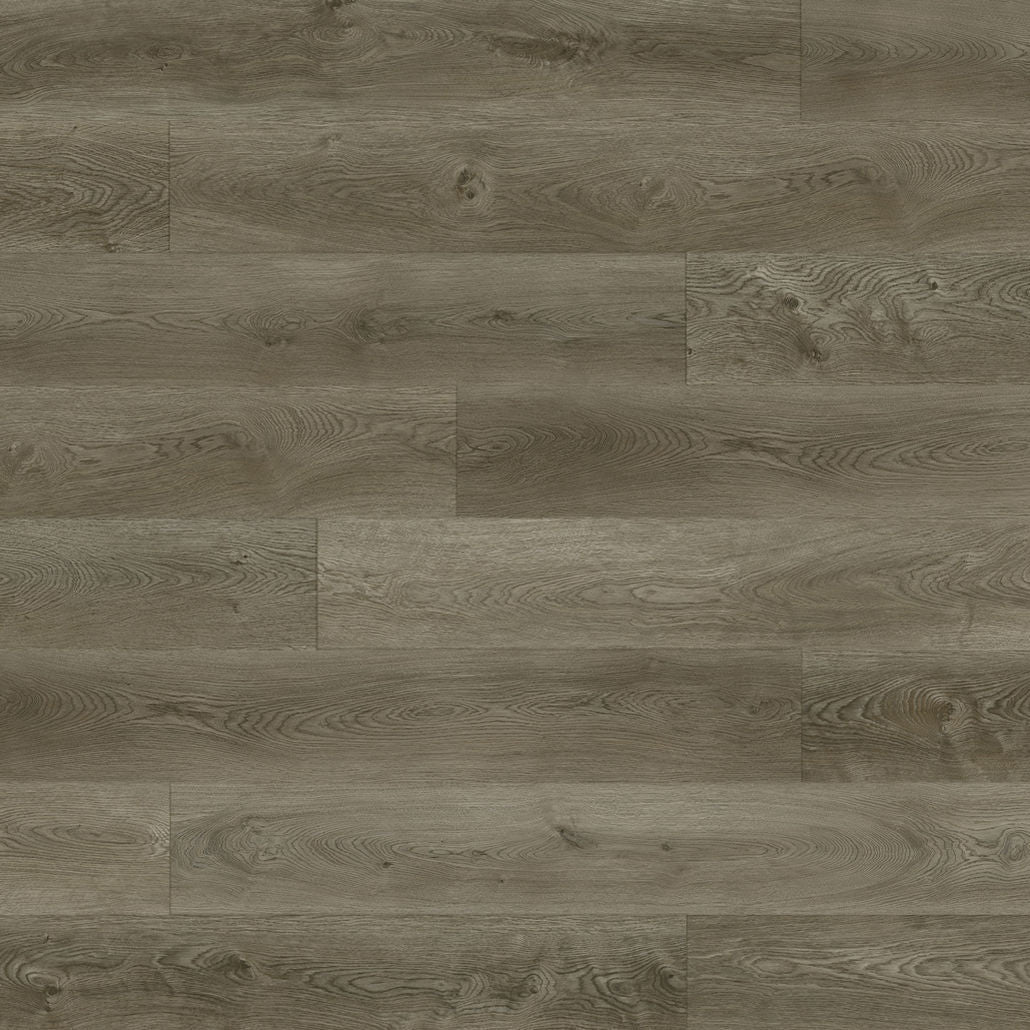
The collection runs across a wide visual range, from warm honey oaks and butterscotch tones through mid-brown walnuts and smoked oaks into cooler grey-washed and driftwood finishes. Each style has its own grain personality, so the individual product pages are the right place to compare two or three contenders side by side once you know the general direction you're heading.
If you're early in the decision and not sure which color family fits the room, ordering samples is the best move. Showroom lighting rarely matches home lighting, and viewing the plank in your actual space beats a three-thousand-dollar regret.
Conquest vs. Performer vs. Insignia
Paradigm makes three distinct LVP collections. They aren't stacked as good, better, best. They're designed for different buyers with different priorities.
Performer is the entry-tier collection. Standard LVP construction, lighter-duty, aimed at budget-conscious installs and lower-traffic rooms like guest bedrooms or secondary rental units.
Conquest is the SPC collection. Rigid stone-plastic core, longer and wider planks, a firmer feel, and commercial-grade durability. Choose Conquest when the floor needs to handle real wear: kids, pets, rolling chairs, commercial traffic, or any room where structure and dent resistance matter more than cushion.
Insignia is the WPC collection. Wood-plastic composite core engineered for a softer, warmer, quieter walking experience. Choose Insignia when comfort and acoustic softness matter more than rigidity: bedrooms, home libraries, and upstairs rooms over living spaces where you don't want footsteps traveling through the ceiling.
The choice between Conquest and Insignia isn't about price or quality tier. It's about what you want underfoot. Conquest feels solid. Insignia feels forgiving.
Where to Buy Paradigm Conquest Flooring
Paradigm Conquest is sold through authorized Paradigm dealers, and Floor City is one of them. Order by the box and get a shipping quote for the full job before you commit. If another dealer is showing a lower advertised price, ask us about a price match before you place the order.
Reviews and Price
Conquest sits in the mid-to-upper tier of the SPC luxury vinyl plank market. It isn't the cheapest rigid-core vinyl you'll find, and the price reflects what's actually in the plank: denser core, wider board format, longer wear layer, and a deeper color library than budget SPC lines.
Customer reviews agree on two things. The floor feels noticeably more solid than the builder-grade LVP shoppers previously installed or rented. And the wider planks read closer to real hardwood than catalog photos suggest. The consistent complaint is the one every SPC collection gets: firmer than carpet, firmer than WPC, and that takes a couple of days to get used to if you're coming off a softer floor.
Frequently Asked Questions
Is
Paradigm
Conquest
waterproof?
Yes.
Every
plank
in
the
Paradigm
Conquest
luxury
vinyl
collection
is
fully
waterproof
because
of
the
SPC
rigid
core.
The
collection
is
rated
for
kitchens,
bathrooms,
laundry
rooms,
and
finished
basements.
Can
I
install
it
myself?
Yes.
Most
styles
use
a
click-lock
floating
install
that's
accessible
for
experienced
DIYers.
The
part
people
underestimate
is
subfloor
prep.
The
floor
will
only
be
as
flat
as
the
surface
beneath
it.
Does
it
hold
up
to
dogs
and
kids?
Better
than
most
LVP
on
the
market.
The
rigid
SPC
core
resists
the
dents
claws
leave
in
softer
planks,
and
the
wear
layer
handles
everyday
scratches
from
foot
traffic
and
toys.
Trim
nails,
use
felt
pads
on
chair
legs,
and
the
floor
will
outlast
the
furniture
on
top
of
it.
Can
it
go
in
a
basement?
Yes.
The
waterproof
SPC
core
is
rated
for
below-grade
installation.
Just
make
sure
the
slab
is
dry,
flat,
and
covered
with
a
proper
vapor
barrier
before
the
planks
go
down.
What
warranty
comes
with
it?
Paradigm
backs
Conquest
with
both
residential
and
commercial
warranty
coverage.
Exact
terms
vary
by
style,
so
check
the
specific
product
page
for
the
line
you're
pricing.
How
does
it
compare
to
other
SPC
brands?
The
core
technology,
mineral-dense
SPC
with
a
wear
layer
on
top,
is
shared
across
SPC
lines.
Where
Conquest
consistently
separates
itself
is
plank
size
and
visual
quality:
longer
boards,
wider
faces,
and
less
pattern
repetition
than
most
competing
SPC
collections.