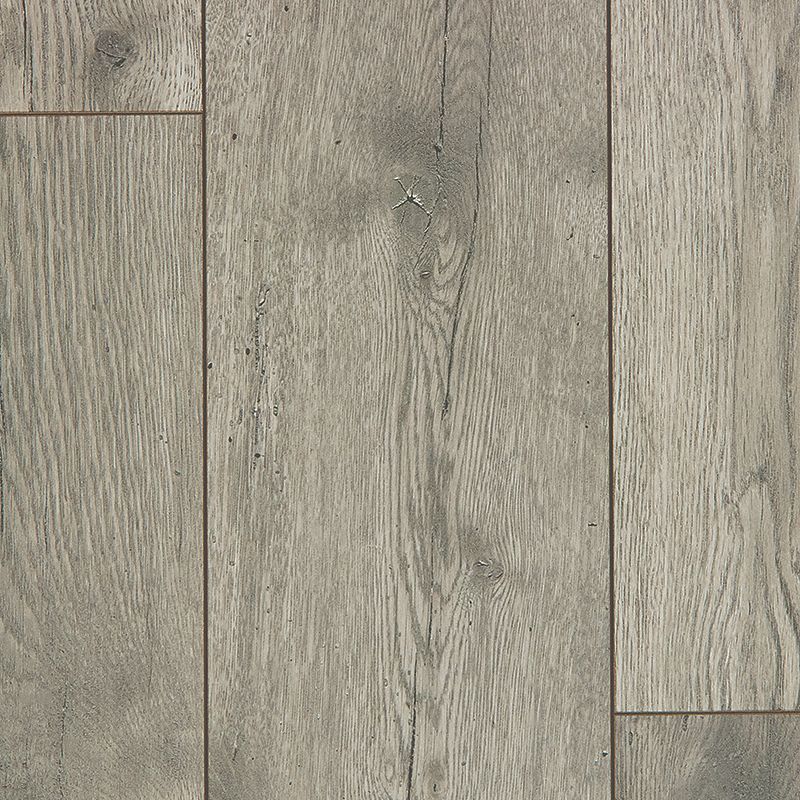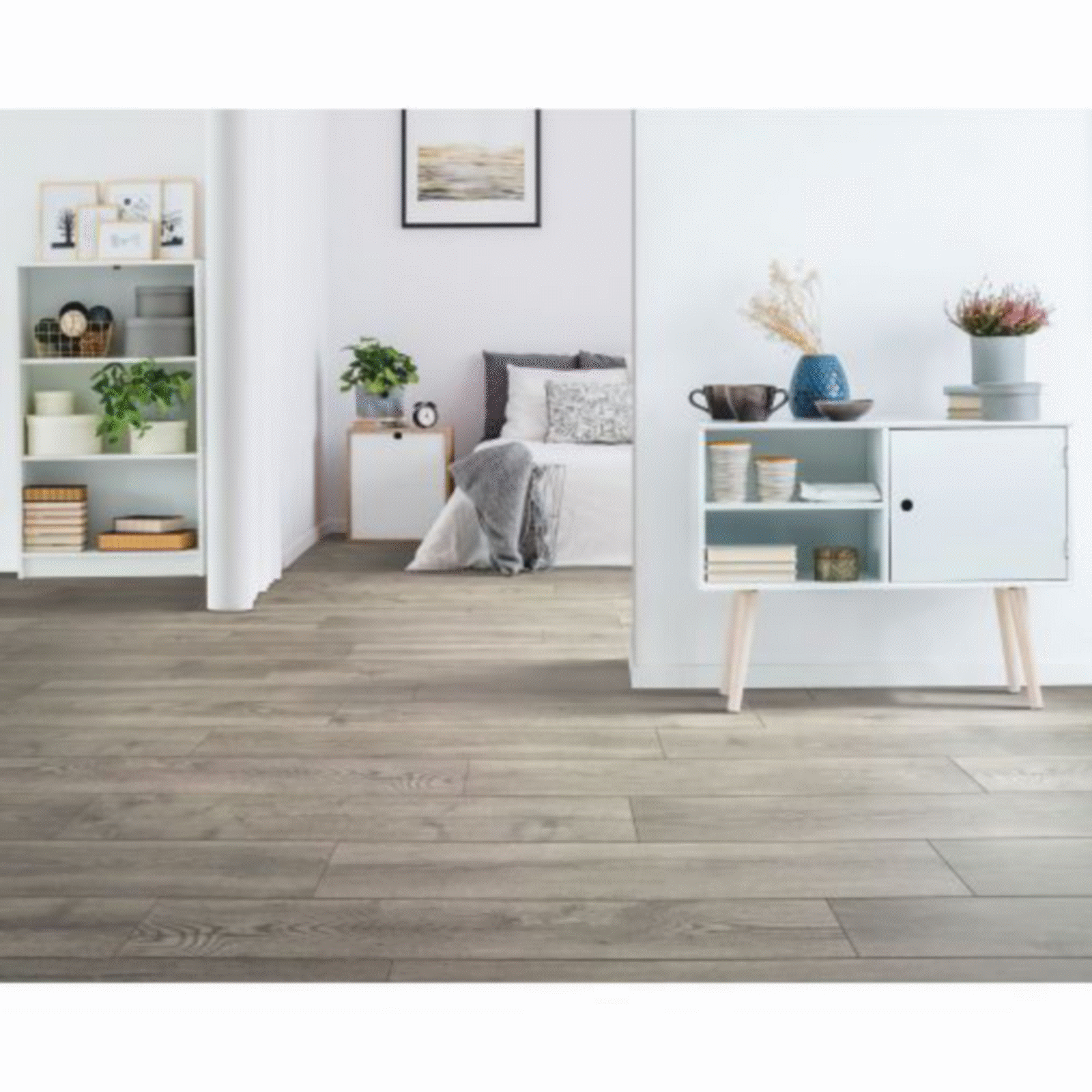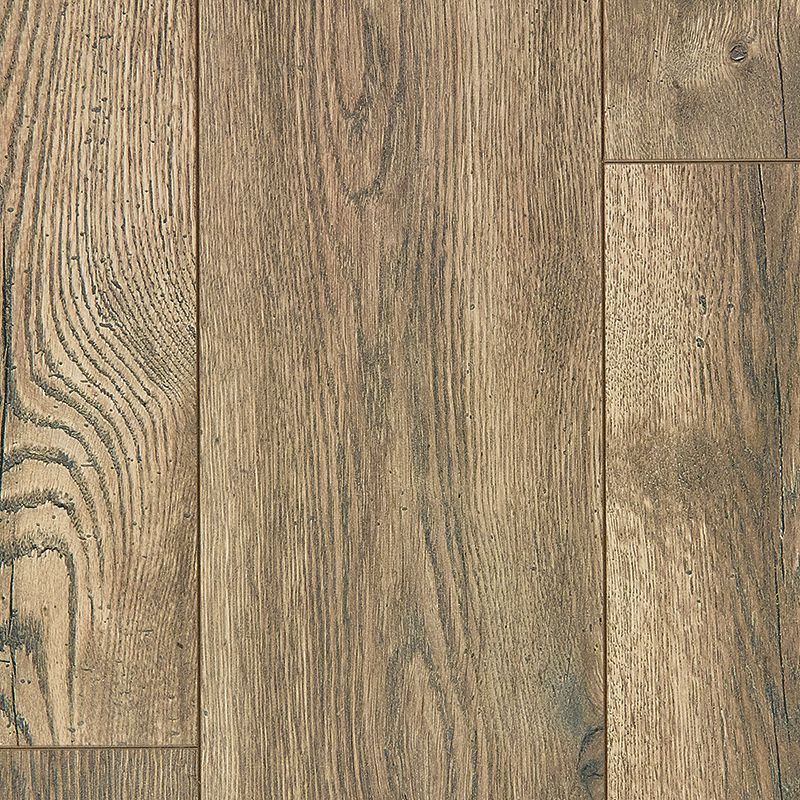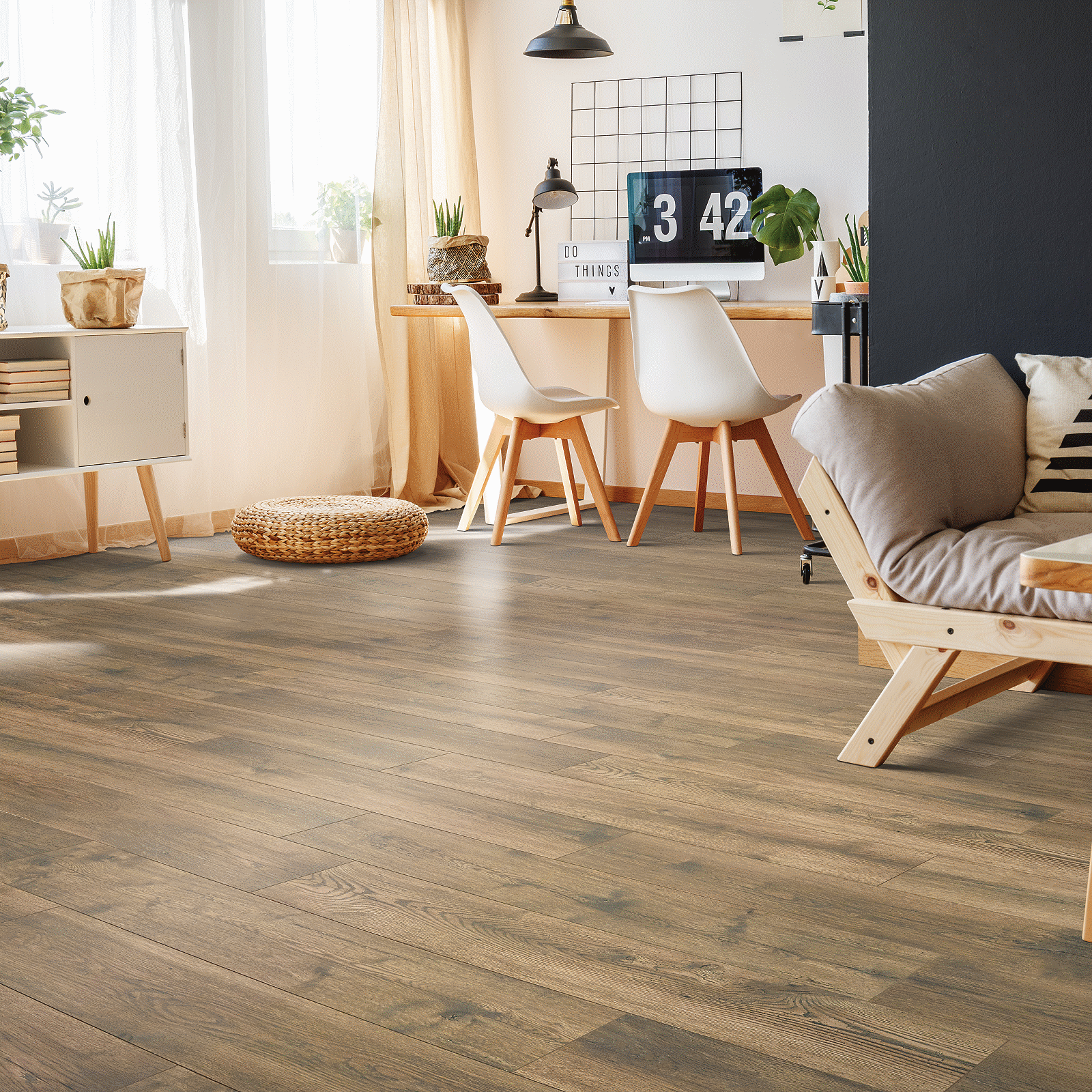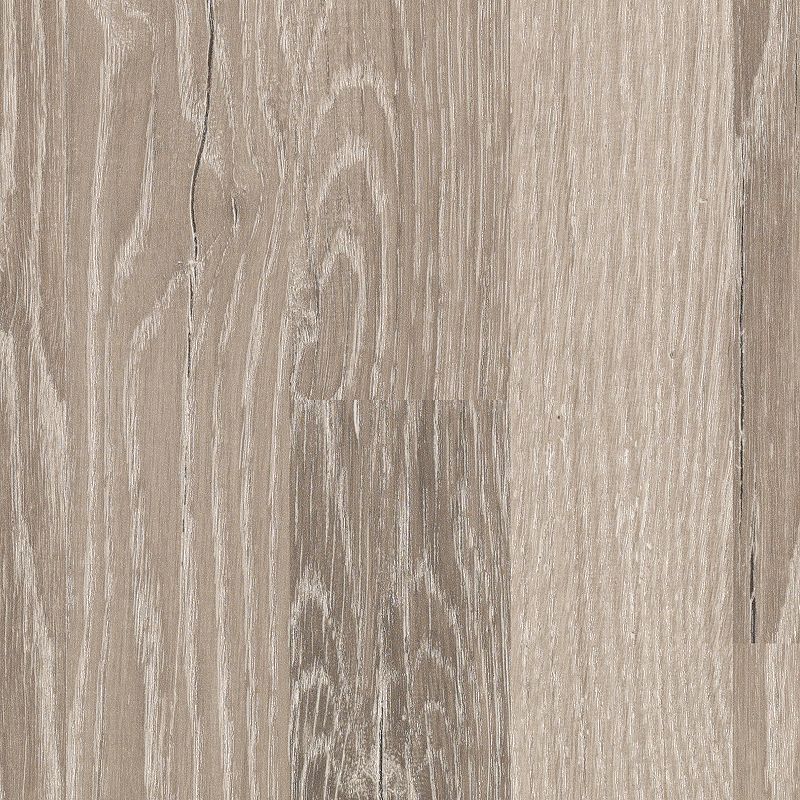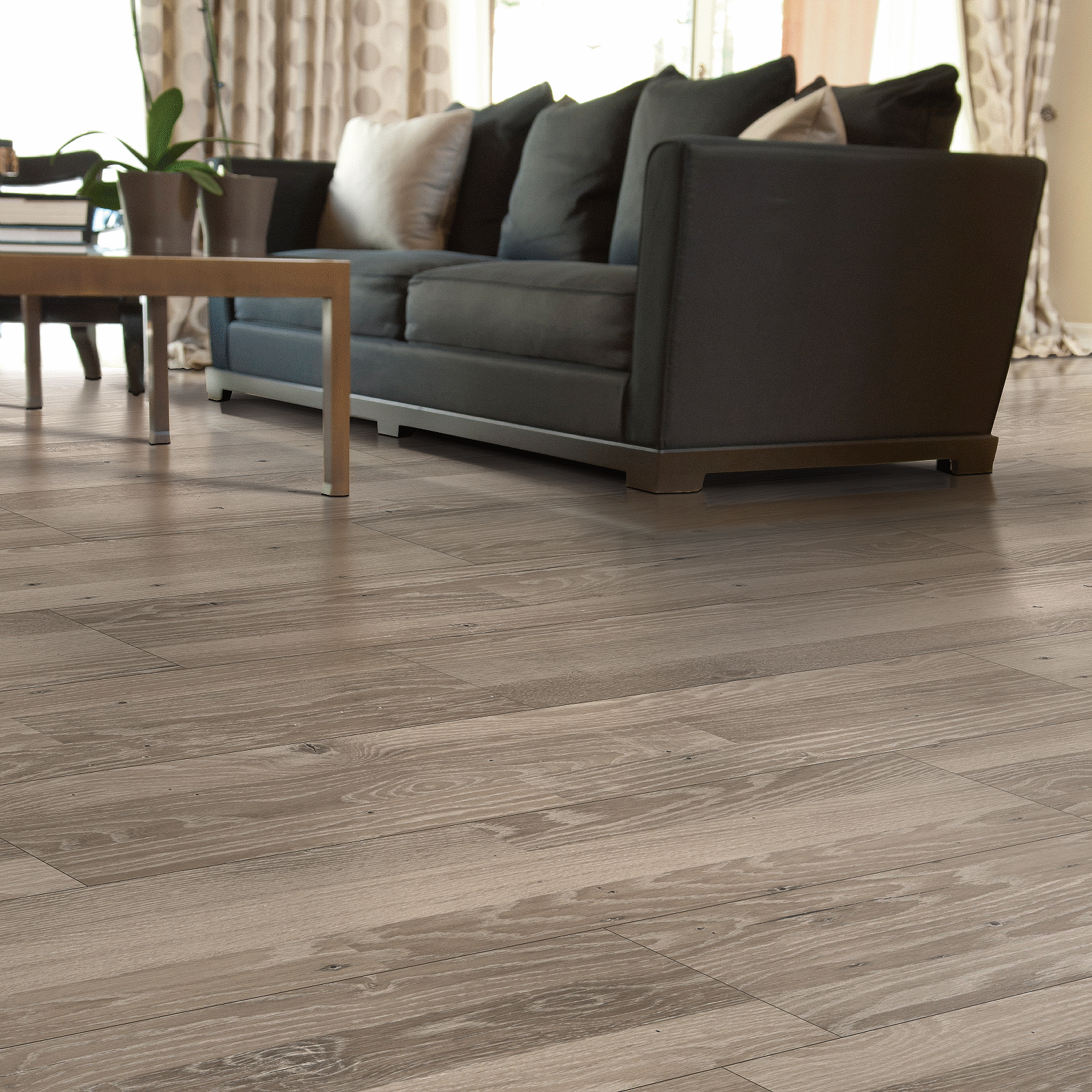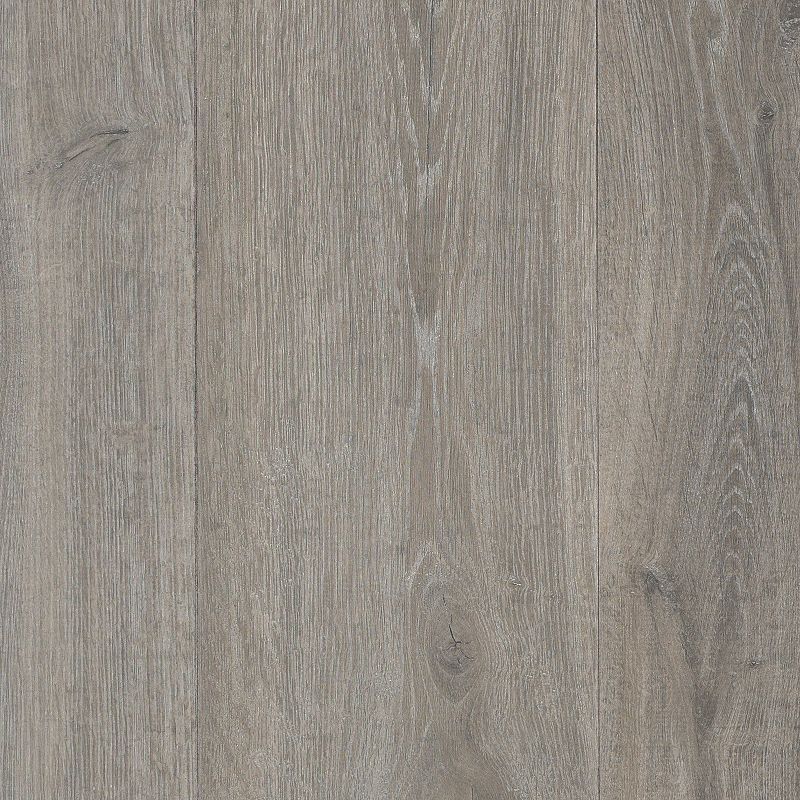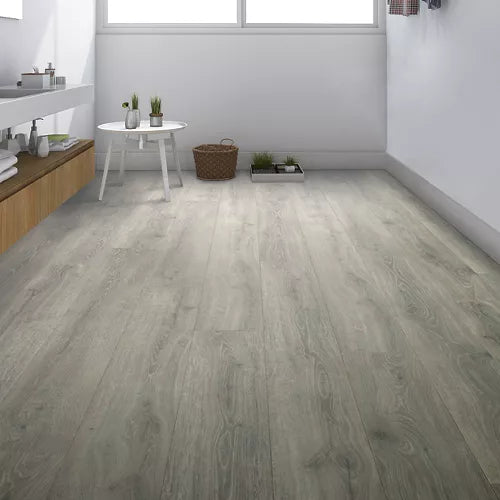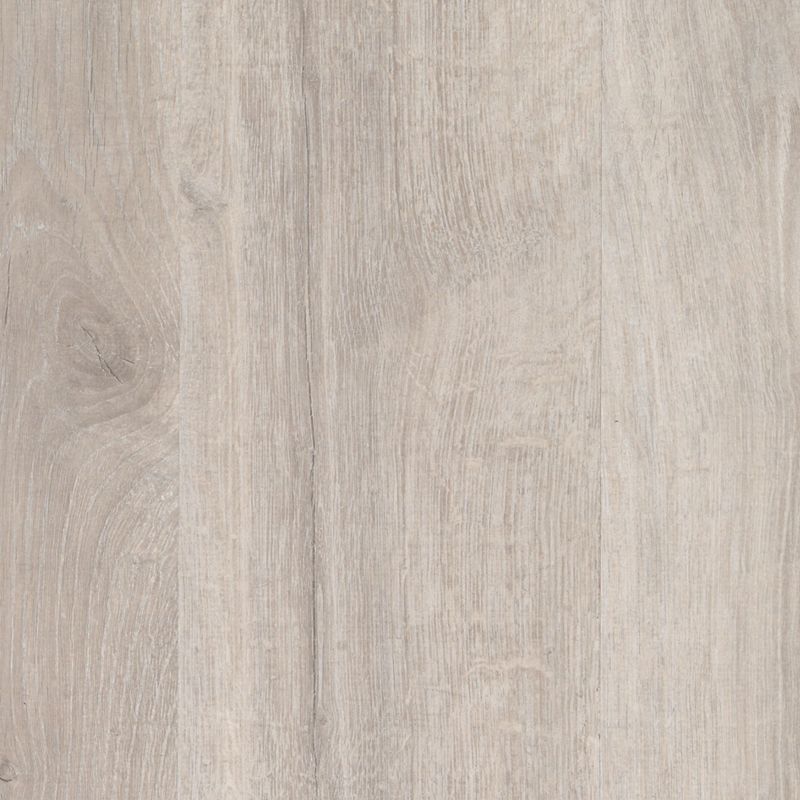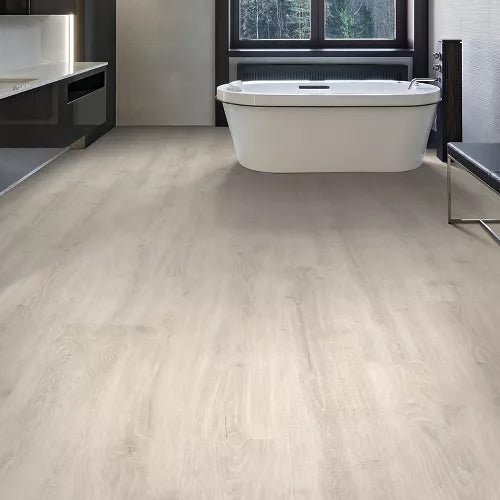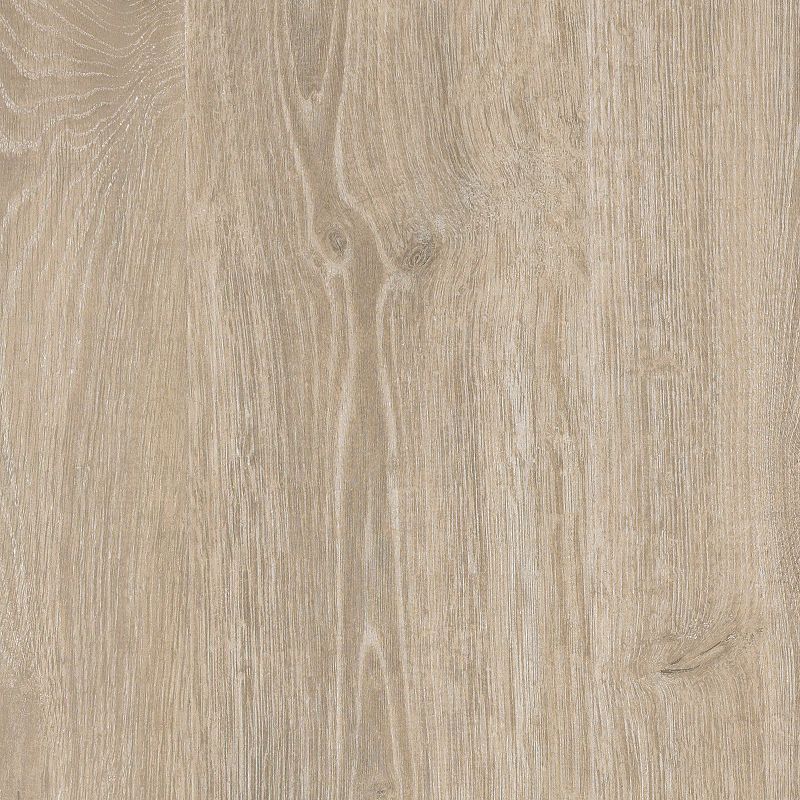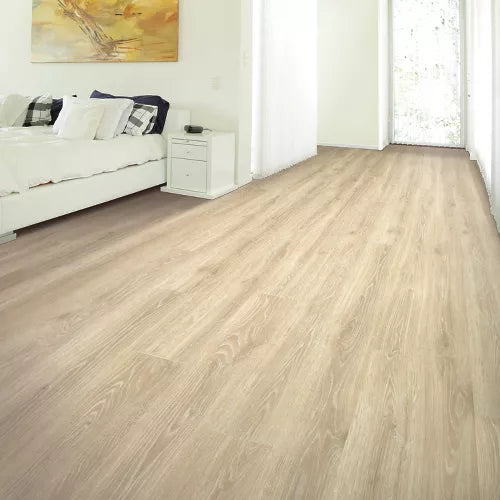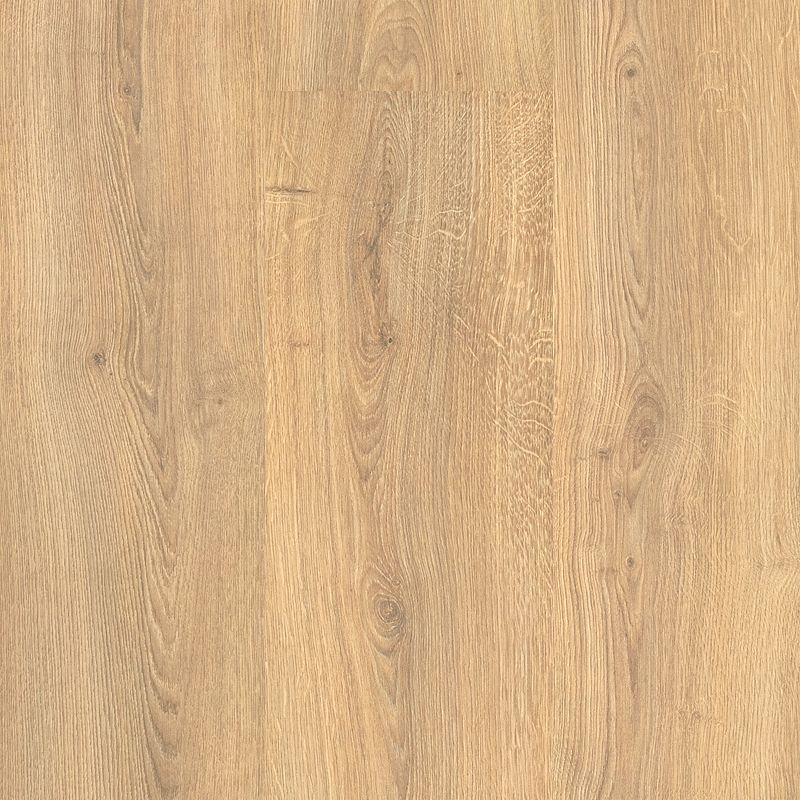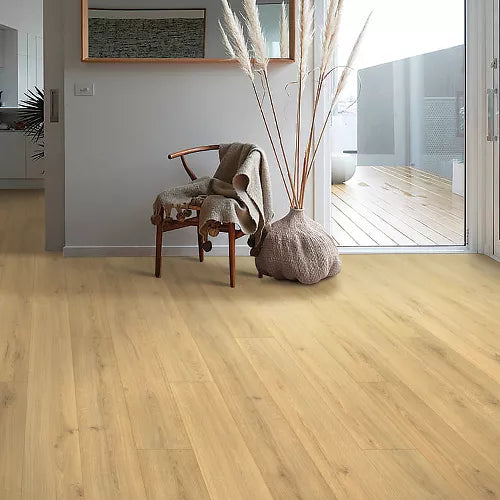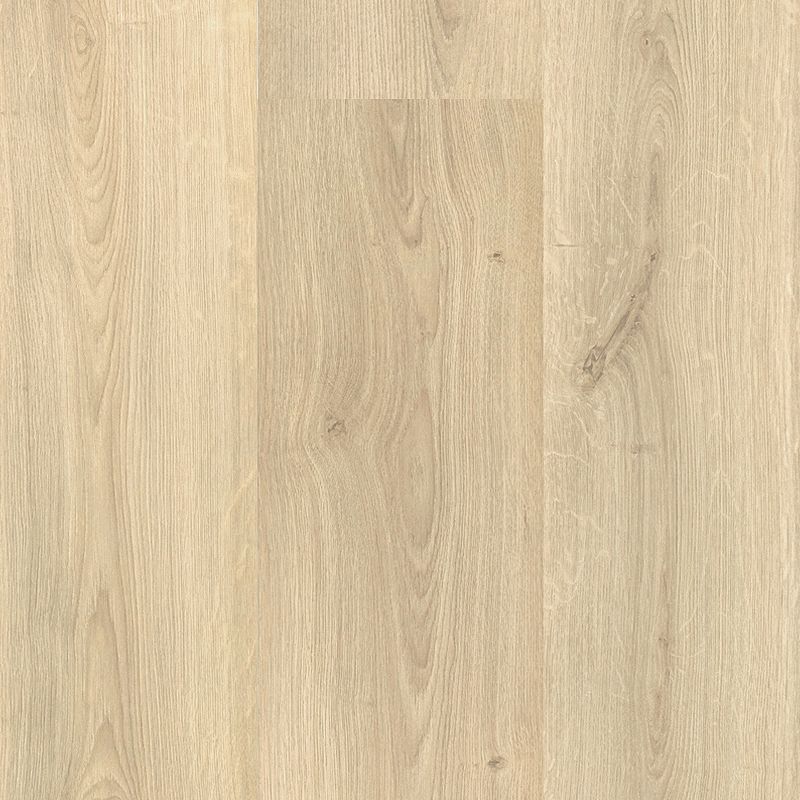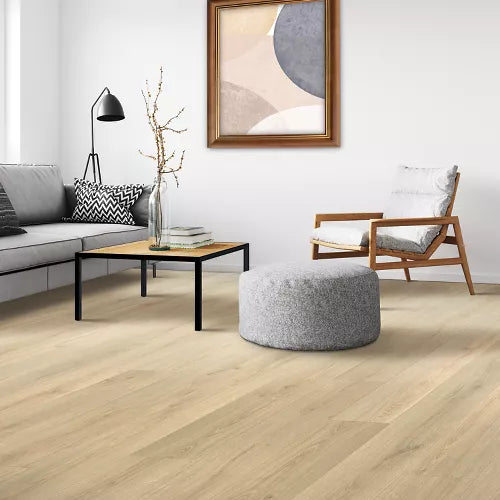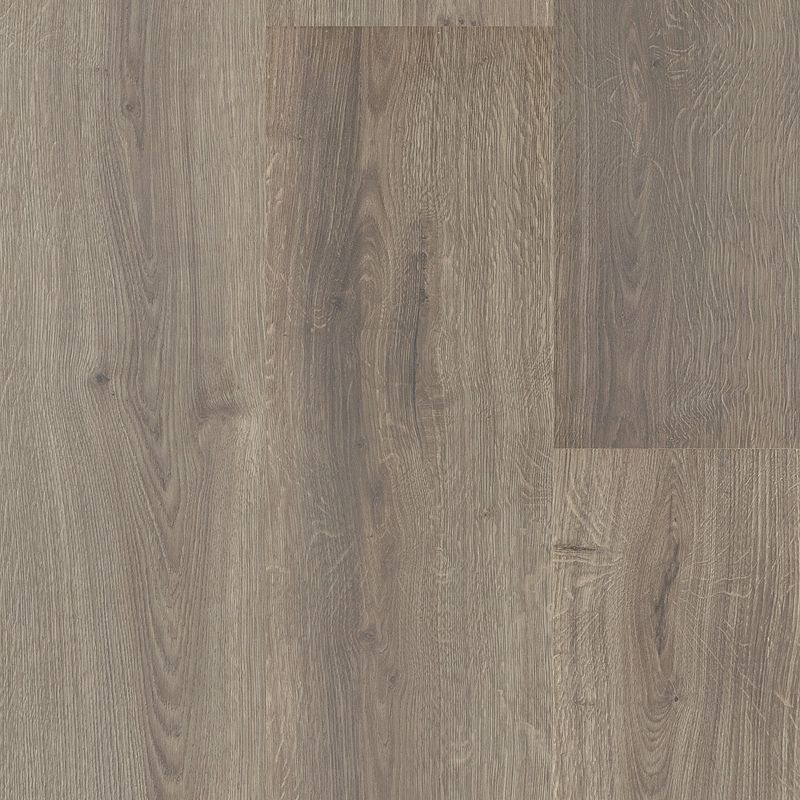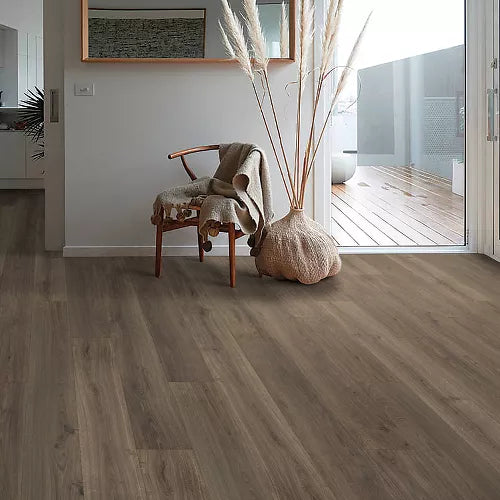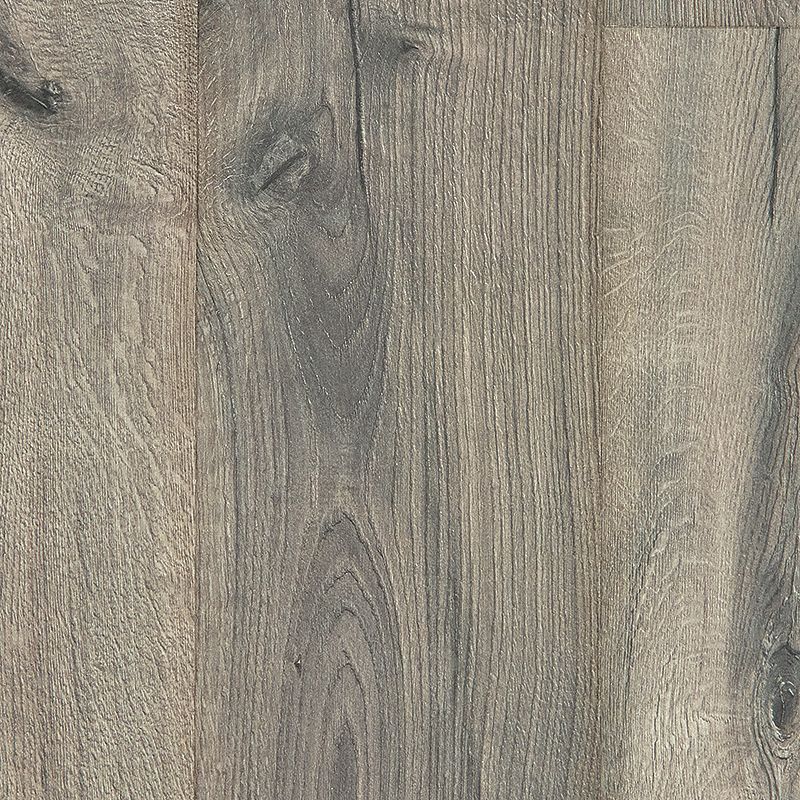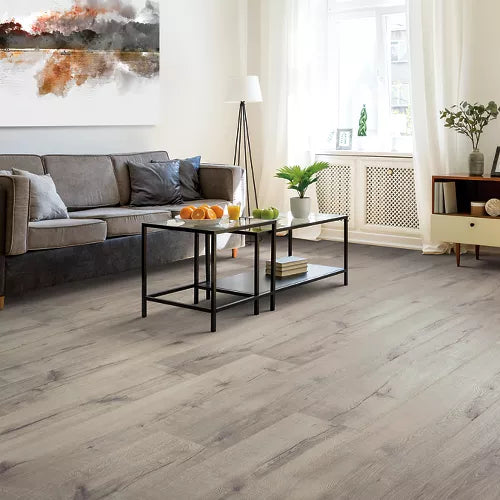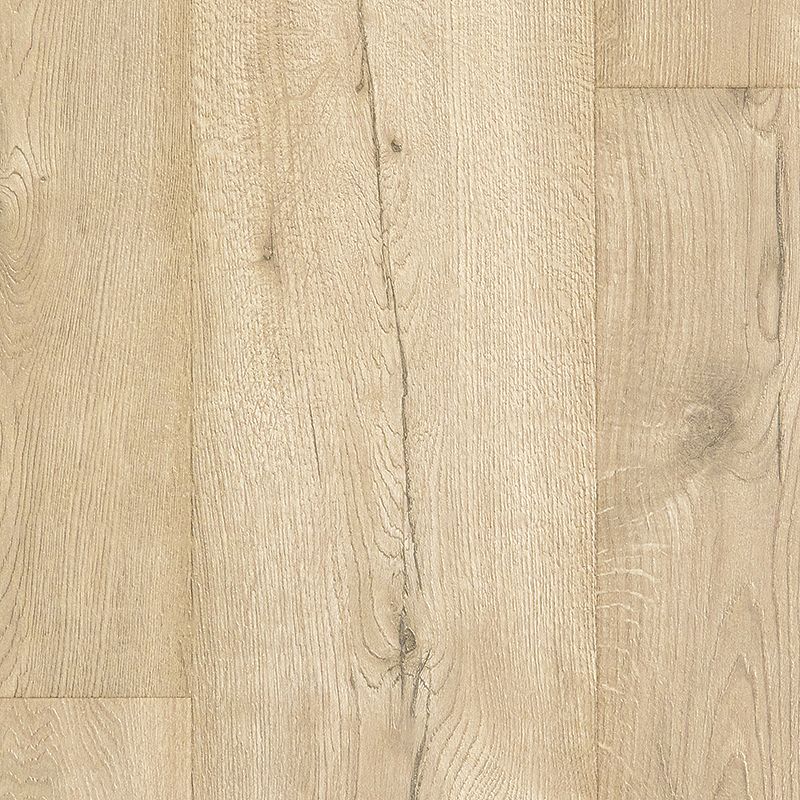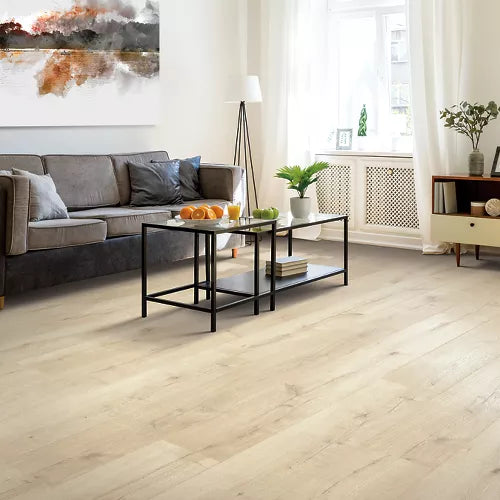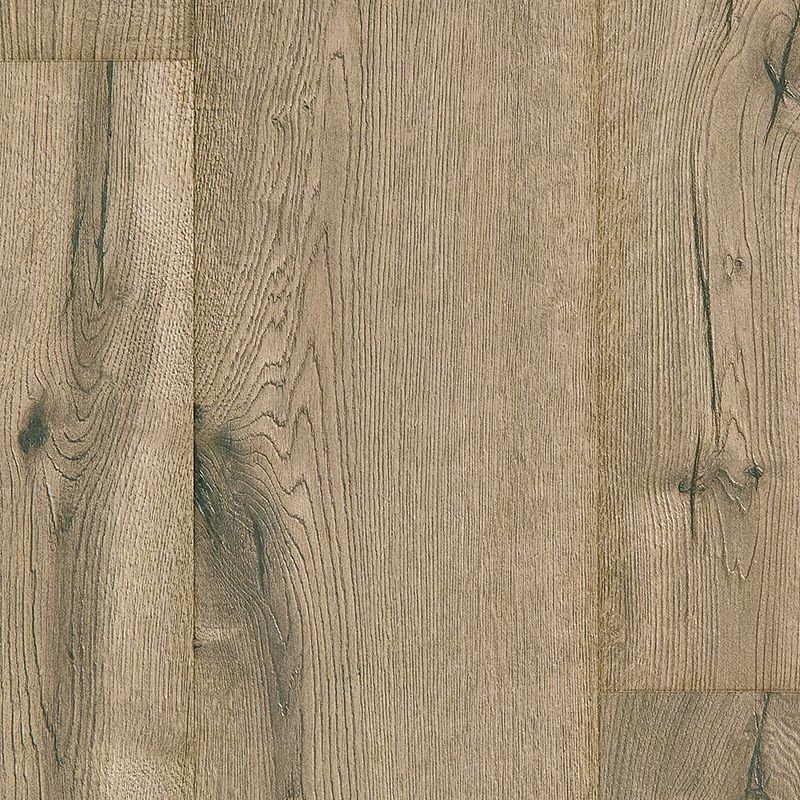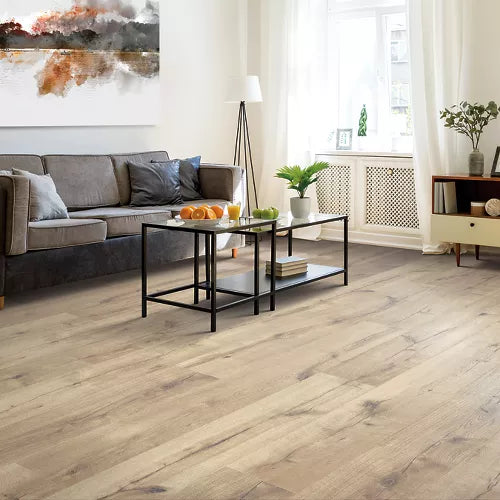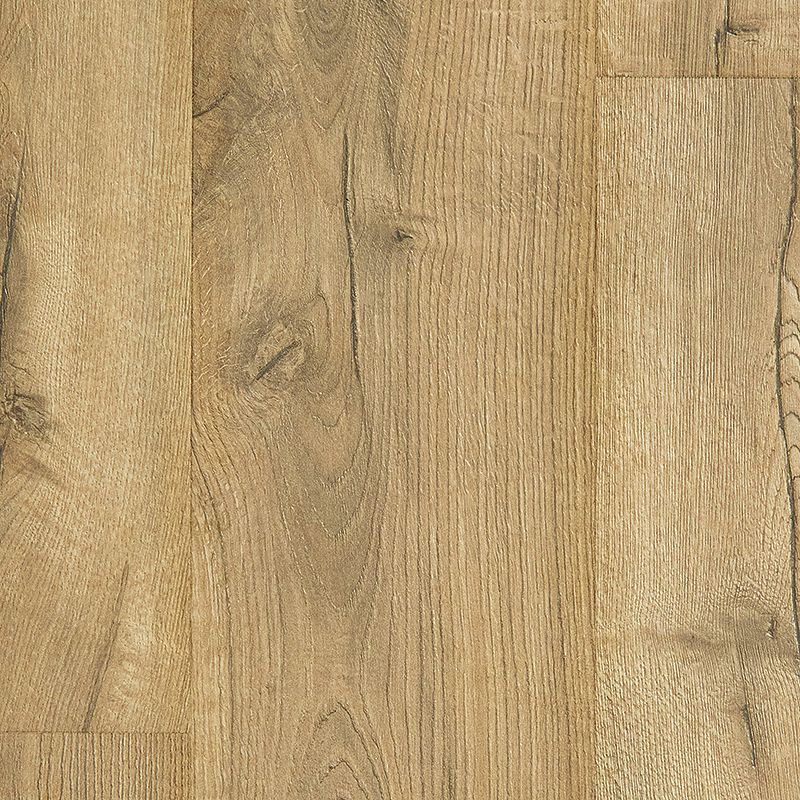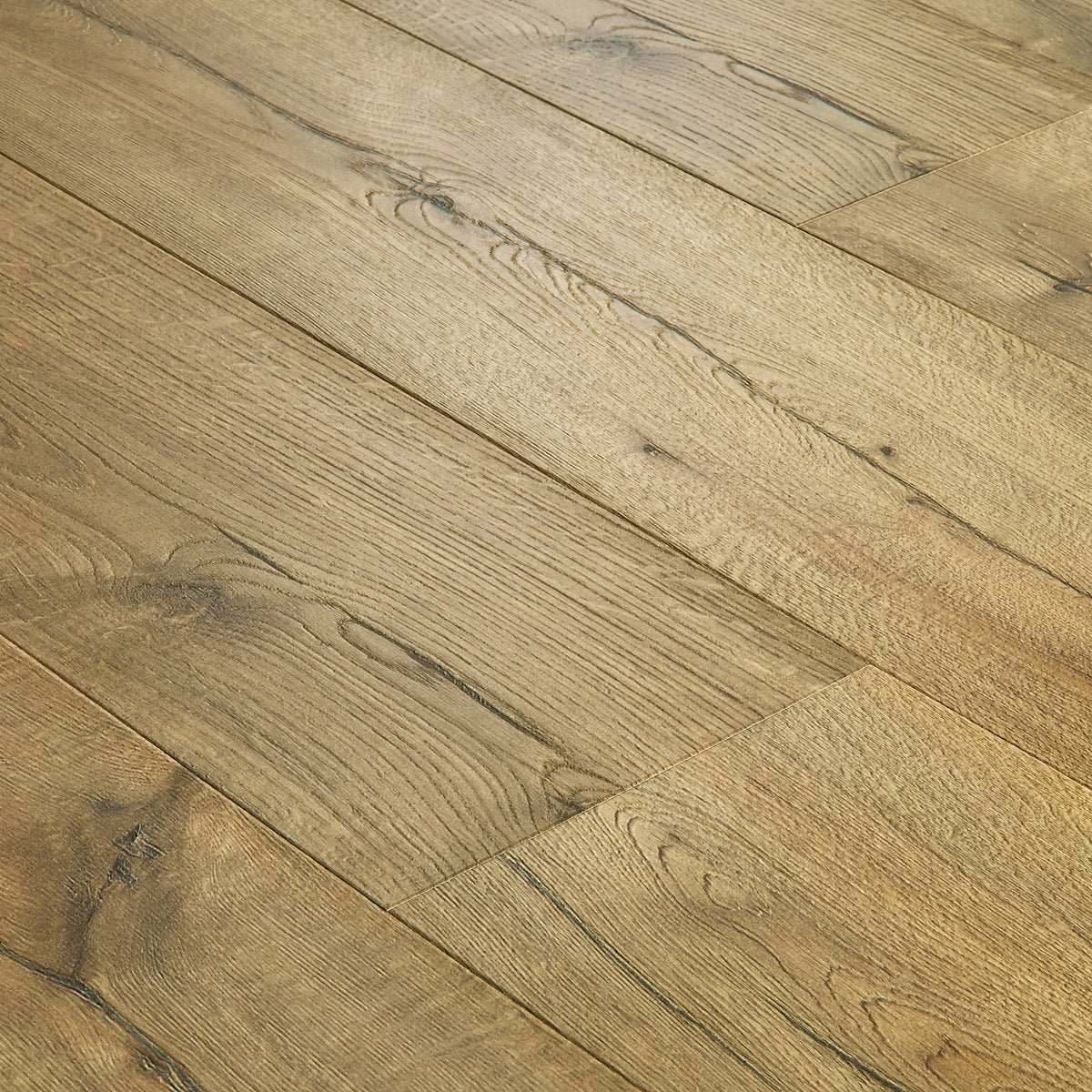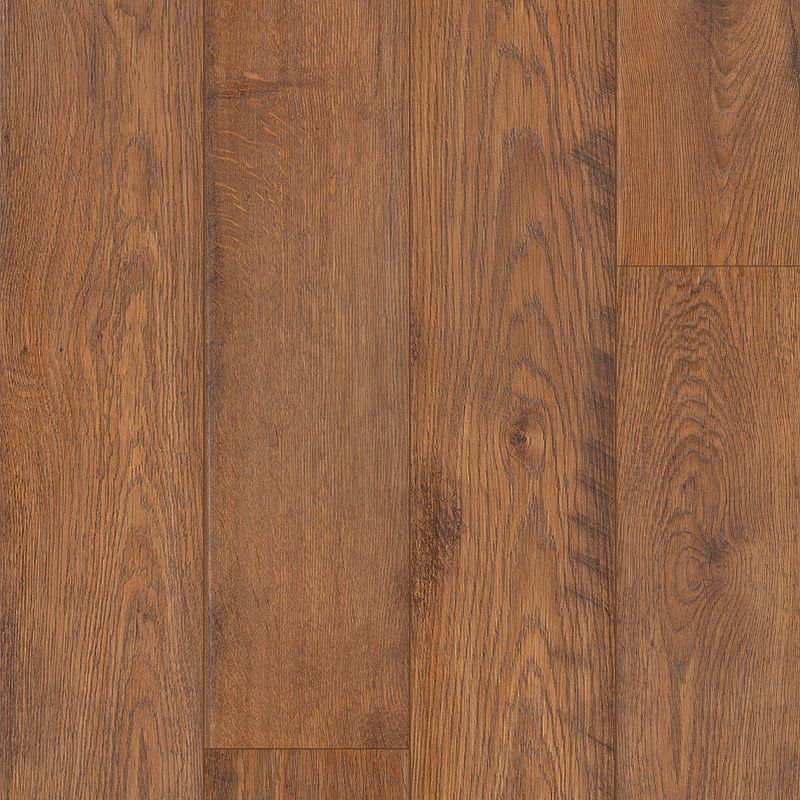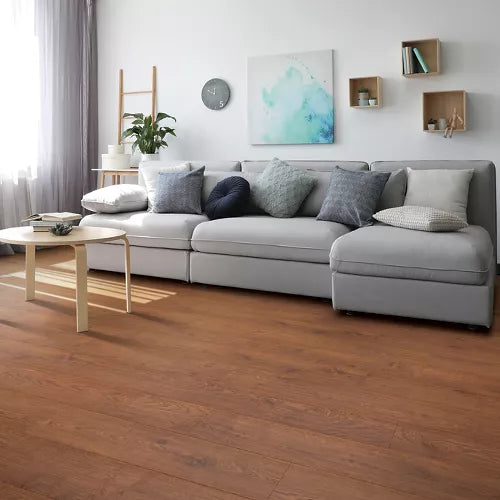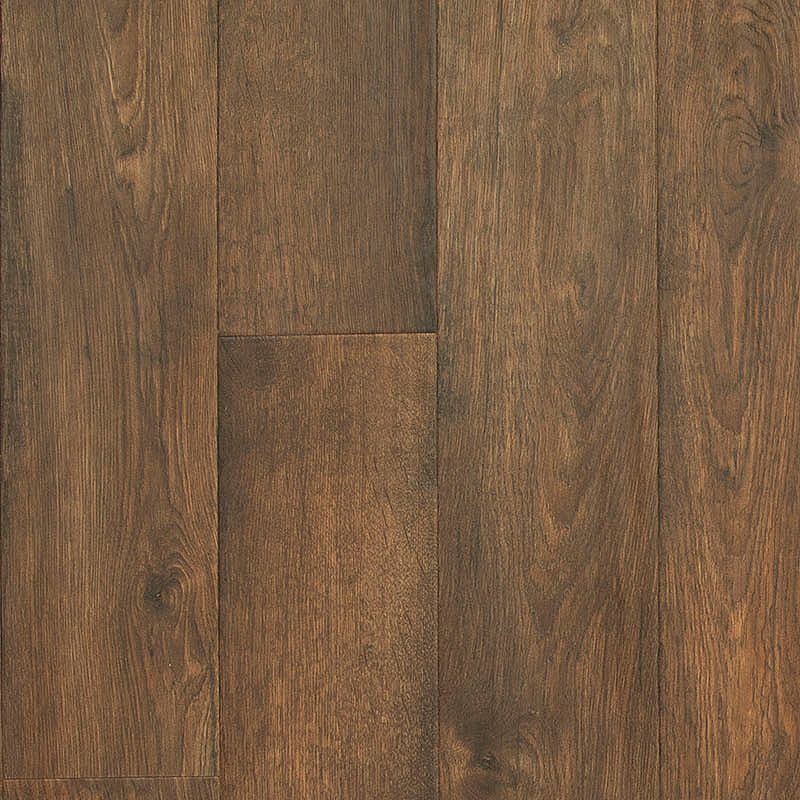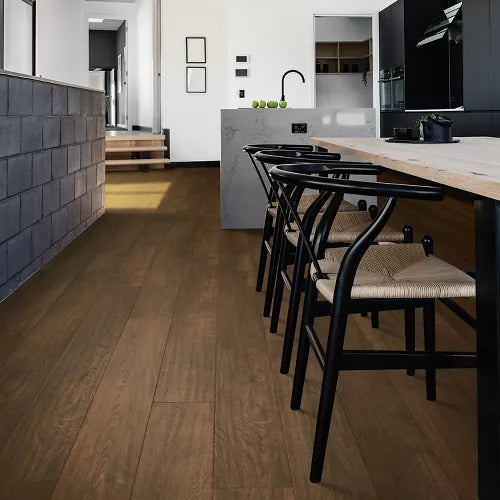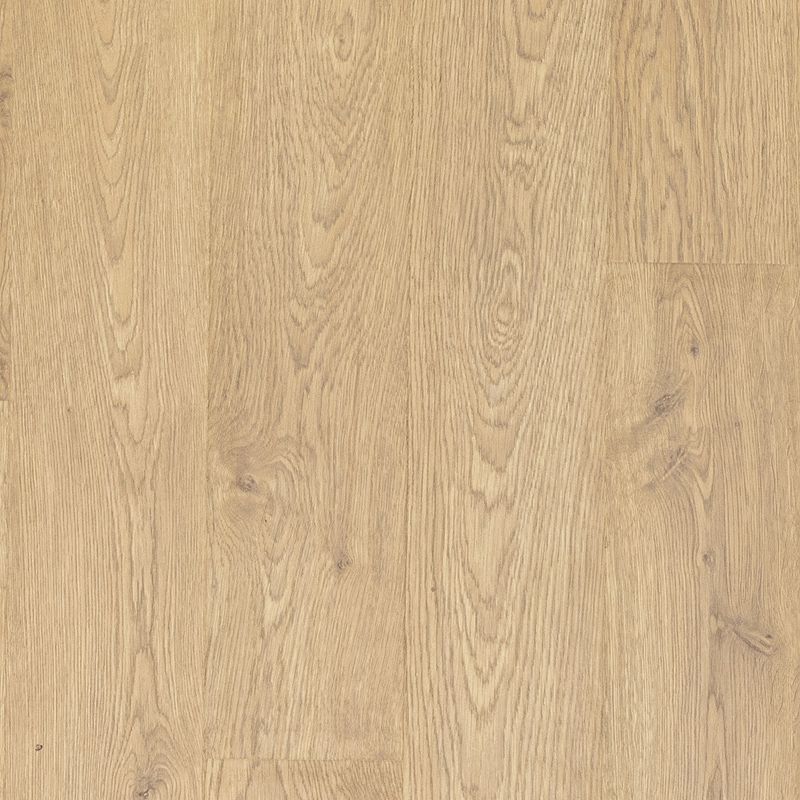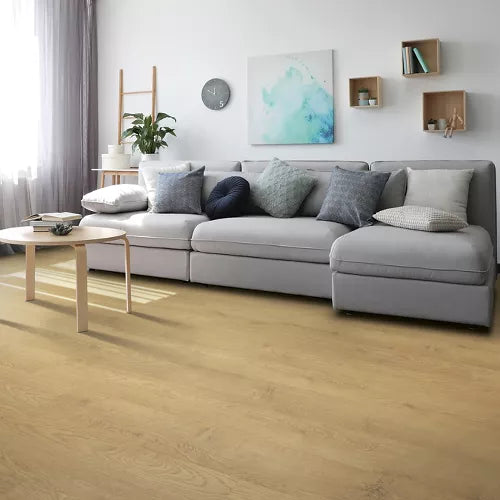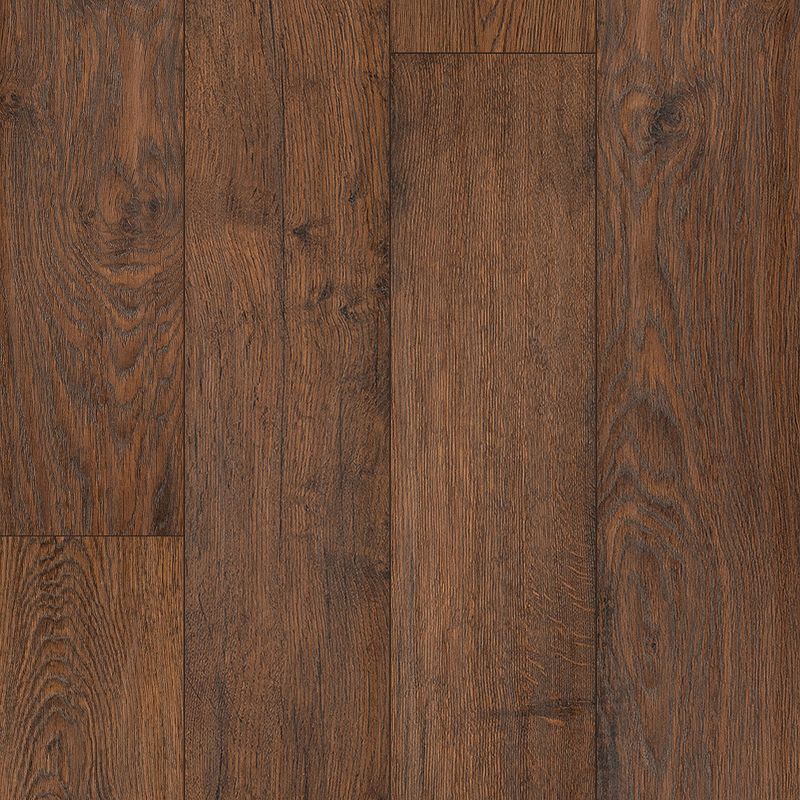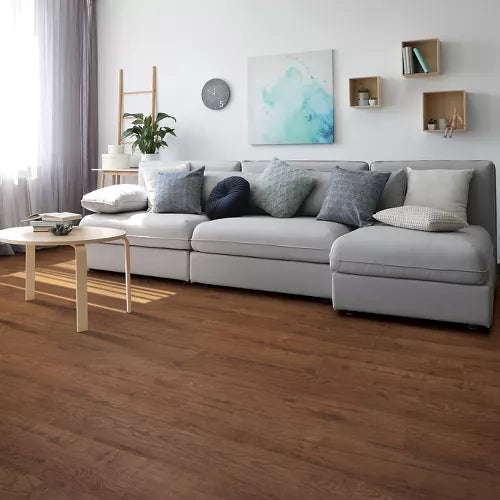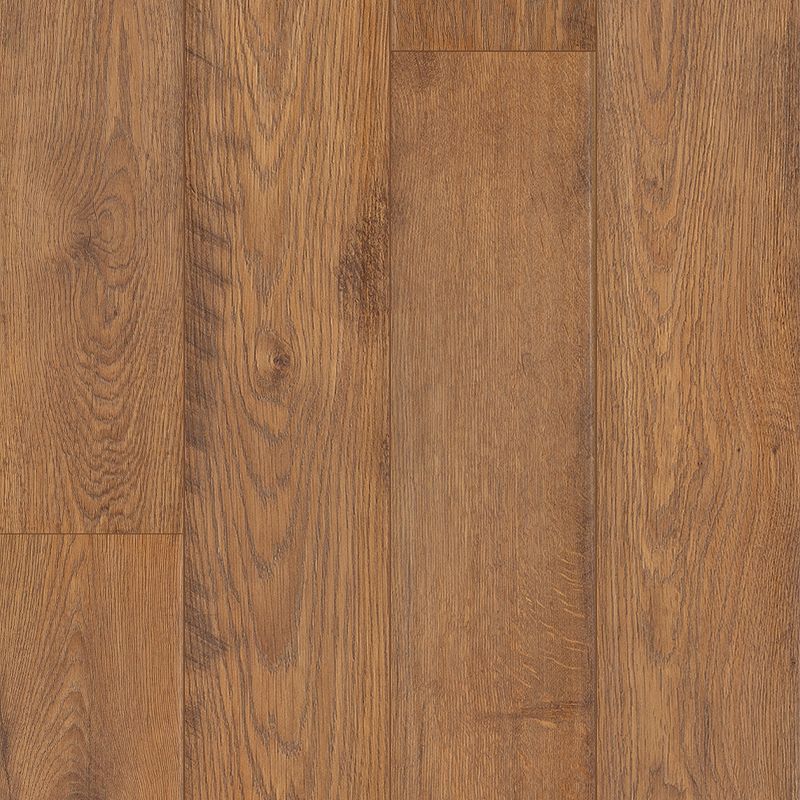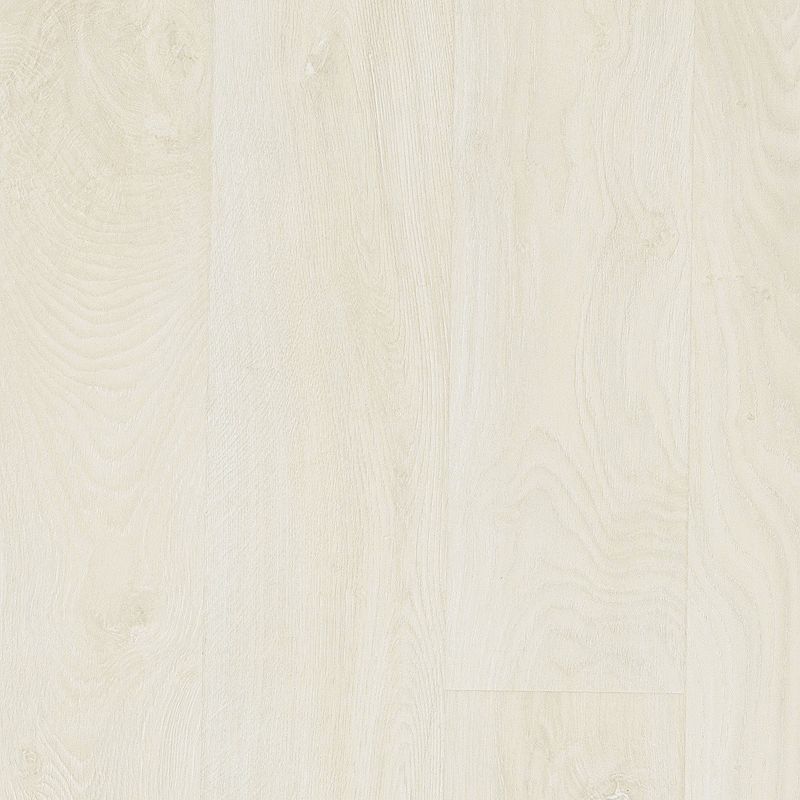

Laminate Flooring

Why Buy Laminate Wood Floors
There are several reasons to choose laminate flooring for your home or project:
-
Affordability: Laminate is generally less expensive than hardwood, making it a budget-friendly way to get an authentic wood look.
-
Durability: Laminate is built to resist scratches, dents, and everyday wear, so it holds up in high-traffic areas and homes with kids and pets.
-
Easy maintenance: No special products or techniques required. Sweep, vacuum, or damp-mop and you're done.
-
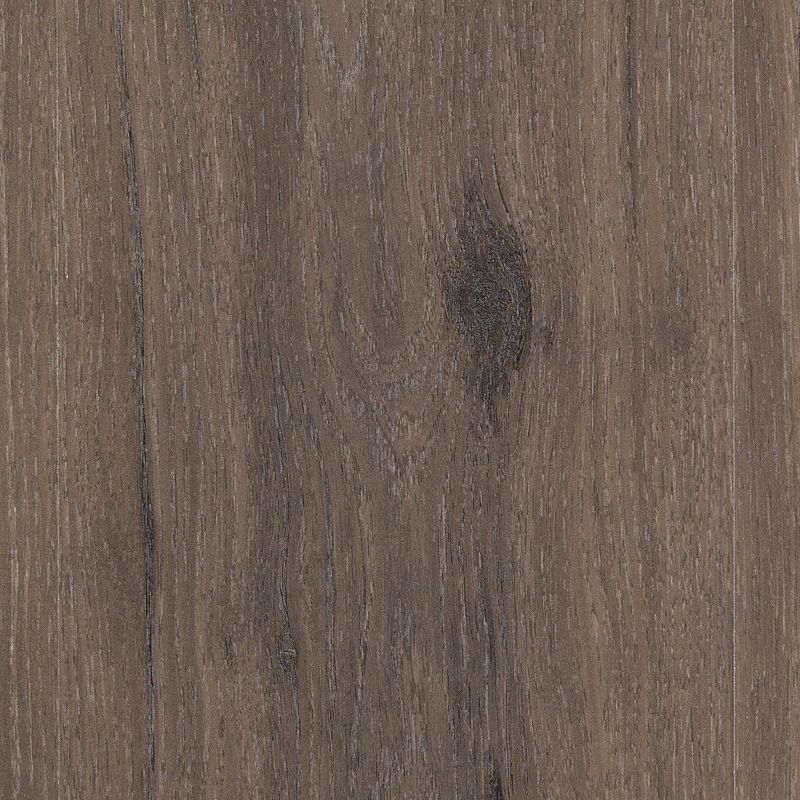
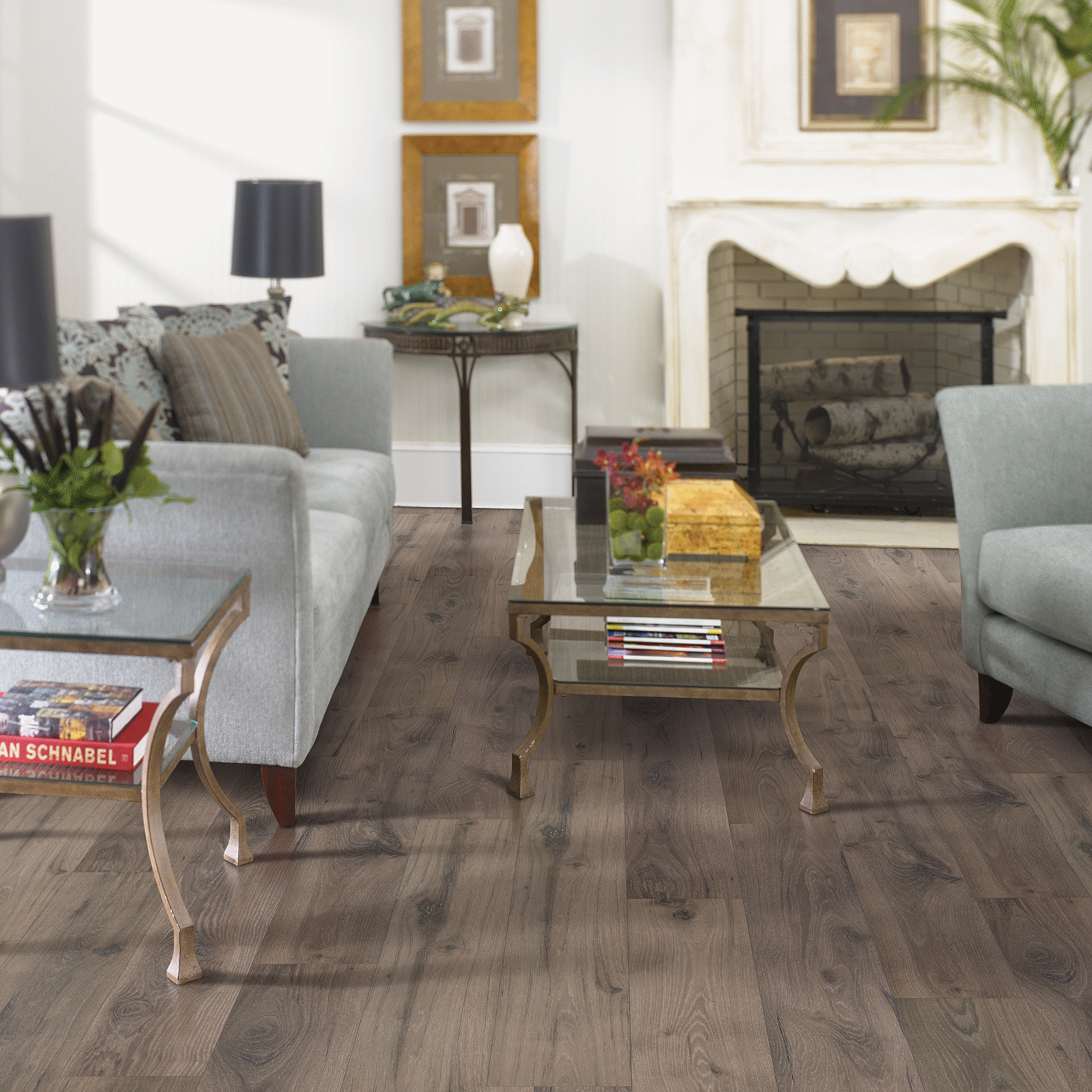
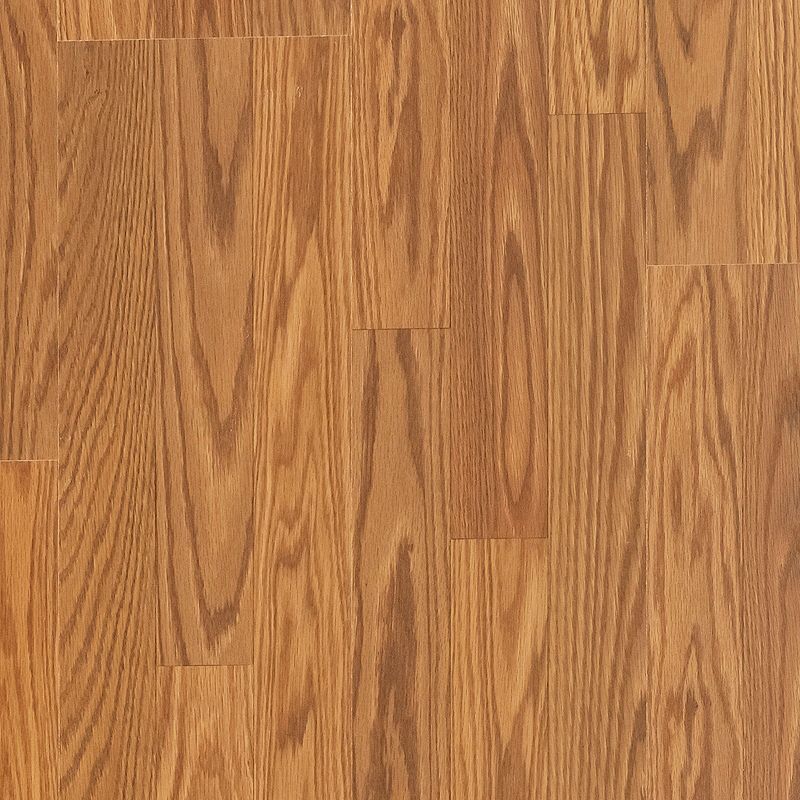
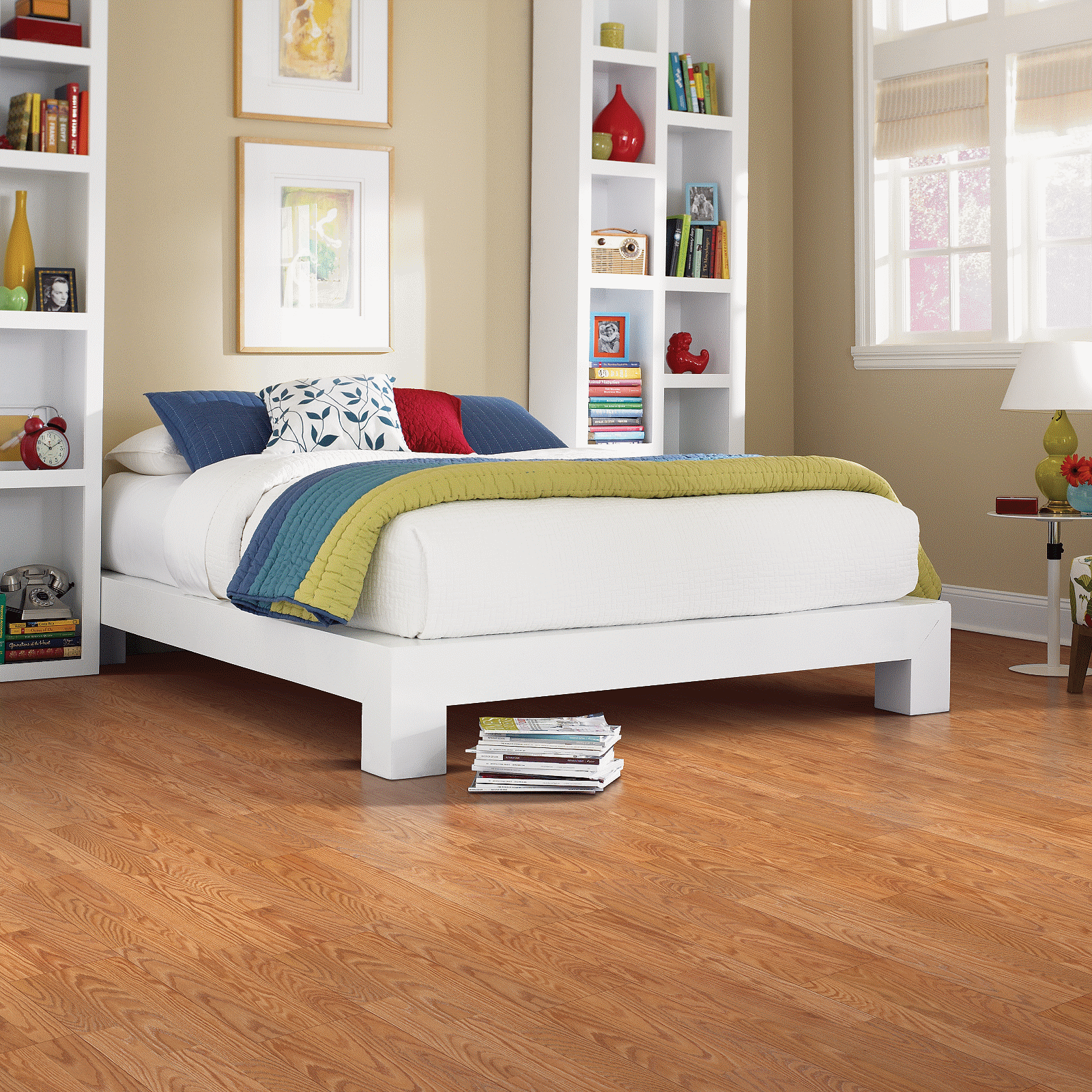
Versatility: Laminate comes in a wide range of styles, colors, and textures, from traditional oak looks to modern wide-plank designs.
-
DIY installation: Most laminate uses a click-lock system designed to be installed as a weekend project, saving you on labor costs.
Laminate gives you the warmth and realism of hardwood with the practicality and price of a synthetic floor. That combination is why it remains one of the most popular flooring choices for homeowners and commercial contractors alike.
Top Laminate Flooring Brands
Floor City carries laminate from the industry's most trusted names. Compare styles and prices across our most popular collections:
- Mohawk Revwood offers realistic wood visuals with strong scratch and dent resistance, including waterproof options.
- Pergo is the brand that pioneered laminate, known for durable, spill-protected wood looks.
- Shaw brings a wide selection of styles and finishes from one of the largest flooring manufacturers in the world.
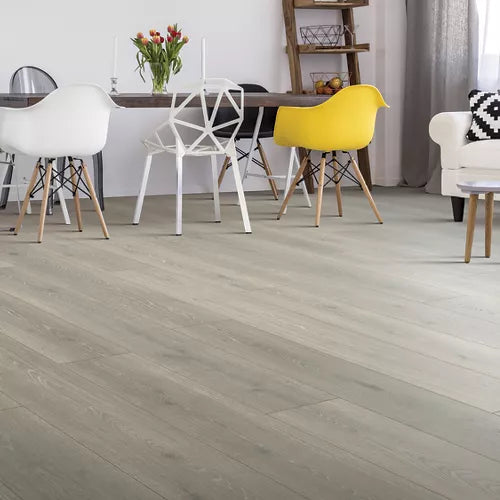
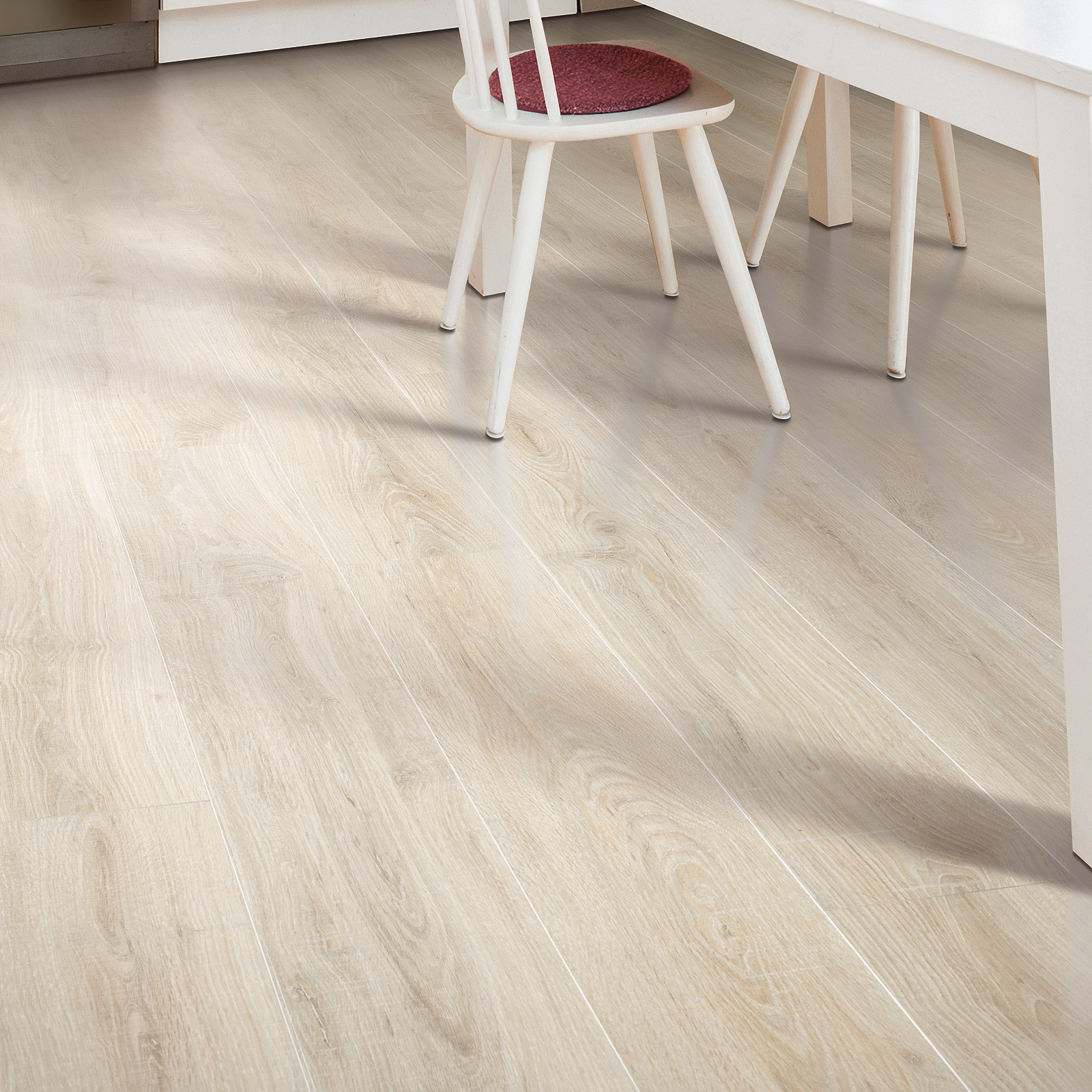
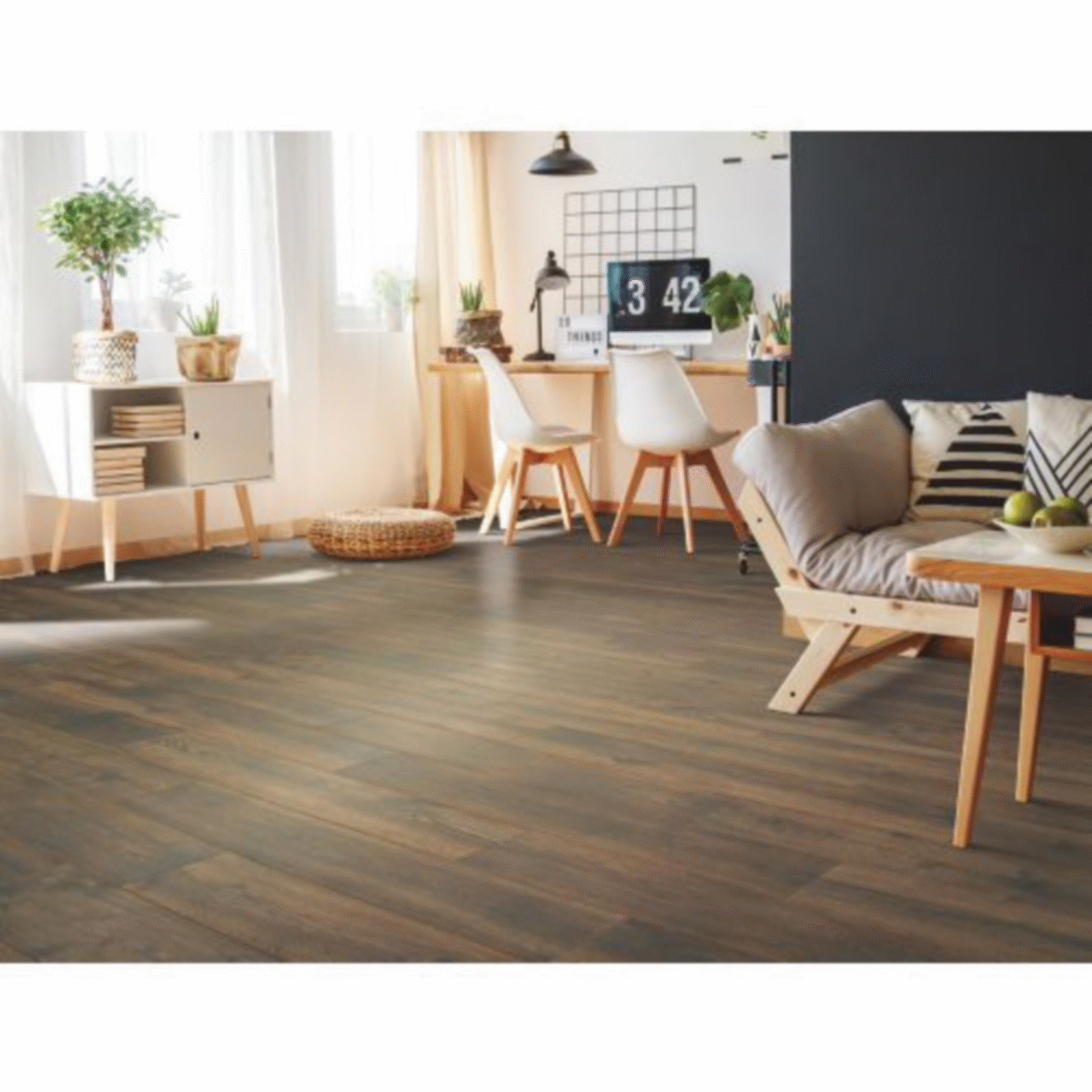
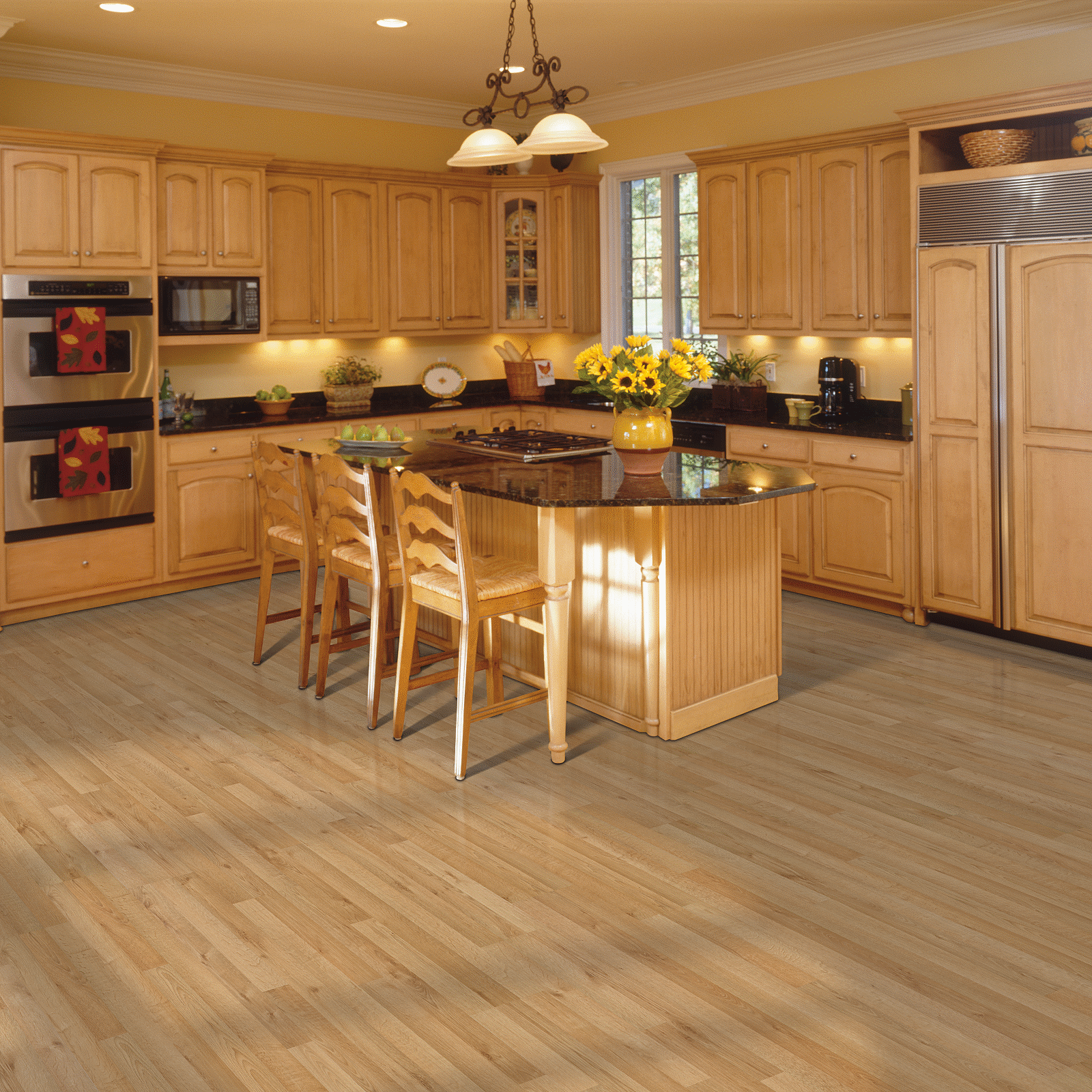
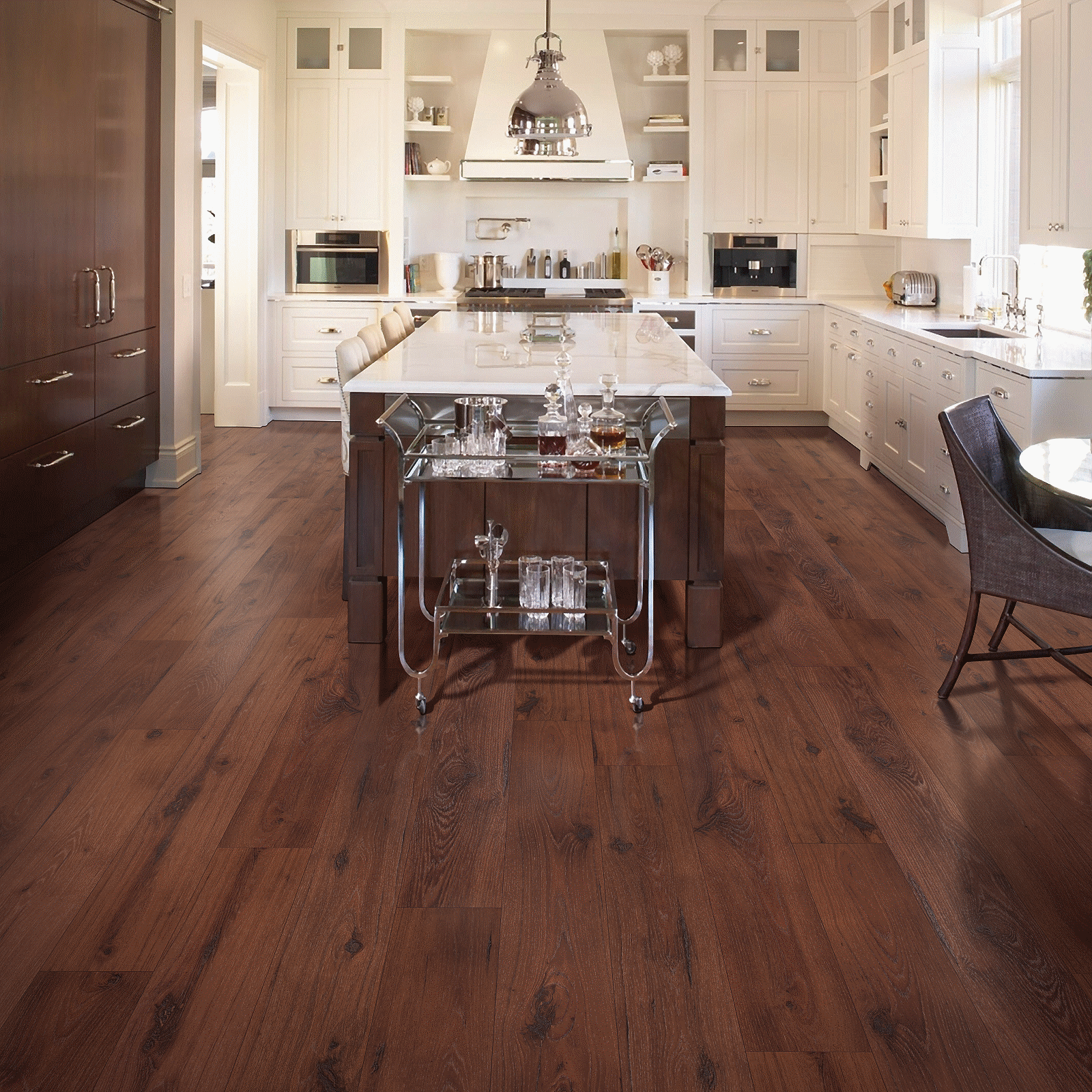
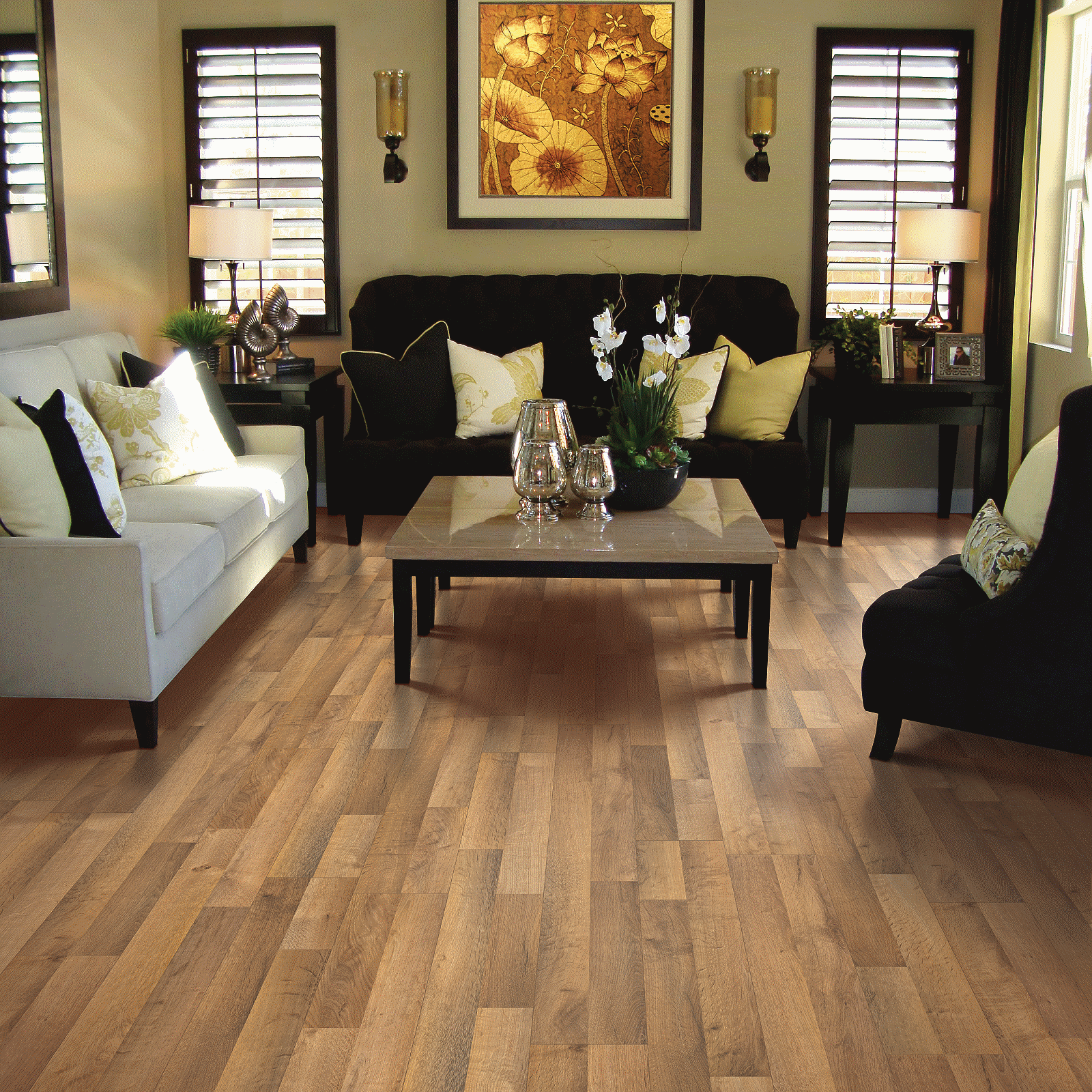
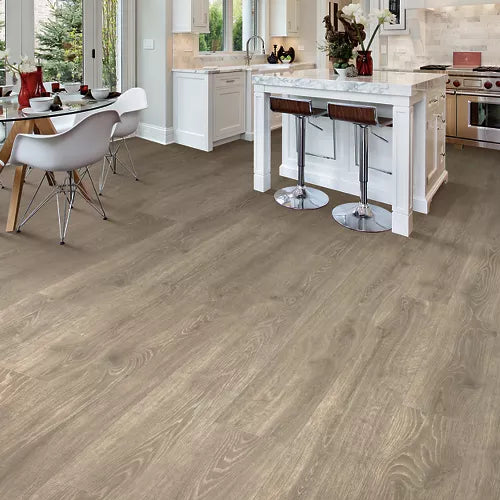
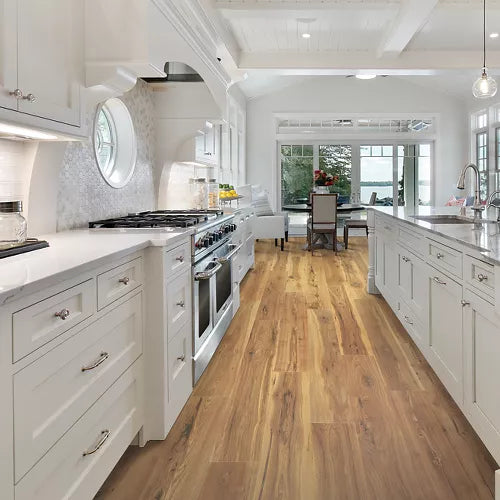
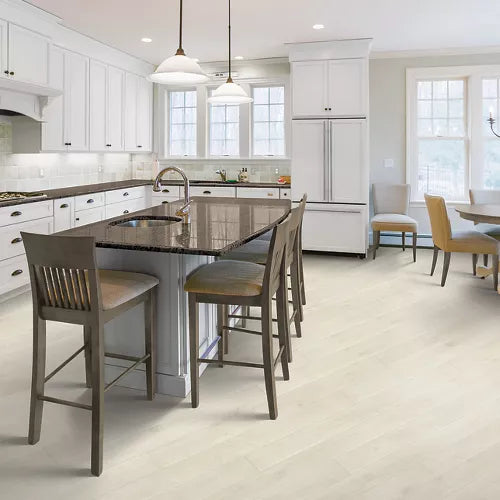
Bedroom, Living Room, Dining Area, Kitchen
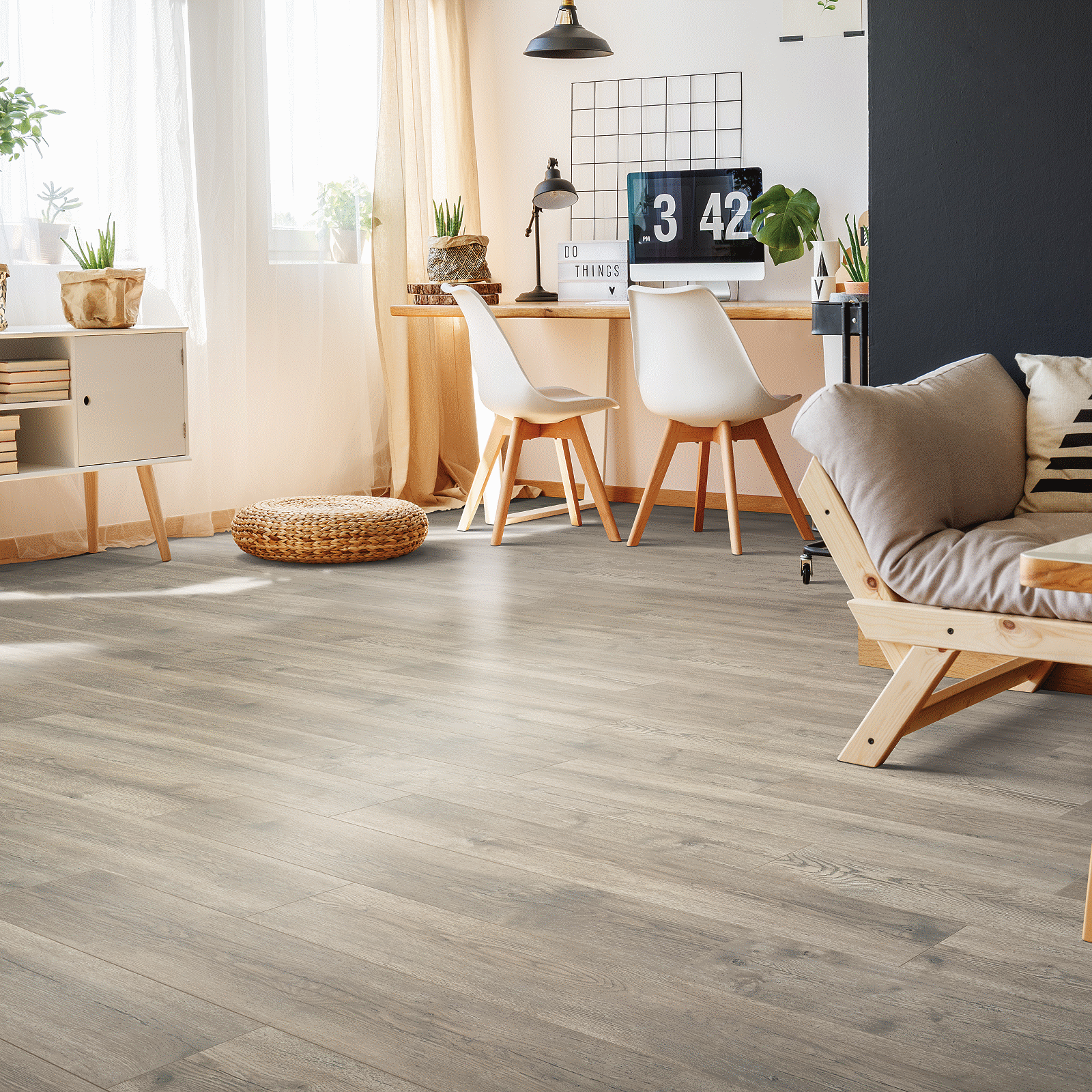
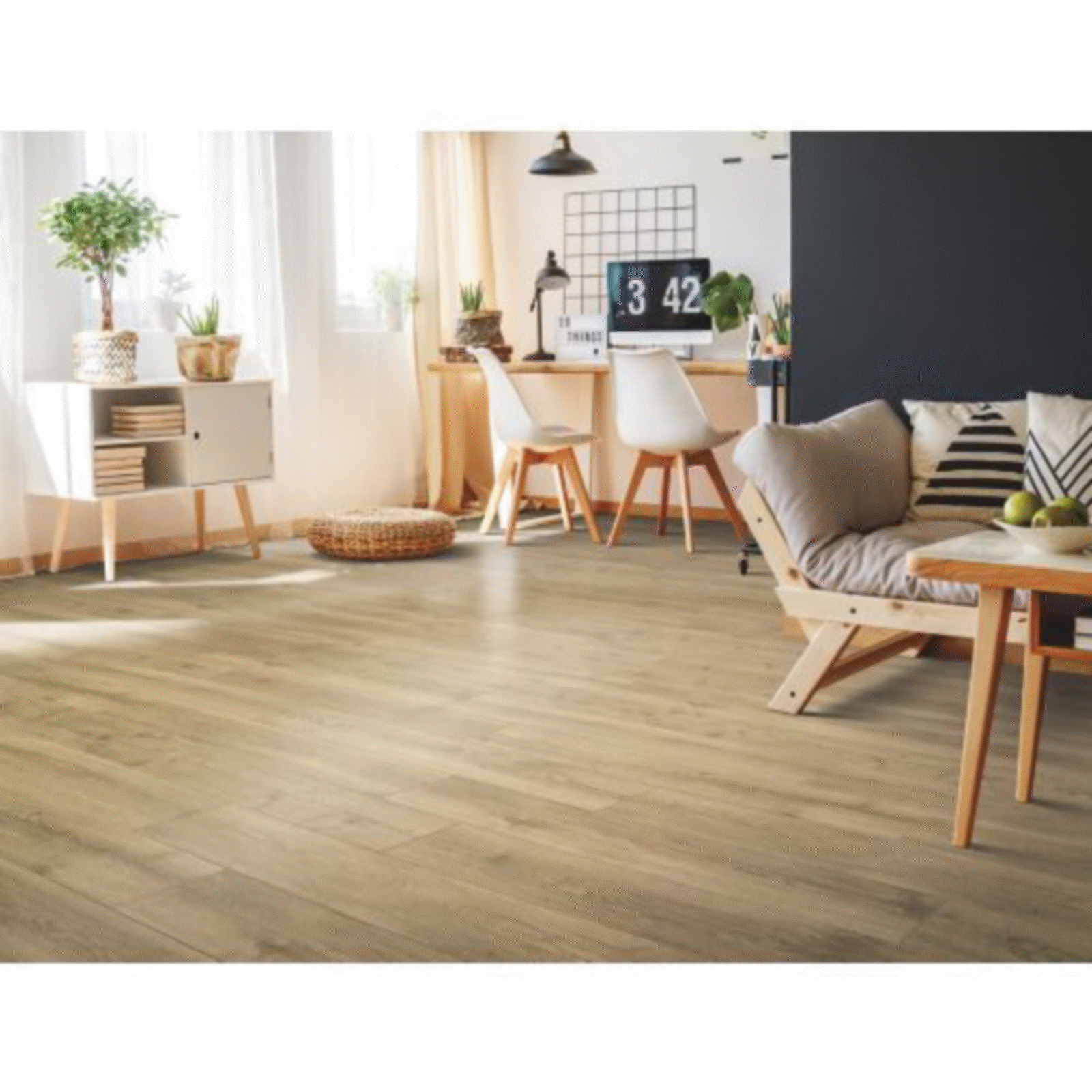
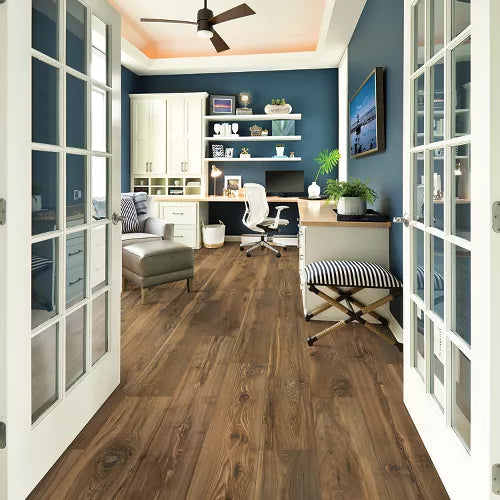
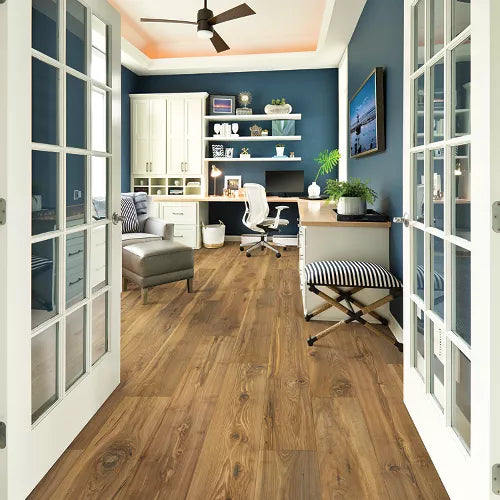
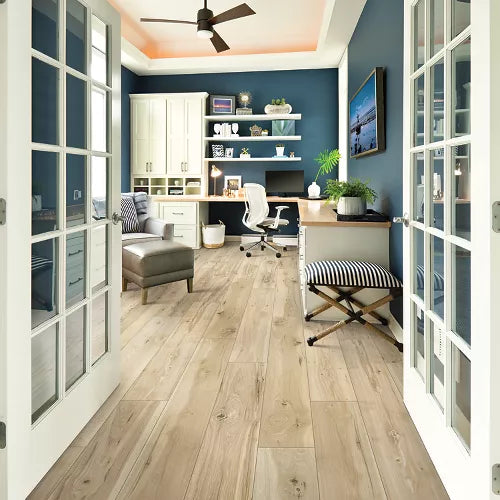
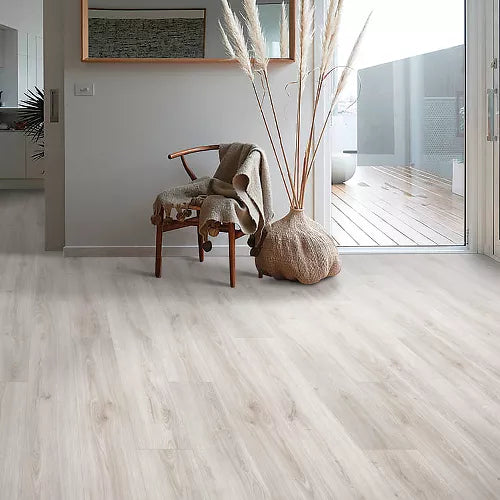
Laminate can go in just about any room or level in your home. If your space sees moisture, look at waterproof laminate lines. These add a protective layer engineered to resist the buckling, swelling, and warping that affects ordinary laminate when exposed to water.
Residential Laminate Flooring
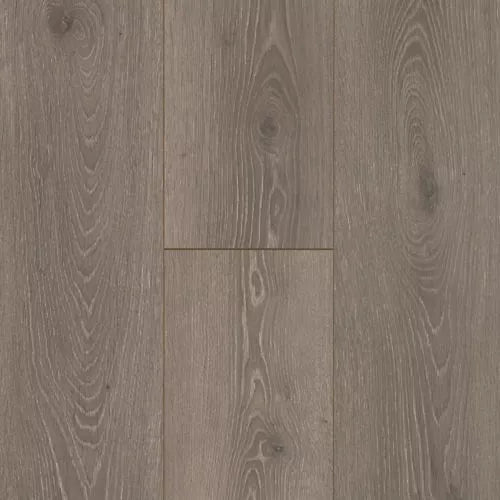
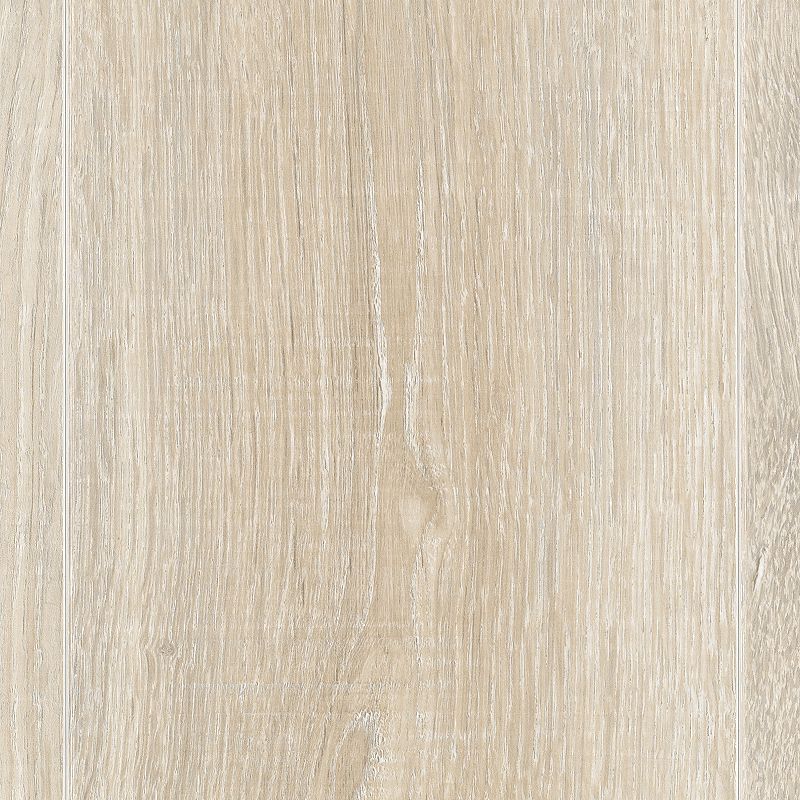
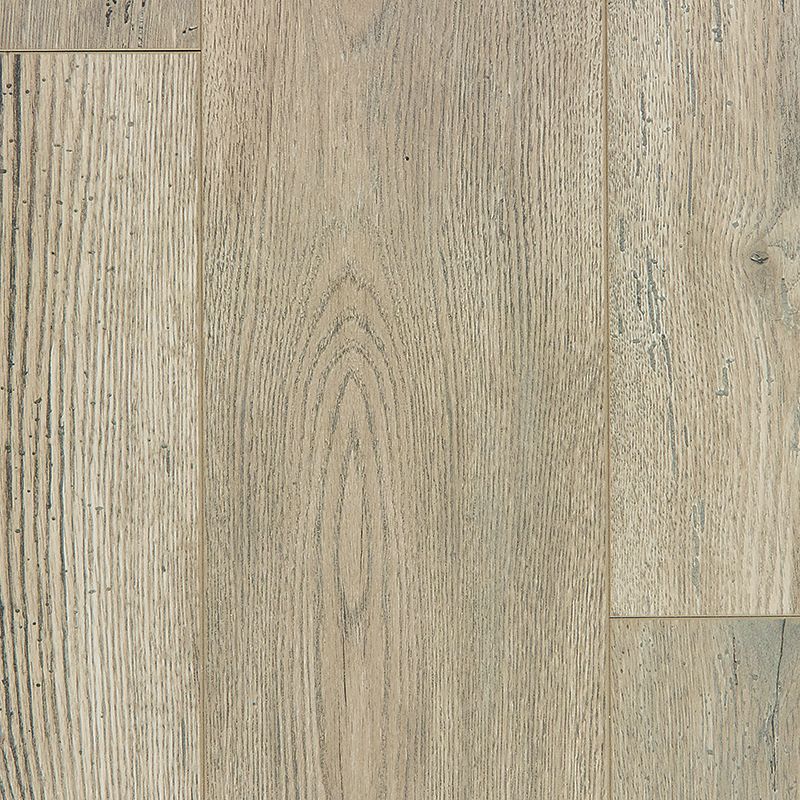
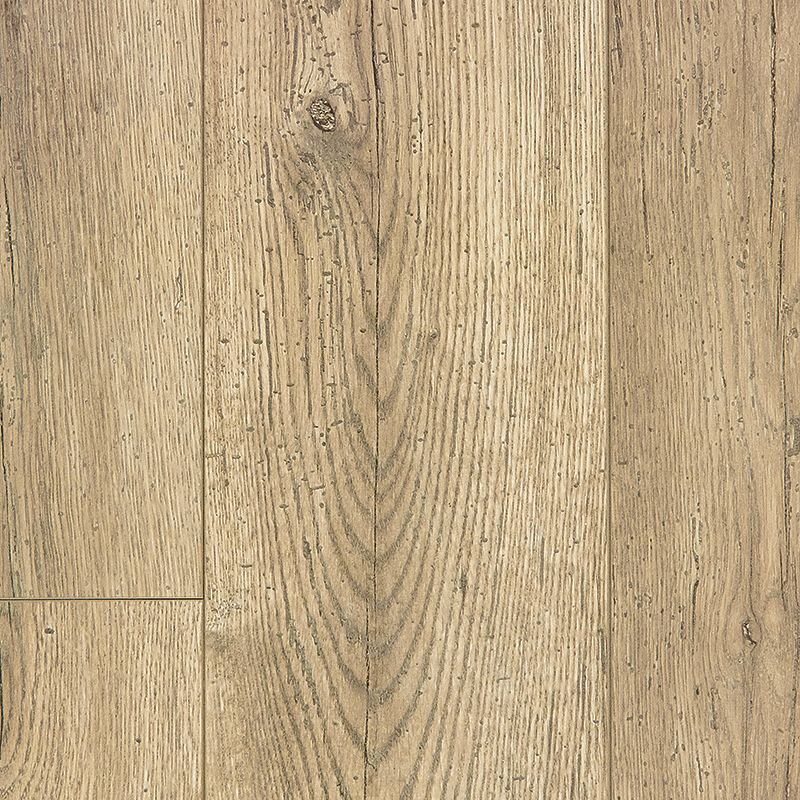
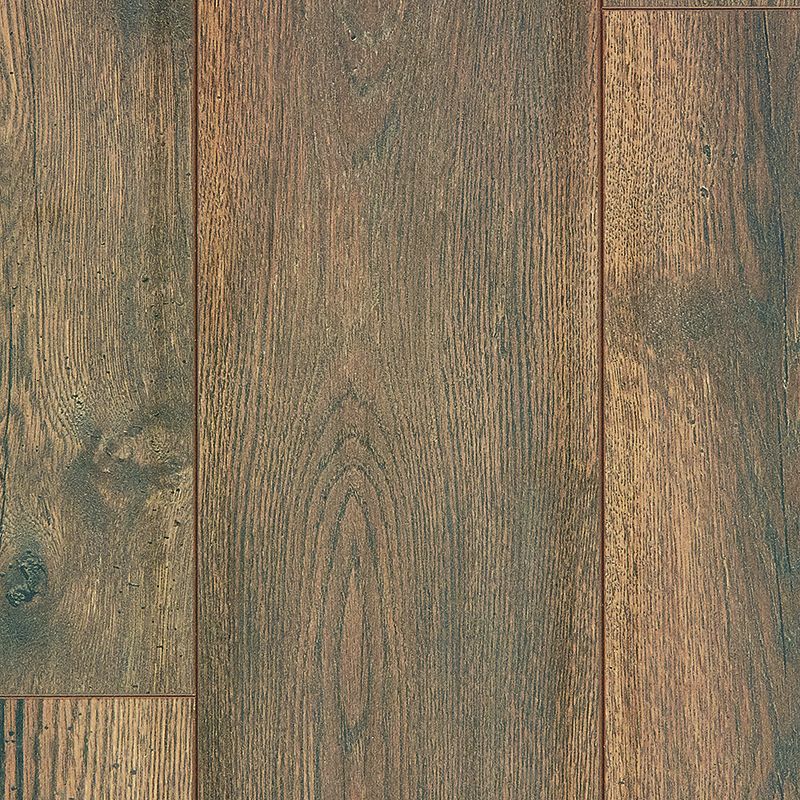
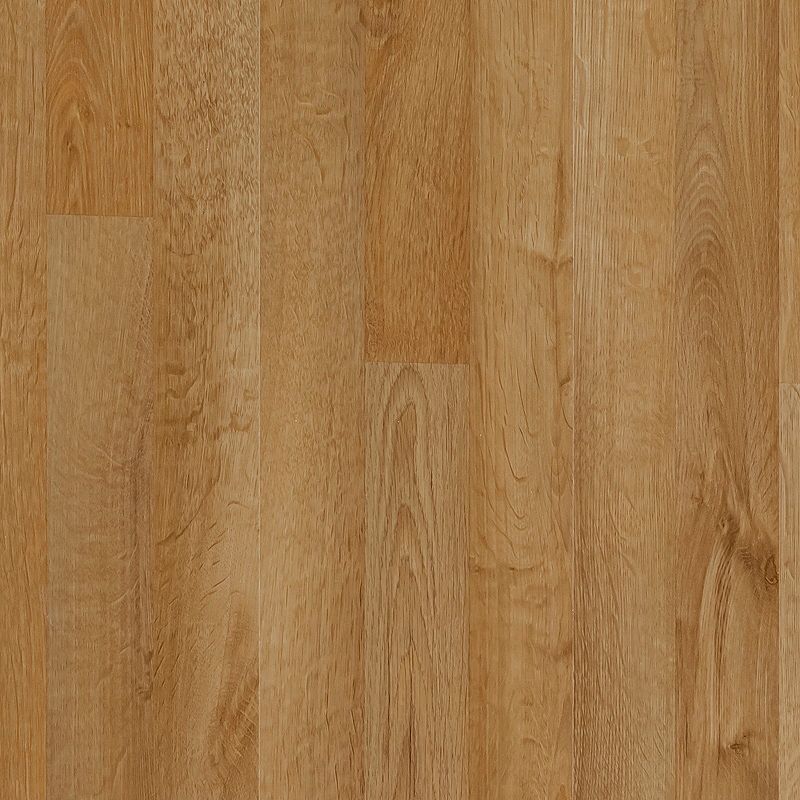
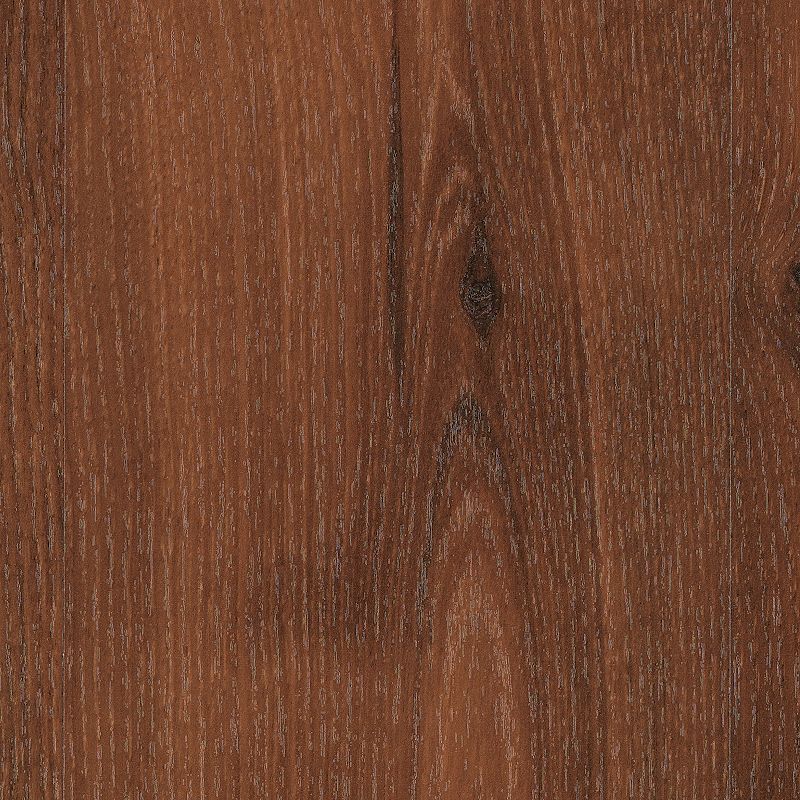
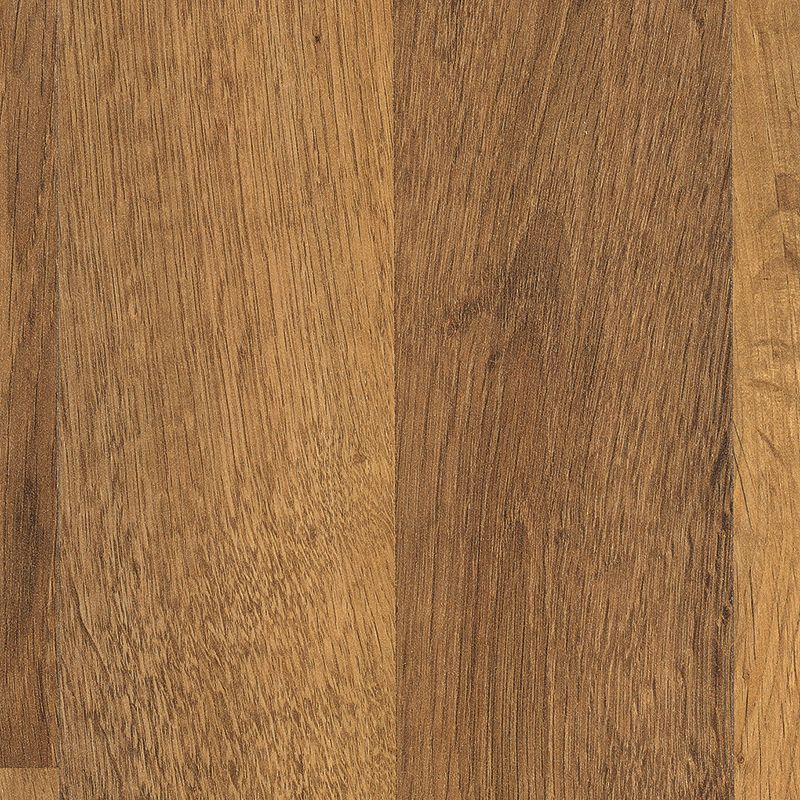
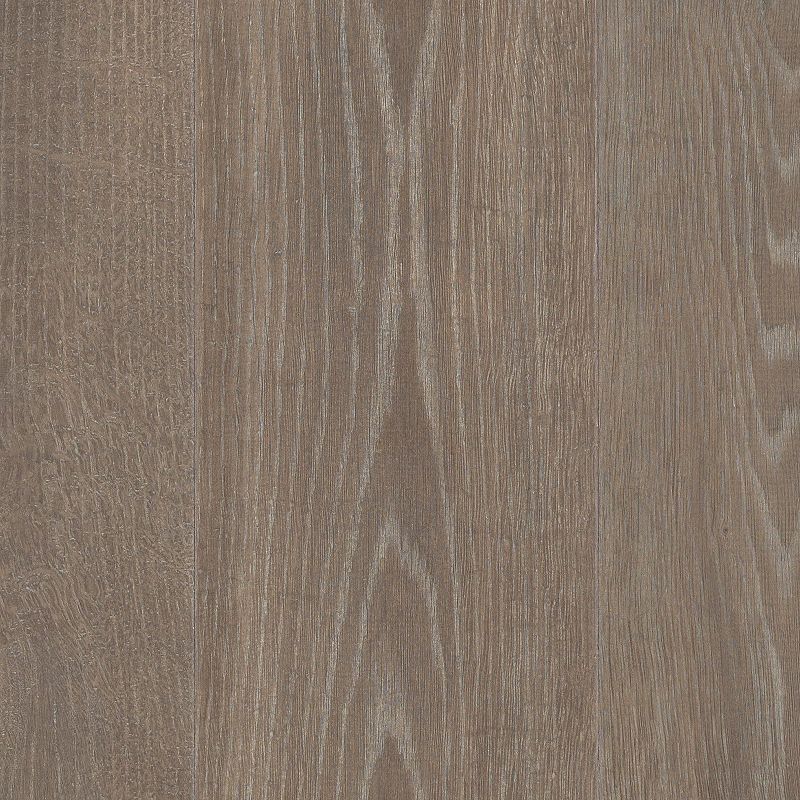
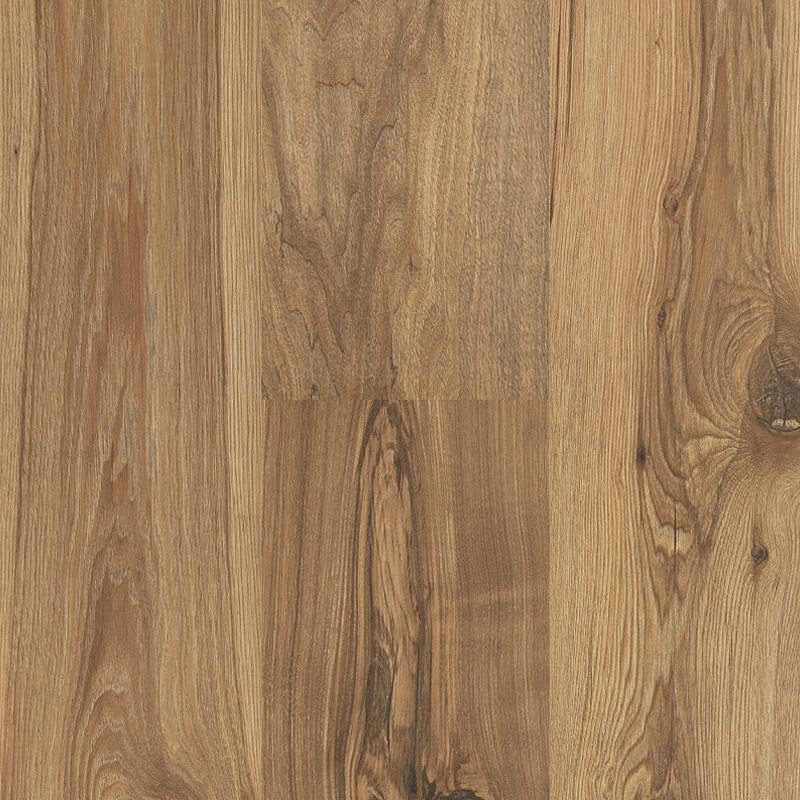
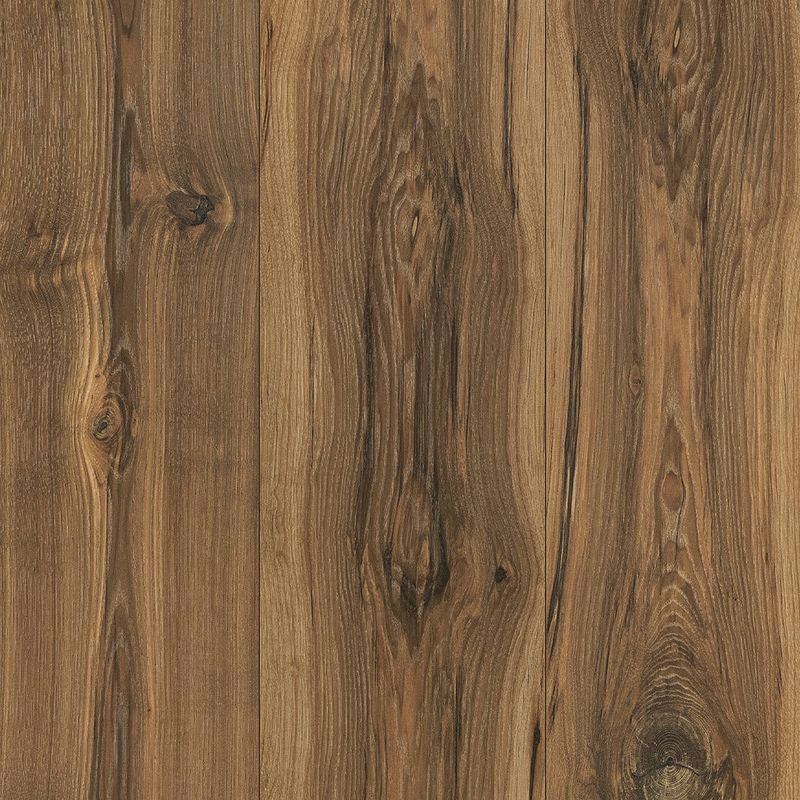
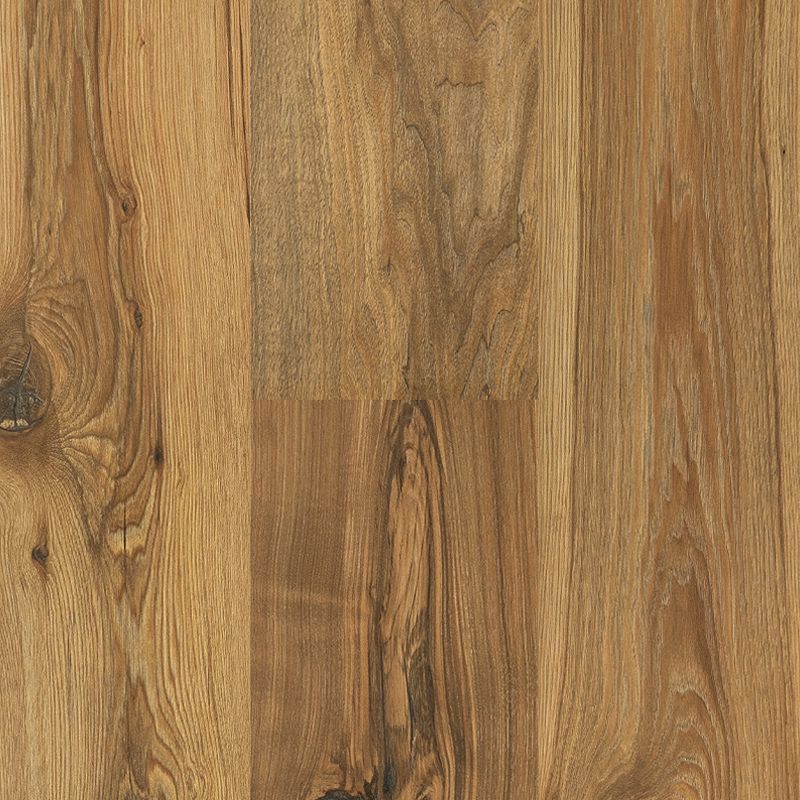
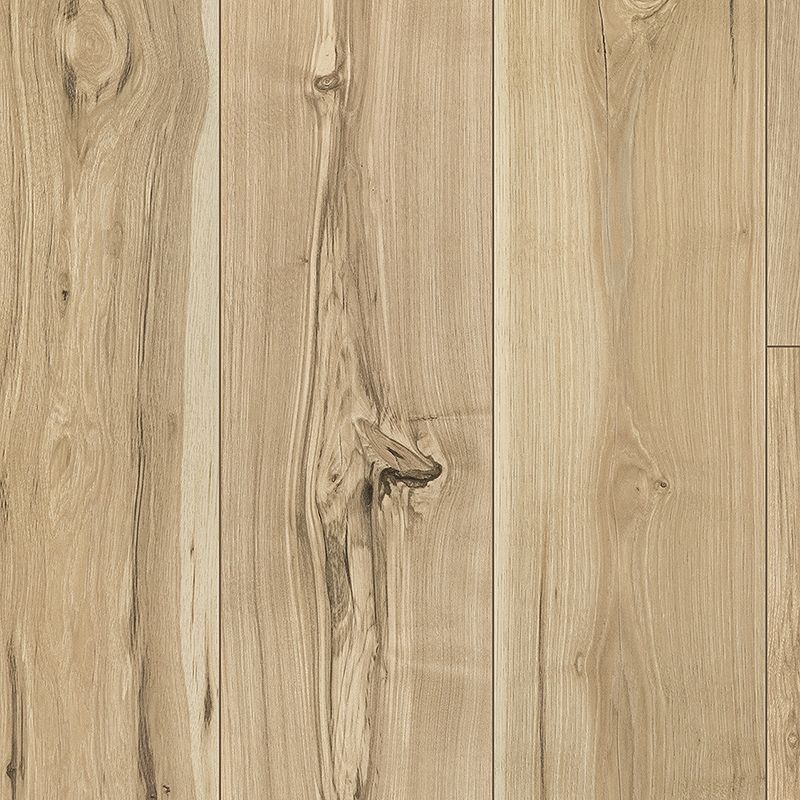
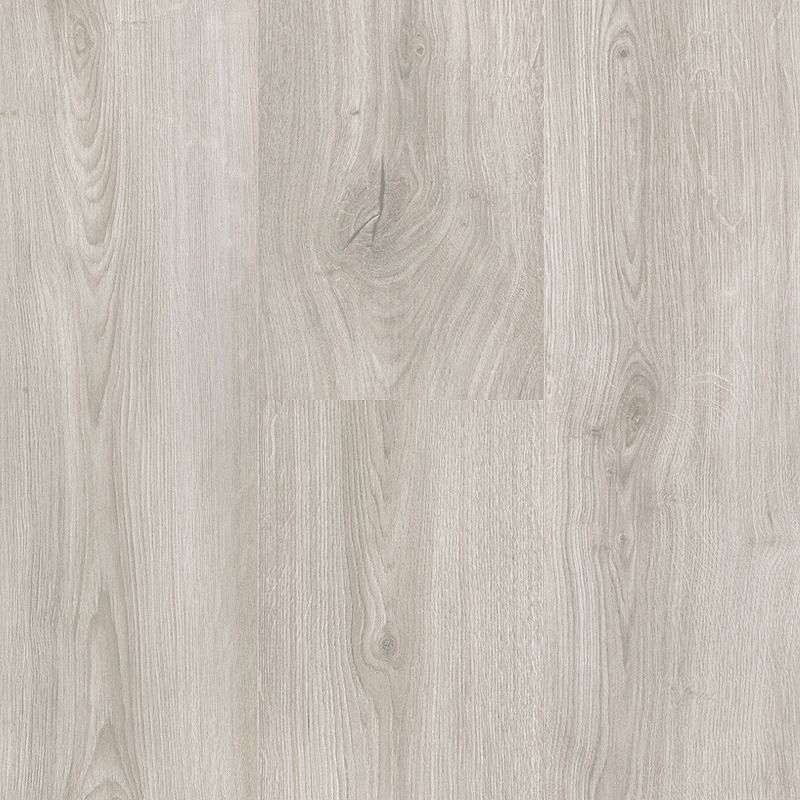
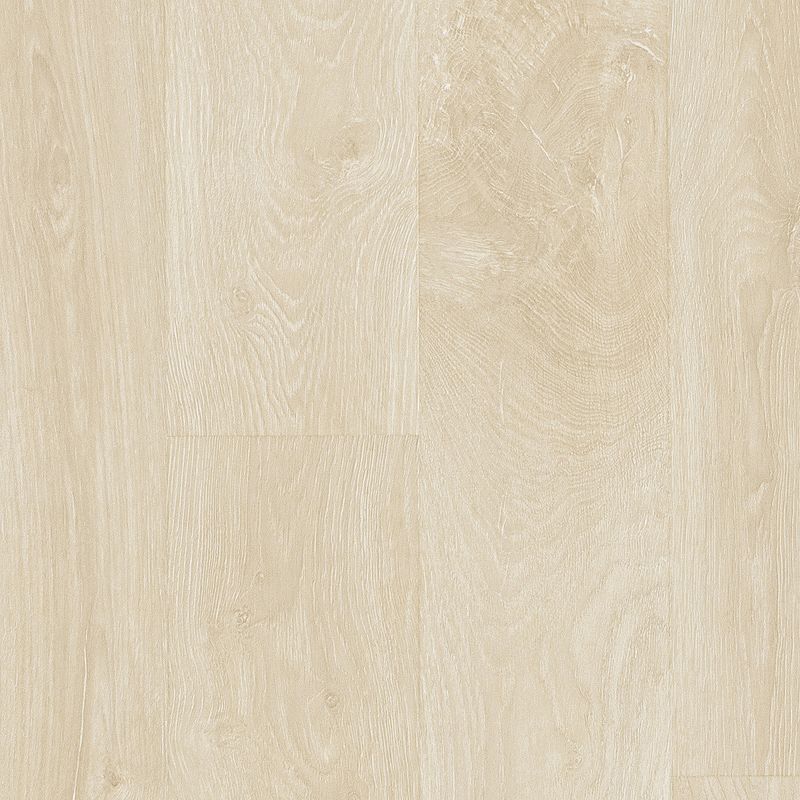
Laminate wood flooring features distinctive graining and authentic textures that make it a smart alternative to hardwood. All of our laminate products meet or exceed the environmental, health, and safety requirements, including formaldehyde emissions, of the U.S. federal government and applicable state regulatory agencies such as the California Air Resources Board.
Best Place to Buy Laminate Flooring Online
Also known as floating wood tile, laminate is a multi-layer synthetic flooring fused together through a lamination process. At Floor City, our laminate floors meet or exceed all applicable environmental, health, and safety standards, including CARB formaldehyde emissions limits.
Commercial Grade Laminate Flooring
For spaces that take a beating, commercial grade laminate delivers a significant step up in durability while keeping the easy DIY click-lock install. Stain resistance is similar to residential laminate, but commercial-grade products are built to withstand heavier foot traffic with far less denting than lower-grade laminates or real hardwood. That makes them a great option for homes with pets that tend to scratch natural wood floors.
How Much Extra Laminate Flooring Should You Buy?
When you're ready to replace your flooring, you need to order the right amount plus a little extra. Adding a waste allowance on top of your exact measurement keeps your project on schedule and your finished floor consistent. Many homeowners struggle to determine exactly how much they need.
Why Order Extra?
You can't simply measure the room and order the exact square footage. As you fit the floor together, you'll cut planks at the ends and edges, which produces waste. Always order the full amount you expect to need, including waste, at the start of your project. This accomplishes several things:
- Consistency within the lot. Laminate usually varies little from one production lot to the next, but ordering together avoids the small differences that can show up across batches and keeps your room uniform.
- No mid-project delays. If you come up short, you may end up waiting for more to arrive, which can stall your contractor or push your timeline back.
How Much Extra Should I Order?
When you place your laminate order, allow an additional 5 to 15% over your initial measurement to account for waste. A simple, square room with no obstacles can usually get by with 5%, especially with an experienced installer. A complicated or particularly small room may need as much as 15%.
What If the Box Doesn't Cover the Exact Amount?
Say you need 25 square feet but each box covers 20. Should you skip the extra box or order it?
In most cases, ordering the extra box is worth it. With flooring, too much is always better than too little. Any leftover laminate can be stored, ideally in a climate-controlled space similar to the installed room, and used for future repairs. Matching from your original batch will always look better than trying to buy a new run later.
If you're working with an experienced contractor in a simple room and you're on a tight budget, you may be able to skip it. Talk to your contractor about expected waste before deciding, since their estimate is the best guide for both this project and future buying decisions.
Is Laminate Flooring Easy to Install?
Yes. When it comes to flooring, laminate is about as easy as it gets. Installing the planks requires a few tools, such as a saw and a hammer, but beyond cutting the boards it doesn't require a professional. If hiring an installer fits your budget, we recommend it, but the click-lock system on most laminate makes it a very achievable DIY project if you'd rather do it yourself.
Laminate Installation Tips
- Acclimate the flooring for at least 48 hours before installing.
- Remove all baseboard molding before you begin.
- Apply an underlayment to deaden sound and add resilience.
- Plan your layout and cut the first row to set the direction of the planks.
- Always leave a 1/4" expansion gap around the perimeter.
How to Decide Which Way to Lay Laminate Flooring
There's no single correct direction. Each room has its own size, decor, and lighting, and those characteristics guide the decision. Below are the common approaches, pattern options, and tips for avoiding installation mistakes. Pinterest and image searches are also good resources if you need inspiration.
Common Ways to Lay Laminate Flooring
In most cases, you'll run the planks straight through from the front of the home to the back, typically parallel with the longest walls. This creates a cohesive look that complements most spaces and usually minimizes cuts and waste.
One exception is when you're matching new flooring to existing wood or laminate in an adjacent area. Matching old and new rarely looks seamless, so you may choose to run the new flooring perpendicular to the existing floor instead.
Introducing Patterns to Your Laminate Flooring
When a space is too small or awkwardly shaped to run front-to-back, it's an opportunity to introduce a pattern. You might also add a border or inlay, known as parquet. Depending on your taste, you can install classic patterns such as alternating squares that mimic individual wood tiles, or modern patterns like chevron, herringbone, and hexagon layouts.
Avoid Laminate Flooring Fails
Good laminate is durable, cost-effective, and hard to distinguish from real wood. Because it's designed to mimic natural wood, planks need to be staggered. One of the most common installation fails is using full planks without varying the cuts. Different plank lengths stagger the seams so the floor looks natural and stays structurally stable. Other fails to watch for:
- Faulty subfloor. Make sure your subfloor is level before installing. An uneven subfloor produces an uneven floor, pattern or not.
- Using bad planks. Inspect each plank for defects. Bubbles and bumps can cause problems later and detract from the finished look.
- Skipping proper expansion gaps. Leave about 1/4" around the edges in smaller rooms and 1/2" in larger areas and hallways. Without room to expand and contract with climate, the floor can buckle.
Shop Floor City for all of your laminate flooring needs, including top brands like Mohawk, Pergo, and Shaw, at prices that beat the big-box stores.